
Harvesting Peppers: Color, Size, Heat, and Storage Timing
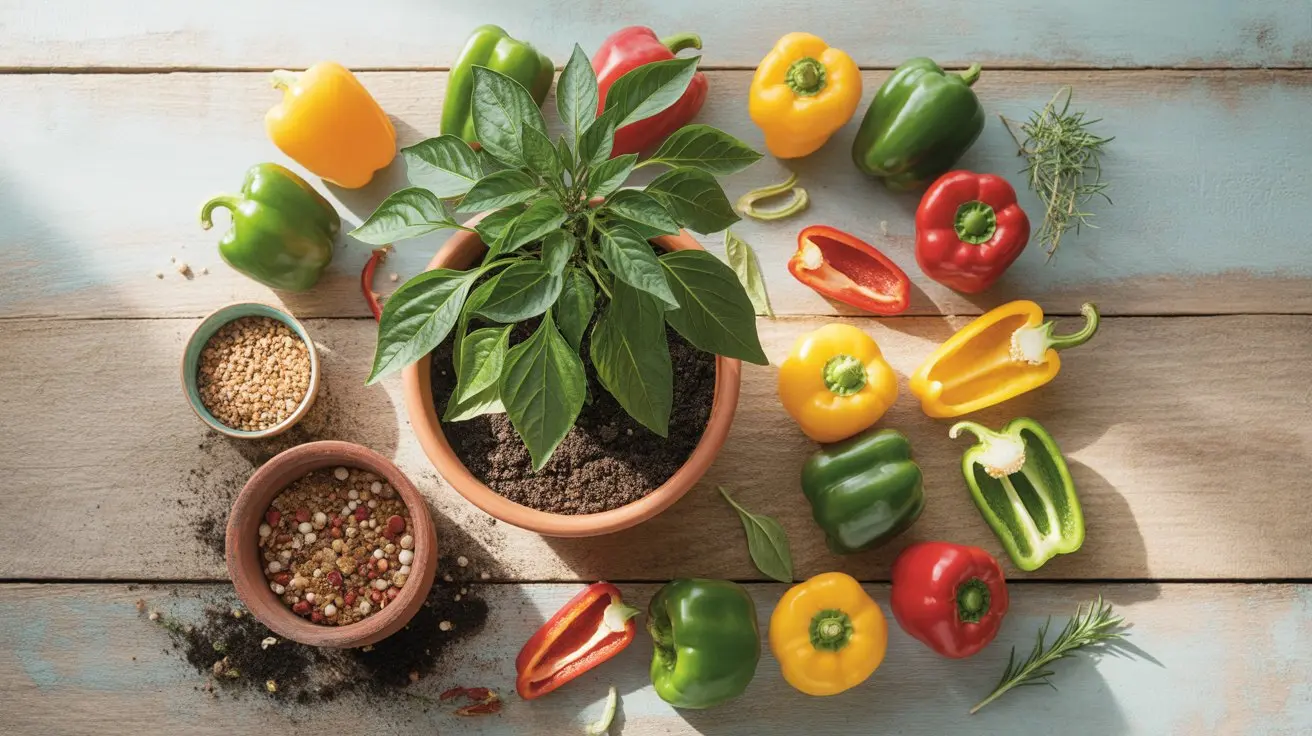
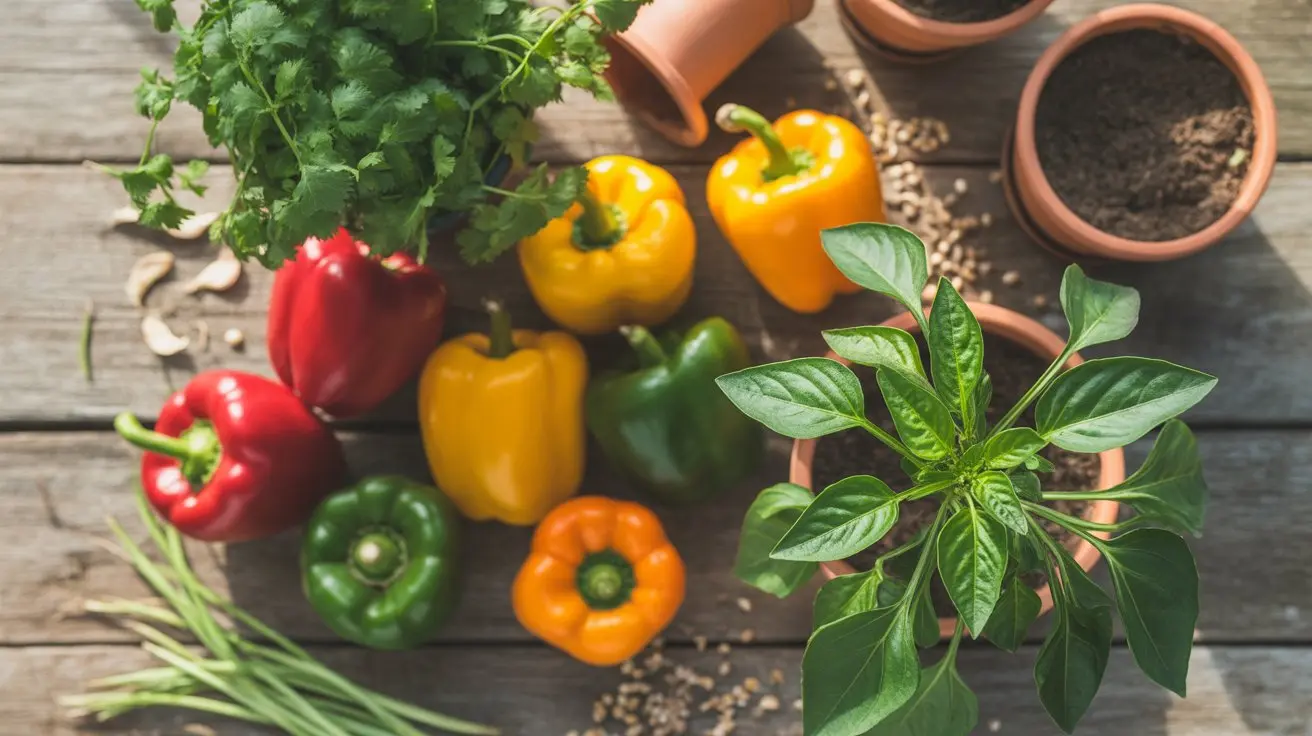
Harvest peppers when they reach mature size and the color stage you want. Green peppers are usable before full ripeness, ripe red or yellow peppers taste sweeter, and most pods should be clipped with pruners to avoid breaking branches.
Harvest peppers at the green stage and you get a crunchy, mildly hot vegetable. Wait until they ripen to red, orange, or yellow, and you get sweeter, hotter, more complex flavor. The choice is yours , but understanding when and how to pick changes the quality of every dish you make with homegrown peppers.
Understanding when and how to harvest changes the quality of every dish you make with homegrown peppers. Pull a jalapeño a week too early and you’re eating a mild, crunchy vegetable. Wait for the deep green to turn glossy black-green, and that same pepper hits with more bite and a richer, slightly smoky undertone.
The timing and method matter more than most growers realize. A pepper picked at the green stage typically carries 30-50% less capsaicin than the same fruit at full red maturity. Capsaicin production ramps up in the final weeks of ripening as a defense mechanism against mammals and fungi that threaten seed dispersal.
The commercial pepper industry harvests most peppers green because green fruit ships better and has a longer shelf life. Home growers have the advantage of leaving fruit on the plant until it fully ripens, which is almost always the better choice for flavor.
The main decision is not simply ,red or green., A pepper can be harvested for crunch, ripe sweetness, seed saving, drying, pickling, or immediate sauce. The right harvest point depends on that job.
For thick-walled sweet peppers, pick some green for crisp cooking and leave others to ripen for sweeter roasted dishes. For mild poblano peppers, green pods are standard for stuffing, while fully ripe red pods move toward drying and sauce work.
Keep harvesting once plants are producing. UMN notes that continued harvest encourages more flowers and fruit set. Letting every pod ripen at once can slow the next wave, especially on compact container plants.
Color is a choice, not one deadline
The relationship between ripeness and heat is counterintuitive for many new growers. People assume that longer time on the vine means milder fruit, like how some vegetables lose sharpness as they mature. With peppers, the opposite happens.
A green jalapeño measures roughly 2,500-4,000 SHU . The same fruit, fully red, can reach 6,000-8,000 SHU . The plant is investing in capsaicin production as a late-stage survival strategy.
| Harvest stage | Heat | Flavor | Best for | Fridge life |
|---|---|---|---|---|
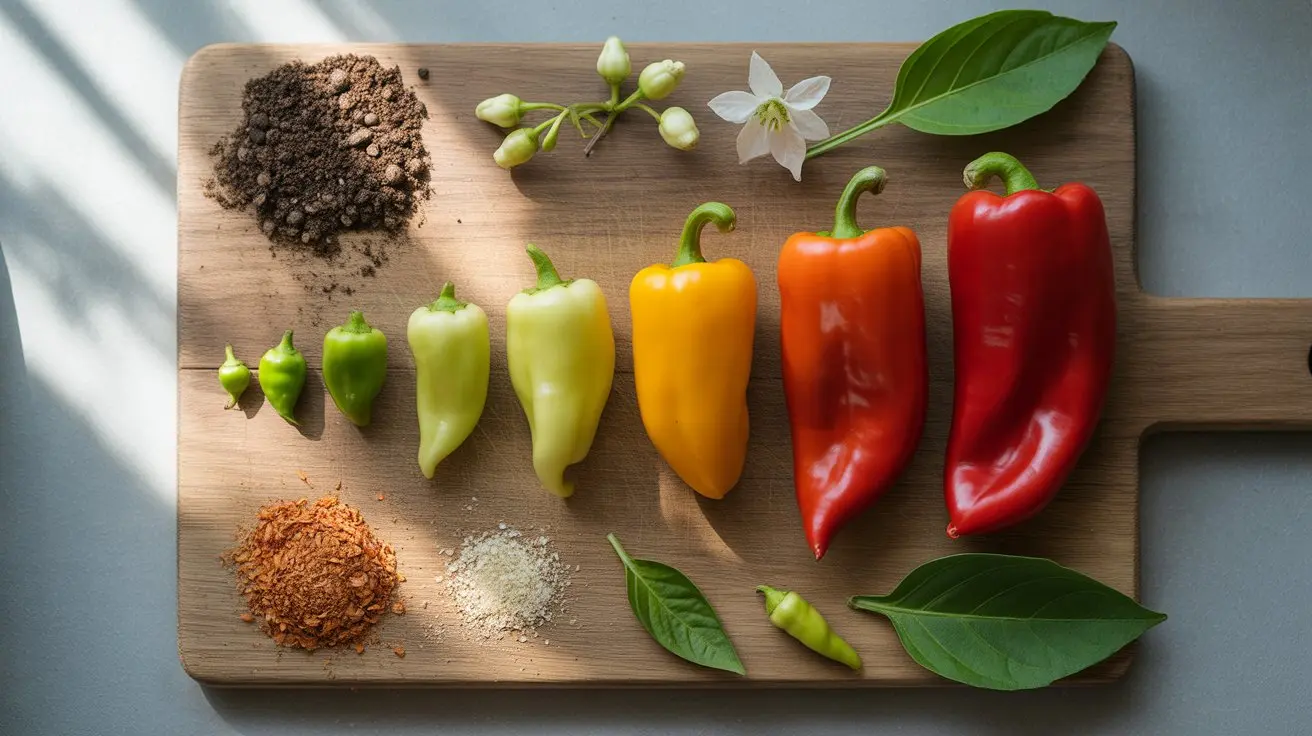
| Green (full size, still unripe) | Mildest | Crunchy, grassy, slightly bitter | Stir-fries, fajitas, pickling | 1–2 weeks |
| Breaking (first streaks of color) | Rising | Balanced, lightly sweet | Fresh salsa, everyday cooking | About 1 week |
| Full color (red, orange, or yellow) | Peak, often 2–3× the green-stage heat | Sweetest and most aromatic | Hot sauce, drying, raw use | 4–7 days |
This principle applies across virtually all Capsicum species. our habanero profile at the green stage taste grassy and carry perhaps half the heat they’ll develop at orange or red maturity. ghost pepper plants and Carolina Reaper peppers are notoriously mild when green , growers who pick superhots early often conclude they planted the wrong variety.
How to harvest without damaging plants
Green vs. ripe: Green peppers are a legitimate ingredient, not a failed harvest. They’re crunchier, more bitter, and less sweet , ideal for stir-fries, fajitas, and our pepper-pickling guide where you want snap and acidity.
Ripe peppers are better for pepper sauces at home, peppers in Mexican salsas, and raw applications where sweetness and heat matter.
One plant can produce both milder green peppers early in the season and fiery red ones later , you control the outcome by choosing when to cut.
Post-harvest storage: Freshly picked peppers keep in the refrigerator crisper for 1-2 weeks. For longer-term storage, see our pepper storage guide.
Heat, sweetness, and seed maturity
Color cues by variety:
- Bell peppers: Light green → dark green → yellow, orange, or red (depends on variety). Most people harvest green, but red bell peppers are sweeter and contain more vitamin C in peppers.
- Jalapeños: Bright green → dark green → red. The classic green jalapeño is picked early. Red jalapeños are sweeter, hotter, and better for drying into chipotles.
- Habaneros: Green → orange or red. Fully colored habaneros have the fruity, citrusy character that makes them useful in the hot sauce process guide.
- Poblanos: Dark green at harvest. Leave them on the vine longer and they turn red, becoming the dried the poblano-to-ancho form pepper. The fresh green stage is ideal for roasting and stuffing.
- Serranos: Green at maturity. Red serranos exist but are less common in commercial markets. Green is the standard harvest stage.
The texture test: A ripe pepper feels firm but gives slightly to gentle thumb pressure. Rock-hard means it’s still developing. Soft, wrinkled, or translucent means it’s past peak.
The skin should be glossy and taut. Dull skin signals the pepper is losing moisture and flavor.
When to pick during the day: Harvest in the morning, after overnight moisture has moved into the fruit but before afternoon sun dehydrates it. For storage quality, harvest when fruit is cool, dry, and fully hydrated. Extension storage guidance favors careful harvest and quick cooling; if afternoon heat has wilted the fruit, wait until the next morning.
How to cut: Use clean scissors or pruning shears. Cut the stem about ¼ inch above the fruit . Pulling or twisting peppers off the plant damages branches and breaks nearby flower buds that would have produced future fruit.
The cut heals cleanly; a torn stem invites disease.
Multiple harvests: Most pepper plants produce over a 6-10 week window . Pick ripe fruit regularly to encourage the plant to keep producing. Leaving overripe fruit on the vine signals the plant to slow down and stop flowering.
A plant that gets picked weekly will outproduce one that gets picked all at once.
Harvesting mistakes that reduce yield
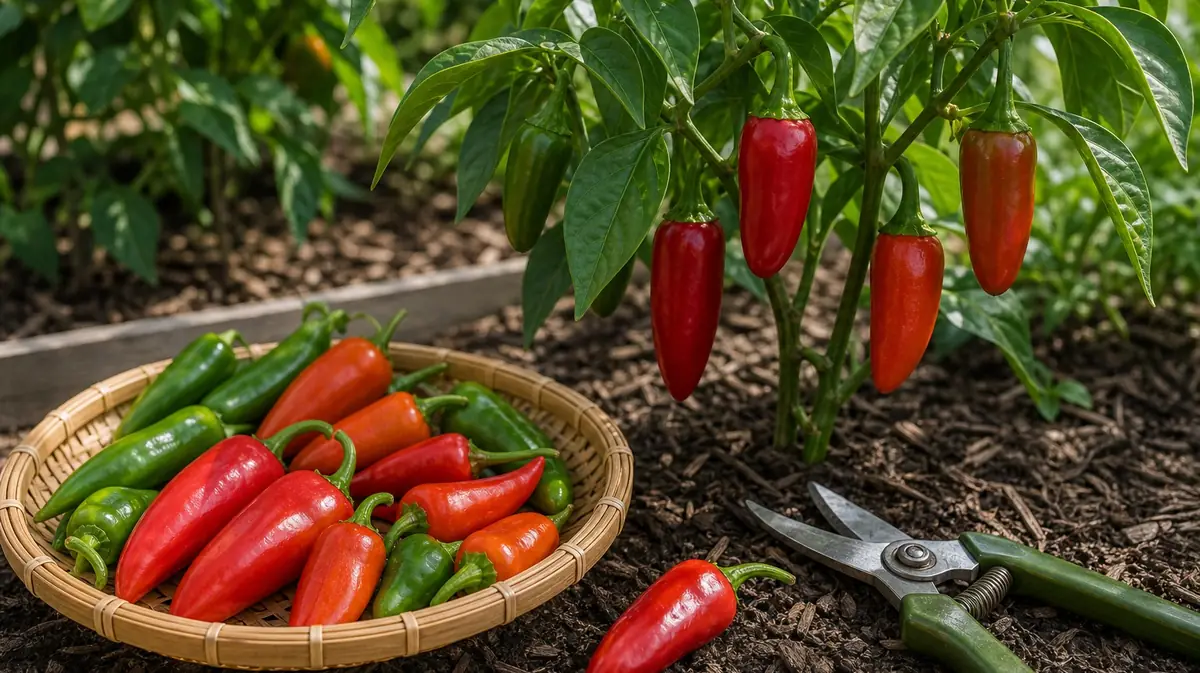
Pulling instead of cutting. Twisting peppers off the plant breaks branches and damages flower buds. Always use scissors or shears.
Waiting too long. Overripe peppers wrinkle, soften, and lose flavor. If you see the skin dulling or the fruit becoming translucent, pick it immediately. A slightly underripe pepper is better than a rotting one.
Harvesting in afternoon heat. Peppers picked in midday sun dehydrate faster and lose crispness. Morning harvests store better and taste better , it’s a small habit that makes a measurable difference.
Ignoring the plant’s signals. If a pepper plant stops flowering or produces smaller fruit, check whether overripe peppers are still hanging on the branches. Pick everything that’s ready and the plant will redirect energy into new flowers.
Storage and preservation timing
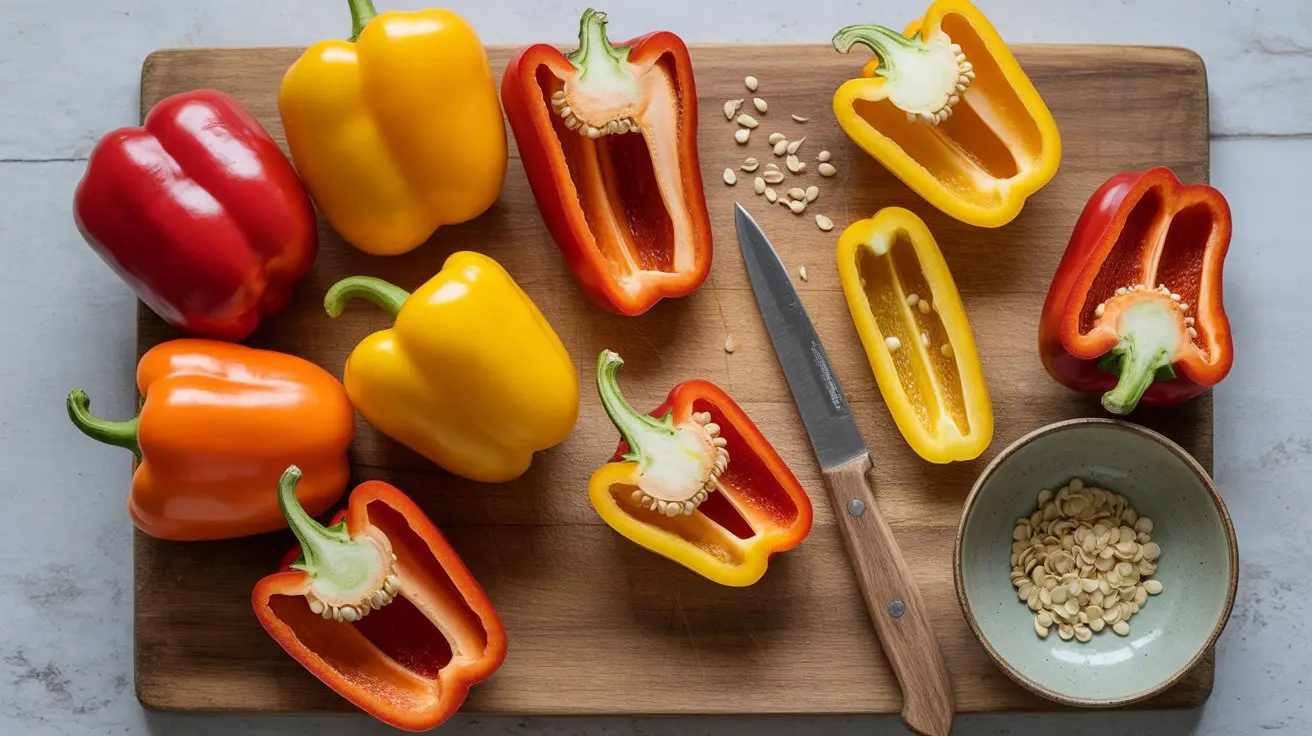
For seed saving, wait longer than you would for cooking. The pepper should be fully colored, firm, and past the early ripe stage so the seed coat has time to mature. Avoid saving seed from the first green harvest wave because those seeds are usually immature.
For storage, pick before the skin dulls or wrinkles. UMN post-harvest guidance treats peppers as produce that wants cool, moist storage rather than cold dry storage. That is why a refrigerator crisper works better than leaving picked peppers on a hot counter.
For preservation, choose the harvest point around the method. Green jalapenos are good for crisp pickles. Fully red jalapenos become chipotle when smoked and dried. Ripe sweet peppers roast sweeter, while green bells hold firmer texture in cooked dishes.
For adjacent decisions, keep the same workflow connected to ripen green peppers, our pepper-freezing guide, save pepper seeds and medium-heat jalapenos.
Before marking this job done, check one real plant, jar, tray, or batch against the method above. The page is meant to answer harvesting peppers directly, so the final decision should come from the pepper condition, storage plan, and cooking or growing use case, not from a generic pepper rule.