Mild and smoky
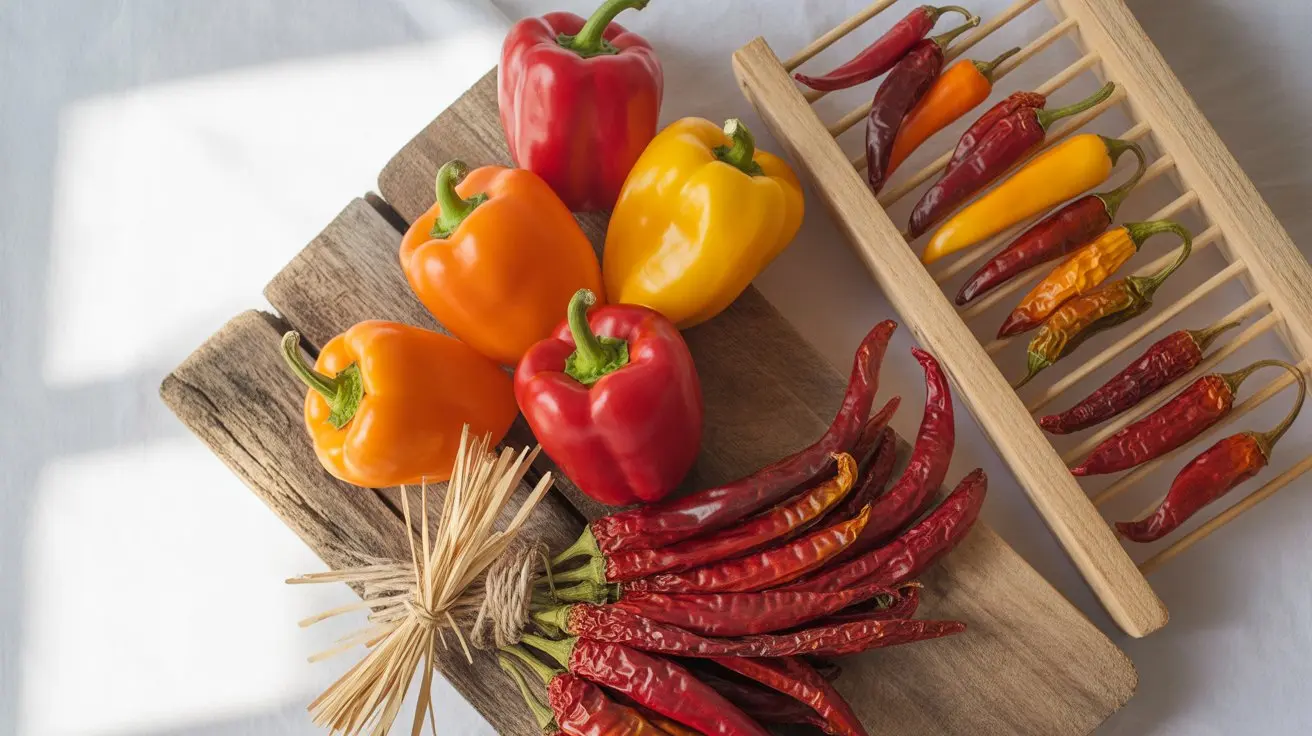
Ancho at about 1,000 to 2,000 SHU gives dark, rounded dried-chile flavor. Guajillo, at roughly 2,500 to 5,000 SHU, tastes brighter. Use either when smoke and chile depth matter more than sharp heat.


Wing peppers need to work with butter, vinegar, and chicken fat, not just score high on the Scoville scale. Cayenne anchors classic buffalo sauce, while jalapeno, habanero, ghost pepper, and milder options fit different sauce styles.
Cayenne is the clearest choice for classic Buffalo wings. A cayenne-based hot sauce already brings chile, vinegar, and salt in a pourable form, so it blends with melted butter without leaving bits on the skin. For other wing styles, the best pepper changes with the flavor you want: Fresno for a fresh red sauce, ancho for smoke without much heat, habanero for a fruit glaze, and cayenne powder for a Nashville-style coating.
Start by choosing the finished sauce, then choose the pepper form that fits it. A fresh pepper puree adds water and pulp. A bottled hot sauce adds acid and salt. Ground chile disperses through butter or oil but can turn gritty when too much is used. Those differences matter as much as the pepper's Scoville range.
The Scoville heat scale describes the pepper or tested product, not the final bowl of wing sauce. A 30,000 to 50,000 SHU cayenne can produce a manageable sauce after it is blended with vinegar, butter, and other ingredients. Use the range to compare peppers, then use measured additions and tasting to control the batch.
This table starts with the flavor of the wings and works backward to the pepper. The amounts are conservative starting points for about 2 pounds of cooked wings. Brand strength and individual peppers vary, so keep the first addition small and adjust the sauce before it touches the chicken.
| Wing style | Best starting pepper | Useful form | Starting point | What it contributes |
|---|---|---|---|---|
| Classic Buffalo | Cayenne | Cayenne hot sauce | 1/2 cup hot sauce with 1/3 cup melted butter for 2 1/2 pounds of wings | Direct chile flavor, vinegar, salt, and an even coating |
| Fresh red chile | Fresno or red jalapeño | Roasted puree | 1/4 cup seasoned puree in a 1/2-cup sauce batch | Fresh fruit flavor, red color, and moderate heat |
| Smoky chile | Ancho with guajillo | Rehydrated puree or fine powder | 1 tablespoon puree or 1 teaspoon powder, then adjust | Raisin-like depth from ancho and a brighter red-chile note from guajillo |
| Mango-habanero | Habanero | Labeled commercial sauce | 1 teaspoon in 1/2 cup mango glaze, followed by small additions | Floral, fruity heat that stays distinct beside mango |
| Korean-inspired | Korean red pepper | Gochujang plus gochugaru | 2 tablespoons gochujang; add gochugaru 1/4 teaspoon at a time | Fermented savoriness, sweetness, red color, and adjustable heat |
| Nashville-style dry heat | Cayenne | Fine powder | 1/4 teaspoon in the fat-based coating, then increase carefully | Even, immediate heat without adding water to the crust |
The classic Buffalo row follows the published Frank's RedHot recipe, which pairs 1/2 cup sauce with 1/3 cup butter for 2 1/2 pounds of wings. The other rows are editorial starting points rather than fixed formulas. Taste each sauce and account for the salt and acid already present in any packaged ingredient.
Heat level should narrow the pepper choice before sweetness, butter, or fruit enters the sauce. These four lanes separate everyday wing heat from a superhot side batch, while keeping the pepper's flavor in the decision.
Ancho at about 1,000 to 2,000 SHU gives dark, rounded dried-chile flavor. Guajillo, at roughly 2,500 to 5,000 SHU, tastes brighter. Use either when smoke and chile depth matter more than sharp heat.
Jalapeño or Fresno suits a greener, fresher sauce. Fresno commonly runs from 2,500 to 10,000 SHU and adds enough pulp to give a homemade sauce body; strain the puree for a smoother Buffalo-style finish.
Cayenne and aji amarillo commonly sit around 30,000 to 50,000 SHU. Cayenne fits vinegar-led sauce, while aji amarillo works with cream or citrus. Habanero, around 100,000 to 350,000 SHU, suits mango or orange.
Ghost peppers above 855,000 SHU and Carolina Reapers above 1.4 million SHU are poor choices for a shared platter. Use a labeled commercial sauce and keep it in a clearly marked side bowl.
Fruit, sugar, and fat can soften how quickly heat arrives, but they do not remove capsaicin. A shared batch should stop at the highest level everyone chose; anyone who wants more heat can add it from the separate bowl.
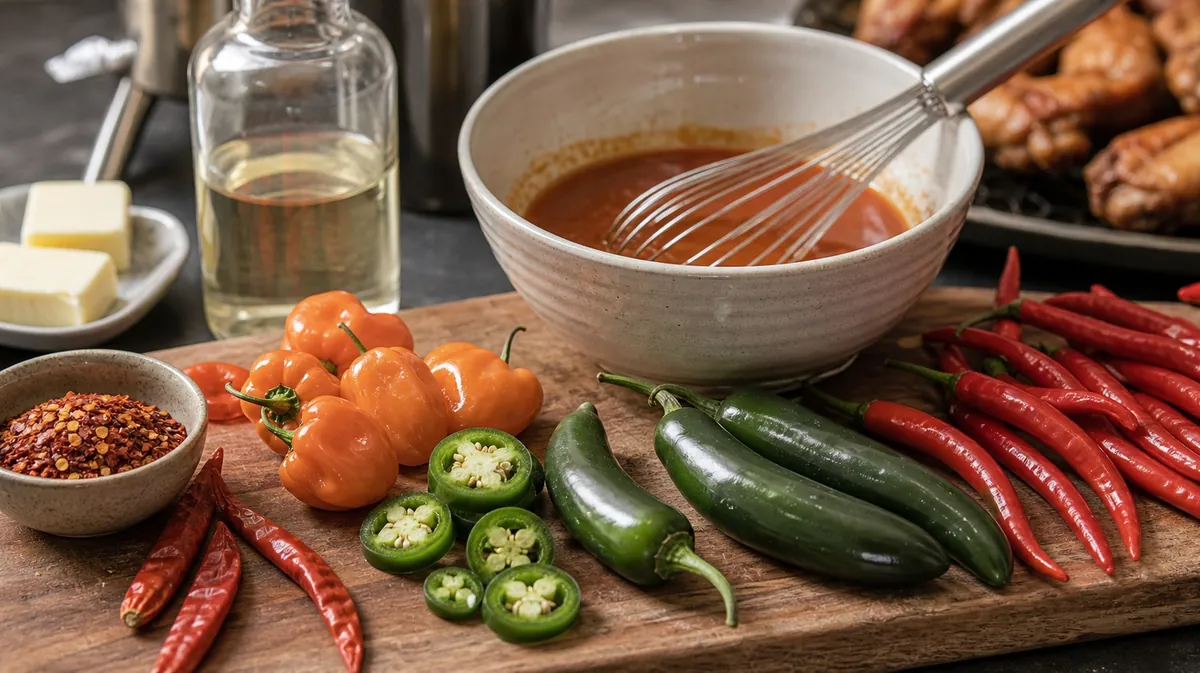
Fresh peppers are best when the pepper's own flavor should lead. Roast Fresno, jalapeño, or habanero until softened, then blend with a small amount of vinegar or citrus and salt. The puree carries pulp and water, so simmer it briefly before adding butter. Straining creates a thinner, more even coating; leaving it unstrained produces a rustic sauce that softens crisp skin sooner.
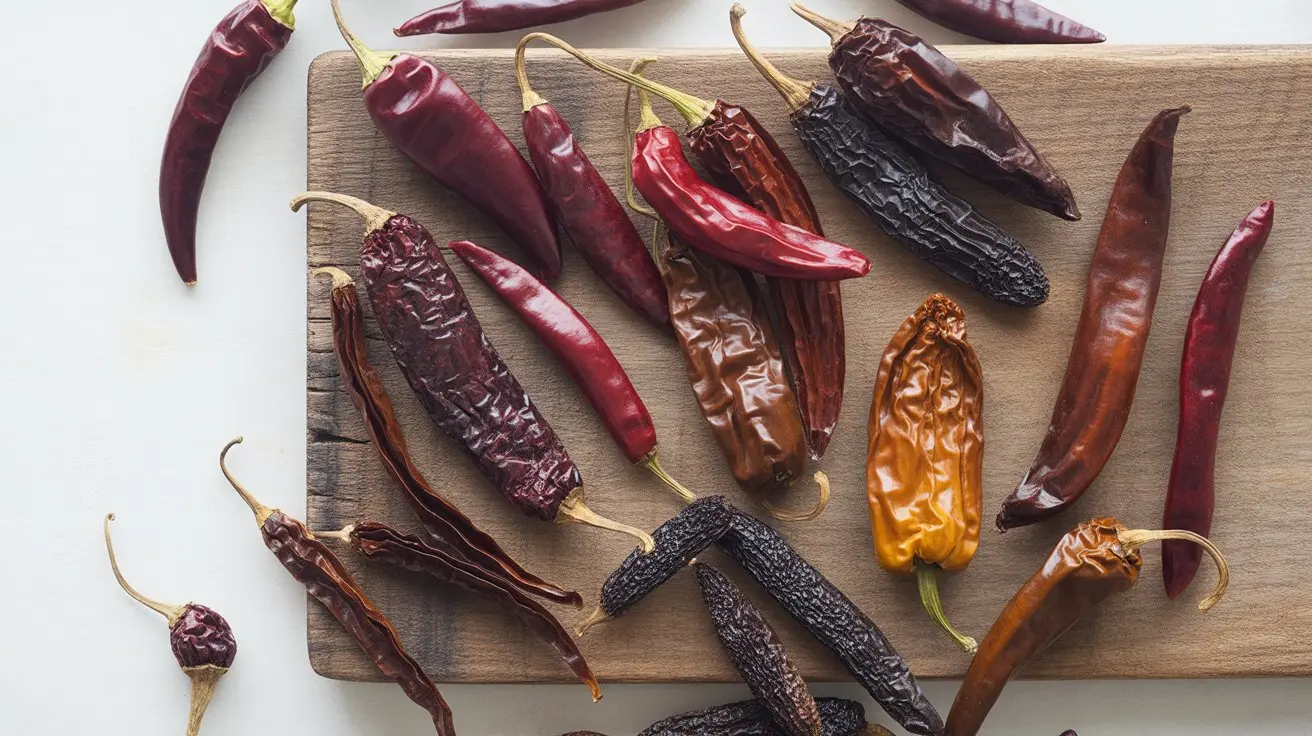
Dried whole chiles suit smoky or earthy sauces. Remove stems, shake out loose seeds if desired, soften the pods in hot water, and blend them into a puree. Ancho and guajillo are especially useful here because they bring substantial flavor before the heat becomes difficult to manage. Do not burn dried chiles in a dry pan; scorched skins make the entire batch bitter and the smoke can irritate the kitchen.
Powder is the fastest form and the easiest to measure in fractions of a teaspoon. Whisk it into warm butter or oil so it disperses, then allow the mixture to stand for a minute before tasting. Flakes create isolated hot bites, which can be welcome in a sticky glaze but work poorly when every wing should taste the same.
Mash, gochujang, and bottled hot sauce are already seasoned products. Read the ingredient list before adding vinegar, sugar, or salt. A cayenne sauce may supply most of the acid a Buffalo sauce needs, while gochujang supplies salt, sweetness, and fermented flavor. Build around what is already in the jar instead of treating it as plain pepper puree.
Make the sauce before tossing the wings. Once an overly hot sauce covers the chicken, correcting it requires a second batch or more wings. Use these working measures to keep the first adjustment small and reproducible.
This sequence also prevents one cook's tolerance from setting the level for everyone. A hot sauce bottle can remain on the table for individual adjustment. That approach keeps the shared wings flavorful and gives heat seekers a controlled way to go higher.
Fat changes texture and carries flavor across the wing. Butter makes a cayenne sauce glossy and rich; neutral oil is better for a thin Nashville-style coating. Fat should not be described as a cure for capsaicin. It changes the concentration and eating experience, while the amount of pepper still controls how much capsaicin enters the batch.
Acid keeps a rich sauce from tasting heavy. Bottled hot sauce may provide enough vinegar on its own. Fresh-pepper puree often needs a small splash of vinegar or lime. Add acid by the teaspoon and taste, because too much can make the sauce thin and sharp. Salt works the same way: packaged hot sauce, gochujang, and Worcestershire may already bring all the salt the wings need.
Sugar or fruit can make heat feel less abrupt, but neither neutralizes it. Honey helps a glaze cling; mango supports habanero's fruit aroma; brown sugar rounds the edges of a cayenne dry coating. Keep sweet sauces away from prolonged high heat because their sugars can darken before the chicken is ready. Apply them after cooking or only during a brief finishing step.
Crispness is mostly a timing and quantity problem. Cook the wings until the thickest piece reaches 165°F, measured away from the bone with a food thermometer. Let excess frying oil drain, or let baked wings sit on a rack for a minute so steam can escape. Toss them only when the sauce is ready and the table is set.
Use the smallest amount of sauce that coats the surfaces. Pooling liquid softens the crust, especially when a fresh puree has not been reduced. A wide bowl works better than pouring sauce over a crowded tray because several quick turns coat the wings without soaking them.
For a two-heat platter, toss the mild batch first and the hotter batch second. Use separate bowls or wash the bowl, tongs, and spoon before returning to the mild wings. This prevents an accidental superhot residue from reaching someone who did not choose it.
Fresh ghost peppers and Carolina Reapers are unnecessary for most home wing sauces. Their heat varies from fruit to fruit, and a tiny cutting error can change the batch dramatically. Powder is even easier to disperse into the air or transfer from a spoon to a counter. A commercial sauce with a clear ingredient list and serving direction is the more controllable option.
Anyone handling hot fresh peppers should wear disposable gloves, avoid touching the face, and wash tools and surfaces after prep. Eye protection and good ventilation are sensible when working with especially pungent peppers. Keep children and pets out of the prep area. Do not taste a superhot mash straight from the blender, and do not surprise guests with an unmarked hot batch.
Choose habanero or a measured cayenne sauce when the goal is a clearly hot wing with identifiable pepper flavor. Reserve any superhot sauce for a small, labeled side bowl used by adults who already know their tolerance. The meal does not need a challenge format to offer several useful heat levels.
Make one flexible base, divide it, and season each bowl for a different audience. A cayenne-butter base can remain classic in the first bowl. The second can take roasted Fresno puree for fresh flavor. A third, much smaller bowl can receive measured habanero sauce. This is faster and safer than building three unrelated recipes at the same time.
Prepare pepper sauces before the chicken finishes, but wait to add butter until close to serving so the emulsion stays smooth. Label the bowls, keep a clean spoon in each one, and record the pepper amounts as you adjust. When the wings reach 165°F, drain or rest them briefly, toss each batch, and move them directly to separate platters.
The final choice is simple: cayenne for recognizable Buffalo wings, Fresno or jalapeño for fresh moderate heat, ancho and guajillo for smoke, habanero for a fruit-led hot glaze, and a labeled commercial product for any superhot side batch. Those choices give the cook control over flavor, heat, and texture without turning the meal into guesswork.