
Which Poblano Substitute Fits Your Cooking Method?
Use roastable Anaheim pepper for roasted poblano strips, green bell pepper plus a little heat when a large cavity must hold filling, and cubanelle for quick sautéing. When the poblano was headed into a blended sauce, ancho or pasilla can provide dried chile depth instead of fresh-pod structure.
What Is Closest to Poblano?
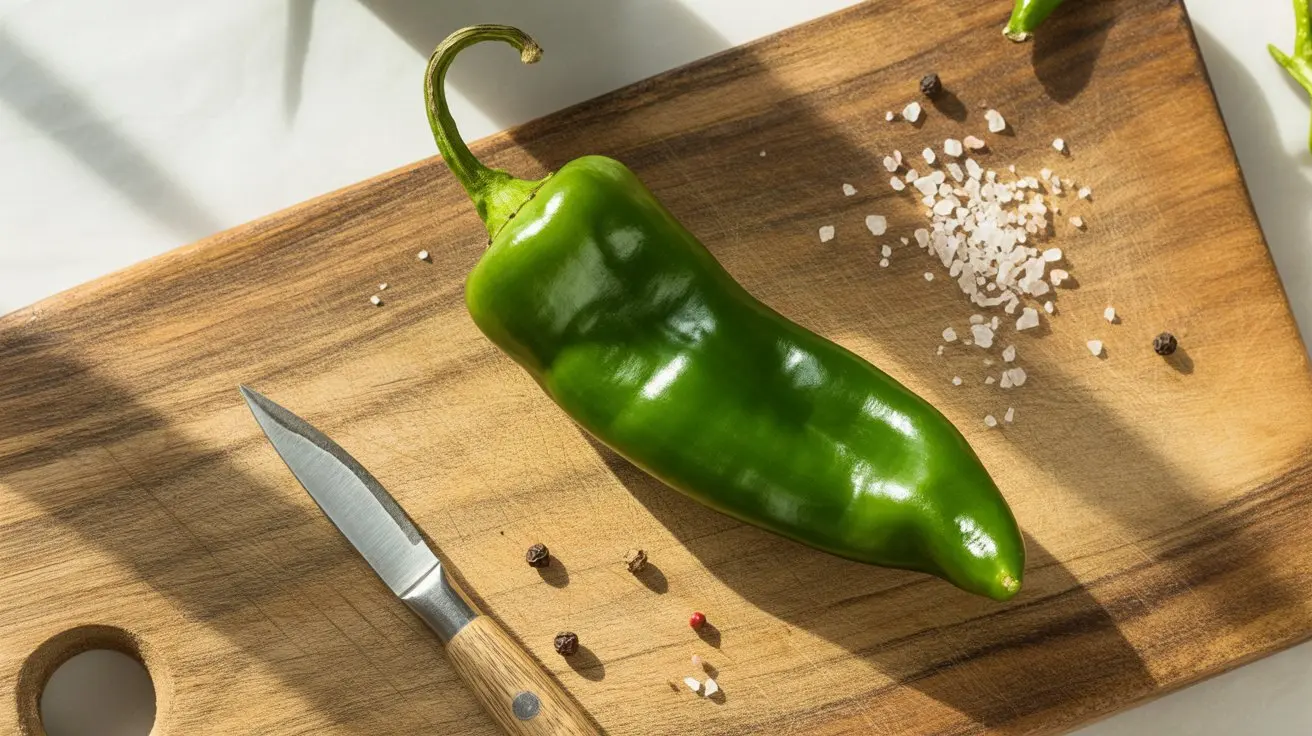
Within the Capsicum annuum family, Anaheim is the closest all-purpose fresh substitute because it roasts, peels, and holds long strips. It is usually narrower and can taste brighter.
Green bell pepper gives more room for filling but has no chile heat. Cubanelle softens fast in a pan, though its thin wall is weak for stuffing.
| Cooking method | Best starting swap | Main adjustment |
|---|---|---|
| Roast and peel | large Anaheim pod | Watch for slightly more heat |
| Stuff and bake | Green bell pepper plus a little jalapeno | Use less filling in smaller pods |
| Quick sauté | thin-walled cubanelle | Cook for less time |
| Blend into dark sauce | Ancho or pasilla | Use dried-chile technique, not fresh volume |
The pod's physical job comes first. A pepper with the right heat but the wrong wall thickness can collapse in the oven or stay tough in a quick skillet dish.

Best Poblano Swaps by Method
Anaheim for roasted strips
Closest MatchFor roasted strips, choose a mild chile that chars and peels cleanly. Anaheim for poblano dishes keeps the heat close enough for tacos, rajas, casseroles, soup, and enchilada fillings, though it tastes sweeter and less earthy than poblano.
Roast first if the recipe expects peeled flesh.
Anaheim is less ideal for big rellenos because many pods are long and narrow. Choose the widest ones when stuffing matters.
Green bell plus heat for stuffing
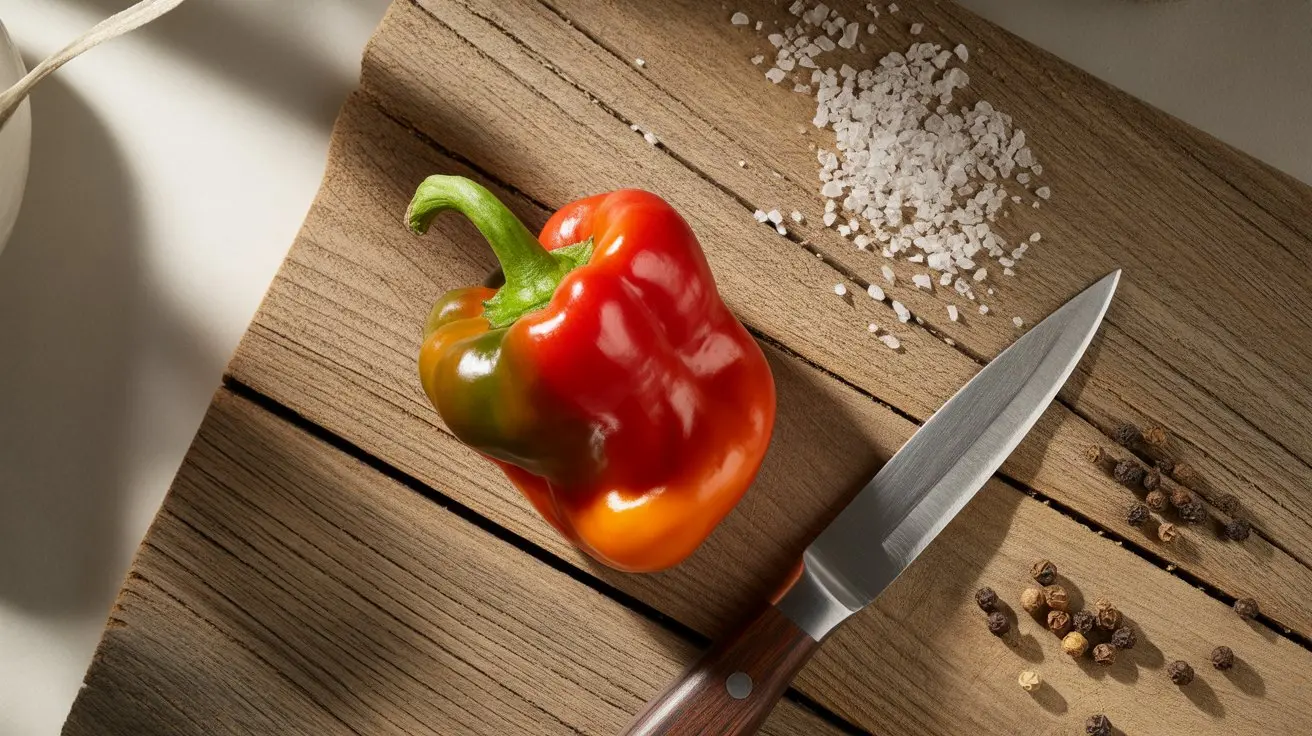
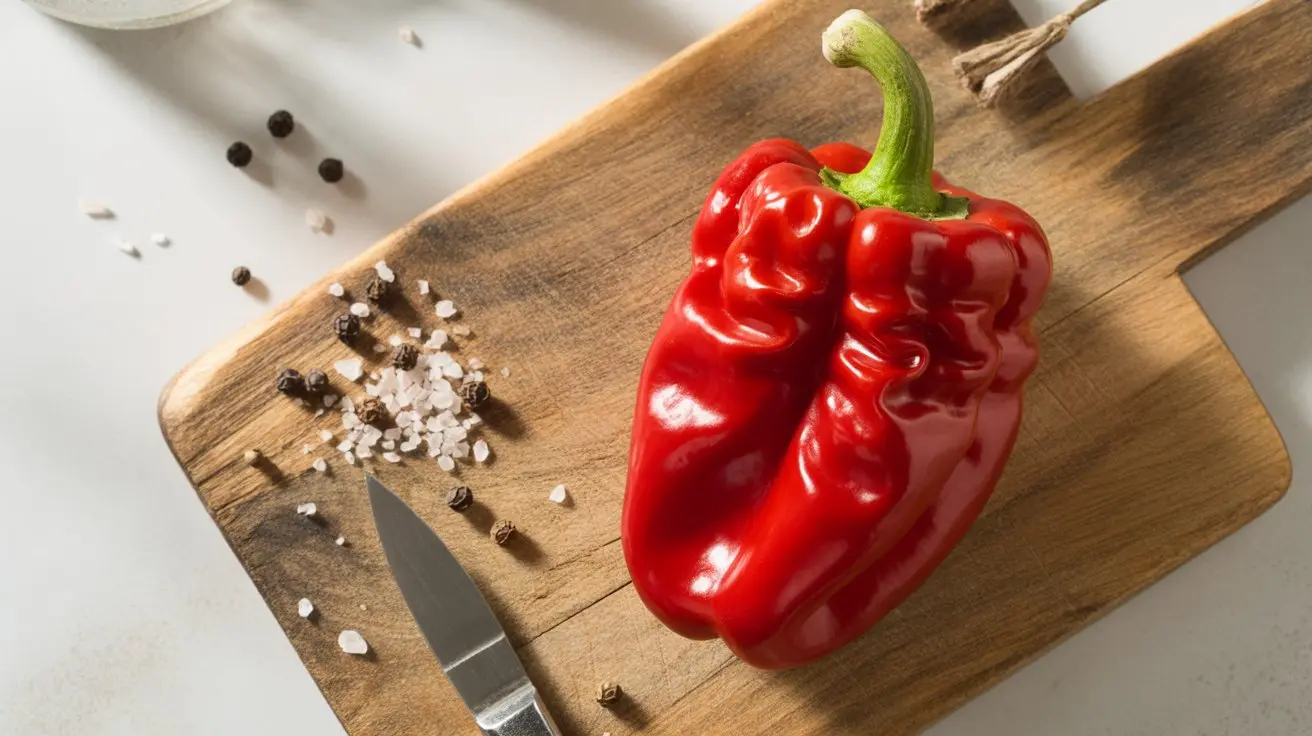
Runner-UpStuffed peppers need a wall that holds filling. Bell pepper gives that structure with no heat, so it solves chiles rellenos shape better than a small hot chile.
Green bell tastes closer than red when you want less sweetness.
This is the practical choice for family-style stuffed peppers. It keeps the filling stable while letting you control heat somewhere else in the dish.
The same idea works in chile rellenos when exact poblano flavor matters less than a pepper that can hold cheese.
Cubanelle for sauteed dishes
Also GreatQuick skillet dishes need a mild pepper that softens fast. quick-cooking cubanelle fits fajita-style strips, eggs, rice, sausage, and sauteed pepper mixtures where poblano is chopped instead of served whole.
Cook it a little less aggressively because cubanelle walls are thinner than poblano walls.

Hatch chile for green chile flavor
Move toward Hatch chile when the recipe wants roasted green chile flavor more than poblano shape. Hatch brings a stronger regional roasted note and can run hotter than poblano.
Check the heat label before adding it to mild casseroles or cream sauces.
Pasilla for sauce
Sauce asks a different question than stuffing. Pasilla is a dried chile, so it replaces poblano only when the recipe wants dark sauce, mole, braise, or blended chile base.
What Works for Chiles Rellenos?
A relleno pepper needs a broad cavity, an intact stem, and walls that soften without tearing. A large Anaheim works when a slimmer shape is acceptable.
A small green bell pepper is easier to fill and stays mild, but the finished dish tastes sweeter and less earthy.
- Pick smooth pods with no split near the shoulder.
- Roast and peel thick walls before adding a quick-cooking filling.
- Leave a little room for rice, meat, or cheese to expand.
Jalapeno and shishito are too small for a full-size relleno. Cubanelle can work for a light filling, but its thin wall needs gentle handling after roasting.

Avoid Small or Thin Pods
Avoid jalapeno as the default poblano substitute. It is smaller, sharper, and much hotter, so it fails at stuffing and changes mild roasted dishes.
Avoid serrano for the same reason. It adds crisp heat, not poblano body.
Avoid chipotle in adobo when the recipe needs fresh poblano structure. It can season a sauce, but smoke, vinegar, and heat move the dish somewhere else.
Substitution tip: When substituting Poblano Pepper, start with less of a hotter substitute and add more to taste. For milder substitutes, increase the quantity. Our swap ratio calculator gives precise conversion amounts, and the heat unit converter translates between Scoville and other scales.