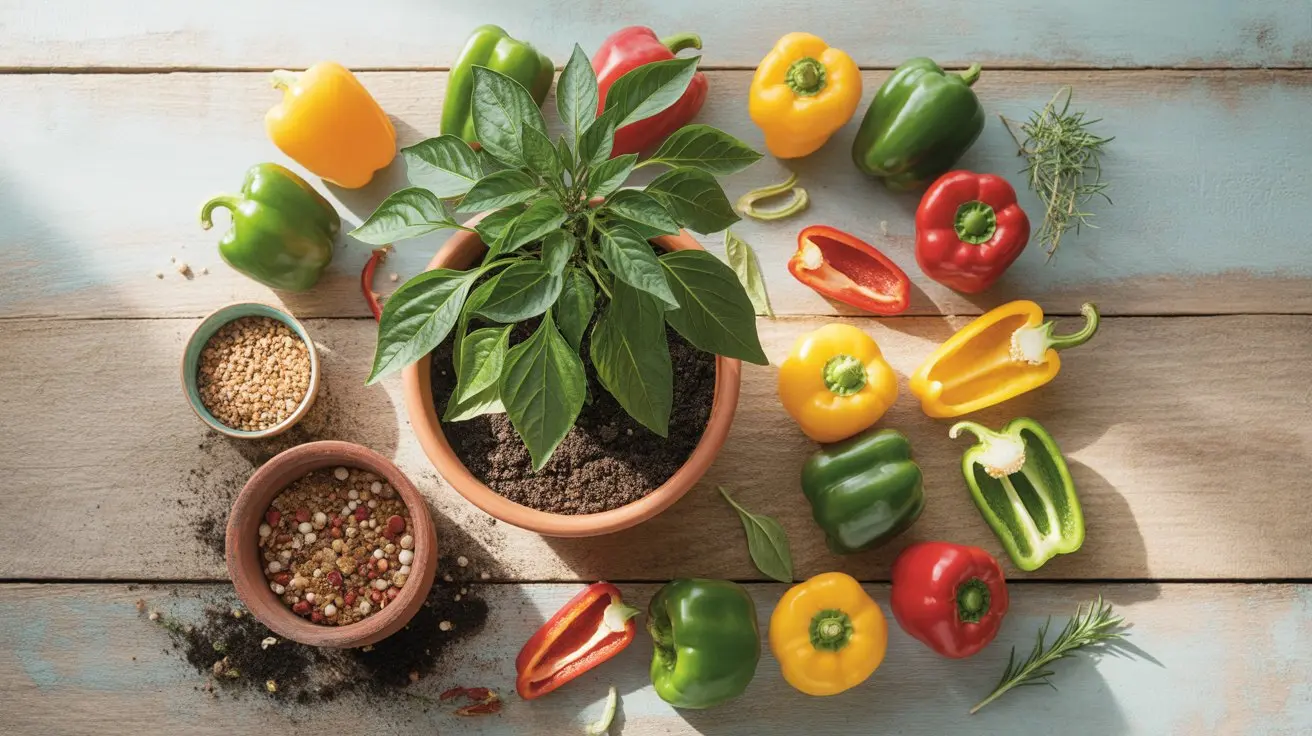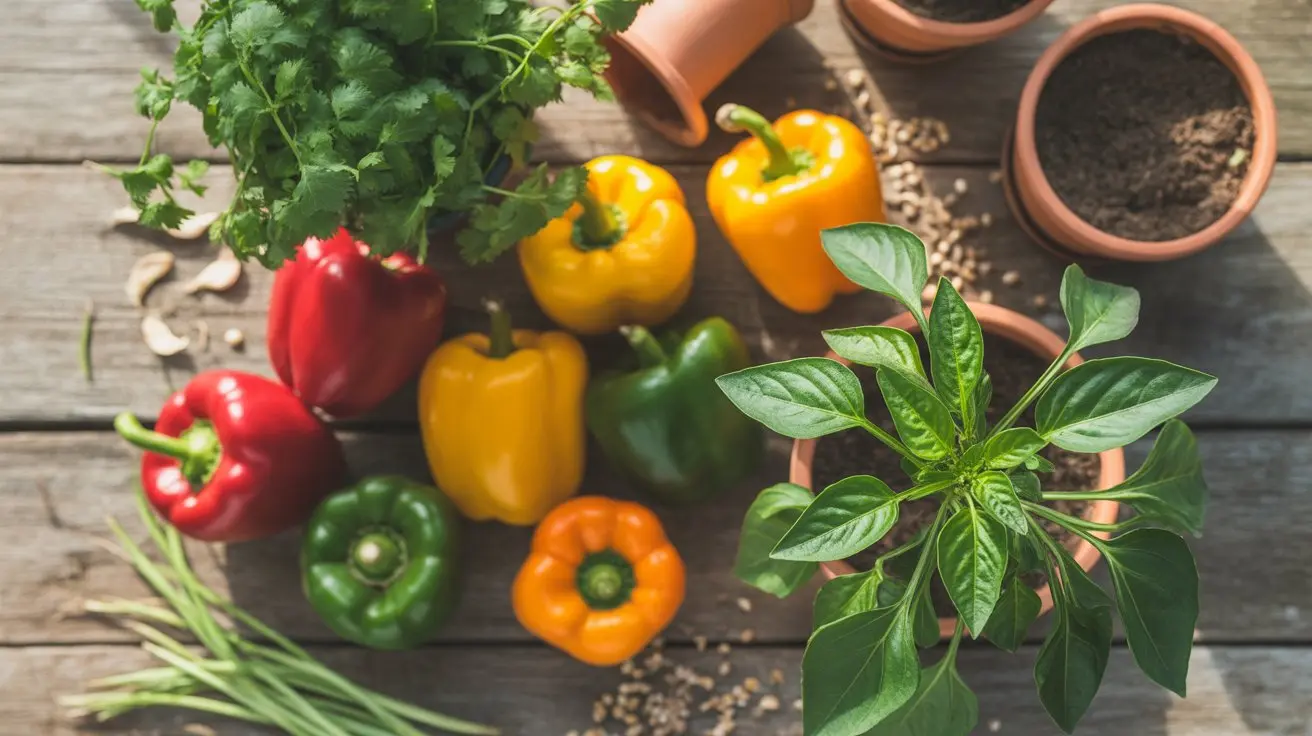

Cayenne Pepper Planting: Fast Hot Pepper Setup for Beds and Pots
Plant the cayenne pepper profile after frost when soil is near 65 F. Start seeds 8-10 weeks before transplanting, space plants 18-24 inches apart, and add simple support early if you want clean rows of long red pods for fresh use or drying.
Cayenne is a fast hot pepper, but planting still decides the crop
Cayenne pepper planting is simpler than superhot planting because cayenne is a vigorous Capsicum annuum as a cultivated pepper species with narrow pods and a forgiving growth habit. It still needs warm soil, enough light, and spacing that lets branches carry long fruit.
Start seed indoors 8-10 weeks before transplanting, or buy stocky seedlings when your soil is warm. Transplant after frost risk has passed and the soil is near 65 F.
This guide covers the planting setup. For full-season care, pruning, drying, and harvest timing, use the broader cayenne growing guide after the plant is established.
Seed starting and transplant timing
Cayenne seed usually starts faster than many superhot peppers, but it still wants warmth. Use a warm seed-starting tray and move seedlings into bright light as soon as they emerge.
Count backward from your outdoor window using a our pepper growing calendar. Cayenne seedlings should be sturdy before planting, not tall and stretched.
Harden seedlings before full sun. Even an easy pepper can lose leaves if it moves straight from indoor light to a hot bed, so use the same our hardening-off guide rhythm you would use for slower varieties.
If your seedlings are already flowering indoors, pinch only weak flowers and fix the light or pot-size problem. The planting goal is a strong root system, not the earliest possible flower.
Spacing and row layout
Space cayenne plants 18-24 inches apart. The plants are usually narrower than bell peppers, but long pods and repeated harvests make access important.
Use a string line or simple stakes if you plant a row. Straight rows make watering, weeding, and picking easier, especially when the plants start producing red pods every few days.
If you are mixing peppers, keep cayenne near other upright hot peppers. It pairs well with our serrano profile spacing, while blocky fruit plants may need more support and airflow.
For a long row, leave enough room to walk one side during harvest. Cayenne pods ripen over many pickings, so access matters more than squeezing in one extra plant.
Soil, sun, and water at planting
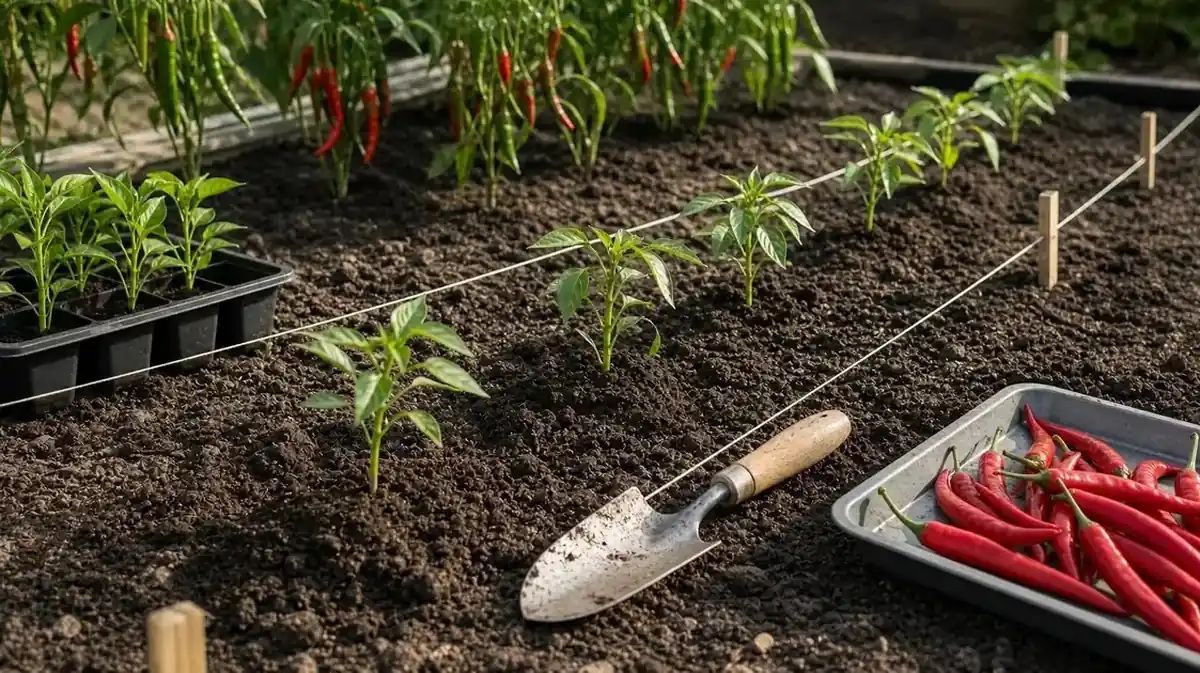
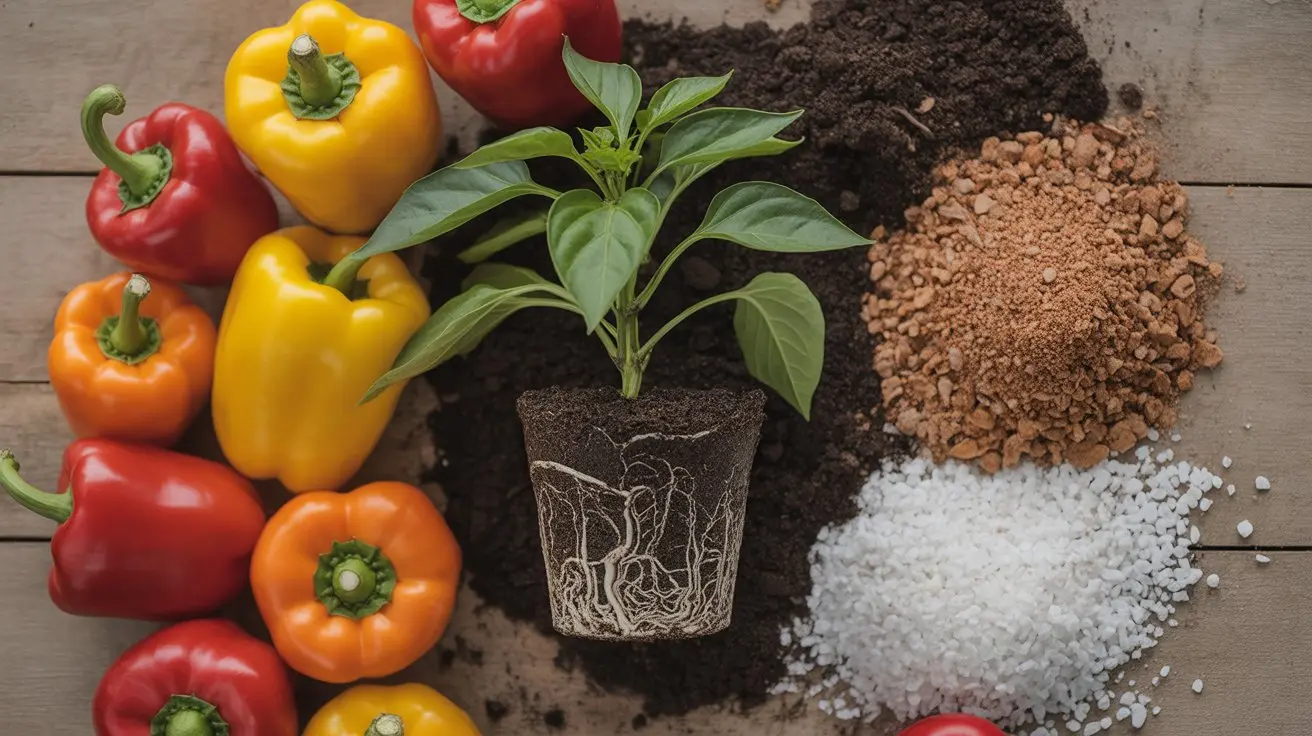
Choose full sun and well-drained soil. Cayenne peppers are productive, but they stall in cold, soggy beds.
Water the planting hole, set the seedling at pot depth, then water again after backfilling. That same our pepper transplanting guide pattern protects the root ball without burying the stem too deep.
After planting, keep moisture steady while roots establish. Once the plant is growing, deep watering is better than daily sprinkles.
Avoid planting cayenne in a low, wet spot just because it is available. Fast-growing annuum peppers still slow down when oxygen disappears from the root zone.
Containers and small-space planting
Cayenne does well in containers because the plant is productive without needing the root volume of a large bell or superhot. A 3-5 gallon pot can work, but a 5-7 gallon pot gives better moisture stability.
Use the same drainage rules as growing peppers in containers. A pot with poor drainage can drown cayenne roots faster than a garden bed.
Place the container where the plant gets strong sun and airflow. Patio heat can dry pots quickly, so check the root zone more often during fruiting.
If the pot tips in wind, add a heavier outer cachepot or stake the plant early. Long cayenne branches can act like levers once they are loaded with fruit.
Support and early pruning decisions
Cayenne branches look light early, then bend once long pods set. Add a stake or small cage at planting time if your garden gets wind.
Do not prune hard at transplanting. Let the plant recover and branch naturally first. If you remove damaged lower leaves, keep enough canopy to feed early growth.
For rows, support matters most when pods ripen together. A simple stake line keeps branches from leaning into paths and makes harvest cleaner.
Do not top every cayenne plant by default. In short seasons, removing the growing tip can delay the first usable pods. Let the transplant establish before deciding whether shaping is worth it.
Planting for fresh use or drying
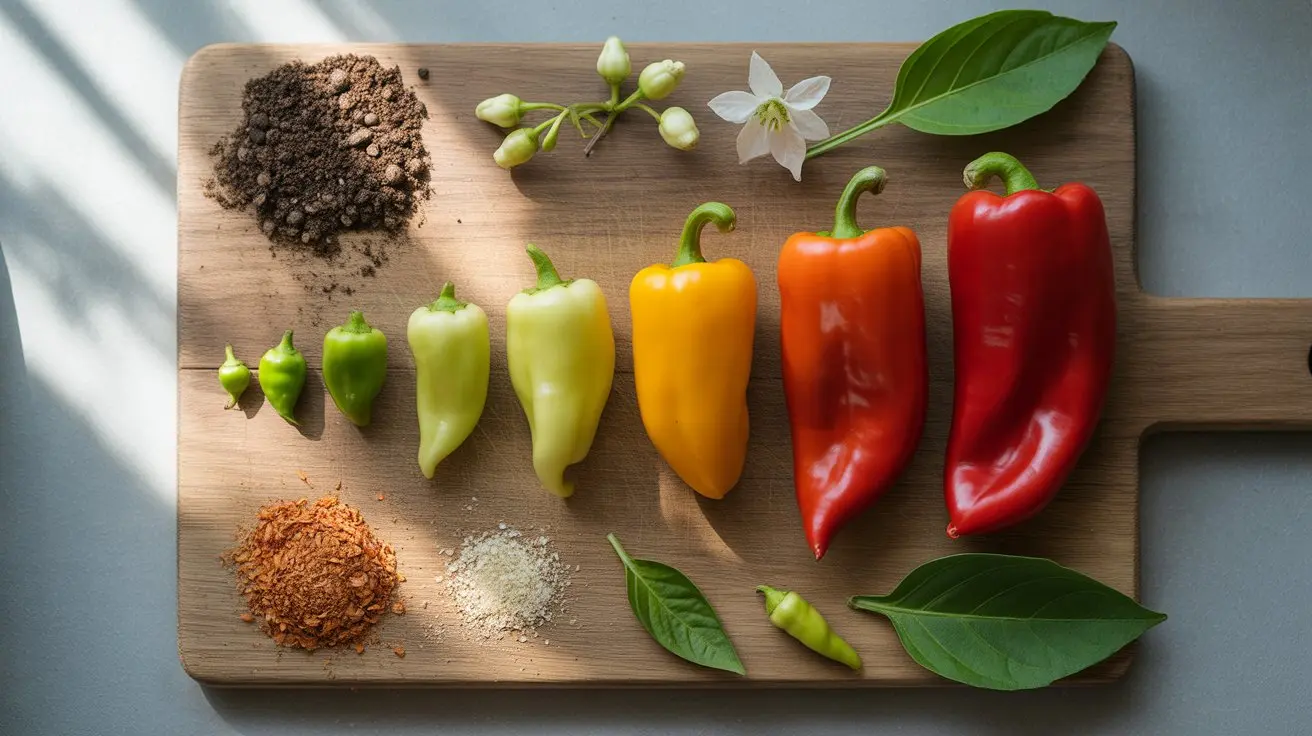
If you want fresh green cayennes, plant enough for repeated small harvests. If you want red pods for flakes or powder, give the plant time and sun to ripen fruit fully.
Cayenne is one of the easier peppers to dry because the pods are thin. After planting, keep the plant healthy through ripening, then use a real the pepper-drying guide method when pods turn red.
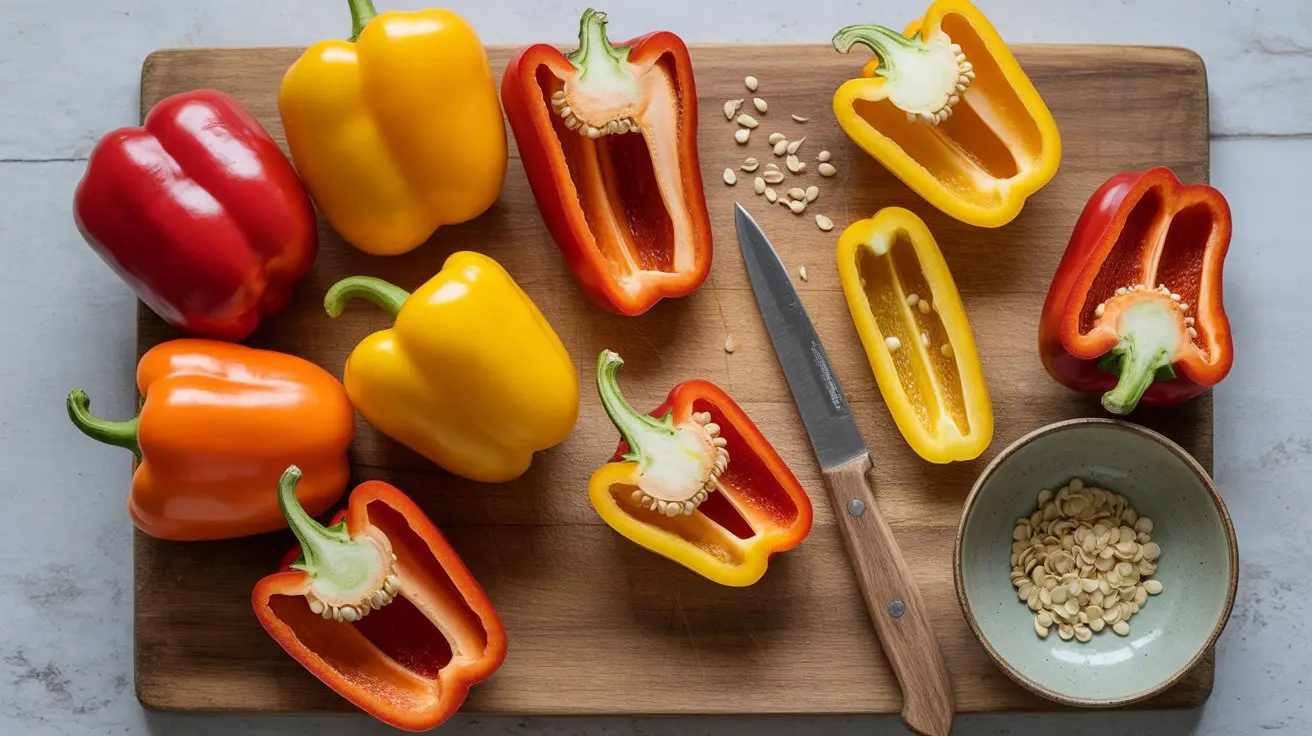
For powder, clean ripe pods and dry them fully before grinding. The finished heat sits in the same family as the the Cayenne Pepper variety profile, but your exact batch depends on cultivar, weather, and harvest timing.
Transplant-day checklist for cayenne
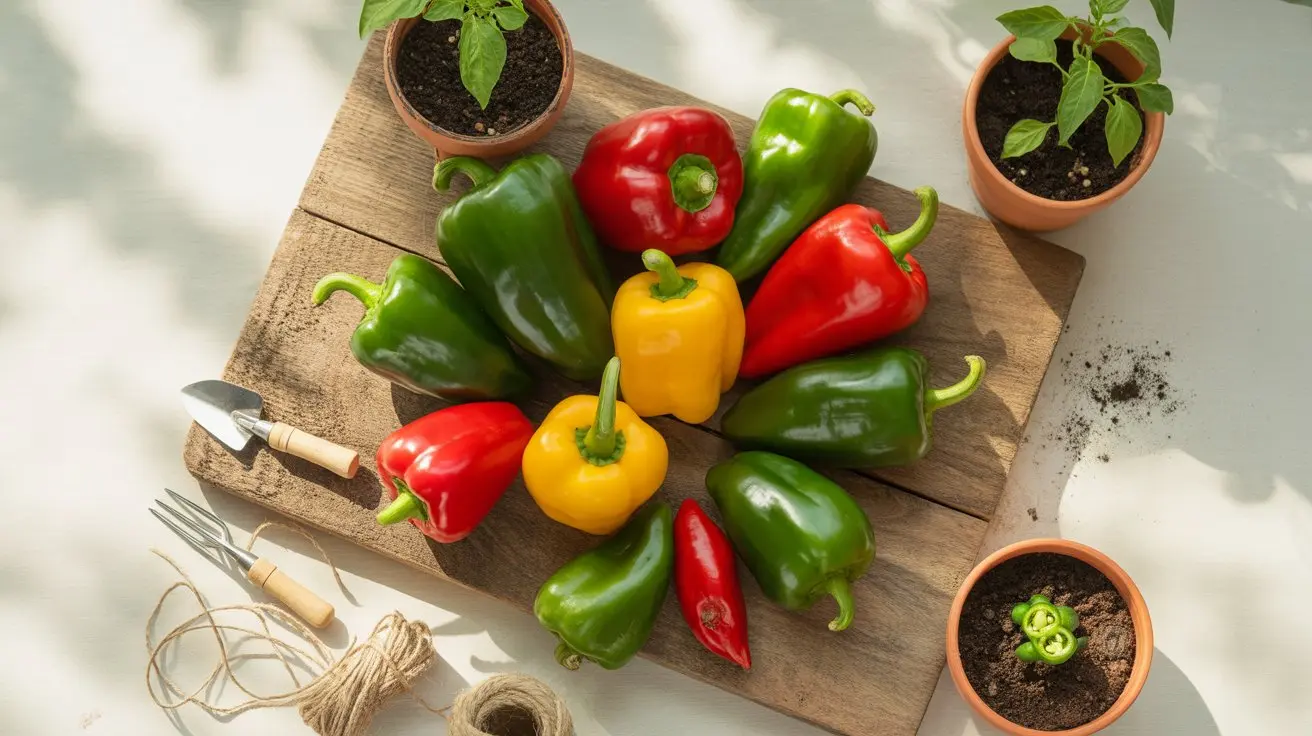
Before planting, set out the seedlings, water, trowel, labels, and supports. A short checklist keeps the roots from sitting exposed while you search for tools.
Plant in the evening or on a cloudy day if the forecast is hot. Water the tray first, lift each plug by the root ball, and firm soil around the transplant without pressing the stem. If the weather turns dry right after planting, follow a steady pepper watering rhythm until new growth appears.
Label each row if you grow several hot peppers. Young cayenne can look similar to other annuum seedlings, and a clear label helps later when you choose pods for fresh cooking, drying, or seed saving.
What to watch after planting
A good transplant should add new growth within 1-2 weeks. If it stays pale or floppy, check cold soil, wet roots, or a root-bound plug.
Early flower drop is less worrying than poor new growth. Cayenne usually resets flowers once the plant is established and weather steadies.
If leaves curl, yellow, or show chewing damage, inspect water first, then pests. The pepper pests and diseases guide is useful after you rule out the simple planting problems.
Once the plant is established, the job changes from planting to harvest rhythm. Pick some green pods for fresh heat, then leave later pods to ripen red for drying and powder.