
Does Chili Powder Go Bad? Shelf Life, Stale Signs, and Storage
Dry chili powder rarely goes bad in the food-safety sense, but it loses aroma, color, and heat as it sits. Use ground chili powder within 6-12 months for best flavor, replace it if it smells flat or dusty, and discard it if you see moisture, clumps from dampness, mold, or insects.
Chili powder usually gets stale before it gets unsafe
Dry chili powder does not usually spoil like fresh food. If it stays dry, sealed, and free of insects, the main problem is quality loss: weaker aroma, flatter pepper flavor, duller color, and less sharp heat.
That distinction matters because a faded jar may be safe but still ruin a recipe. A pot of chili built on stale powder tastes dusty and thin, while a fresh powder brings red color, pepper aroma, and background heat.
We treat chili powder as a storage-quality decision. If the jar is dry but bland, replace it for flavor. If the jar is damp, moldy, or contaminated, discard it for safety.
How long chili powder keeps good flavor
Ground chili powder is best within 6-12 months after opening. It may remain usable longer, but ground spices lose volatile aroma faster than whole dried peppers because more surface area is exposed to air.
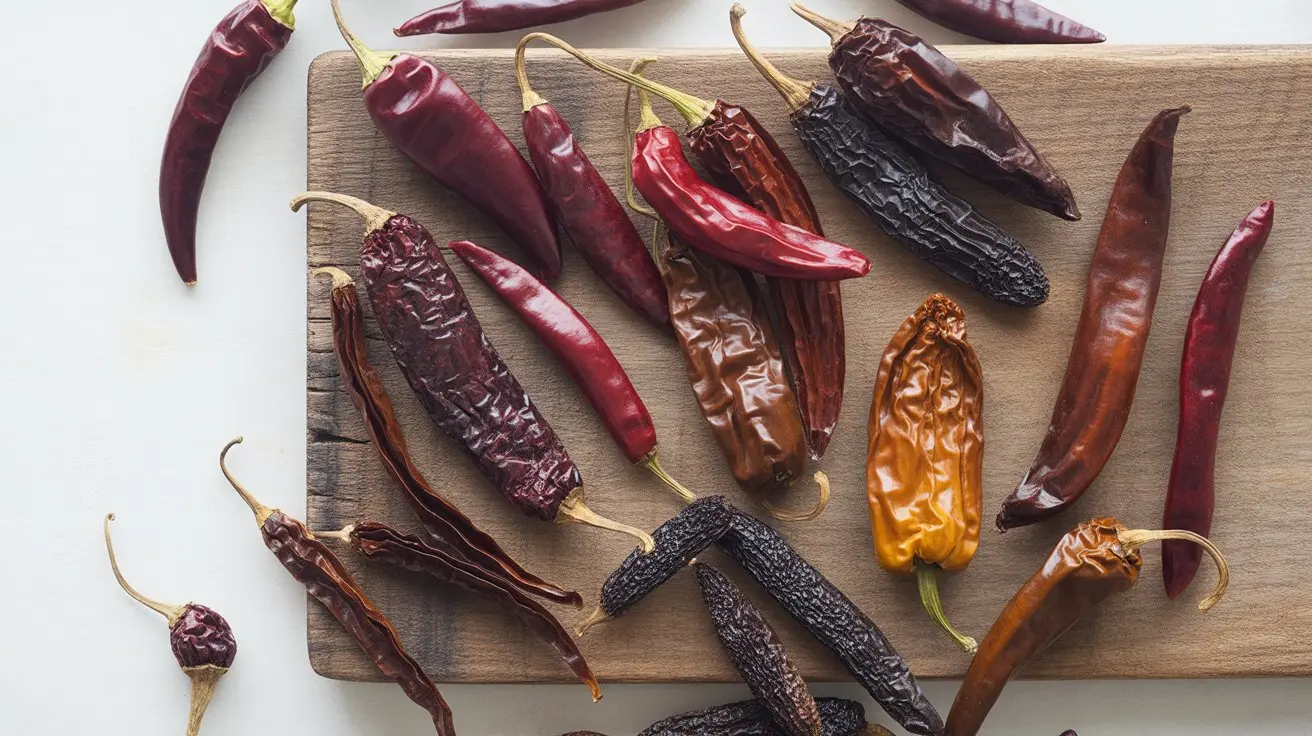
Whole dried chiles keep quality longer, often around 1-2 years when stored in airtight containers away from heat and light. That is one reason we prefer grinding small batches when making homemade chili powder.
The best-by date is a quality clue, not a safety deadline. A jar stored above a warm stove can fade before the date, while a tightly sealed jar in a cool pantry can still smell lively after the printed date.
| Form | Best quality window | What fades first |
|---|---|---|
| Ground chili powder | 6-12 months after opening | Aroma, brightness, sharp heat |
| Single-ingredient chile powder | 6-12 months after opening | Pepper aroma and color |
| Whole dried chiles | 1-2 years when kept dry | Flexibility, color, fruity notes |
| Opened bulk-bin powder | Shortest window | Aroma plus unknown handling quality |
If you cook with chili powder often, write the open date on the jar. That one small label prevents the usual pantry problem: a spice that has been quietly aging for three winters.
Signs chili powder is stale
Stale chili powder smells flat, dusty, or faintly bitter. The color may shift from bright red or brick red to dull brown, and the flavor may taste like dry earth instead of chile pepper.
Rub a pinch between your fingers and smell it. Fresh powder should release pepper aroma quickly. If you have to guess whether anything is happening, the jar is probably too weak for a recipe where chili powder carries the dish.
Heat can fade too, but not always evenly. A stale mild paprika-heavy blend may taste almost sweet and dusty, while an old cayenne-heavy blend may still bite but lose its fruit and aroma. If you need a heat-focused replacement, compare it with a fresh cayenne peppers in full profile powder or a known fresh jar.
Signs chili powder should be thrown out
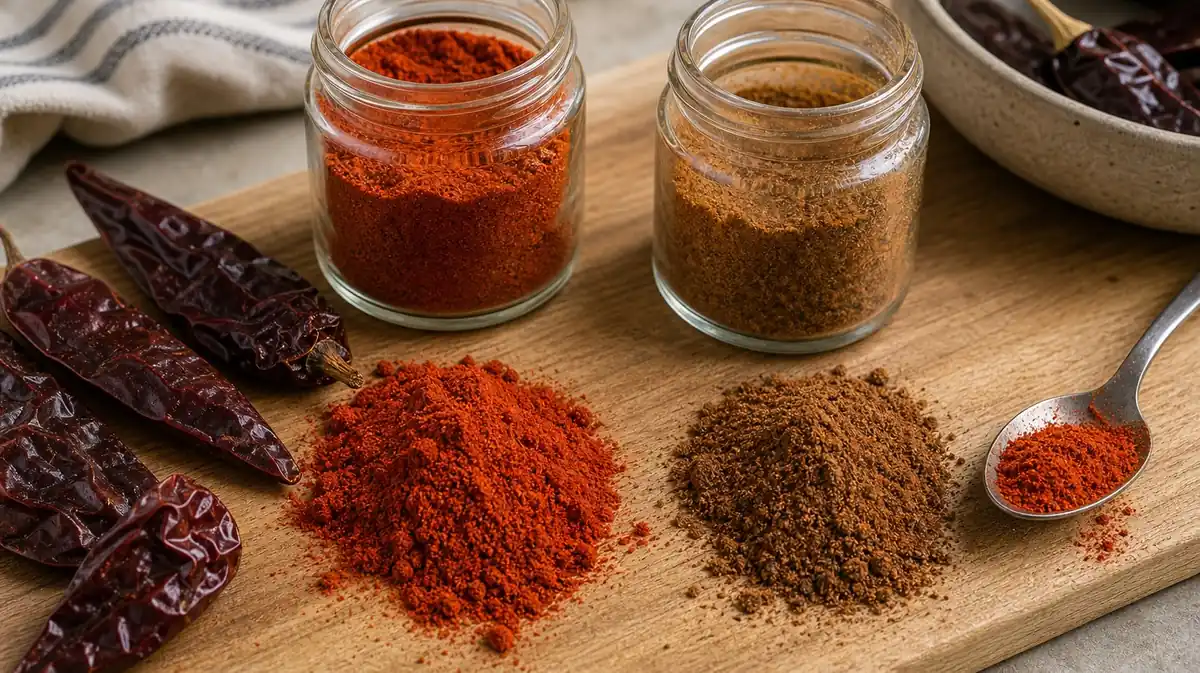
Discard chili powder if you see mold, wet clumps, fuzzy growth, insects, larvae, webbing, or a sour damp smell. Those signs move the jar out of normal staleness and into contamination.
Dry clumps are not always dangerous. Fine powders can cake lightly from pressure or age. Damp clumps are different because moisture lets mold and pantry pests become real risks.
Also throw away any jar that was opened near a spill, steam plume, or flour-heavy prep area and then stored wet. Chili powder is dry by design. Once moisture gets inside, the safe decision is usually replacement.
Do not taste-test chili powder that smells damp or shows visible mold. Replace the jar and clean the shelf so the same moisture or pest problem does not spread.
A cheap new jar is less costly than a batch of chili or sauce that tastes stale, and much less costly than keeping a questionable pantry item.
Why storage location changes shelf life
Air, light, heat, and moisture are the four enemies of chili powder. A clear jar beside the stove looks convenient, but steam and heat shorten the useful flavor window.
Store chili powder in an airtight jar in a cool, dark cabinet. Avoid the shelf above the oven, the ledge over a dishwasher, and any spot where the jar gets hit with direct sun.
Use a dry spoon. Shaking chili powder over a steaming pot can push moisture into the jar, especially if the lid stays open. Spoon the amount into a prep bowl first, then close the jar before cooking.
Keep refill bags sealed too. A fresh jar does not help if the backup bag sits open in a humid pantry or gets clipped with flour-dusted hands.
The same dry-storage logic applies to whole dried pods. Our pepper storage guide covers why airtight containers and low moisture matter for both dried peppers and ground powder.
How to refresh a recipe when the jar is weak
If the jar is merely stale, you can sometimes compensate in low-risk cooking. Blooming the powder in oil for 30-60 seconds can wake up some aroma, but it cannot rebuild volatile compounds that already faded.
For a serious chili, rub, or sauce, replace the powder instead of doubling a tired jar. Doubling stale powder can add bitterness and dustiness without adding the clean pepper flavor you wanted. That bitterness is the replacement signal.
If you need a quick pantry fix, combine a fresh mild red powder with a smaller amount of fresh hot powder. A fresh paprika substitute can help color, while a controlled pinch of cayenne or crushed dried chile can restore heat.
When the recipe depends on dried chile flavor, a dried chili substitute may work better than old chili powder. Whole pods can be toasted, soaked, and blended into a sauce with more depth than a faded spice jar.
What old chili powder does in recipes
Old chili powder usually fails quietly. It does not announce itself with one terrible flavor. It just leaves chili, beans, rubs, and sauces tasting thinner than they should.
In a long-simmered pot, stale powder can disappear behind tomatoes and meat. That is why cooks often add more and more, then end up with bitterness instead of a cleaner chile base. Fresh powder needs less volume because aroma and color are still present.
For a chili recipe, pair fresh powder with the right pepper base instead of relying on a tired blend. Our peppers for chili guide separates mild body-building peppers from hotter accents, which is the same split you need when replacing a stale jar.
Oil-based recipes expose stale powder even faster. A weak jar bloomed into the chili oil recipe can taste flat because there is no broth, tomato, or bean base to hide the missing aroma.
Blend jars need one extra check
Commercial chili powder is often a blend, not just ground chile. It may contain cumin, garlic, oregano, salt, paprika, cayenne, or anti-caking ingredients. Those extra ingredients can fade at different speeds.
A garlic-heavy blend may smell stale before the chile itself seems weak. A paprika-heavy blend may lose color first. A salt-heavy blend can hide flavor loss because the first taste is still salty.
If gluten-free cooking is part of the decision, storage is only one layer. Label claims and ingredient lists belong to our chili powder gluten-free guide, because a dry jar can still be the wrong jar for a strict gluten-free kitchen.
For everyday pantry use, the practical rule is simple: smell, look, then cook a tiny bloom test. If the jar does not smell like chile before it enters the dish, it will not become vivid in the dish.