Is Chili Powder Gluten-Free? Label Checks for Pepper Blends
Pure ground chile is naturally gluten-free, but commercial chili powder may be a spice blend. Check for a gluten-free claim, wheat or barley ingredients, vague seasoning bases, and cross-contact language before using it for someone with celiac disease or strict gluten limits.
The short answer depends on what the jar means by chili powder
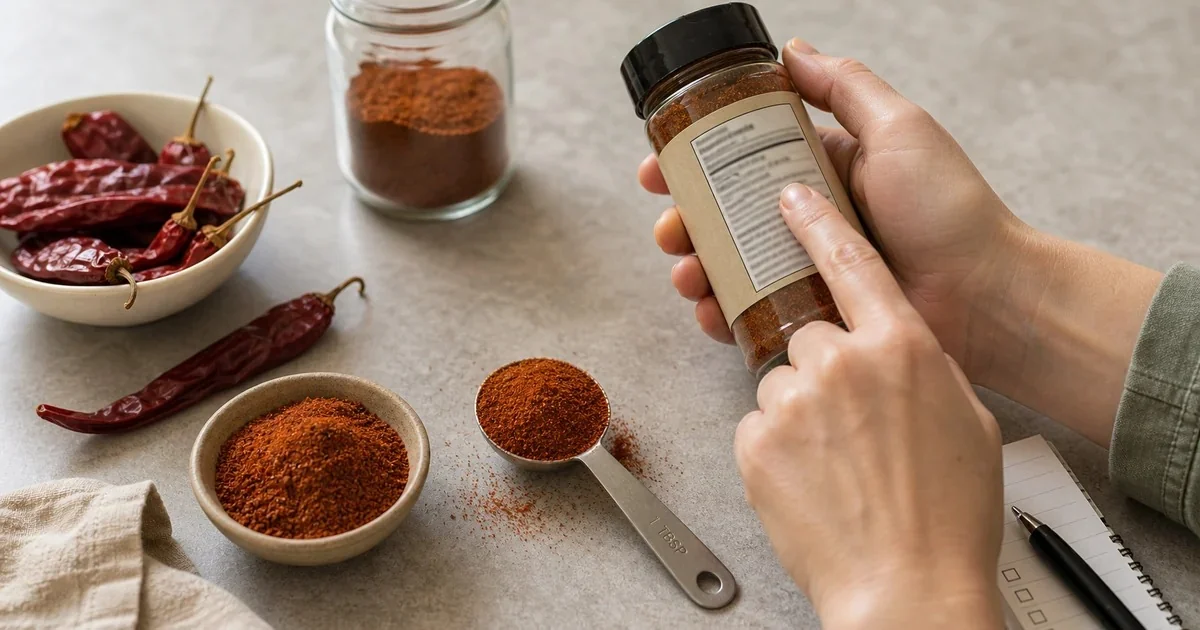
Pure ground dried chile is naturally gluten-free. The caution is that a supermarket jar labeled chili powder often means a seasoning blend, not a single chile powder.
A blend may contain ground chiles, cumin, garlic, oregano, salt, anti-caking ingredients, and sometimes a starch or seasoning base. Most spice ingredients are gluten-free by nature, but wheat flour, wheat starch, barley-derived malt, or cross-contact can change the answer for a strict gluten-free kitchen.
That is why this article covers the label check, not the recipe itself. If you want the simplest controlled option, start with clean dried chiles and make homemade chili powder in a washed grinder.
Pure chile powder versus chili powder blend
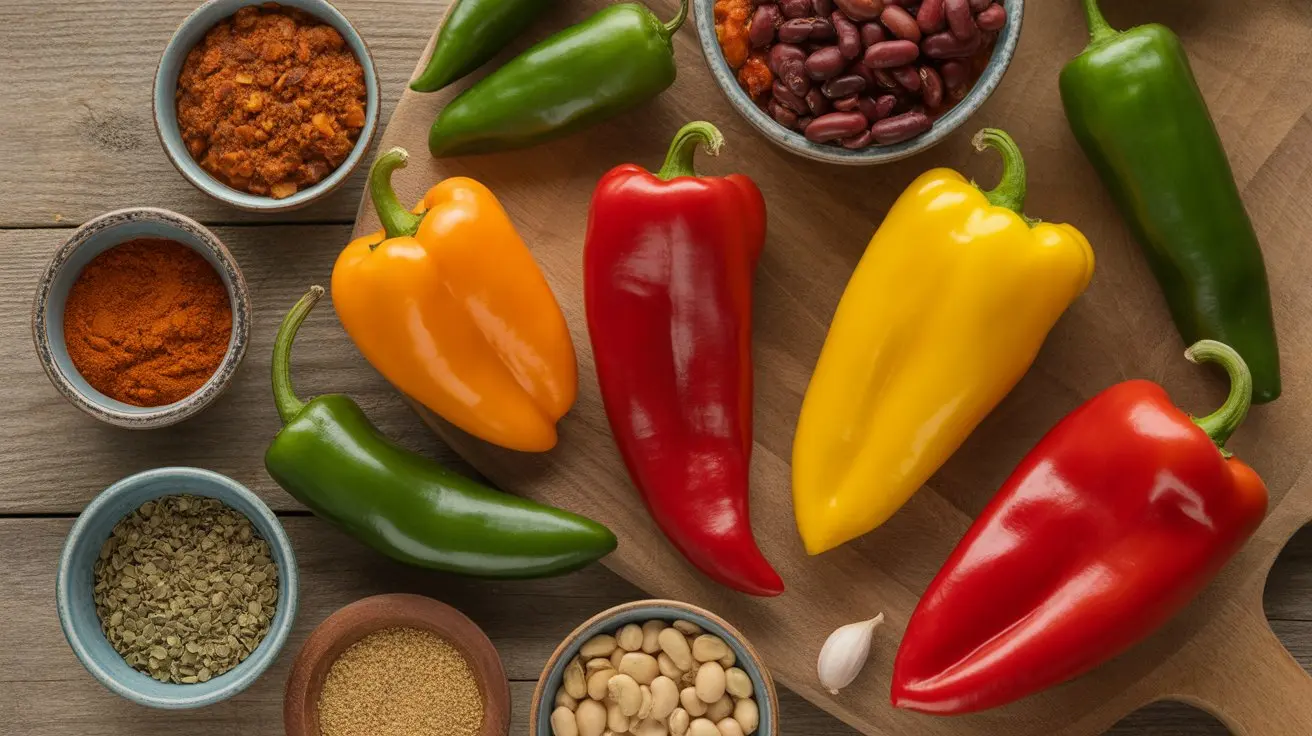
A single-ingredient chile powder should list only the pepper or chile type. You might see ancho chile powder, cayenne powder, chipotle powder, or simply ground red chile. Those products are usually easier to evaluate because there is no seasoning blend hiding the actual ingredients.
A chili powder blend is different. It is made for chili, taco seasoning, rubs, and pantry shortcuts, so the label may include multiple spices and carriers. A mild blend may lean on paprika, while a hotter blend may include cayenne peppers in full profile or crushed dried chile for heat.
We separate those two jars before deciding. If the label says chile powder with one ingredient, the gluten question is mostly about processing and cross-contact. If the label says chili powder and lists a blend, every ingredient needs a quick scan.
What a gluten-free claim tells you
In the United States, FDA gluten-free labeling rules allow a food to carry a gluten-free claim only when it meets the rule's gluten limit of less than 20 parts per million. That makes a labeled gluten-free chili powder more useful than a jar that merely has no obvious wheat ingredient.
The claim still does not make the spice better, hotter, or more authentic. It only tells you the product is making a specific labeling claim. For celiac disease, that difference matters because tiny amounts of wheat flour or shared-line residue can be more important than the flavor profile.
Look for exact wording such as gluten-free, certified gluten-free, or made in a gluten-free facility. If the jar only says all natural, no MSG, vegan, or organic, treat those as unrelated claims. They do not answer the gluten question.
Ingredient-list red flags
Read the ingredient list before the front label. Watch for wheat flour, wheat starch, malt, barley malt, brewer's yeast, hydrolyzed wheat protein, or vague seasoning bases that do not explain their source.
Also check the allergen and facility statement. A jar that says processed on shared equipment with wheat is not the same risk level as a jar made in a dedicated gluten-free facility. For someone who only avoids gluten casually, that may be acceptable. For someone with celiac disease, it is a real buying decision.
Spice blends can also be contaminated at home. A spoon that touched flour, a grinder used for breadcrumbs, or a bulk-bin scoop shared between products can move gluten into an otherwise safe chile powder. Keep gluten-free spice jars closed, dry, and separate from flour-heavy prep areas.
A safer buying checklist
Use the label in this order: claim, ingredients, facility language, then brand support. The order matters because a familiar brand name does not replace the actual jar in your hand.
- Choose a jar with a clear gluten-free or certified gluten-free claim when cooking for celiac disease.
- Prefer single-ingredient chile powder when the dish does not need a full seasoning blend.
- Avoid wheat, barley, malt, wheat starch, or unnamed seasoning bases.
- Be cautious with bulk-bin spices because scoop control is hard to verify.
- Store the jar away from flour, breadcrumbs, and shared measuring spoons.
This checklist also helps when you are choosing substitutes. A clean paprika substitute or dried chili substitute can be safer than a mystery blend when the recipe only needs color or pepper heat.
When making your own is the cleanest route
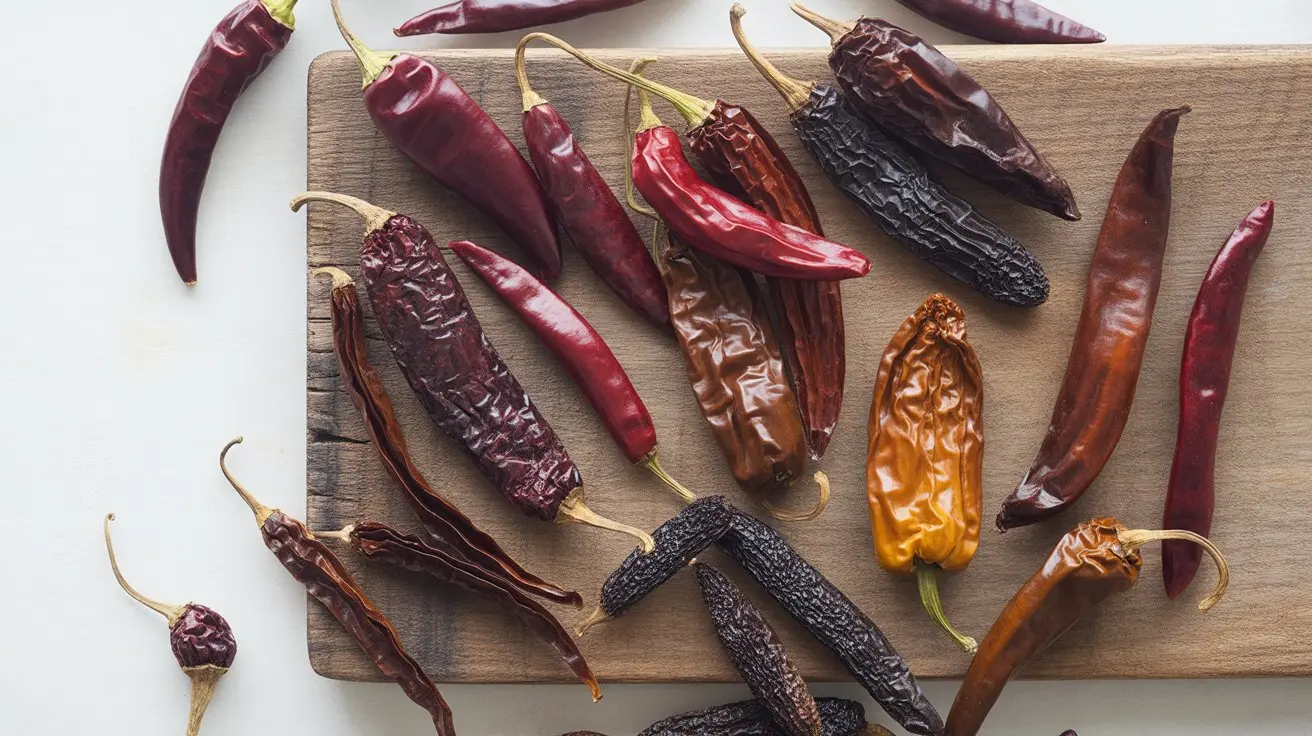
DIY chili powder gives you control over ingredients, heat, and equipment. We dry or buy whole dried chiles, inspect them, toast lightly if the recipe needs it, then grind only those peppers with clean tools.
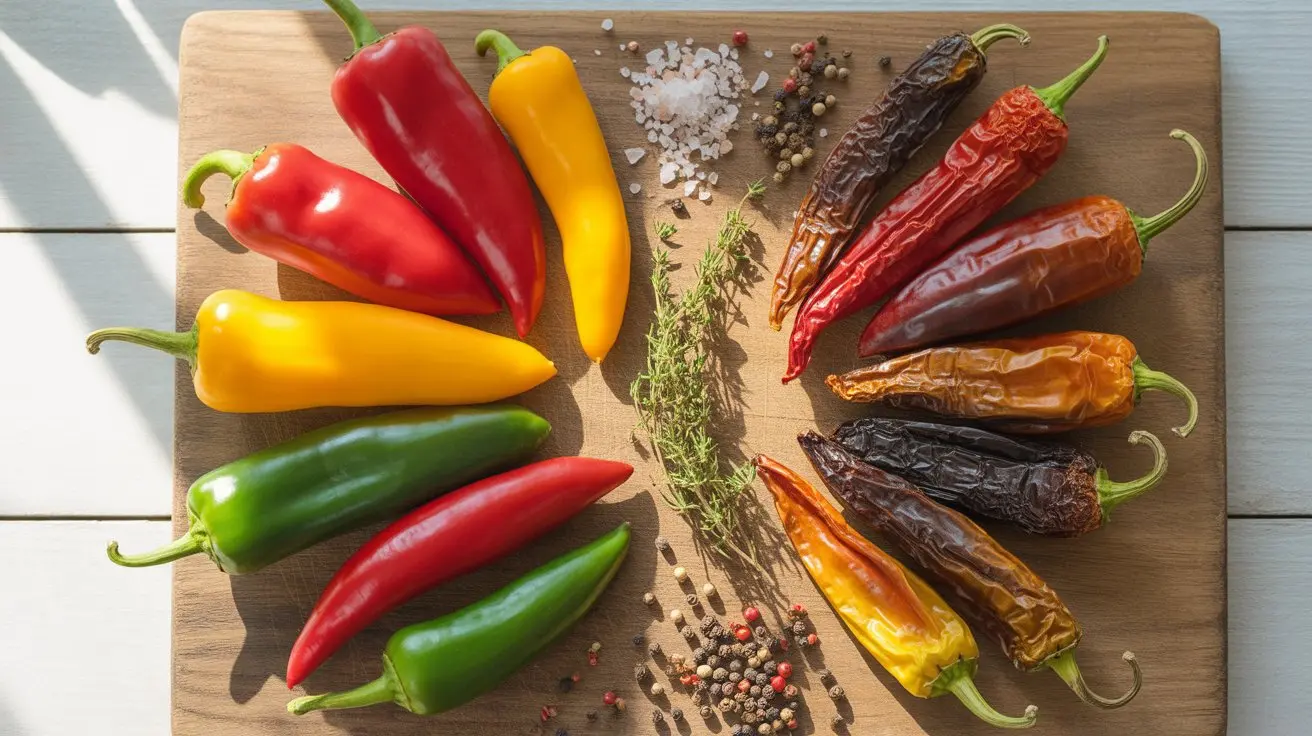
For a mild red powder, use paprika-style dried peppers or sweet red chiles. For medium heat, add ancho, guajillo, or fresh jalapeno peppers that has been smoked into chipotle. For a sharper hot blend, use cayenne in small amounts and build up slowly.
Dry storage matters after grinding. Keep the powder in an airtight jar, away from steam and light, and use clean measuring spoons. Our pepper storage guide covers the same moisture problem for whole and ground peppers: damp spices clump, stale faster, and invite pantry mistakes.
Recipe context changes the safer choice
Chili powder is not used the same way in every recipe, so the gluten-free decision should follow the job of the spice. In a pot of chili, a prepared blend may supply cumin, garlic, oregano, and mild red chile all at once. In a dry rub, the same blend may be mixed with brown sugar, salt, and other seasonings that make label reading harder.
If the recipe already has separate cumin, garlic, and oregano, a single-ingredient chile powder is usually easier to control. Use ancho or paprika-style powder for color, cayenne for sharper heat, or a small amount of chipotle powder when smoke is part of the dish.
For pepper-forward cooking, this also protects flavor. A clean dried-chile powder lets the dish taste like the chile, not like a generic taco-seasoning base. That matters in peppers for chili, where mild dried peppers build body while hotter peppers add only a small amount of heat.
Liquid recipes need the same caution. If you bloom chili powder in oil, the jar's ingredients become part of the final sauce. A gluten-free kitchen making the chili oil recipe should use a labeled gluten-free powder or freshly ground dried chiles, then keep the spoon and jar away from flour dust.
Do not rely on claims that solve a different problem. Salt-free, organic, non-GMO, vegan, keto, or no artificial colors can all appear on a spice label without saying anything about gluten. Those claims may be useful for other reasons, but they do not replace ingredient and facility checks.
Also be careful with restaurant or shared-kitchen chili powder. A cook may honestly say the blend has no flour, while the container was refilled from a bulk bag or scooped near wheat products. For strict gluten-free cooking, unopened labeled jars are easier to trust than open communal seasoning bins.
How to decide in a real kitchen
If you are cooking for someone with celiac disease, buy a labeled gluten-free jar or make a single-ingredient powder with dedicated tools. That is the cleanest decision because the risk is not the chile pepper. The risk is the blend and the handling chain.
If you are cooking for general preference and the label has no wheat, barley, malt, or shared-equipment warning, many chili powder blends will be fine. Still, do not assume every jar is the same. Chili powder is a category label, not a fixed recipe.
The swap test is simple: remove the gluten-free claim from the jar and ask whether the ingredient list still proves the answer. If it does not, pick a clearer product.