
Homemade Chili Powder From Whole Dried Peppers
Homemade chili powder works best when you blend mild, fruity dried chiles with a smaller amount of hot pepper. Toast briefly, grind only fully dry peppers, let dust settle before opening the grinder, and store the powder in a tight jar away from heat and light.
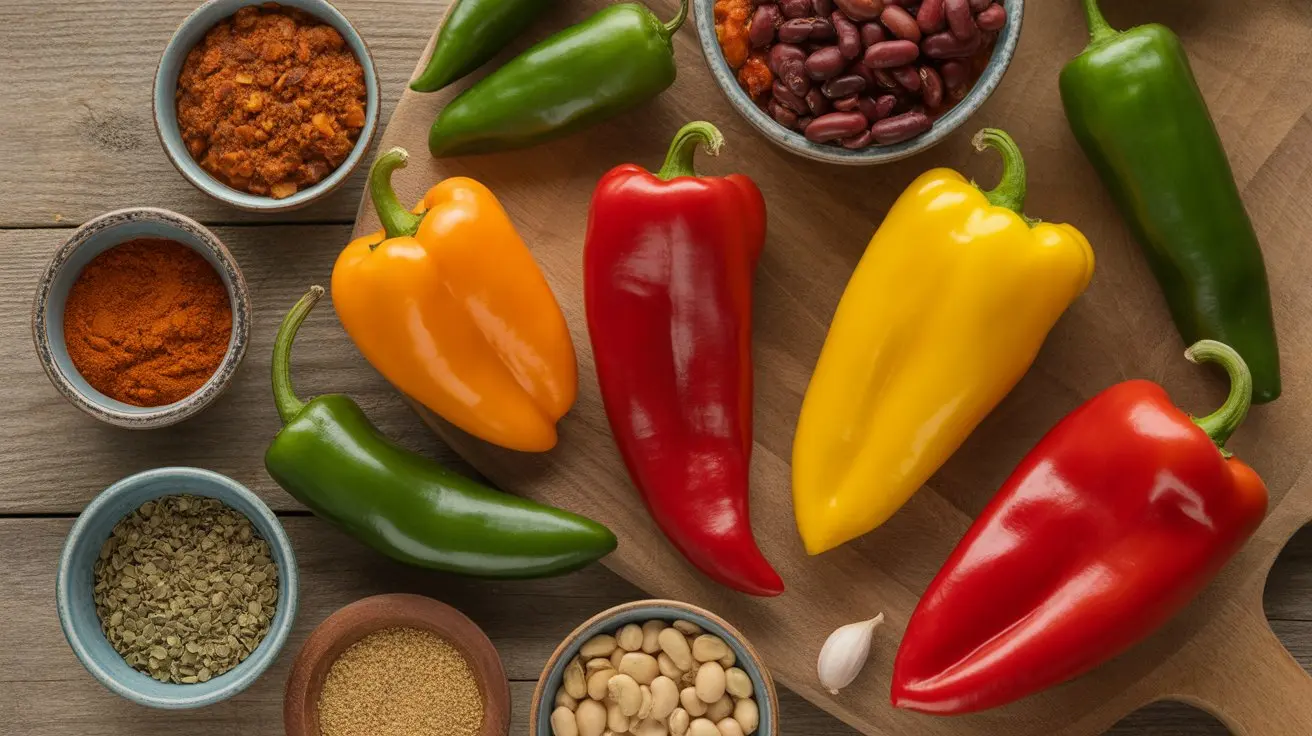
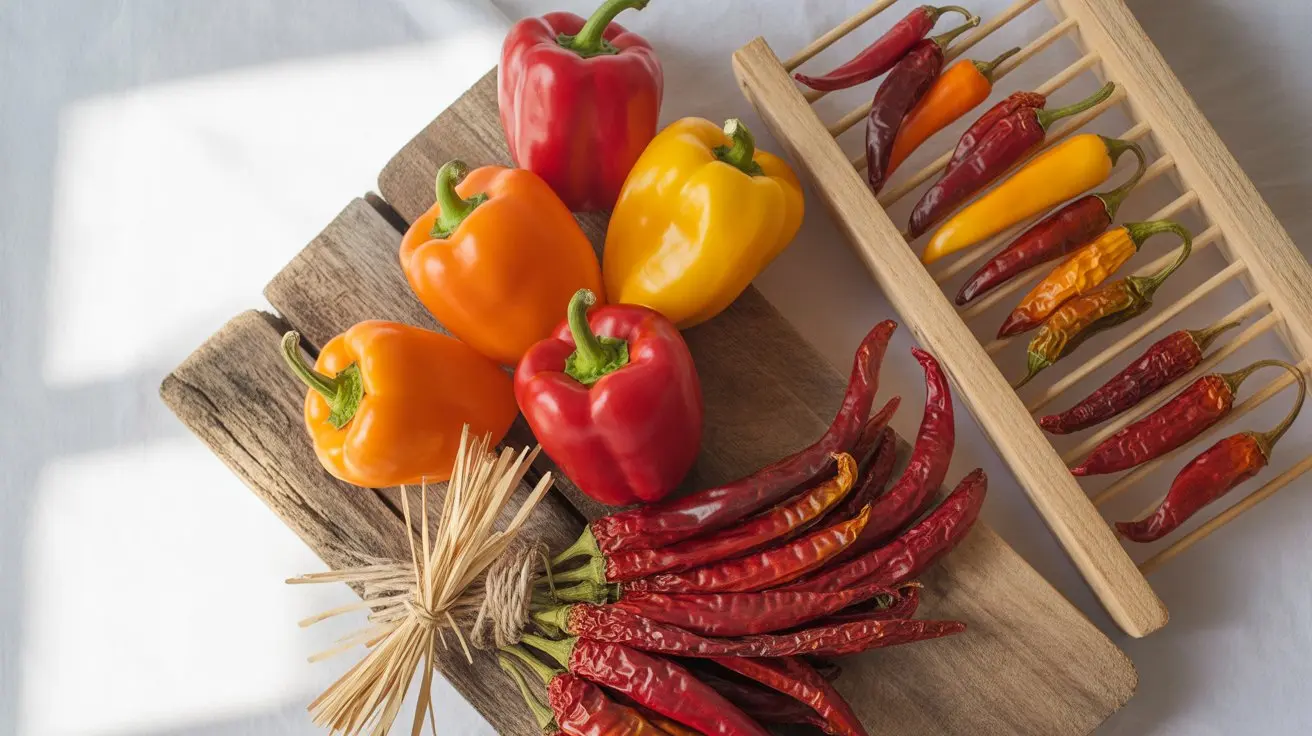
Homemade chili powder from whole dried peppers is easiest to control when each chile has one clear job. Mild pods provide body, aromatic pods add fruit and depth, and a much smaller hot portion sets the burn.
Package wording can cause confusion. A jar labeled chile powder may contain one ground pepper, while American-style chili powder usually combines ground chiles with cumin, garlic, oregano, and sometimes salt. This method builds the chile base first, then adds those seasonings only if the finished dish needs them.
Measure by weight when possible because one ancho can outweigh several chiles de árbol. A practical starting formula is 4 parts mild base, 2 parts aromatic chile, and ¼ to 1 part hot chile. Begin at the low end of the hot range, grind, taste the powder in food, and increase it in the next small batch.
A 60-gram trial batch is large enough to evaluate and small enough to correct: 40 grams of base chiles, 20 grams of aromatic chiles, then 2-10 grams of hot or smoked chile according to the heat target. Work with fully dried pods, cool them after toasting, and keep the grinder closed for a minute so fine chile dust can settle.
Balance body, fruit, and heat
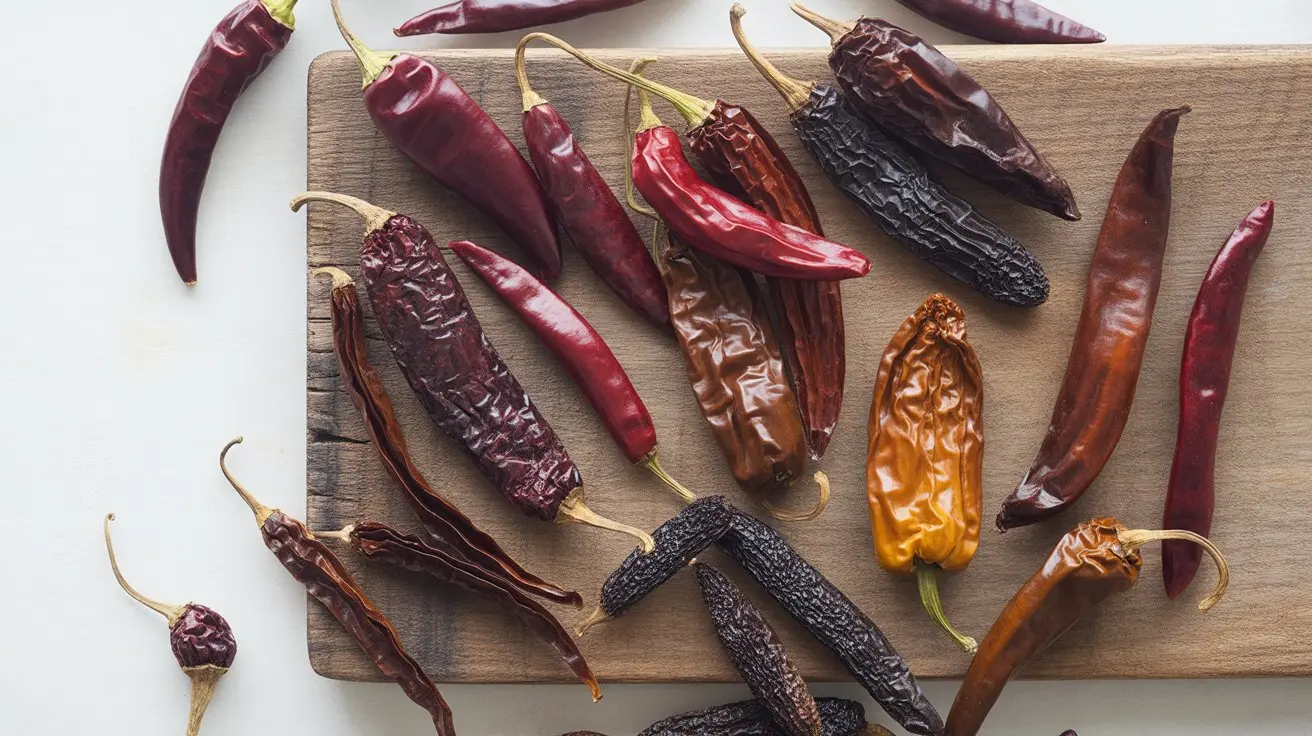
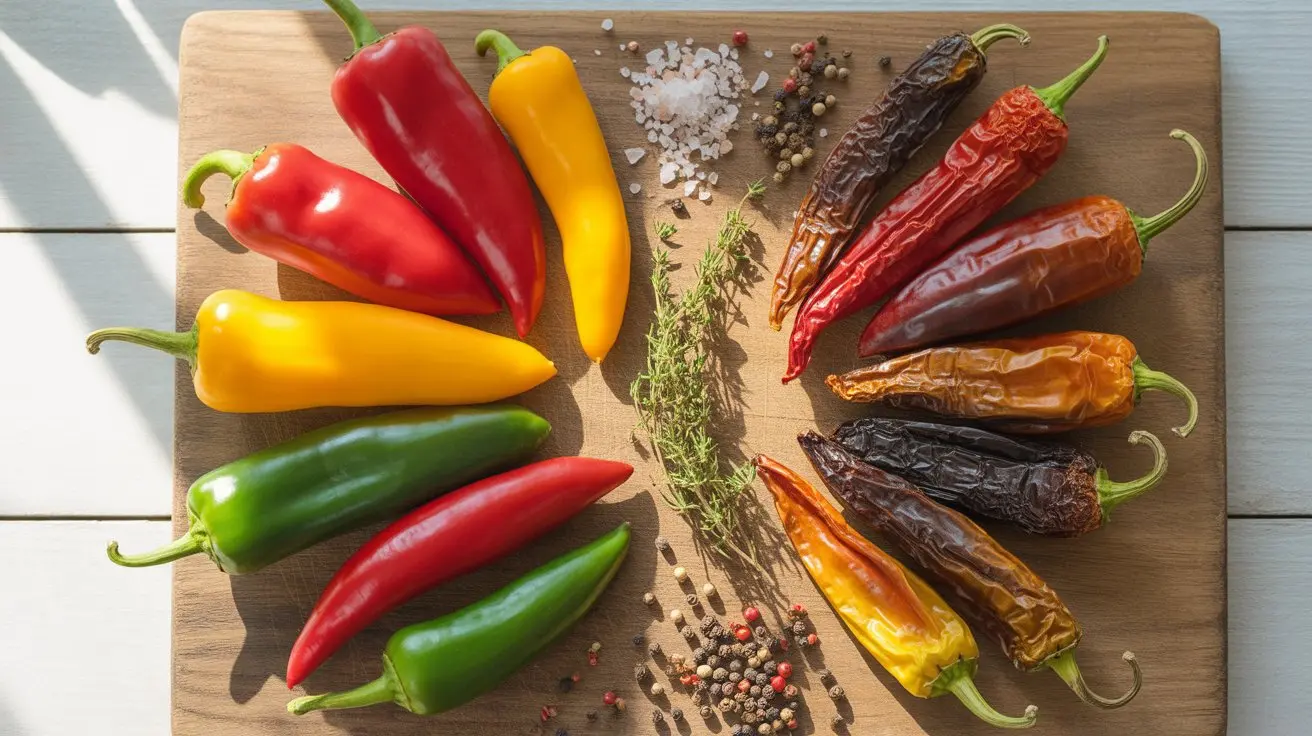
The blend becomes easier to adjust when peppers are chosen by function instead of reputation. Two or three compatible varieties usually give a clearer result than a crowded mixture where no chile remains recognizable.
| Blend job | Useful whole dried chiles | Starting share | What changes in the powder |
|---|---|---|---|
| Body and color | sweet ancho chile or mild New Mexico chile | 55-65% | Sweet depth, red-brown color, and enough volume to carry hotter accents |
| Fruit and aroma | bright guajillo chile or earthy pasilla chile | 25-35% | Berry, raisin, tea, or bright red-chile notes that keep the base from tasting flat |
| Heat or smoke | sharp chile de árbol, clean cayenne heat, or smoky chipotle | 5-15% | Sharper heat, smoke, or both; the effect rises quickly because these chiles are concentrated |
For a mild table blend, start with 4 parts ancho, 2 parts guajillo, and ¼ part de árbol. A warmer version can raise de árbol to ½ part. For smoke, replace part of the hot chile with chipotle rather than adding chipotle on top of the full hot portion.
The percentages are starting points, not claims that every crop tastes identical. Pod size, growing conditions, and storage age change aroma and heat. When swapping the hot portion, compare the peppers by their Scoville heat range instead of assuming equal weights will burn alike. Grind a small trial, then judge it in a spoonful of warm beans, broth, or oil because dry powder on the fingertip exaggerates bitterness and hides how the blend behaves in food.
Keep the distinction between a single chile and a seasoning blend clear. The difference between ancho powder and chili powder matters when a recipe already contains cumin and oregano; adding a fully seasoned blend can double those flavors.
Check pods before toasting
Grinding requires drier pods than many whole-chile recipes. A leathery ancho can be excellent for rehydrating, yet it will smear inside a grinder and trap moisture in the powder. The pod should tear or snap cleanly, and the pieces should feel dry rather than tacky.
- Surface: no damp patches, oily-looking spots, or condensation inside the package.
- Aroma: clean dried-fruit, tea, smoke, or pepper notes; no musty or basement smell.
- Interior: no fuzzy growth, insect webbing, clustered eggs, or unusual powder around the stem.
- Texture: brittle enough to grind after stems are removed; pliable pods need more drying time.
- Color: normal variation is acceptable, but spreading gray or white patches require discarding the pod.
Toasting cannot make moldy or insect-damaged chiles suitable for use. Discard affected pods and inspect the rest of the package instead of trimming around a suspicious patch.
If sound pods still bend, finish drying the peppers completely before grinding. Let them cool to room temperature after the dryer or oven. Warm pods can release moisture into a closed grinder or storage jar, which works against the dry conditions recommended by the National Center for Home Food Preservation.
Capsaicin dust deserves a separate check. Wear gloves for hot varieties, provide ventilation, and keep hands away from the eyes and face. A dedicated grinder is sensible for very hot chiles because fine residue can remain around the lid and gasket; the handling principles follow the same precautions used for concentrated capsaicin contact.
Toast and grind without scorching
Remove stems before heating. Shake out loose seeds when a smoother powder is the goal, but do not treat seeds as a reliable heat control. Most capsaicin forms in the pale inner tissue, and residue coats nearby seeds, so removing the placenta changes heat more than counting seeds.
Use a dry skillet over low to medium heat. Press each opened pod against the pan for roughly 10-30 seconds per side, stopping when the aroma becomes fuller and the surface begins to soften or puff. Thin guajillos react faster than thick anchos, so toast by smell and appearance instead of forcing every variety onto one timer.
Black spots, smoke, and an acrid smell mean the chile has gone too far. A scorched pod can make the whole batch bitter, and extra cumin or salt will not remove that taste. Replace it before grinding.
Cool toasted pieces completely, then break them into sizes the grinder can circulate. Pulse for a few seconds, stop, shake the chamber, and pulse again. Continuous grinding heats the powder and pushes light fragments against the lid while heavier pieces remain below the blade.
After the last pulse, leave the lid closed for 60 seconds. Open it away from the face, especially when the blend contains de árbol or cayenne. Sift through a fine mesh, return only the coarse pieces to the grinder, and combine the passes once the texture is even.
Grinding hot chiles separately gives the cook another control point. Finish the mild and aromatic base first, then stir measured teaspoons of hot powder into a weighed portion. That approach prevents one unexpectedly hot pod from setting the heat level for the entire jar.
Add seasonings after the chile base
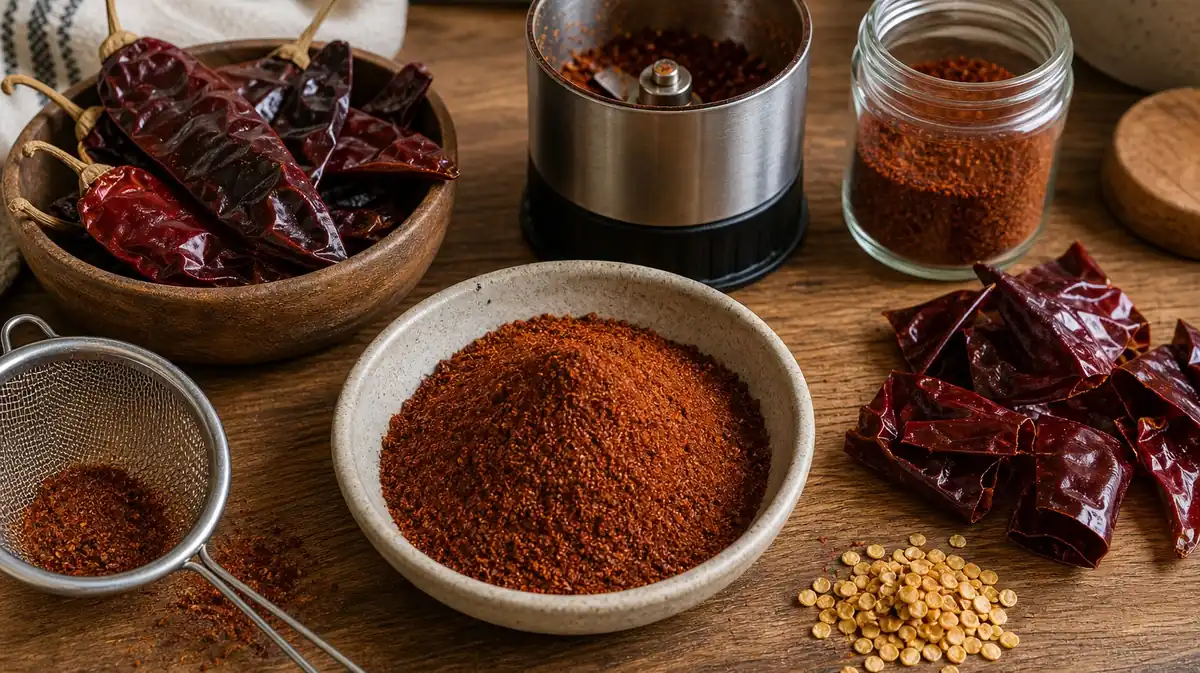
Taste the pure chile mixture before adding cumin, garlic, oregano, onion, or salt. The base may already suit enchilada sauce, chile paste, or a recipe that supplies its own aromatics. Seasoning too early makes it harder to tell whether the peppers themselves are balanced.
For an American-style blend, a restrained starting ratio is 3 tablespoons ground chile base, 1 teaspoon cumin, ½ teaspoon garlic powder, and ½ teaspoon Mexican oregano. Add salt only when the powder will serve as a complete seasoning; leaving it out gives better control in soups, rubs, and sauces that reduce during cooking.
Mix seasonings after sifting so fine garlic or cumin does not pass through while coarse chile pieces remain behind. Stir with a whisk in a wide bowl, wait for dust to settle, then taste a small amount bloomed in warm oil or mixed into warm broth.
A taco-style mixture can take onion powder and more cumin. A chile-forward rub needs less cumin so the ancho and guajillo remain clear. For dishes built around regional dried chiles, the flavor differences described in dried Mexican chile varieties matter more than copying a universal seasoning formula.
Store the powder at its best
Transfer the cooled powder to a clean, completely dry jar with a tight lid. Choose a container that leaves little unused air space, label it with the blend and grinding date, and keep it away from the stove, dishwasher steam, and direct sunlight.
The powder should hold its strongest aroma for about 3-6 months under cool, dry, dark storage. It may remain usable longer, but a flat smell and faded color indicate quality loss. Grinding several small jars protects the unopened portions from the repeated air and humidity exposure that affects one large container.
Use a dry spoon. Steam from a pot can condense inside the jar, cause clumps, and shorten storage life. Soft clumps that break apart may reflect humidity, while visible mold, insects, wet patches, or a musty smell mean the powder should be discarded.
Do not rely on dry-pan toasting to restore an old jar. Ground spices scorch faster than whole pods, and reheating cannot replace aromatic compounds that have already dissipated. The better correction is a smaller fresh batch, then use the older powder promptly if it still passes the moisture and odor checks.
Correct a blend that missed
Too smoky: dilute chipotle with unsmoked ancho and guajillo. Smoke can dominate at a lower percentage than expected, so change the next batch in small increments rather than removing all chipotle.
Too bitter: first check for scorched pieces or an excessive load of papery seed material. Slight imbalance can be softened with more fresh base powder, but a clearly burnt batch should be discarded because the charred flavor carries into every dish.
Too flat: stale pods, incomplete toasting, or a blend with only one mild chile are common causes. Add a freshly ground aromatic chile such as guajillo or pasilla, then test the mixture in warm food before adding more heat.
Too coarse: sift and regrind only the large fragments. Adding liquid to the jar creates a paste and ends its dry-storage life. If the recipe needs a paste, rehydrate whole dried peppers separately instead.
Too cumin-forward: make a fresh, unseasoned chile base and blend it into the overspiced portion. This is also the cleanest correction when a recipe calls for pure chile powder but the jar already contains an American-style seasoning mixture.