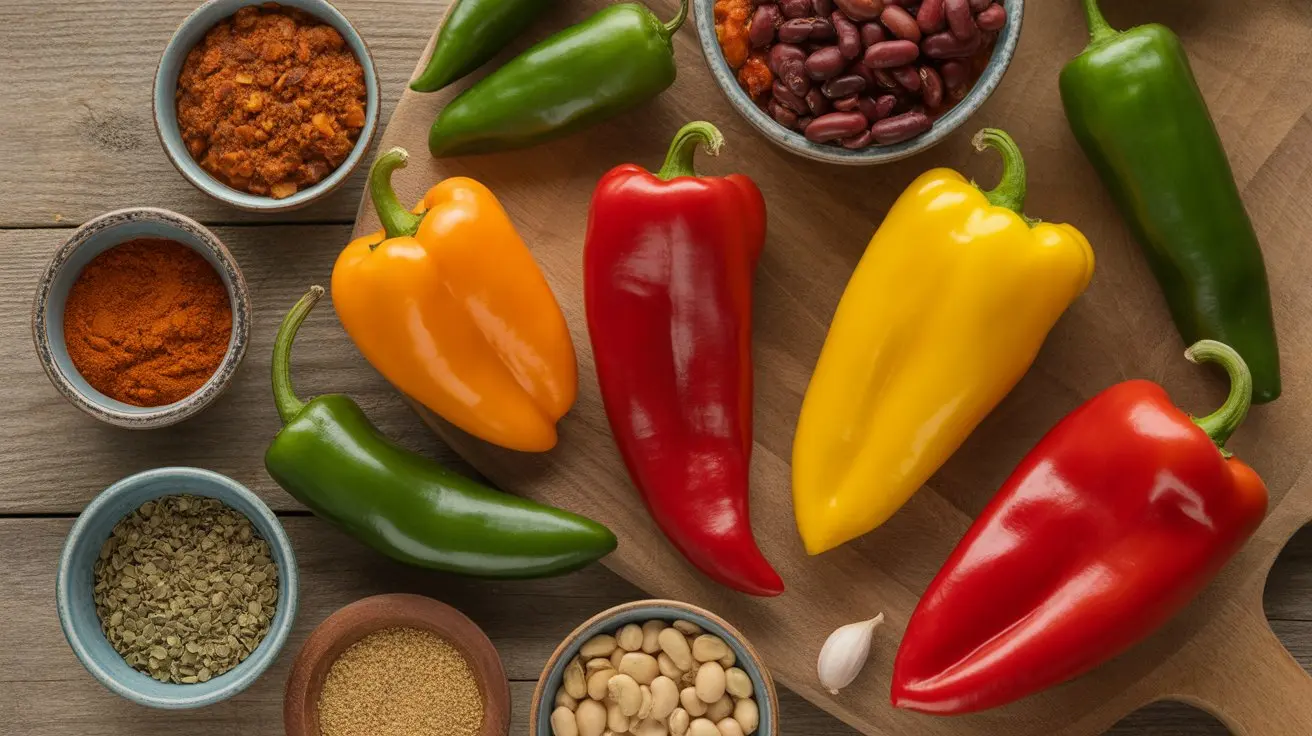

Does Cooking Peppers Make Them Hotter? What Heat Really Changes
Cooking peppers does not create new capsaicin. It changes how hot peppers taste by breaking down cell walls, concentrating flavors as water evaporates, moving capsaicin into oil, or diluting it into a sauce or cooking liquid. The method decides whether heat feels sharper, smoother, or milder.
Cooking changes perceived heat, not the pepper's original capsaicin
Cooking peppers does not create new capsaicin. A jalapeno or cayenne brings the capsaicinoids it already had when it left the plant, and heat, water, oil, and time change how those compounds reach your tongue.
That is why cooked peppers can taste hotter in one dish and milder in another. A roasted pepper may feel more concentrated because water evaporated. A boiled pepper may feel milder because some heat moved into the cooking liquid.
The useful question is not whether cooking magically raises Scoville heat. It is which cooking method makes the existing heat more available, more concentrated, or more diluted.
Why raw peppers can feel different from cooked peppers
Capsaicin sits mainly in the placental tissue inside the pepper, with some moving onto seeds and inner walls during cutting. Raw pieces can deliver heat unevenly because one bite may include more inner membrane than another.
Cooking softens cell walls and releases juices. That can spread capsaicin through a sauce, oil, or roasted pepper surface instead of leaving it trapped in one strip of pith.
Fresh jalapeno slices often taste sharper raw, rounder after roasting, and more evenly hot after simmering into salsa. The heat is not new capsaicin. It is capsaicin distributed through more of the bite.
| Method | What changes | How heat often feels |
|---|---|---|
| Roasting | Water evaporates and cell walls soften | More concentrated, smoother |
| Frying in oil | Capsaicin moves into fat | More even and lingering |
| Boiling | Heat disperses into liquid | Milder if liquid is discarded |
| Simmering sauce | Capsaicin spreads through the whole dish | Less spiky, more consistent |
The table explains why two cooks can argue and both be right. They are often talking about different methods, not different chemistry.
Roasting can make peppers taste hotter by concentrating them
Roasting drives off moisture and browns the pepper surface. Less water means the same pepper compounds are carried in a smaller, sweeter, more aromatic bite.
This effect is obvious with thick-walled peppers. A roasted poblano or red jalapeno tastes less grassy and more concentrated than the raw pepper. With hotter thin-walled peppers, the same concentration can make heat feel louder.
Roasting also changes aroma. Char, sweetness, and softened flesh can make heat feel rounder even when the burn lasts longer. That is why roasted peppers work well in salsa, hot sauce, and the chili oil recipe bases when you want depth instead of raw bite.
Frying and oil make heat travel farther
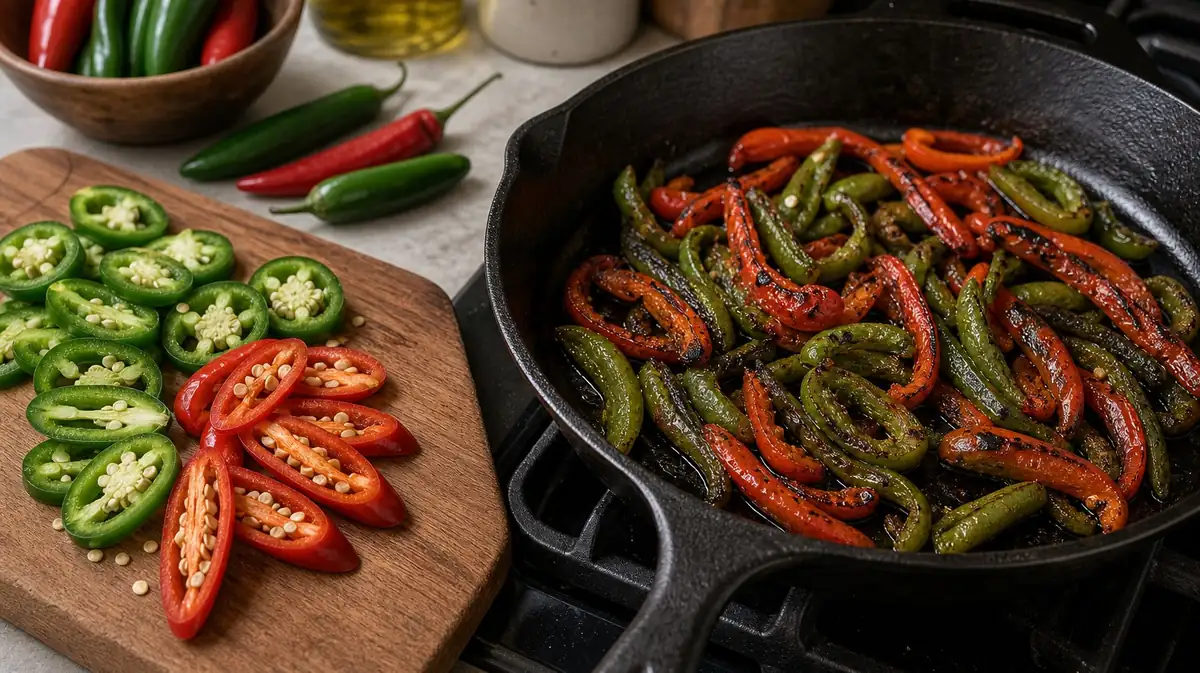
Capsaicin is fat-soluble, so oil can carry pepper heat through a dish. Fry sliced chiles in oil and the oil becomes part of the heat delivery, not just a cooking medium.
This can make a dish taste hotter than the raw pepper did by itself because every bite gets some chile-infused fat. The pepper pieces, oil, and sauce are all sharing the same heat load.
Oil also makes heat linger. A small amount of fresh cayenne peppers bloomed in oil can feel more persistent than the same powder stirred into a watery soup at the end.
Use lower heat and ventilation when frying hot peppers. Superhot peppers and dried chile powders can release irritating fumes, especially in a dry pan or very hot oil.
Boiling can make peppers taste milder if the liquid leaves
Boiling or blanching peppers can move some flavor and heat into the water. If you discard that water, the pepper pieces may taste milder than they did raw.
If you keep the liquid, the heat is still in the dish. That is why a soup or braise can taste evenly spicy even when the pepper pieces themselves seem softer and less aggressive.
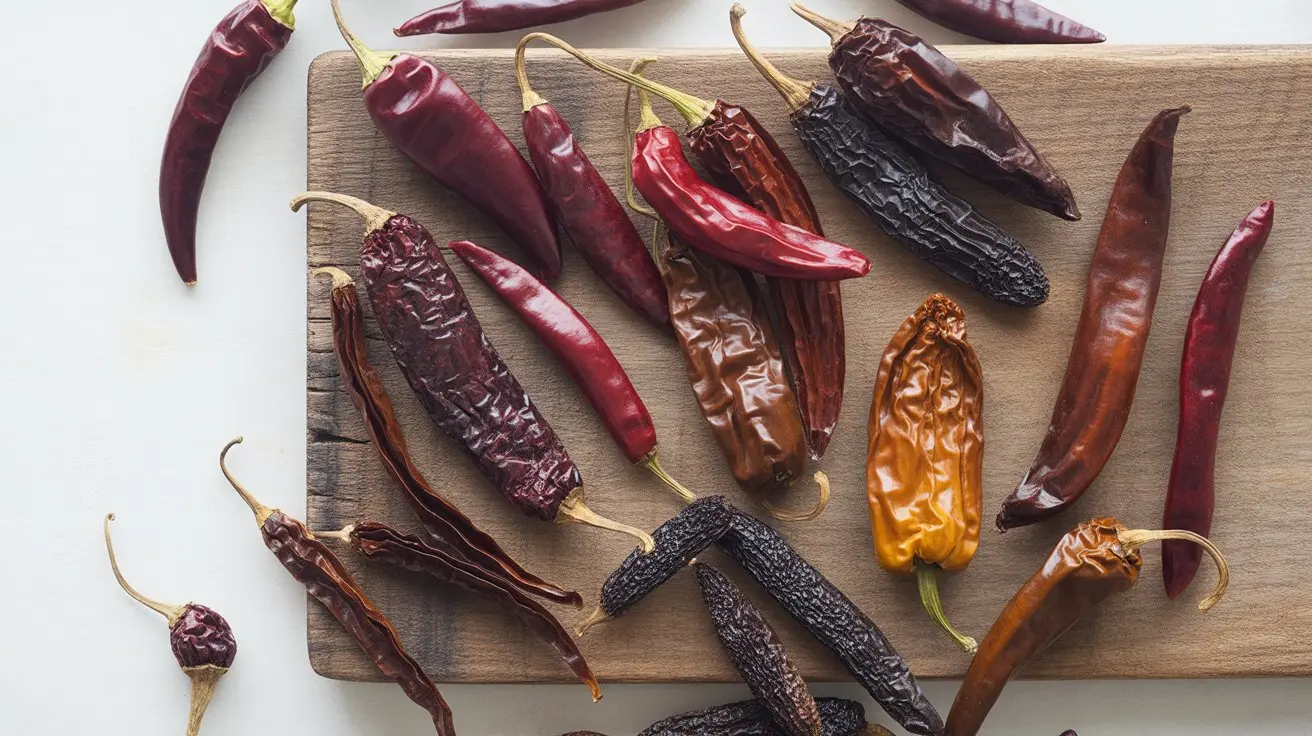
This difference matters when rehydrating dried chiles. If you soak pods and throw away all the soaking water, you may reduce harshness and some heat. If you blend the soaking liquid into the sauce, you keep more of the pepper's dissolved flavor and bitterness.
For dried pods, our rehydrate dried peppers guide covers when to save the soaking liquid and when to replace it with fresh water.
Seeds and pith still control many kitchen results
Cooking method matters, but pepper prep still matters more in many dishes. The inner placenta and pale ribs carry much of the capsaicin load, so removing them before cooking can lower heat more reliably than changing the cooking method.
Seeds are not the main capsaicin factory, but they often touch the hot inner tissue. Leaving seeds and pith in a pan sauce can make the finished dish feel hotter and more textured.
If you want cleaner control, cut the pepper open, scrape the ribs, then cook. If you want maximum heat from the same pepper, keep the inner tissue and let the cooking method distribute it through the dish.
That is also why our jalapeno-cutting guide carefully changes the final heat before the pan ever gets hot.
Dry heat, powders, and smoke need extra caution
Dry heat can make chile powders and very hot sliced peppers harsh fast. A dry skillet can toast a pepper into a better flavor, but it can also scorch the powder and make the kitchen air uncomfortable.
Ground powders have more exposed surface area than fresh peppers, so they bloom quickly and burn quickly. Add powder to warm oil, stir briefly, then add liquid or other ingredients before the spice darkens too far.
Smoked or dried peppers bring another layer. A dried chipotle or smoked jalapeno may taste hotter in a sauce because the smoke and concentration make each bite feel denser. That is a perception change, not a new Scoville number.
If the question is fresh versus dried heat, read are dried peppers hotter than fresh. Drying and cooking overlap, but they are not the same process.
Whole, sliced, and minced peppers behave differently
A whole pepper protects some of its heat inside the pod. Slice it open and the inner tissue reaches oil, water, steam, and the rest of the food. Mince it and the heat spreads even faster.
This is why a whole chile simmered in soup can season gently, while minced hot pepper in the same pot can make every spoonful hot. The cooking method did not change the pepper's capsaicin inventory. The cut size changed how much of it entered the dish.
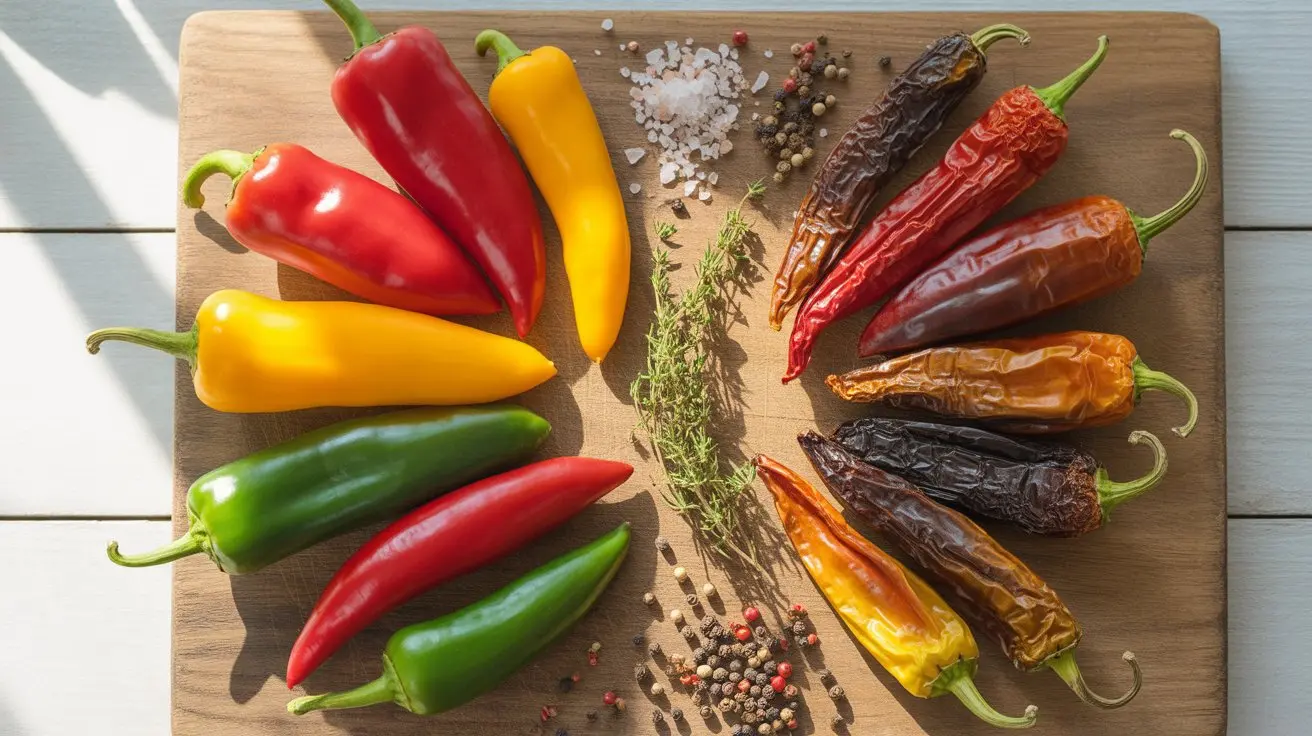
Fresh and dried forms also behave differently. Dried peppers have less water, so toasting or frying can make their flavor feel concentrated very quickly. Our fresh vs dried peppers guide separates that preservation effect from cooking-method effects.
For mild peppers, the same rule still applies even without much capsaicin. Roasting a sweet pepper concentrates sugars and aroma, while boiling can make it softer and less vivid. That is why mild peppers cooking decisions are mostly about flavor and texture, not heat.
How to control heat while cooking
For milder results, remove ribs, use larger pepper pieces you can pull out, blanch and discard the water, or dilute the pepper through beans, tomatoes, dairy, or more sauce volume. Add hot powder late and in small amounts.
For hotter results, mince the inner tissue, roast or fry to concentrate flavor, bloom powder in oil, or simmer the pepper long enough to distribute heat through the whole sauce. Taste after each step because heat often blooms after a few minutes.
The practical rule is simple: cooking changes delivery. If the dish tastes hotter, the method made capsaicin easier to taste, more concentrated, or better distributed.