
Freezing Peppers: Chillies, Jalapenos, Habaneros, and Bell Peppers
Freeze chillies and bell peppers by washing, drying, tray-freezing in one layer, then packing in freezer bags with the air pressed out. Use frozen peppers in cooked dishes, not raw salads, because freezing softens the texture.
Freeze chillies and bell peppers by washing them, drying them hard, cutting only the peppers you want portioned, tray-freezing in one layer, then packing them in freezer bags with the air pressed out. Frozen peppers keep their best quality for about 8 months and stay most useful for cooked dishes.
The important split is texture. Freezing breaks pepper cell walls, so a thawed pepper will never eat like a fresh pod. That is fine for sauces, soups, chilli, stir-fry, and roasted blends, but it is the wrong method if you need crisp raw slices for salad.
Best Method by Pepper Type
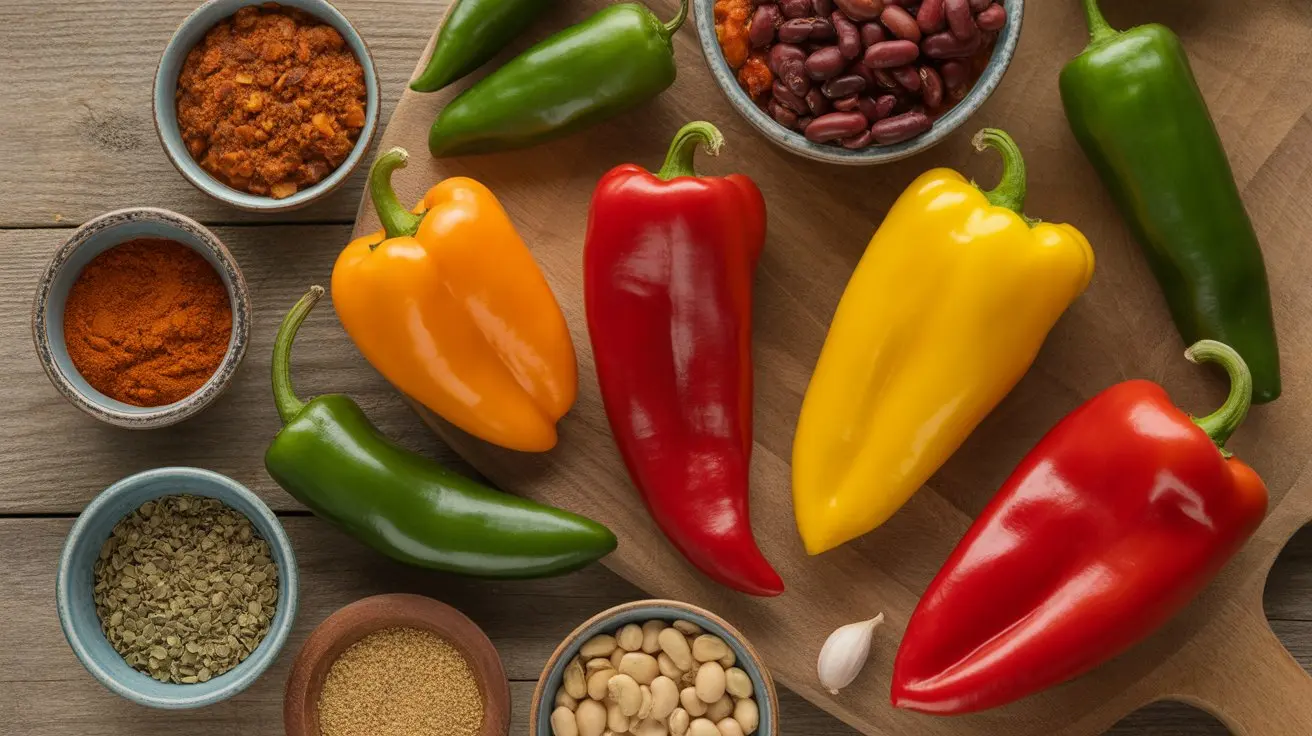
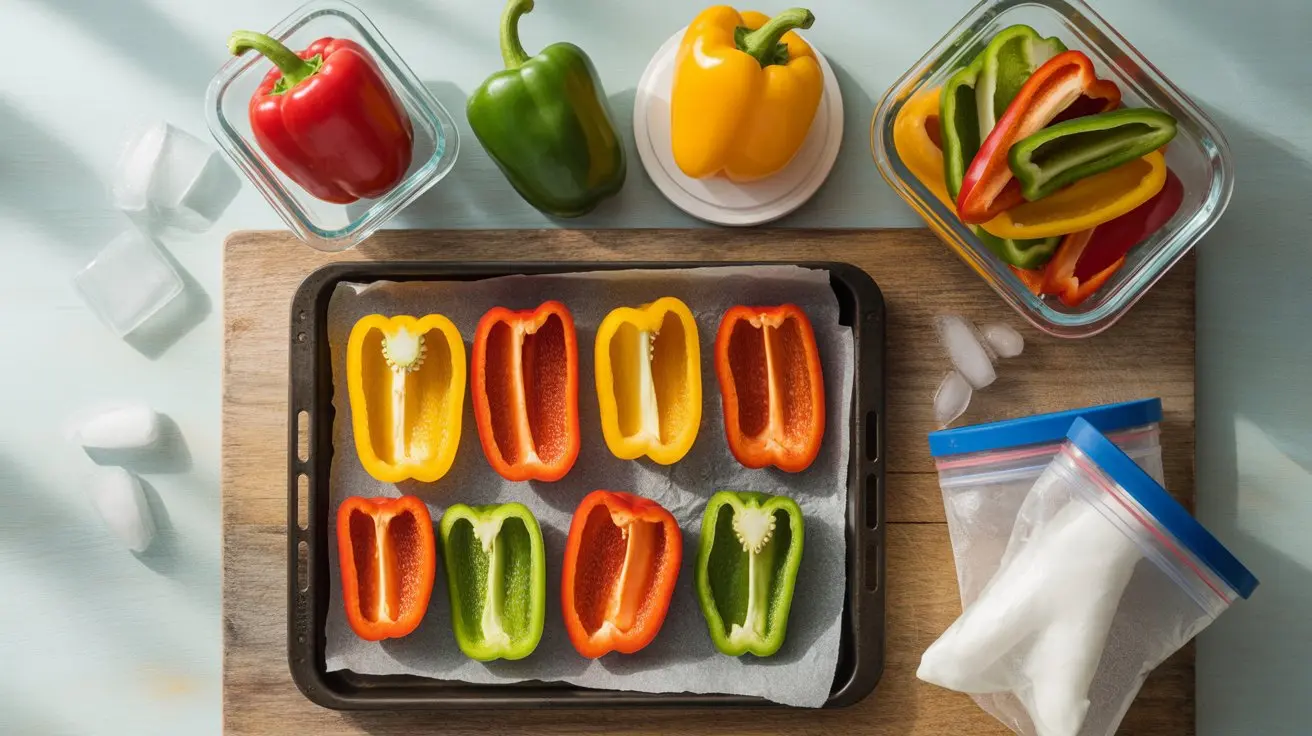
For sweet bell pepper strips, we usually cut away the stem, seeds, and white ribs before freezing. The National Center for Home Food Preservation gives two routes for bell or sweet peppers: blanch halves for 3 minutes or strips for 2 minutes when the peppers are headed for cooking, or pack raw peppers with no headspace when you want the crisper thawed texture.
For hot chillies, NCHFP keeps the method simpler: wash, stem, package with no headspace, seal, and freeze. That works well for whole medium-heat jalapeno pods, serranos, Thai chiles, cayennes, and small habanero-size peppers.
- Bell peppers: slice or dice before freezing if you cook by handfuls.
- Jalapenos and serranos: freeze whole for hot sauce, or slice into rings for nachos, chilli, and quick sauteed dishes.
- Habaneros and superhots: freeze whole unless you need measured portions. Wear gloves before cutting them.
- Roasted peppers: peel, cool, portion, and freeze flat so the pieces thaw faster.
This is why one freezer method can cover both chillies and bell peppers. The freezer method is shared, but the prep choice changes with heat level, flesh thickness, and how you plan to cook the pepper later.
Prep Before the Freezer
Start with firm peppers. Do not freeze pods with soft spots, mold, or wet cracks near the stem, because freezing preserves the defect instead of fixing it.
Wash peppers under running water, then dry them until the skin is no longer slick. Water on the surface turns into frost, and frost becomes freezer burn faster than clean dry skin.
With sweet peppers, remove stems, seeds, and ribs before freezing. We cut most thick-fleshed bells into half-inch strips because that size drops straight into fajitas, omelets, soup, and the stir-fry pepper guide without thawing.
With hot peppers, decide whether handling them now is worth it. Whole pods are safer and faster, especially for fruity habanero pods and other chiles that can burn skin. Sliced hot peppers are easier to portion later, but you should cut them with gloves and wash the board before it touches anything mild.
If your goal is heat preservation, freezing does not remove capsaicin. Capsaicin in pepper tissue is stable enough that frozen hot peppers still bring heat to sauce and cooked dishes. What changes is texture, not the basic heat compound.
Tray-Freeze So Peppers Do Not Clump
Tray-freezing is the difference between a useful freezer bag and a frozen brick. Spread peppers in one layer on a rimmed sheet pan, with a little space between pieces when possible.
Freeze the tray until the peppers feel firm. In our freezer, thin bell strips usually set in 1 to 2 hours, while whole jalapenos and habaneros take closer to 2 to 3 hours. Penn State Extension describes tray freezing as the method that lets you pour out partial amounts later instead of thawing the whole container.
- Line a sheet pan with parchment if the peppers are wet or roasted.
- Spread slices, diced peppers, or whole pods in a single layer.
- Freeze until firm, not just cold.
- Move the frozen pieces quickly into freezer bags or rigid freezer containers.
- Press out air, seal, label, and return the bag to the freezer.
Do not overload the freezer with a huge harvest all at once. Penn State warns that too much unfrozen food slows the freeze and can raise the temperature of food already inside. A faster freeze gives smaller ice crystals and better texture.
Package and Label for Real Use
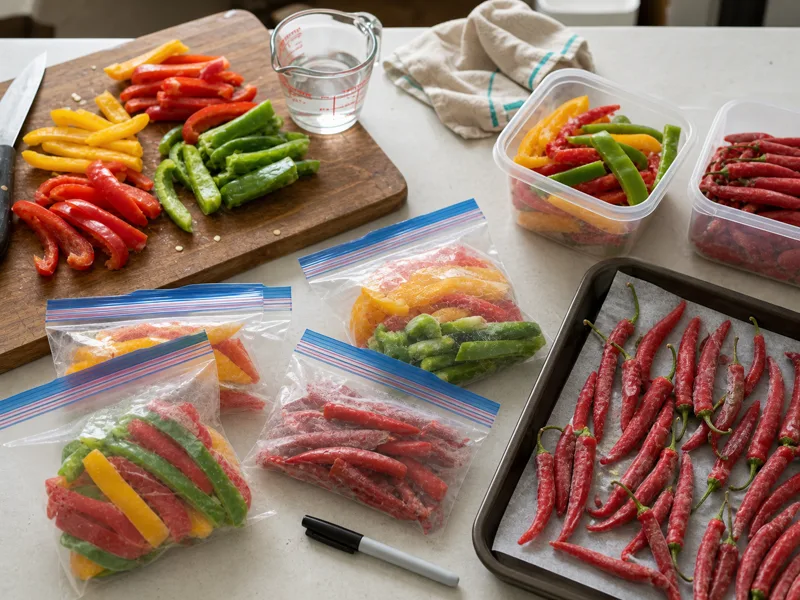
Use freezer bags, vacuum bags, or rigid containers made for freezer storage. NCHFP and UNL both point readers toward packaging that resists moisture and vapor, because ordinary sandwich bags and thin produce bags let air dry out the pepper tissue.
For bell strips and diced peppers, we pack 1-cup or 2-cup portions because those match the amounts we use most often in skillets and soups. For whole hot peppers, we pack by variety and heat level: mild, medium, hot, and super-hot.
Label the bag with pepper type, date, and prep. A bag marked "red bell strips, Sept 2026" is useful. A bag marked only "peppers" becomes a guessing game after the first frost layer forms.
Leave no headspace for raw hot peppers and raw sweet peppers when using the NCHFP method. For blanched sweet pepper strips or halves, NCHFP calls for a half-inch headspace. That difference is small, but it tells you the real principle: remove extra air without crushing the peppers.
How Long Frozen Peppers Keep
Keep frozen peppers at 0 F or lower. UNL recommends using frozen vegetables within about 8 months for best quality, while many home cooks can still use well-packed peppers after that if there is no freezer burn or off odor.
For KTP kitchen use, we treat 6 to 8 months as the best window for bell peppers and 8 to 12 months as a reasonable window for whole hot peppers packed well. Thin bell strips show freezer burn faster because more cut surface is exposed.
Freezer burn is a quality problem, not an automatic safety problem, but it makes peppers taste flat and papery. If a bag is covered with ice crystals, smells stale, or has pale dry patches, use those peppers in blended sauce instead of a dish where the pepper texture matters.
If you know you will not use the peppers within that window, choose another preservation method. Drying peppers for storage fits thin-walled chiles better than freezing, and pickling peppers in brine gives a sharper condiment that holds texture differently.
Cook Frozen Peppers Without Thawing
Most frozen peppers should go straight from freezer to pan. Thawing pulls water out of the broken cells, so the pepper sits in its own liquid before it ever reaches heat.
For skillet dishes, start with a hot pan and a little oil. Add frozen bell strips in a thin layer, let the water steam off, then season after the peppers soften. If you salt them too early, they release more liquid before the pan recovers.
For soups, stews, chilli, and pasta sauce, frozen peppers can go in during the simmer. They soften quickly and spread flavor through the pot. This is where thick-fleshed bells, poblanos, and mild poblano strips work better than crisp salad peppers.
For sauce work, frozen hot peppers are convenient. We blend whole frozen jalapenos or habaneros into fermented or cooked sauces after trimming stems. If you are making hot sauce from frozen peppers, use the frozen peppers as the pepper ingredient, but do not assume freezing created an active fermentation starter.
Freezing also changes comparison decisions. If you need fresh crunch, use a fresh pepper. If you need heat, color, or cooked pepper flavor, frozen peppers are usually enough.
Common Freezing Mistakes
The first mistake is freezing wet peppers. Dry the skins and cut surfaces before the tray goes into the freezer. Less surface water means less frost in the bag.
The second mistake is skipping the tray. A quart bag of unfrozen diced bell pepper turns into a solid block. Tray-freezing keeps pieces separate so you can take a handful and return the rest.
The third mistake is mixing heat levels in one bag. Do not pack sweet bells, jalapenos, and habaneros together unless you want every future dish to carry the hottest pepper in the mix.
The fourth mistake is using frozen peppers where fresh texture matters most in the dish. Frozen peppers are good for cooked salsas, chilli, sauce, and pan work. Fresh peppers are still better for raw pico, crisp toppings, and dishes where crunch is the point.
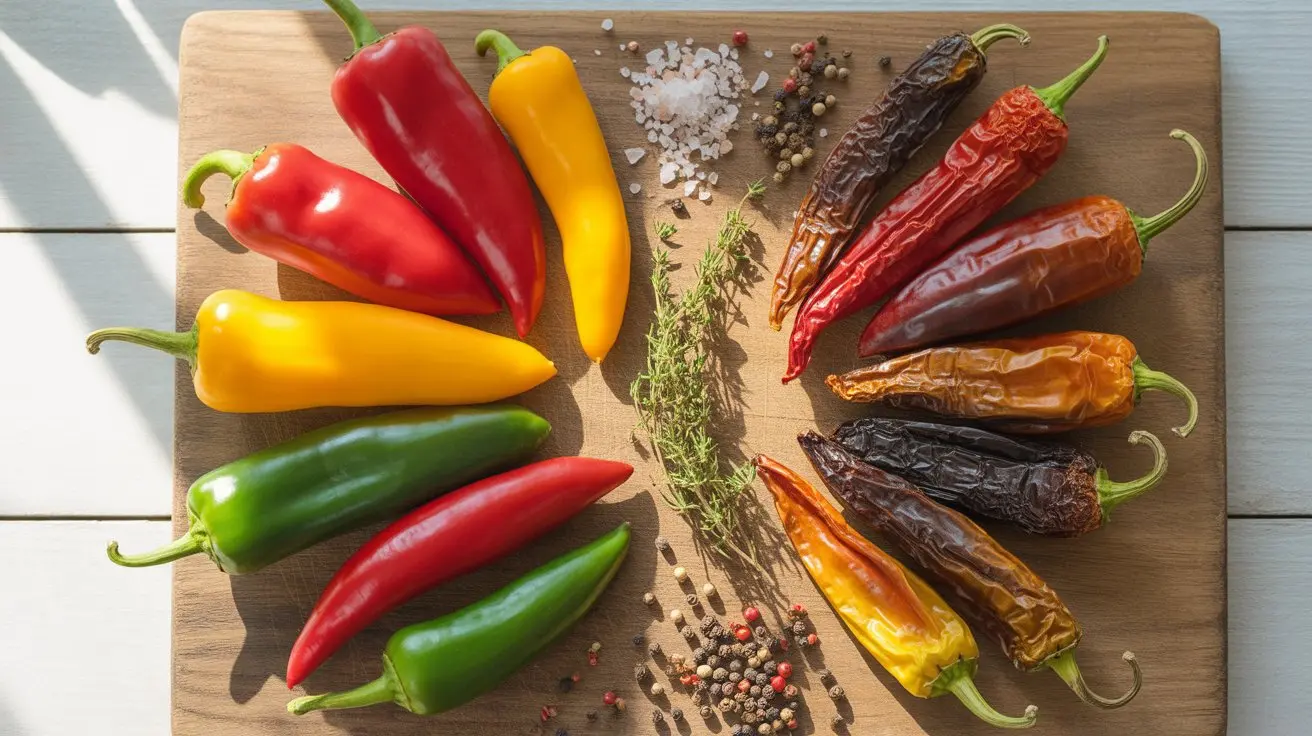
If you are trying to decide between freezing, drying, and pickling, use the final dish as the owner. Freezing keeps the fresh pepper flavor closest for cooked food. Drying concentrates flavor and changes aroma, which we cover in our fresh vs dried pepper guide. Pickling adds acid and crunch, which makes it a condiment instead of a neutral frozen ingredient.