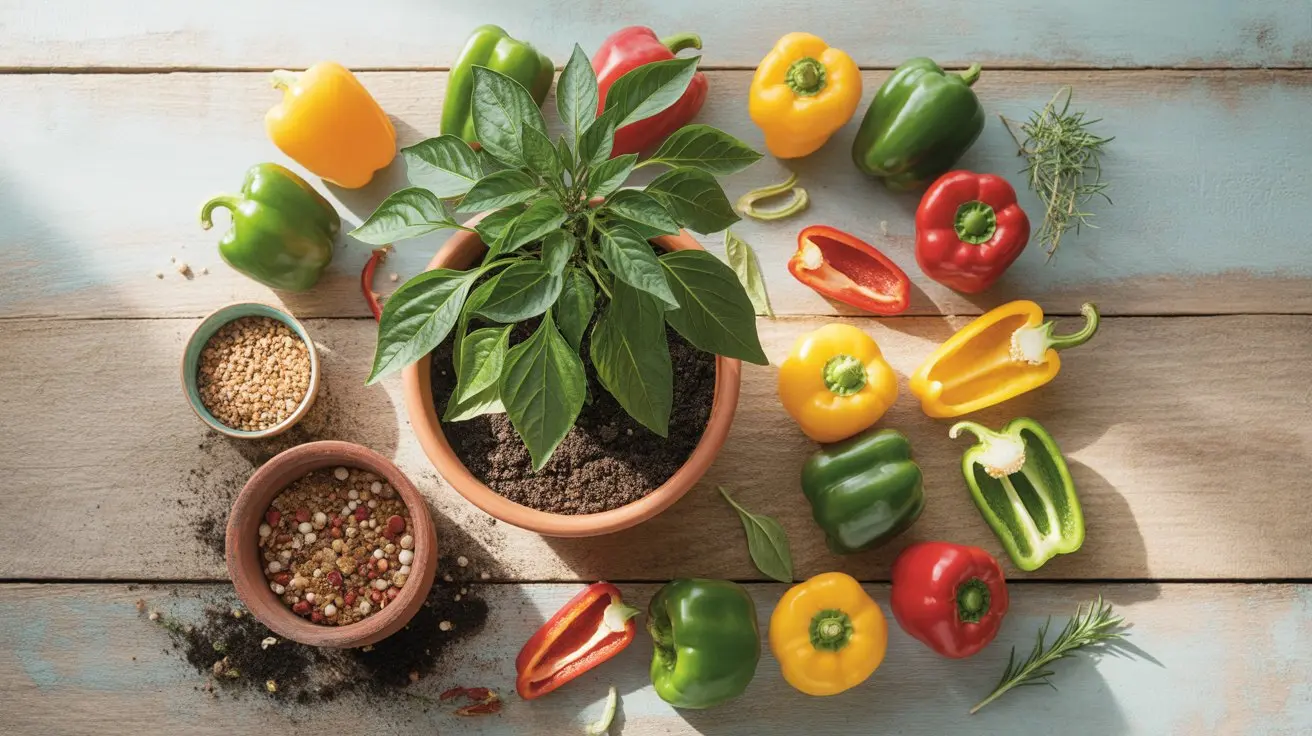
8-10 weeks
typical indoor lead time before transplant


Jalapenos reward simple habits more than fancy gear. Start seeds in warm soil, move plants out only after nights stay mild, and manage water and feeding steadily if you want reliable green or red harvests from beds or containers.
Jalapeños suit a first pepper garden because one plant can supply fresh green pods, fully ripe red pods, and fruit for smoking or preserving. The useful choice comes before sowing: decide whether the harvest needs early maturity, large stuffing pods, low heat, or the familiar medium range.
Most jalapeños fall around 2,500-8,000 SHU, but the label on the seed packet matters more than the common name alone. Early Jalapeño helps short seasons, Mucho Nacho produces larger fruit, and TAM Mild serves cooks who want jalapeño flavor with less heat.
This guide follows the full-season decisions that affect yield: indoor timing, hardening, transplant setup, water and feeding, harvest color, and late-season options. Narrow planting and container questions link to their own guides where extra detail would distract from the complete crop.
Jalapeños need an indoor head start in much of North America. Count backward from the period when frost risk has passed and nighttime temperatures remain suitable for peppers, then adjust for the variety's listed days to maturity.
Sow seeds about ¼ inch deep in a sterile seed-starting mix. A heat mat is useful when the room is cool, but monitor the mix so it stays damp rather than saturated. Remove the humidity cover after emergence to improve airflow.
Move seedlings under strong light as soon as they rise. Provide about 14-16 hours of light and keep the fixture close enough to prevent stretching without heating the leaves. Raise the light as the canopy grows.
Pot up a seedling when roots fill the cell and outdoor planting is still several weeks away. A larger pot buys root space; extra fertilizer does not correct a cramped plug or weak light. The pepper seed-starting guide covers tray setup and potting moves shared by other varieties.
Skipping hardening off is the most common mistake with jalapeños. Plants raised indoors under artificial light are not ready for direct sun, wind, or temperature swings.
Start the process 10-14 days before transplant. On day one, set plants outside in a shaded, sheltered spot for 1-2 hours. Add an hour each day, gradually introducing more direct sun. By the end of week two, they should handle a full day outdoors without wilting.
Watch for leaf curl or bleaching, those are signs of sun stress. If either appears, pull the plants back into shade and slow the process down.
Transplant jalapeños after your last frost date when nighttime temperatures stay above 55°F consistently. Cold nights below that threshold stall root development and can cause blossom drop even on established plants.
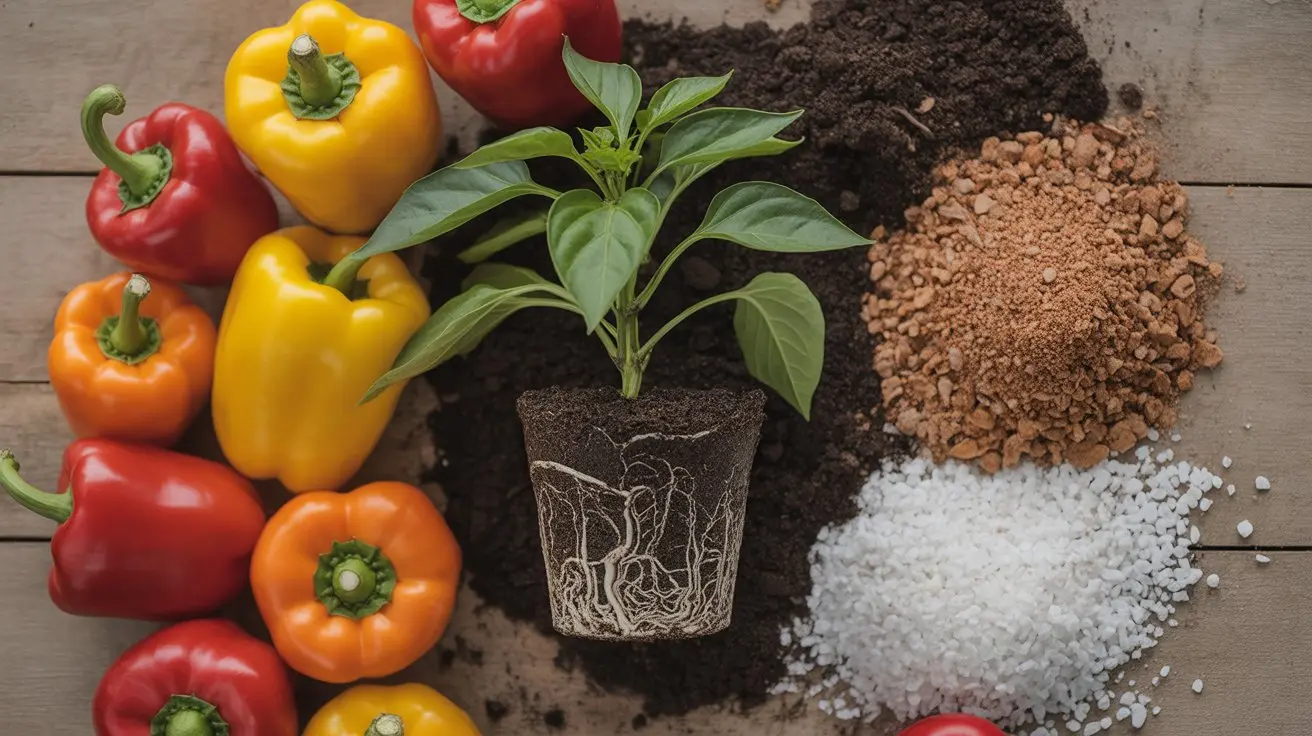
Jalapeños prefer well-draining, loamy soil with a pH between 6.0 and 6.8. Amend heavy clay with compost and perlite before planting. Space plants 18-24 inches apart in rows 24-36 inches wide, they need airflow to prevent fungal issues later in the season.
Plant slightly deeper than the nursery pot level, burying the stem an inch or two. Unlike tomatoes, jalapeños won't root heavily from buried stem tissue, but deeper planting improves stability and moisture access.
Water the root ball and surrounding soil thoroughly after transplanting. If the bed already contains compost or a measured preplant fertilizer, wait for visible new growth before adding more. Heavy nitrogen during recovery can push soft leaves without improving root contact.
Jalapeños are genuinely well-suited to containers. Use a 5-gallon pot as a practical minimum; 7-10 gallons gives roots more moisture reserve and stability, especially in hot climates where smaller containers dry out fast.
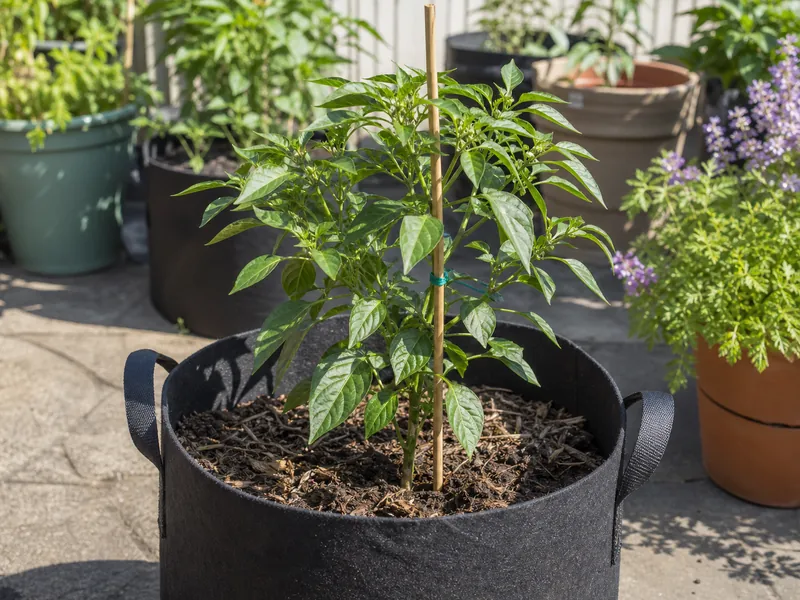
Use a container potting mix rather than garden soil and keep every drainage hole open. Check moisture daily during hot weather, but water from the condition of the root zone instead of following an automatic once- or twice-a-day schedule.
The upside to container growing is mobility. If a late frost threatens, bring the plants inside. If your patio gets afternoon shade in July, rotate them. Container jalapeños often produce well into fall because you can extend the season more easily than in-ground plants.
For apartment growers or anyone with limited space, check out the broader seed-starting and container setup guide for detailed potting strategies that apply across pepper types.
Jalapeños are moderate feeders. Too much nitrogen early on pushes lush leaf growth at the expense of fruit, a common trap when growers use the same fertilizer schedule from transplant to harvest.
During the vegetative stage (first 4-6 weeks after transplant), a balanced fertilizer like 10-10-10 works well. Once flowers appear, shift to a lower-nitrogen formula, something like 5-10-10 or a tomato fertilizer. This encourages fruit set rather than continued leaf production.
Calcium and magnesium deficiencies show up frequently in jalapeños, especially in containers. Blossom end rot is the most visible calcium deficiency symptom. A side-dressing of lime or a foliar spray of calcium-magnesium solution addresses it before it spreads.
Fertilize every 2-3 weeks during the growing season. If leaves are dark green and the plant looks healthy, back off, over-fertilizing is as damaging as neglect.
Consistent moisture matters more than a fixed watering calendar. Check the root zone below the surface, water deeply when it begins drying, and avoid the drought-to-soaking swing that contributes to blossom drop, fruit cracking, and poor calcium movement.
| What you see | Likely first check | Useful response |
|---|---|---|
| Flowers drop without fruit | Recent daytime and nighttime temperatures | Use temporary shade or cold protection and wait for a milder flowering window |
| Dark leaves with few flowers | Nitrogen rate and fertilizer frequency | Pause feeding and let the plant move from leaf growth into flowering |
| Black patch on the fruit end | Moisture swings and root condition | Stabilize watering; use a soil test before adding lime or calcium |
| Fine stippling or webbing | Leaf undersides for spider mites | Separate the diagnosis from aphids and treat the confirmed pest |
| Sticky curled new growth | Clusters of aphids and ant traffic | Start with water removal and follow the aphid control sequence |
Morning watering keeps foliage drier overnight. Drip lines and soaker hoses place water near the root zone, while a 2-3 inch mulch layer reduces evaporation after the soil has warmed. Keep mulch away from direct contact with the stem.
Do not solve every pale leaf with fertilizer. Old lower leaves can yellow from age or shade; widespread yellowing can point to root stress, waterlogging, or nutrient shortage. Check drainage and recent feeding before adding another product.
Inspect flowers and tender tips at least weekly. Aphids, spider mites, and pepper weevils require different responses, so identify the insect or damage pattern before spraying. The pepper pest and disease guide provides the broader diagnostic path.
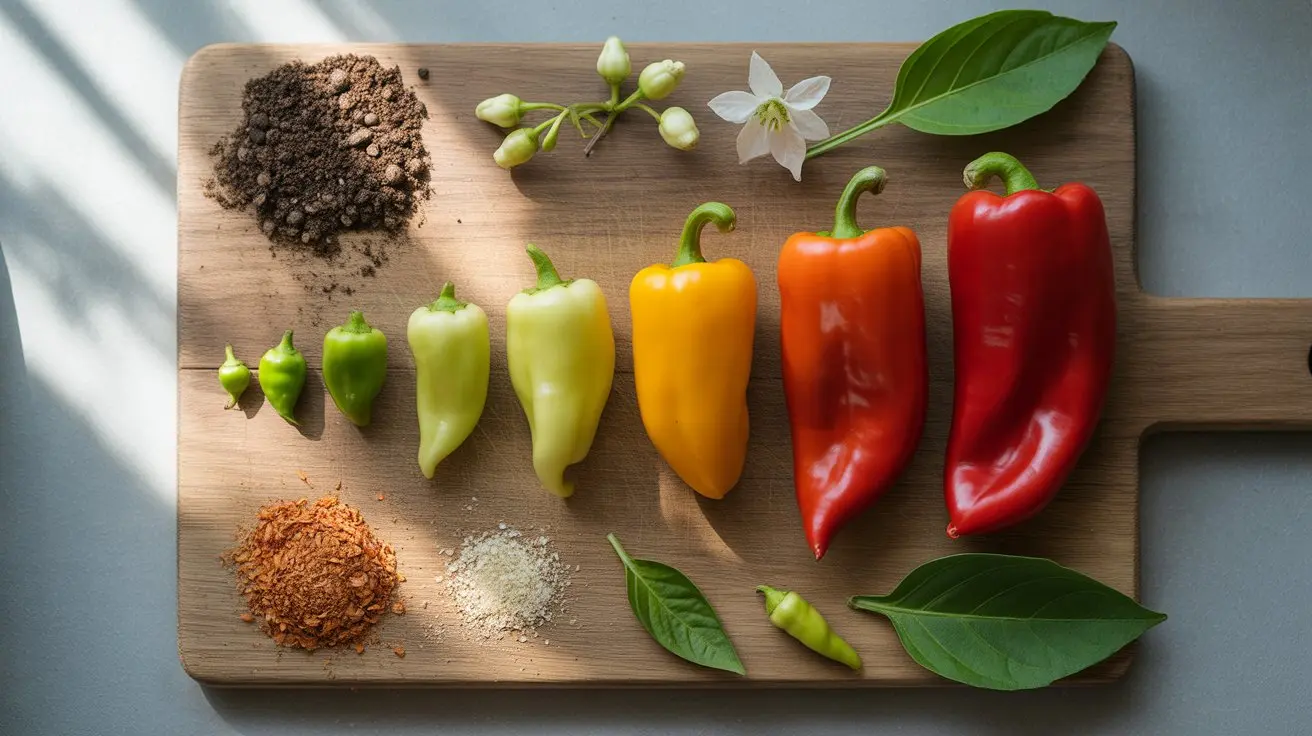
Many jalapeño varieties begin producing usable green pods about 70-85 days after transplant, though the seed packet and growing conditions provide the better schedule. Size, firmness, color, and a full shoulder near the stem are more useful than calendar days alone.
Heat varies among pods and plants, so color does not provide an exact SHU reading. Red fruit often tastes sweeter and more mature, but variety, weather, and plant stress also affect the eating experience.
Use clean snips and leave a short stem on fruit intended for storage. Handle any soft, split, or insect-damaged pod separately instead of mixing it into a sound harvest.
Jalapeños commonly sit around 2,500-8,000 SHU, which makes them much easier to taste during harvest than superhot peppers. The range still spans more than a single fixed intensity, and individual pods may differ.
Growing stress is not a reliable heat control. Withholding water to chase hotter fruit can reduce plant health and yield. Grow for steady roots and sound pods, then manage heat in the kitchen by tasting a small piece and adjusting how much inner tissue enters the dish.
The Scoville scale guide explains how pepper ranges are compared. For a gardener, the seed variety and the actual harvested pod are more useful than comparisons with unrelated superhot cultivars.
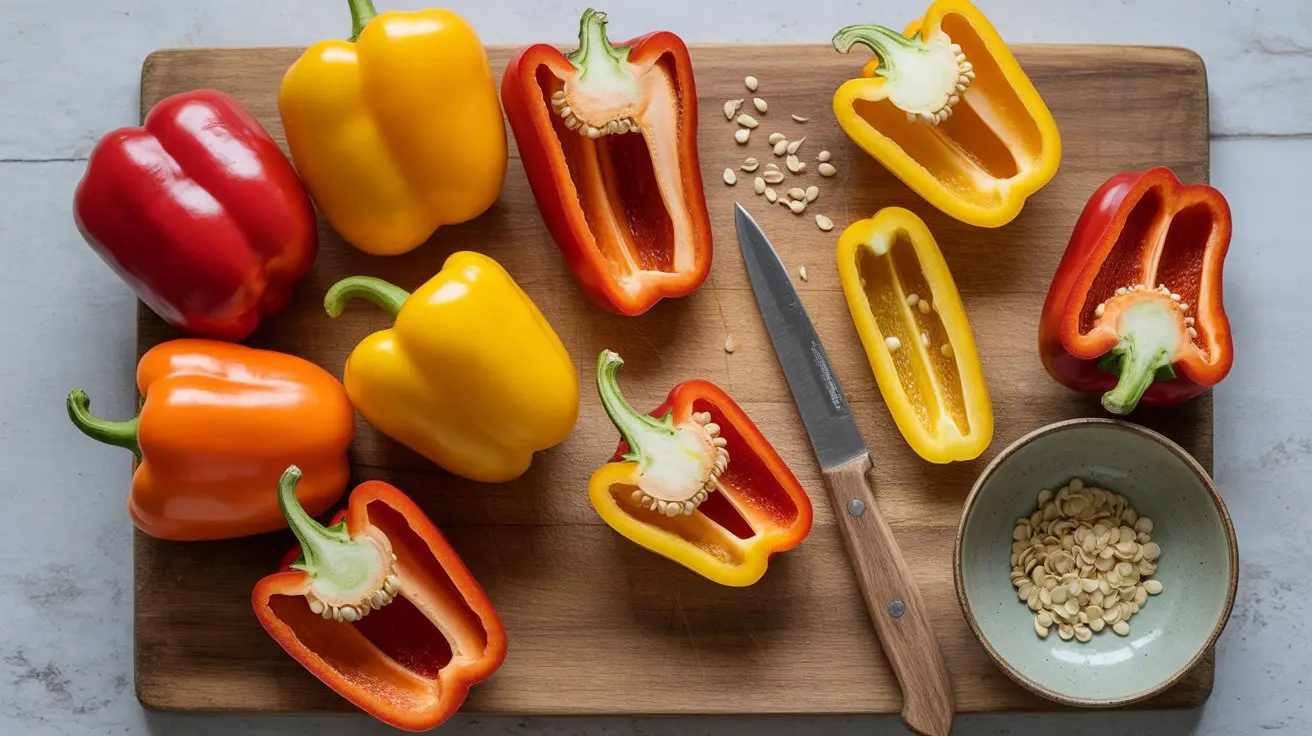
Jalapeño seeds are easy to save. Allow a few fruits to ripen fully red, then cut them open and scrape seeds onto a paper towel. Let them air dry for 1-2 weeks away from direct sunlight. Store in a cool, dry location in paper envelopes, not plastic bags, which trap moisture and cause mold.
Saved seeds from open-pollinated varieties will produce true to type. When multiple pepper varieties grow close together, there's a chance of cross-pollination, so isolation or hand-pollination is worth the effort if seed purity matters to you.
In frost-free climates, jalapeño plants are perennials and can produce for 3-5 years. In colder zones, you can overwinter plants indoors. Cut the plant back to a manageable size, pot it up, and keep it in a cool but frost-free location with minimal watering. Plants re-emerge in spring faster than starting from seed and often produce earlier in the following season.
Choose it where the frost-free season is short or the first harvest needs to arrive sooner. Confirm the maturity listing on the current seed packet.
Larger fruit makes stuffing and slicing easier. Give branches support when a plant carries several heavy pods at once.
This lower-heat choice keeps the recognizable jalapeño shape and flavor for households that do not want the standard burn.
Purple-fruited selections add ornamental color and remain edible, but appearance should not replace maturity and yield information. Compare days to harvest, plant size, disease notes, and heat description before choosing a packet.
Open-pollinated seed is useful when saving a known variety matters. Nearby pepper varieties can cross, so isolate flowers or accept that saved seed may not reproduce the packet exactly.
If your plant flowers but drops blossoms without setting fruit, temperature is usually the cause. Jalapeños drop flowers when daytime temperatures exceed 95°F or nighttime temperatures fall below 55°F. Shade cloth during heat waves and row covers on cool nights address both ends of the problem.
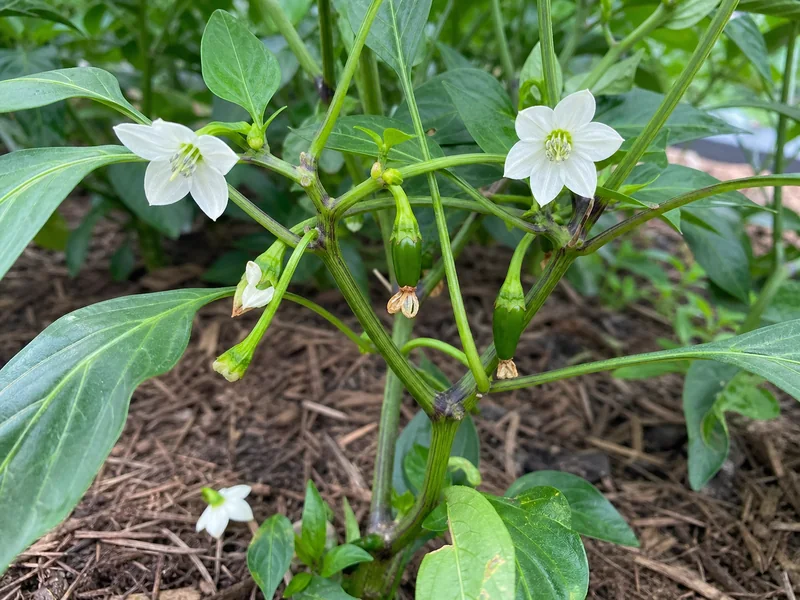
Poor pollination is another common culprit. Jalapeños are self-fertile but benefit from insect activity or manual pollination. In low-pollinator environments, rooftop gardens, enclosed patios, gently shaking flowering branches daily or using a small brush to transfer pollen between flowers improves fruit set significantly.
Yellowing lower leaves often signal a nitrogen deficiency, especially in containers where nutrients leach out with frequent watering. A diluted liquid fertilizer application usually resolves it within two weeks. If the yellowing is between leaf veins rather than overall, suspect iron or magnesium deficiency instead, both respond to foliar micronutrient sprays.