
Growing Peppers Indoors Without Weak Plants
Growing peppers indoors works best with compact varieties, strong grow lights, containers that drain well, careful watering, light feeding, and simple flower pollination help.
Growing peppers indoors works when the plant receives enough light, root space, warmth, and pollination help to keep setting fruit. The container is not the hard part. The hard part is replacing the sun and outdoor airflow closely enough that the plant keeps growing instead of sitting in survival mode.
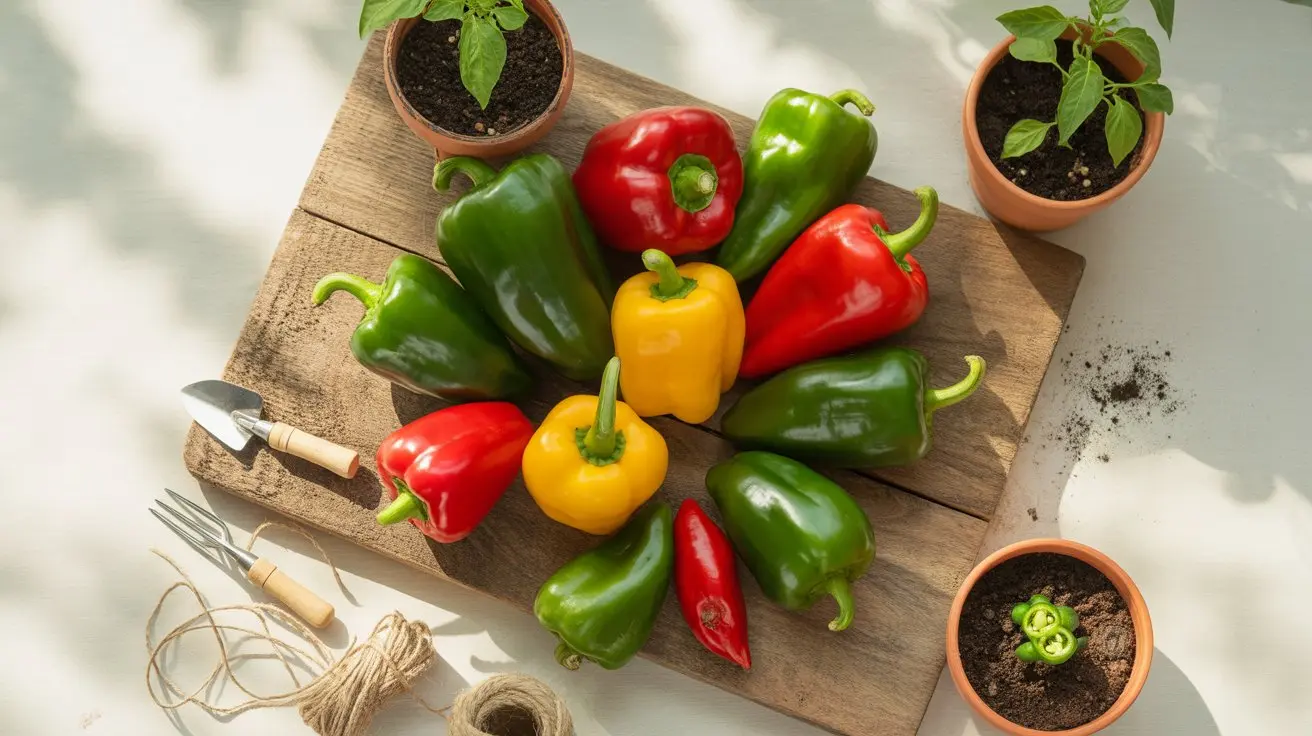
Use this approach for compact varieties, winter holdovers, apartment growing, and small harvests from jalapeno, Thai chile, ornamental peppers, and other small-fruited plants. Large bells can grow indoors, but they need stronger light and more room.
Choose a pepper that fits the room before choosing the pot
Compact plants are easier indoors because light weakens with distance. A short plant can keep more leaves close to the lamp. Tall plants stretch, shade themselves, and need pruning before they are productive.
| Indoor goal | Better pepper type | Reason |
|---|---|---|
| Small fresh harvests | Jalapeno or Thai chile | Compact plants can fruit under strong lights |
| Decorative windowsill | Ornamental pepper | Small pods and dense branching fit limited space |
| Large sweet peppers | Dwarf bell or patio type | Needs less canopy than full-size bell plants |
| Overwintering | Healthy outdoor plant | Established roots restart faster after pruning |
Use a container that dries at a readable pace
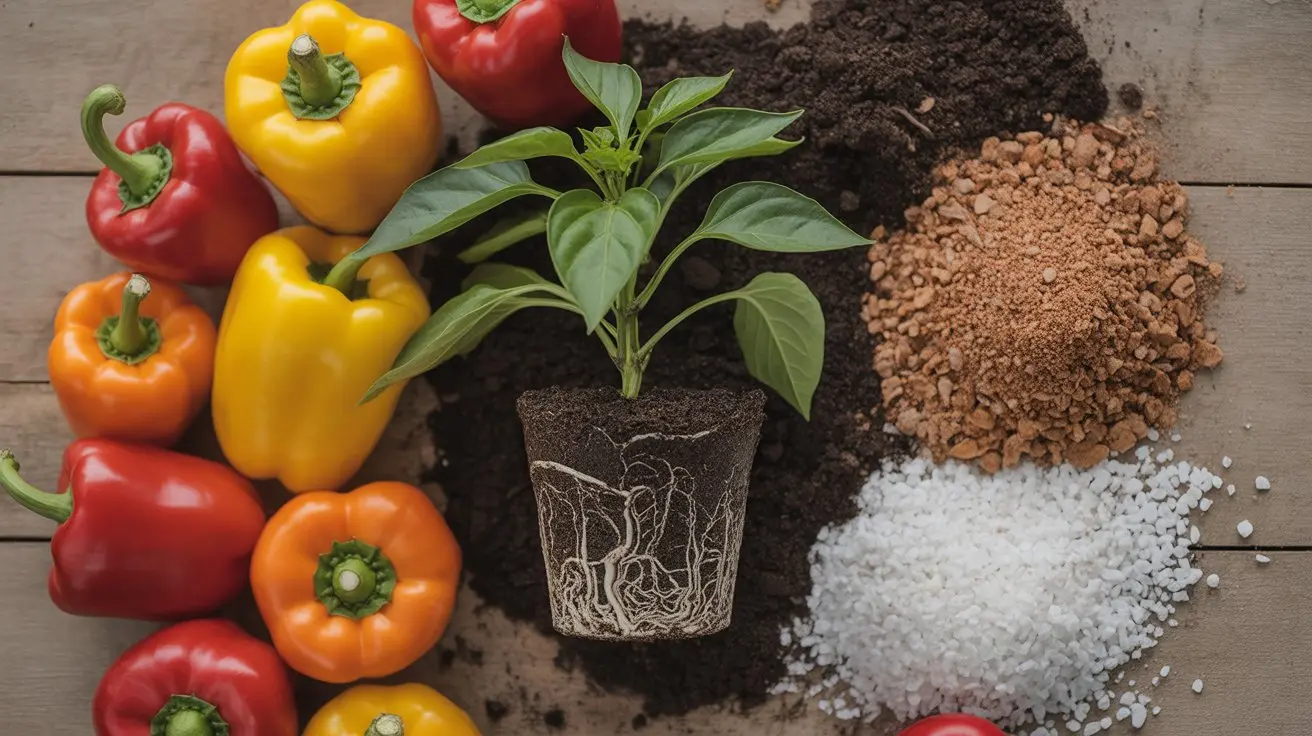
Most indoor peppers do well in a pot that holds enough mix for stable moisture but not so much wet soil that roots stay cold and stale. A mature small pepper often fits a three- to five-gallon container. A young plant can start smaller and move up when roots fill the pot.
Use drainage holes and a saucer you can empty. Indoor peppers dislike wet feet. If water remains in the saucer after a short wait, dump it so the lower roots can breathe.
Give the plant strong light, not just a bright-looking window
A sunny window can help, but fruiting peppers usually need stronger light than a houseplant. Use a full-spectrum grow light for about fourteen to sixteen hours a day. Keep the lamp close enough that new growth stays compact, then raise it as the canopy expands.
14-16 hrdaily light target3-5 galcommon pot range for compact plants65-75?Fuseful room-growth band
If leaves angle hard toward the window, the plant is not getting even light. Rotate the pot and move the lamp directly above the canopy. For seed-starting details, see growing peppers from seed.
Water after checking pot weight and leaf behavior
Indoor soil dries more slowly than outdoor soil because wind and sun are weaker. Water when the pot feels lighter and the top layer has begun to dry. Then water deeply enough that the lower roots receive moisture.
- Do not water daily unless the plant is actively using that much water.
- Empty standing water from the saucer.
- Use a lighter mix if the pot stays wet for many days.
- Move the plant away from cold glass in winter.
Feed lightly because indoor growth is slower
A pepper under indoor light needs nutrition, but it usually uses less than an outdoor plant in summer sun. Start with a diluted balanced fertilizer after new growth is active. Too much nitrogen makes soft leaves and fewer flowers.
If the plant flowers but drops buds, check light, temperature, and watering before adding more fertilizer. Weak light is a common reason indoor peppers refuse to hold fruit.
Help flowers set fruit indoors
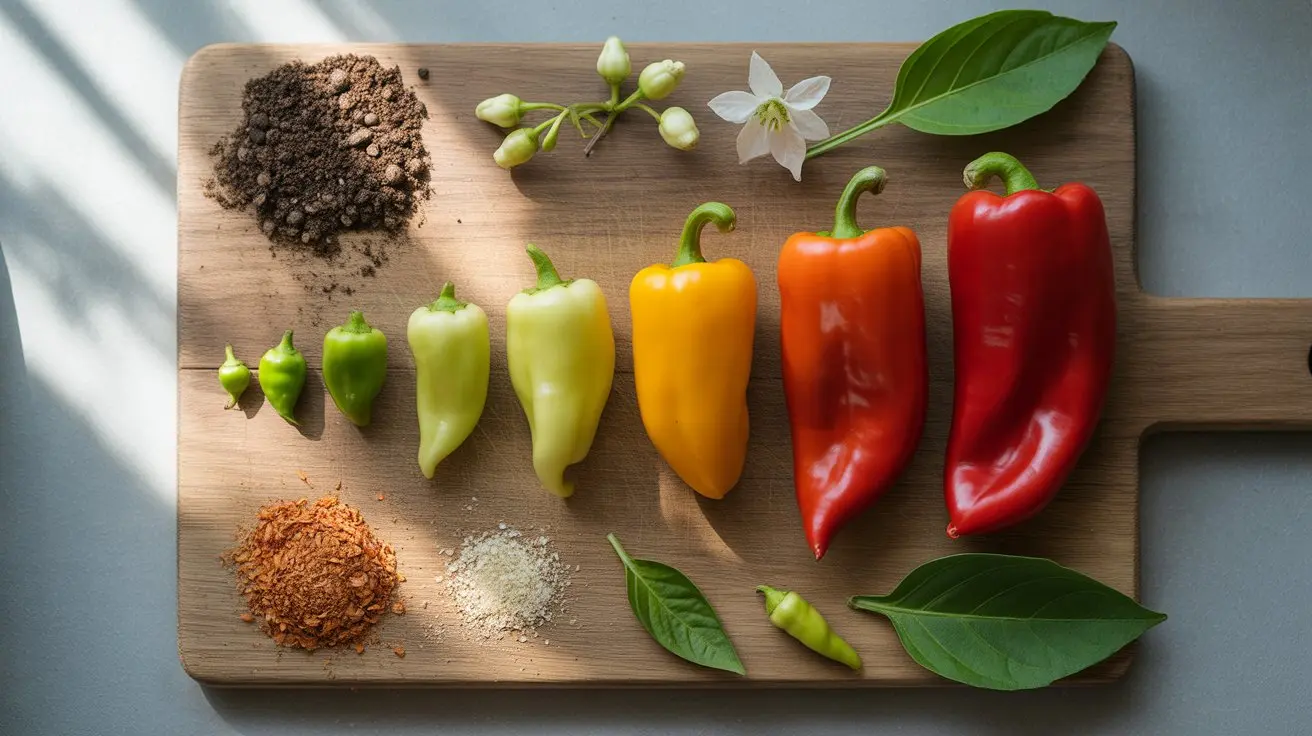
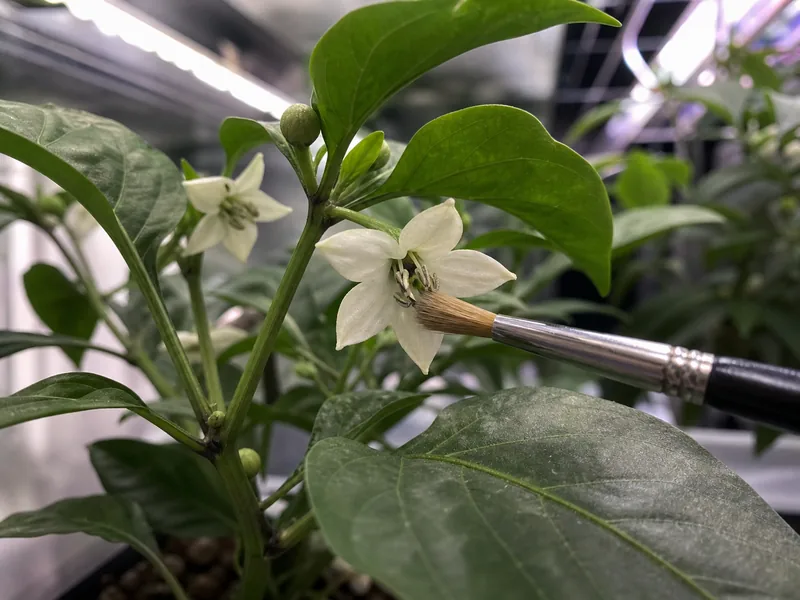
Outdoor peppers get wind and insects. Indoors, you may need to move pollen yourself. Tap flowering branches gently, brush flowers with a small dry brush, or run a fan lightly near the plant. The goal is movement, not rough handling.
Dry air can make flowers drop. Keep the plant watered evenly and avoid placing it directly above a heater. If a plant sets too many pods for its size, harvest early pods promptly so it keeps growing.
Prune for light and airflow
Remove dead leaves, crossing stems, and weak growth near the soil. Pruning should help light reach healthy leaves. It should not strip the plant bare. A pepper needs enough leaf area to feed fruit.
Know when indoor peppers are worth it
Indoor peppers are best for small harvests, seed saving, winter color, and keeping a favorite plant alive. They are not the easiest way to grow pounds of peppers. For large harvests, outdoor beds or containers still win.
Use indoor growing when the result matches the space: a few fresh pods for salsa, a plant held through winter, or a compact chile on a shelf. For outdoor timing, compare when to pick peppers and quick pickled peppers once harvest starts.
Move indoor plants outside only after a short reset
An indoor pepper can move outdoors for summer, but the leaves need time to adjust. Start in shade or filtered light, then increase sun over several days. A plant grown under LEDs can burn quickly in direct afternoon sun even if it looked strong indoors.
Check pests before moving a plant either direction. Aphids, mites, and fungus gnats spread fast on indoor shelves. Rinse leaves, inspect the underside, and isolate any plant that looks sticky, webbed, or distorted. For outdoor harvest timing later in the season, use when to pick peppers.
| Move | First step | Why |
|---|---|---|
| Indoor to outdoor | Start in shade | Prevents leaf scorch |
| Outdoor to indoor | Inspect and rinse | Reduces pest carryover |
| Winter holdover | Prune lightly | Keeps canopy matched to weaker light |
Decide what a successful indoor harvest means
A good indoor harvest might be a handful of fresh pods each month, not a basket. Pick small ripe pods often so the plant does not carry more fruit than the light can support. Use fresh pods in salsa, freeze extras, or make quick pickled peppers when several ripen at once.
If you need smoky or dried flavor, indoor fresh pods are only the first step. Dry ripe pods for flakes, or compare pantry swaps such as chili sauce substitutes and sweet chili sauce substitutes for cooked dishes.