
Quick Pickled Peppers With a Crisp 2:1 Brine
Quick pickled peppers use a hot 2:1 vinegar brine, sliced firm peppers, and refrigerator storage. Thin rings taste bright in about an hour; thicker strips taste balanced after an overnight rest.
Use a fast brine when you want crisp peppers this week
Quick pickled peppers are sliced fresh peppers covered with a hot vinegar brine, then chilled until the pieces taste bright, salty, and gently sweet. They are refrigerator pickles, so they are meant for short storage, not shelf-stable canning.
The useful working ratio is 2 parts vinegar to 1 part water, plus salt and a small amount of sugar. That ratio keeps the flavor sharp enough for tacos, eggs, sandwiches, rice bowls, and grilled meat without turning every bite sour.
| Batch size | Peppers | Vinegar | Water | Salt | Sugar |
|---|---|---|---|---|---|
| 1 pint jar | 1 1/2 to 2 cups sliced peppers | 1 cup | 1/2 cup | 1 1/2 tsp | 1 tsp |
| 2 pint jars | 3 to 4 cups sliced peppers | 2 cups | 1 cup | 1 tbsp | 2 tsp |
| 1 quart jar | 4 to 5 cups sliced peppers | 2 cups | 1 cup | 1 tbsp | 2 tsp |
Use vinegar labeled 5% acidity. The National Center for Home Food Preservation uses 5% vinegar in tested pickled pepper formulas, and that same acidity level gives refrigerator pickles a reliable bright bite.
Choose peppers by texture, not only heat
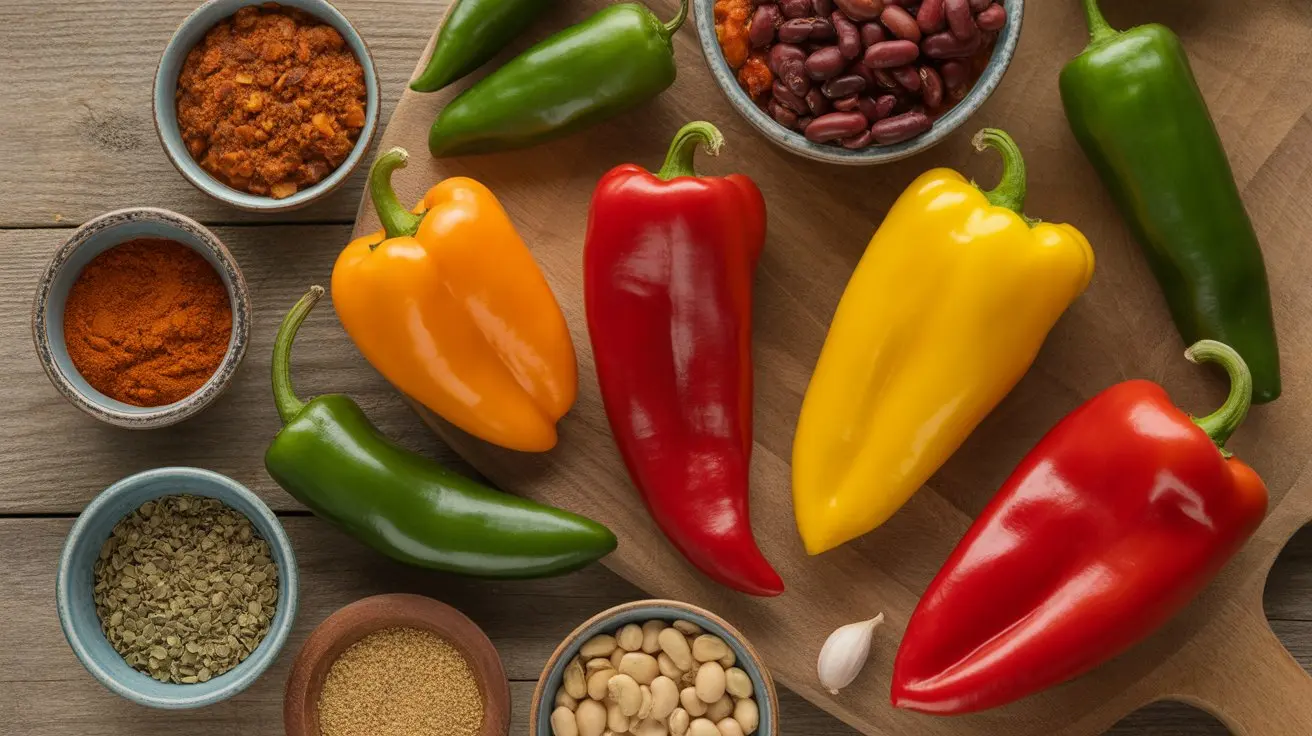
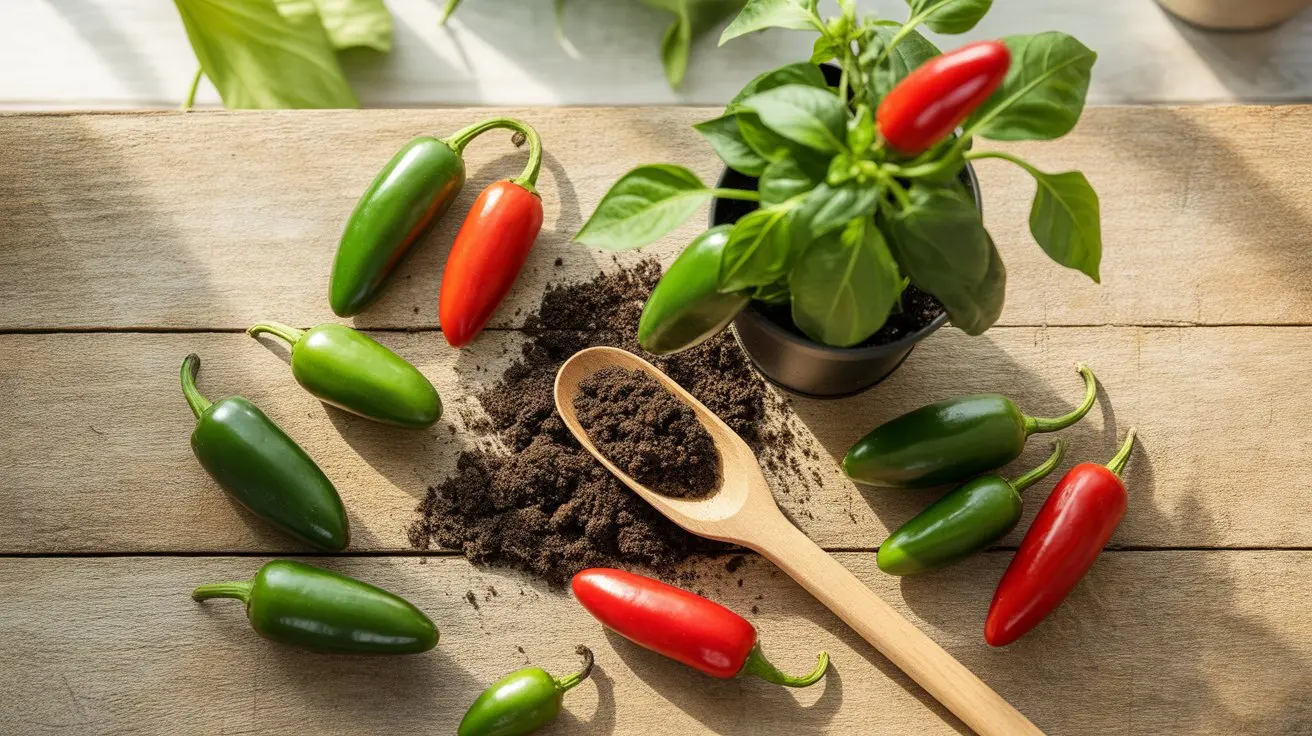
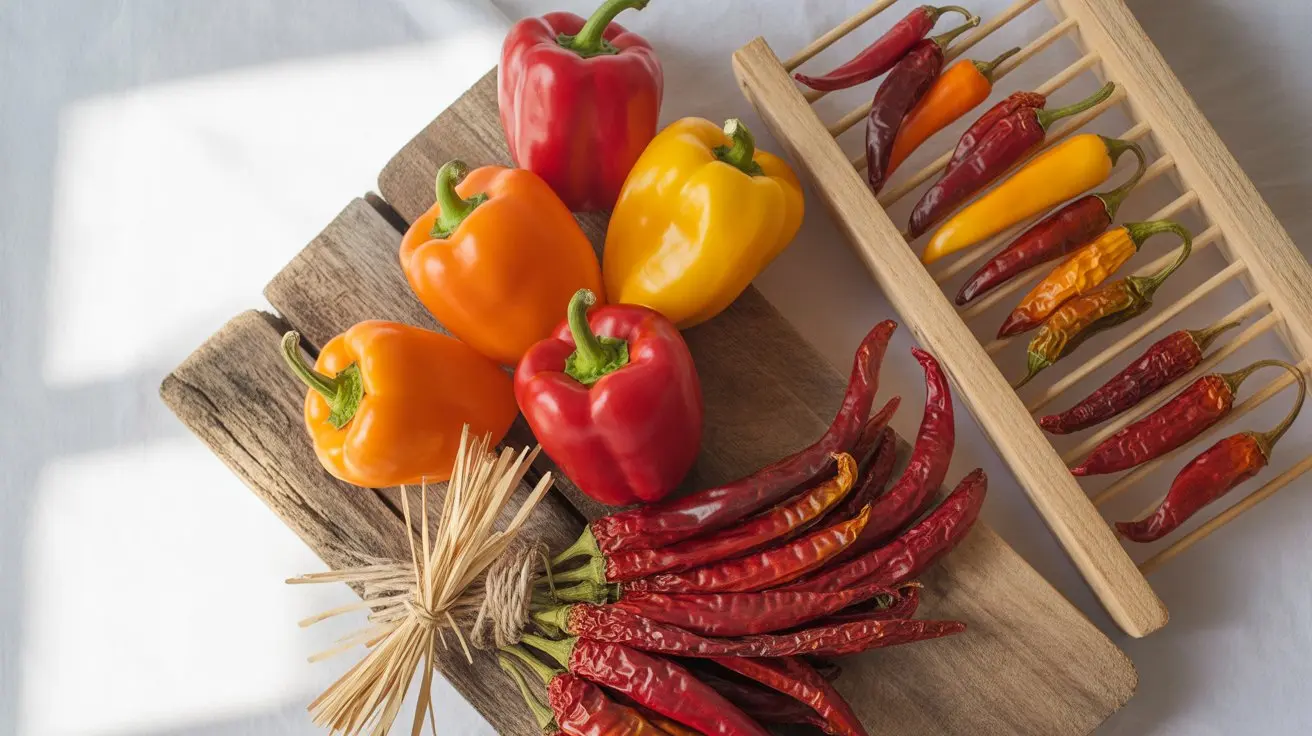
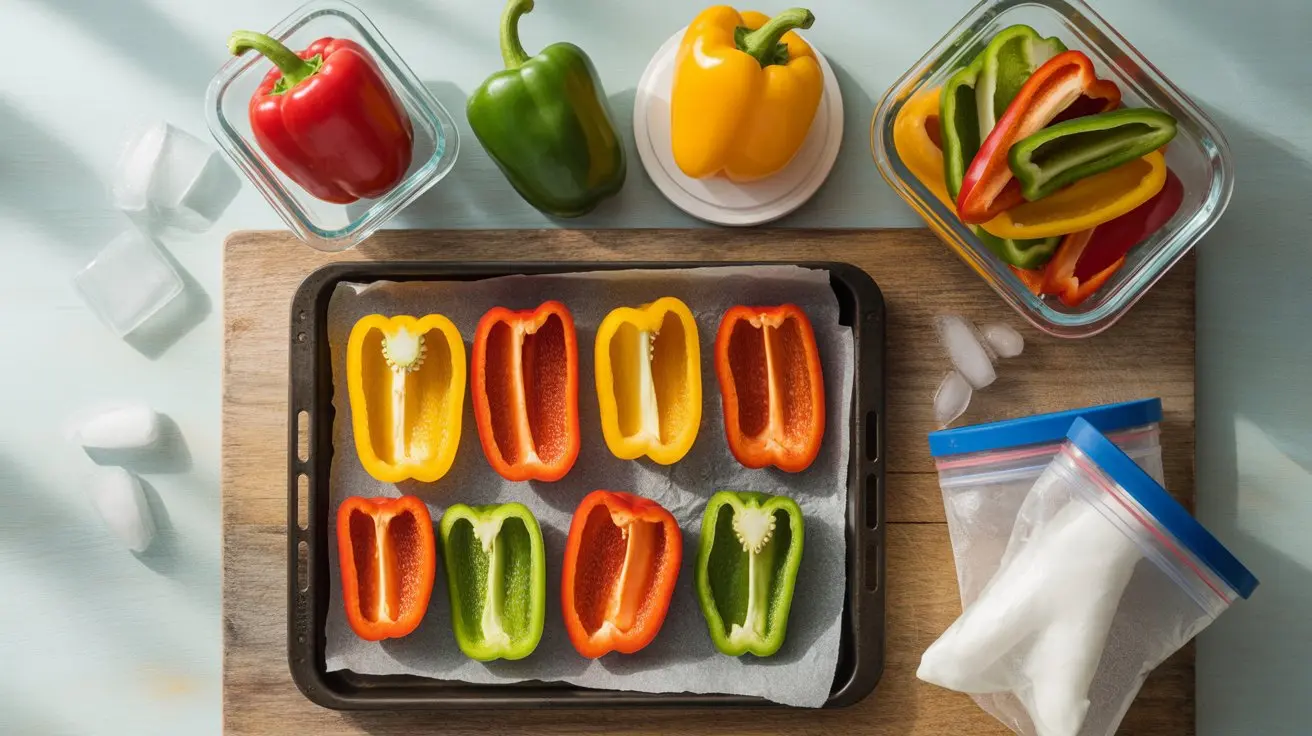
Firm peppers pickle better than soft peppers because the walls hold their snap after the hot brine hits them. Jalapenos, serranos, Fresno peppers, banana peppers, and small sweet peppers all work well when they feel heavy for their size.
Thin-walled peppers soften quickly. They still taste good, but they turn into a relish-style pickle faster than a crisp ring. Thick-walled jalapenos stay firmer, especially when sliced into 1/8 to 1/4 inch rounds.
- Use mixed colors when the jar is going on a snack board or taco bar.
- Use mostly green jalapenos when you want grassy crunch and moderate heat.
- Use red Fresno or ripe jalapeno slices when you want fruitier pickles.
- Use serranos when the jar should taste sharper and hotter in small bites.
Remove some seeds and white membrane if the jar needs to stay friendly for a group. Keep them in when the pickles will be chopped into beans, chili, or rich sandwiches that can absorb more heat.
Build the brine before the peppers go in
Bring the vinegar, water, salt, and sugar just to a simmer. The salt should dissolve fully before the brine touches the peppers, because undissolved grains settle at the bottom and season the jar unevenly.
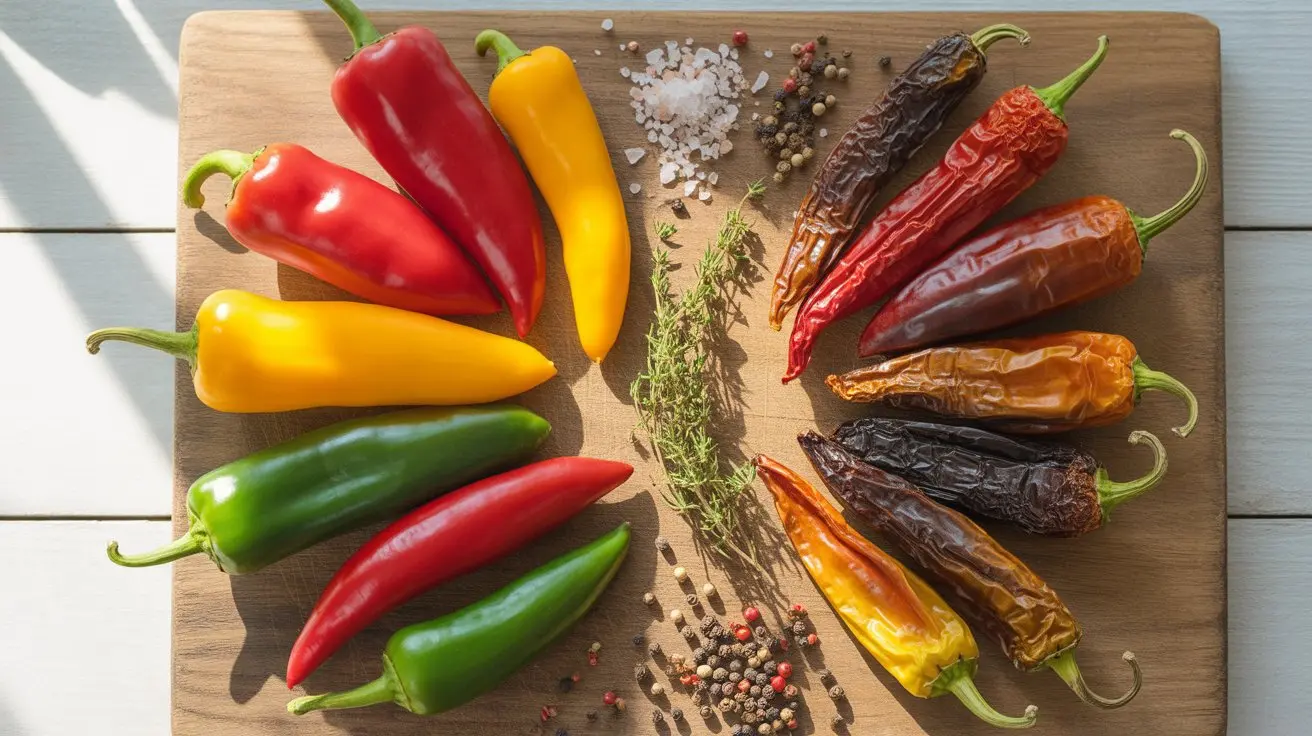
Garlic, onion, peppercorns, mustard seed, coriander seed, bay leaf, oregano, or cumin can go into the jar before the peppers. Keep the spice load modest for the first batch. A crowded jar of spices can bury the pepper flavor.
Pour the hot brine over packed peppers and press the slices down with a clean spoon. The peppers should be covered after they soften for a few minutes. If the top layer floats above the liquid, add a small splash of vinegar.
Cut size decides how fast the jar tastes ready
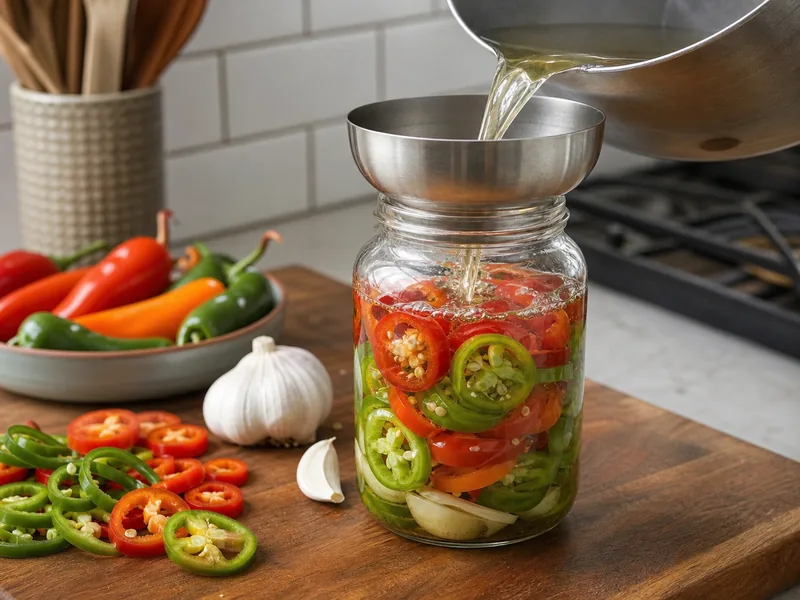
Thin rings taste pickled within 30 to 60 minutes because the brine reaches the center quickly. Spears and large strips need overnight rest if they are meant to taste seasoned all the way through.
For tacos, nachos, burgers, and eggs, rings are the easiest shape. For sandwiches and cheese boards, longer strips sit flatter and keep more crunch.
| Cut | Ready for | Best use | Texture |
|---|---|---|---|
| Thin rings | 30 to 60 minutes | Tacos, eggs, nachos | Bright and snappy |
| 1/4 inch rounds | 4 to 8 hours | Burgers, rice bowls | Balanced crunch |
| Long strips | 12 to 24 hours | Sandwiches, boards | Firmest bite |
| Whole small peppers | 24 hours or more | Snack jars | Hot pockets of brine |
Whole peppers should be slit once with a knife so brine can move inside. Without a slit, the outside tastes sharp while the center stays mostly fresh.
Know when refrigerator pickles are not canning
This method is for the refrigerator. It does not replace a tested boiling-water canning process because jar size, headspace, pepper density, and brine acidity all matter when food sits at room temperature.
For shelf-stable jars, use a tested extension or National Center for Home Food Preservation recipe exactly. Their pickled hot pepper formula specifies pepper weight, vinegar strength, water, salt, sugar, garlic, headspace, and processing steps.
Refrigerator pickles are forgiving in flavor, not in storage temperature. Keep the jar cold and use clean utensils so the brine stays clear and the peppers keep their snap.
Use the jar where acid helps the dish
Quick pickled peppers work best where a dish needs acid, salt, and heat in the same bite. They cut through cheese, beans, eggs, avocado, fried food, grilled meat, and creamy sauces.
They are less useful in long-simmered sauces because the vinegar can dominate. For cooked heat without the pickle tang, use fresh jalapeno, red pepper flakes, or a small spoon of chili paste instead.
- Add rings to tacos after cooking, not during the skillet step.
- Chop strips into tuna salad, egg salad, or bean dip.
- Spoon a little brine into slaw dressing when it needs sharper flavor.
- Use the last brine in a marinade only if it still smells clean and fresh.
The jar is ready when the pepper aroma still comes through the vinegar. If all you taste is acid, add a pinch more sugar to the next batch or use a sweeter pepper mix.
Adjust the jar for heat, sweetness, and crunch
The brine ratio gives the jar its safe refrigerator direction, but the pepper mix decides how people will actually use it. A jar made only with jalapeno peppers tastes green, familiar, and medium-hot. Adding serrano peppers makes the same brine sharper. Adding red Fresno-style peppers makes the jar look brighter and taste slightly fruitier. Keep the cut size consistent so one pepper does not soften while another stays raw.
Sweetness should be modest unless the jar is meant for sandwiches or barbecue plates. Start with one to two teaspoons of sugar per pint, not a syrupy pour. A little sugar rounds vinegar; too much makes the peppers taste like relish. If the jar is going into tacos, beans, rice bowls, or a spicy mayo, a cleaner sour brine is easier to use.
| Jar style | Best pepper mix | Small adjustment |
|---|---|---|
| Taco topper | Mostly jalapeno with a few serrano slices | Keep sugar low and add garlic |
| Sandwich jar | Jalapeno plus red sweet pepper strips | Add 1-2 tsp sugar per pint |
| Hot noodle topping | Serrano-heavy rings | Add ginger or scallion after cooling |
| Snack jar | Mild jalapeno or banana pepper rings | Remove some seeds before packing |
If you need a cooked sauce instead of a crisp topping, use a different method. A jar of quick pickles can brighten hot sauce, but it will not replace a fermented base or a cooked chili paste. Use the pickled peppers as the acid and crunch layer, then build body from the sauce itself.
Use the leftover brine without muddying the next dish
Leftover brine is strong. It carries vinegar, salt, pepper aroma, garlic, and sometimes sugar. Use it in spoonfuls, not cups, unless the recipe is built around acid. A tablespoon can loosen a spicy mayo, sharpen a bean salad, or replace part of the vinegar in a dressing. Too much can flatten a dish because every bite starts tasting like the same jar.
- Stir a teaspoon into mayo with chopped pickled peppers for a fast sandwich spread.
- Add a tablespoon to bean salad, then taste before adding more salt.
- Splash a little into sriracha-style sauces when they need more acid.
- Use it to brighten rich tacos with poblano peppers or roasted vegetables.
- Discard cloudy, yeasty, or off-smelling brine instead of reusing it.
Do not reuse refrigerator brine for a new long-storage jar. The vegetables dilute it, the salt balance changes, and bits of food enter the liquid. It is fine as a cooking ingredient while it smells clean and stays refrigerated; it is not a fresh preserving brine for another batch.
Scale the batch without changing the safety logic
A bigger jar does not need a new idea. Keep the vinegar-heavy brine ratio, keep peppers covered, and keep the jar refrigerated. Scaling fails when someone doubles the peppers but forgets the liquid, or packs the jar so tightly that brine cannot move between slices.
For a party tray, make two medium jars instead of one overpacked jar. One mild jar can use Anaheim peppers or sweet pepper strips. One hotter jar can use jalapeno and serrano. That gives people a choice without forcing every dish into the same heat level.
- Pack loosely enough that brine can reach the center of the jar.
- Use separate jars for mild and hot batches.
- Label the date if several jars are in the refrigerator.
- Move opened jars back to the refrigerator promptly.
If the goal is a shelf-stable pantry jar, follow a tested canning recipe instead of this refrigerator method. For more preservation context, compare harvest timing and chile form choices before choosing the batch size.