
How to Make Fermented Hot Sauce from Brine to Bottle
Fermented hot sauce starts with peppers, salt, and time. Use a 2-3% salt brine or mash, keep solids submerged, ferment until active bubbling slows and the flavor turns pleasantly sour, then blend, acid-check, bottle, and refrigerate unless you have a tested shelf-stable process.
Fermented hot sauce is made by letting lactic acid bacteria acidify peppers before you blend them into sauce. The flavor is rounder and tangier than a straight vinegar sauce, but the process needs salt, submersion, clean tools, and storage discipline.
The safest home workflow is brine or mash, ferment, blend, check acidity, then refrigerate. Shelf-stable bottling is a separate controlled process, not the default reward for waiting two weeks.
Choose brine or mash before you start
A brine ferment keeps whole or chopped peppers under salt water. A mash ferment mixes chopped peppers directly with salt until they release enough liquid to cover themselves.
Brine is easier for first batches because the liquid level is visible and the peppers are easier to keep submerged. Mash gives a thicker sauce and less dilution, but it demands more careful weighing and stirring before packing.
| Method | Best for | Main risk |
|---|---|---|
| 2-3% brine | First batches, mixed peppers, whole garlic cloves | Floating solids above brine |
| 2-3% mash by weight | Thick sauce, large harvests, ripe red peppers | Uneven salt mixing |
| Vinegar sauce | Fast sauce without fermentation | Different flavor and storage logic |
If you want a quick non-fermented version or a broader pepper list, use the peppers for hot sauce hub and, use the homemade hot sauce recipe instead. This guide is for controlled fermentation, alongside the broader pepper fermentation guide.
Use the right peppers and salt ratio
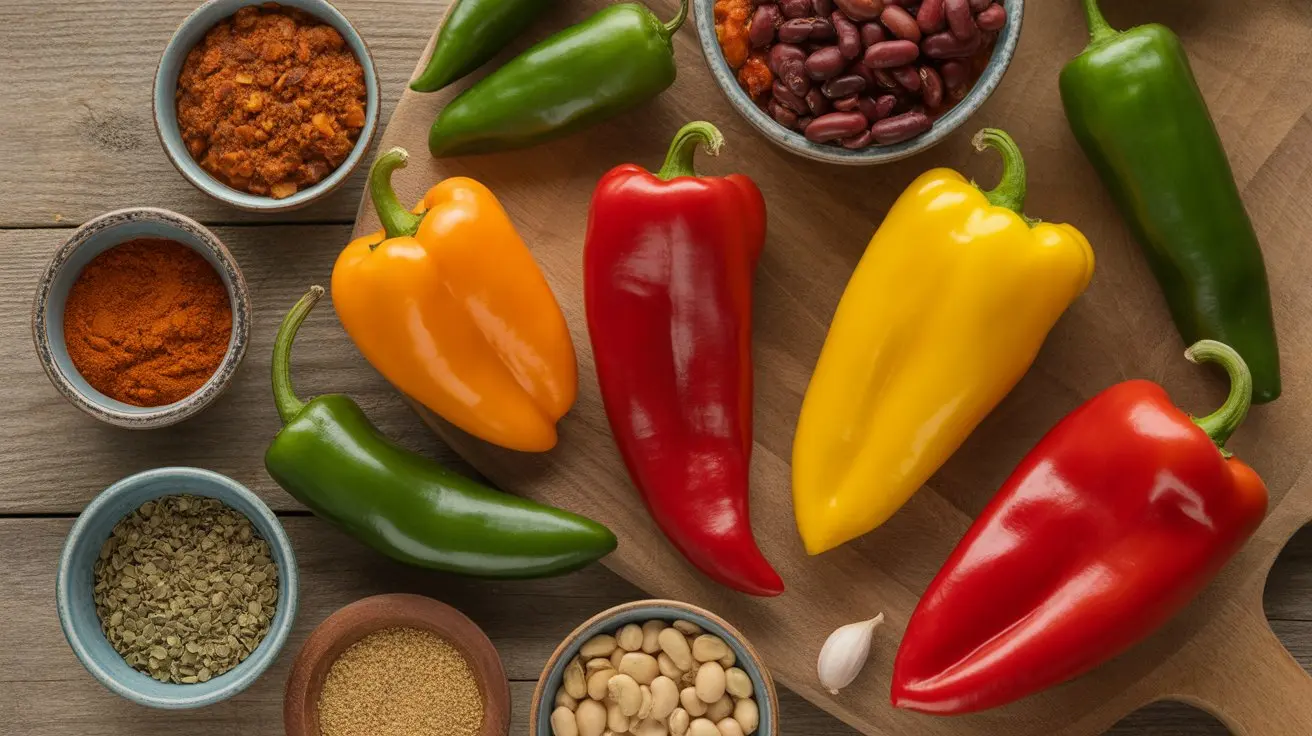
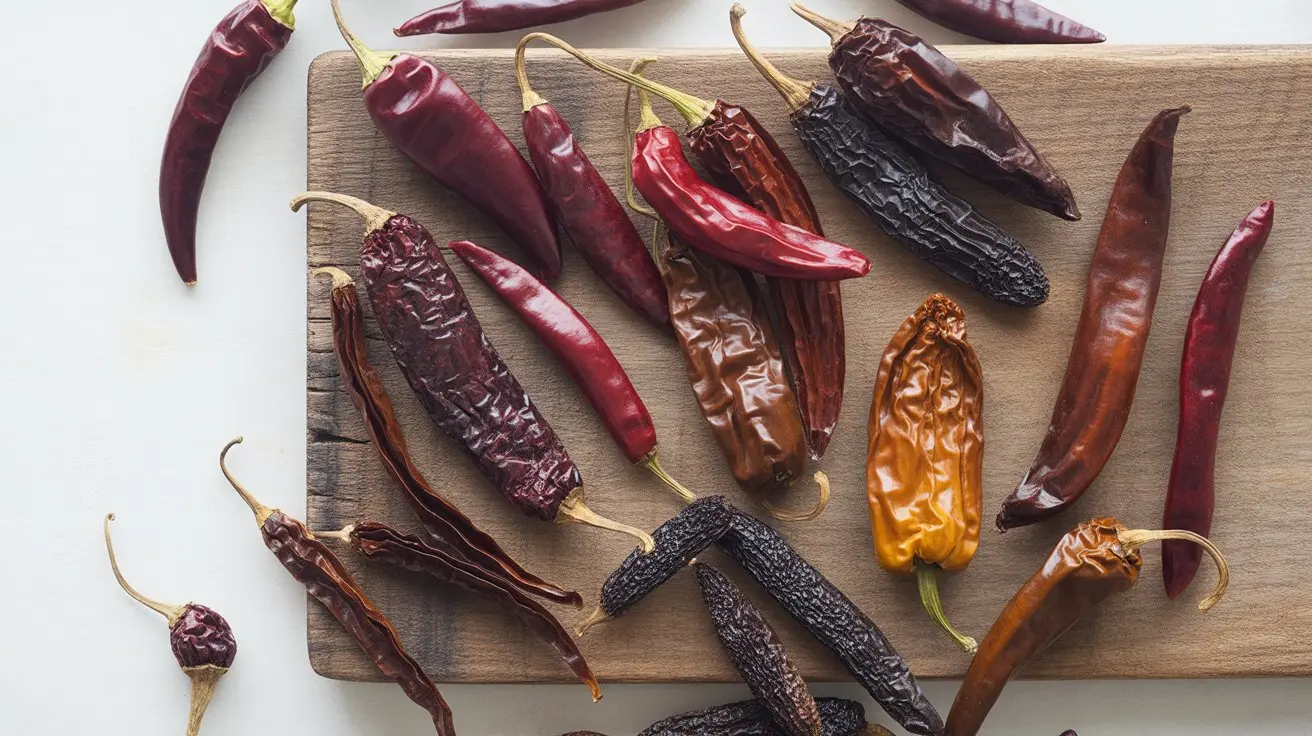
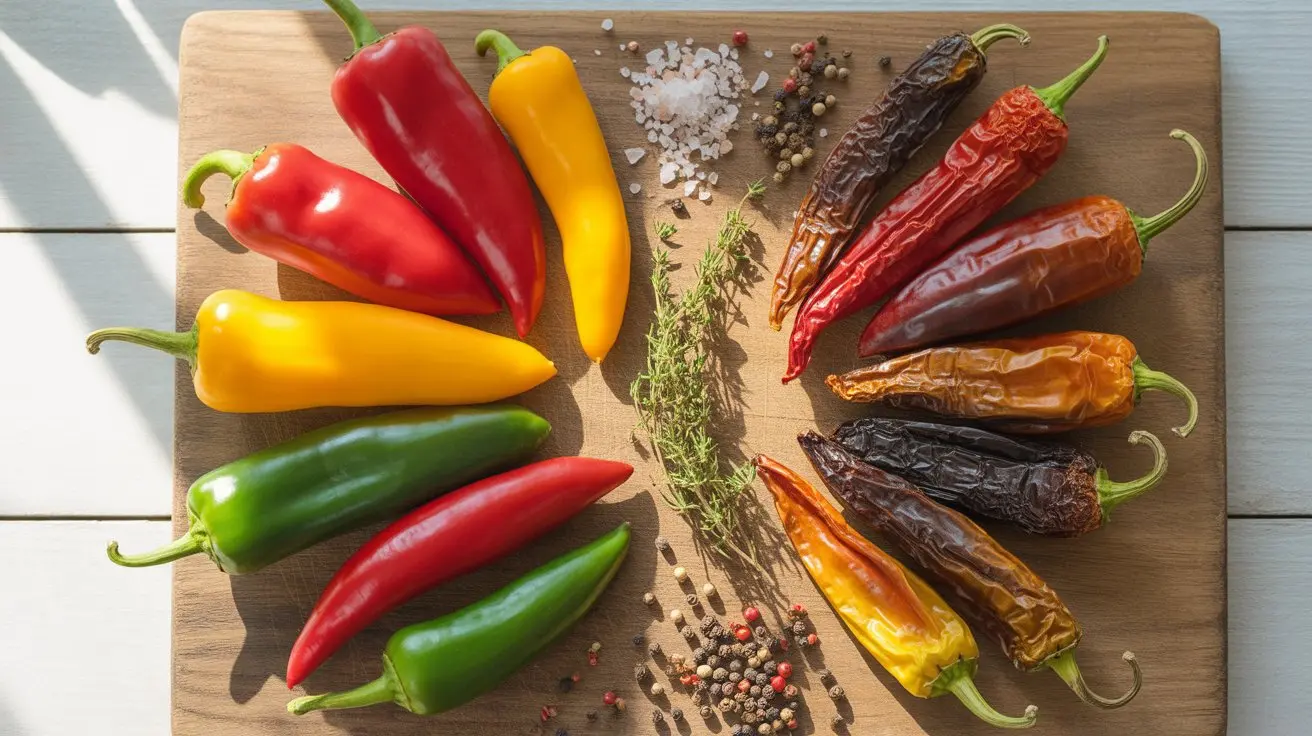
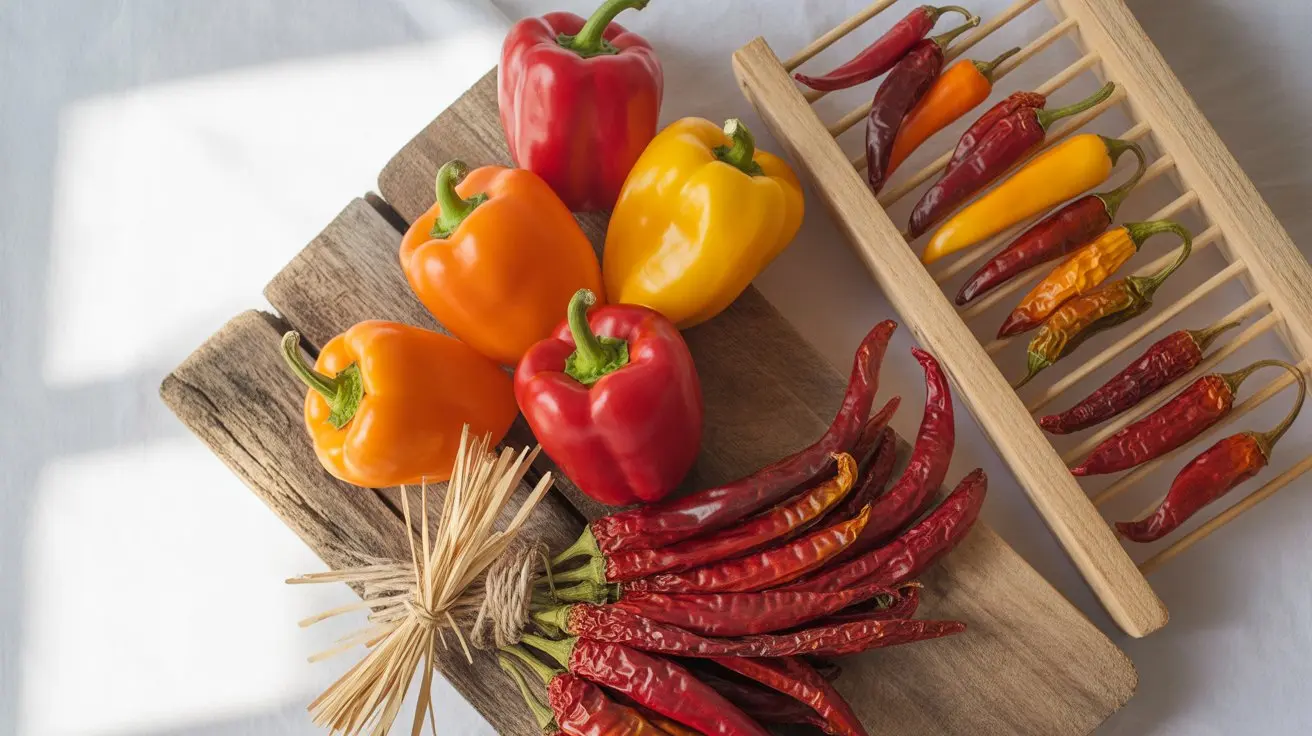
Ripe peppers ferment well because they bring sugar, aroma, and color. Jalapenos, Fresno peppers, habaneros, cayenne, and ripe serranos all work. Remove spoiled spots before packing because fermentation is not a cleanup tool for rotten produce.
For brine, use 20-30 grams of non-iodized salt per 1 liter of water. For mash, weigh the chopped peppers and mix in 2-3% salt by total pepper weight. A 500 gram pepper mash needs 10-15 grams of salt.
- Use non-iodized salt because additives can cloud brine or affect flavor.
- Wear gloves for the super-hot heat band.
- Add garlic or onion sparingly because they are low-acid ingredients.
- Use ripe red peppers when you want a bright red sauce.
- Use milder peppers to control heat before adding fruity habanero heat.
We usually blend one hot pepper type with one body pepper. For example, Fresno pepper variety plus habanero gives color, fruit, and heat without making the sauce painfully sharp.
Measure salt by weight, not by spoon
A tablespoon of salt can vary by brand and crystal size. A scale removes that guesswork, which matters more once you move from a small jar to a quart or half-gallon ferment.
For a brine, weigh the water or measure the liter volume, then dissolve the salt fully before pouring. For a mash, weigh peppers after trimming stems and bad spots, then massage in salt until the mash looks glossy and begins releasing liquid.
If you add carrots, onions, or garlic, include them in the total mash weight. They are part of the fermenting mass, so they need to be covered by the same salt math and held below the brine.
Use pH as a finish check, not a shortcut
pH strips can tell you whether a sauce is roughly acidic, but they are harder to read in dark red or orange sauce. A calibrated digital meter gives a cleaner reading if you make fermented sauce often.
Blend the sauce before checking pH so liquid and solids are represented together. If you test only the brine, you may miss what happens after pepper pulp, garlic, or fruit is blended back in.
We still refrigerate finished homemade sauce even after a good pH reading. Home batches vary too much in sanitation, bottle fill, added sugars, and heat treatment to treat one number as the whole safety plan.
Pack the jar so solids stay submerged
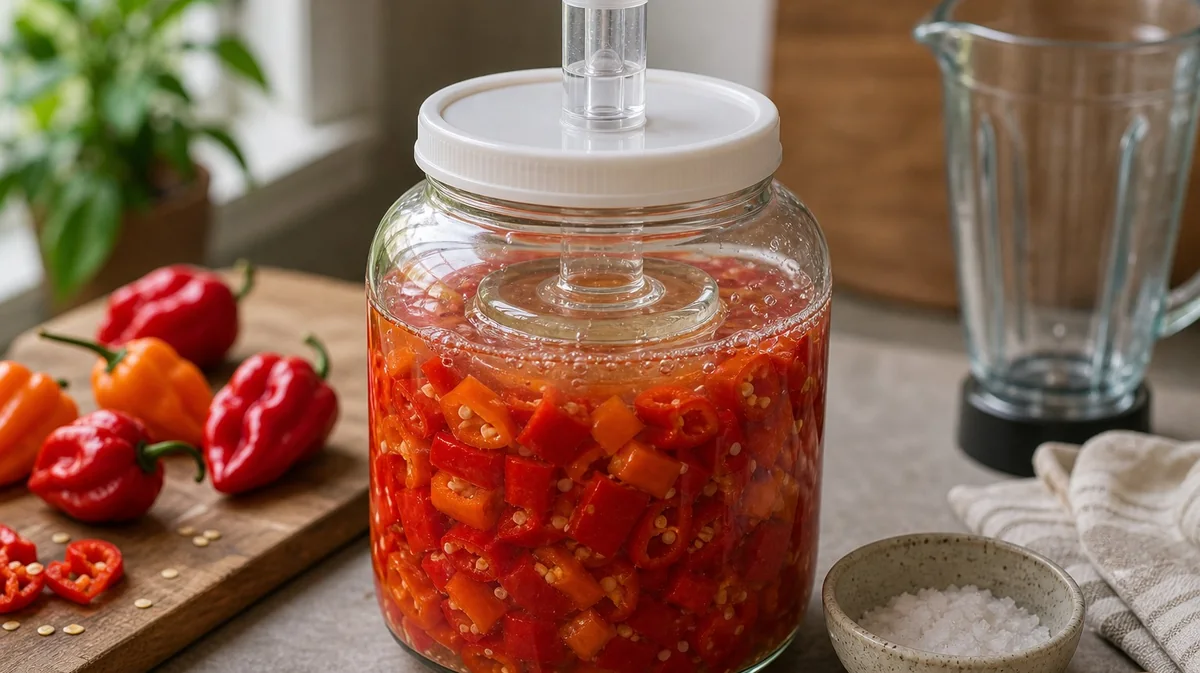
Clean the jar, lid, weight, knife, and board before you start. Pack peppers tightly, add brine if using the brine method, then use a fermentation weight or clean small jar to keep solids below the liquid.
Oxygen exposure is the problem at the surface. Peppers below brine ferment in a safer low-oxygen environment, while floating bits invite mold and off aromas.
Surface rule: discard a batch with fuzzy mold, pink growth, rotten odor, or slimy texture. Thin white film can be Kahm yeast, but we still remove it early and check smell, pH, and surface hygiene.
An airlock lid is helpful but not required. A loose lid can work if you burp it, but never seal an actively fermenting jar without pressure release.
Ferment until activity slows and acidity is there
Most pepper ferments run 7-21 days at normal room temperature. Warmer rooms move faster, cooler rooms move slower, and very hot rooms can produce rough flavors.
Look for bubbles, cloudy brine, a sour pepper aroma, and color softening. Those signs show activity, but pH is the better safety check.
FDA acidified-food guidance uses pH 4.6 as a key boundary for acidified foods. For home hot sauce, we prefer a margin below that, then refrigeration, because home meters, strips, and mixed sauces all introduce error.
Blend and finish the sauce
Drain and save some brine, then blend peppers with enough brine or vinegar to reach the texture you want. Vinegar sharpens the sauce and can help lower pH, while brine keeps the fermented flavor rounder.
Blend longer for a smooth sauce. Strain for a thin bottle sauce, or leave pulp in for a spoonable table sauce. If you add fruit, sugar, honey, roasted vegetables, or fresh herbs after fermentation, refrigerate and use the sauce sooner.
- For thin sauce, blend peppers, brine, and vinegar, then strain.
- For thicker sauce, blend the full mash and only thin as needed.
- For heat balance, blend with milder roasted peppers or carrot.
- For smoky depth, use a small amount of chipotle or smoked paprika.
This is where the sauce becomes yours. A the pepper fermenting guide blend with ripe cayenne tastes direct and sharp, while habanero hot sauce adds tropical aroma and stronger heat.
Bottle and store it safely
Use clean bottles or jars and leave room for expansion if the sauce may still be active. Refrigerate after bottling unless you are following a tested shelf-stable process reviewed for your recipe, pH, container, and heat treatment.
Commercial shelf-stable sauce is not just fermented and capped. FDA and 21 CFR 114 rules exist because acidified foods need pH control, process controls, and records. Home cooks should keep finished fermented sauce cold.
Label each bottle with the ferment date, pepper blend, and refrigerator start date. Check pressure before serving.
If a bottle hisses hard, sprays, grows mold, or smells rotten, discard it. The hot sauce shelf-life guide has the spoilage triage.
Troubleshooting common fermented hot sauce problems
Soft peppers are normal. Fuzzy mold is not. A sour, fruity smell is good; a rotten or solvent smell is not.
| Problem | Likely cause | Fix next batch |
|---|---|---|
| Floating pepper bits | No weight or loose pack | Use a weight and chop more evenly |
| No bubbles | Cool room, too much salt, or inactive ferment | Move warmer and verify salt math |
| Too salty | Brine too strong or too much brine blended in | Use 2-3% and thin with vinegar later |
| Pressure in bottle | Fermentation continued after bottling | Refrigerate, vent carefully, or discard if unsafe |
Fermented hot sauce is easy once the system is repeatable. Weigh salt, keep solids submerged, measure acidity, and store the finished sauce like a living food unless you have real process proof.