
7 Best Substitutes for Chiltepin (With Ratios)
Chiltepin peppers are tiny wild chiles native to the American Southwest and Mexico, prized for their intense, fleeting heat and smoky-earthy bite. When fresh or dried chiltepins are unavailable, you need a substitute that can approximate their sharp, quick-building fire without overwhelming a dish's other flavors. The seven options below range from close heat matches to flavor-forward alternatives, each with practical conversion guidance.
Best Chiltepin Substitutes
Prik Kee Noo
Closest MatchThe bird-pepper brightness of prik kee noo makes it the most structurally similar substitute available. These tiny Thai chiles share chiltepin's small size and deliver a sharp, fast-hitting heat that fades quickly rather than lingering on the palate.
Use a 1:1 substitution by count for fresh applications. The flavor profile skews slightly more grassy than chiltepin's smoky character, so consider a brief dry-toast in a skillet before adding to sauces or stews.
Prik kee noo is strongest when chiltepin is used whole or crushed at the table. The small pod size lets you keep the same visual and dosing rhythm: one tiny chile can season a bowl without adding pepper flesh.
For dried applications, toast the Thai chile for a few seconds until fragrant, then crush it. That quick toast brings it closer to chiltepin's desert-smoky edge without turning it into a smoked chile.
Malagueta Pepper
Runner-UpThe fiery South American bite of the malagueta is a strong match for dishes where chiltepin adds background heat without dominating. Malagueta chiles are small, thin-walled, and intensely hot - qualities that mirror chiltepin's role in braises, salsas, and pickled condiments.
Substitute at a 1:1 ratio. Their flavor carries a mild fruitiness that complements rather than competes with the smokiness chiltepin typically contributes.
Malagueta is the better cooked substitute for beans, vinegar sauces, and stews. It has a clean fire that survives simmering better than many tiny Asian chiles, and it does not add much sweetness.
Use 1 malagueta for every 1 to 2 chiltepins, depending on size and freshness. If the recipe uses dried chiltepin powder, grind dried malagueta and start at half the measured amount.
Guntur Sannam
Also GreatFor dried-chile applications, the deep red pungency of Guntur Sannam is worth considering. This South Indian variety is commonly available in dried or powdered form, which makes it practical when you need to replicate the dried chiltepin used in spice blends or slow-cooked sauces.
Use 3/4 teaspoon of Guntur powder for every 1 teaspoon of ground chiltepin. The heat builds slightly slower than chiltepin but reaches a comparable intensity.
Guntur's flavor is earthier and less smoky, so a pinch of smoked paprika helps bridge the gap.

Lumbre
The sharp southwestern heat of the lumbre chile earns its spot on this list because of its regional connection to the same cooking traditions that made chiltepin essential. Lumbre chiles are thin-skinned and dry well, making them versatile across the same applications - salsas, stews, and dried chile powders.
Substitute at a 1:1 ratio when using whole dried chiles. Their heat profile sits in a similar fast-flash zone, though the flavor tends toward a clean, almost citrusy sharpness rather than chiltepin's earthier smokiness.
Rocotillo
If you need a substitute that prioritizes flavor over matching heat intensity, the fruity Caribbean character of the rocotillo is worth a look. Rocotillo chiles are mild and fruity, shaped almost like a flying saucer, and they work particularly well in fresh salsas and pickled preparations where chiltepin adds flavor complexity rather than serious heat.
Use 2 rocotillos for every 1 chiltepin, and add a small pinch of cayenne or red pepper flakes to compensate for the heat gap. This pairing is part of the regional pepper tradition that spans from Mexico into the Caribbean.
Bell Pepper
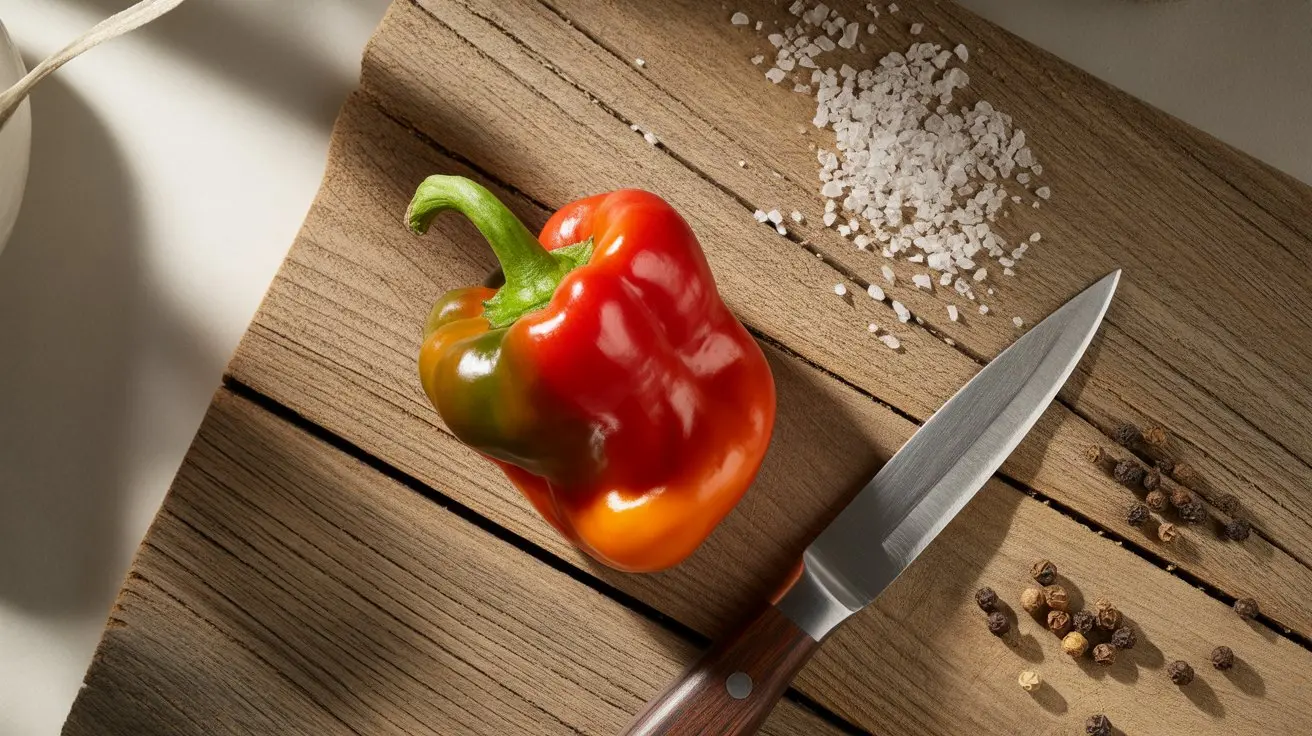
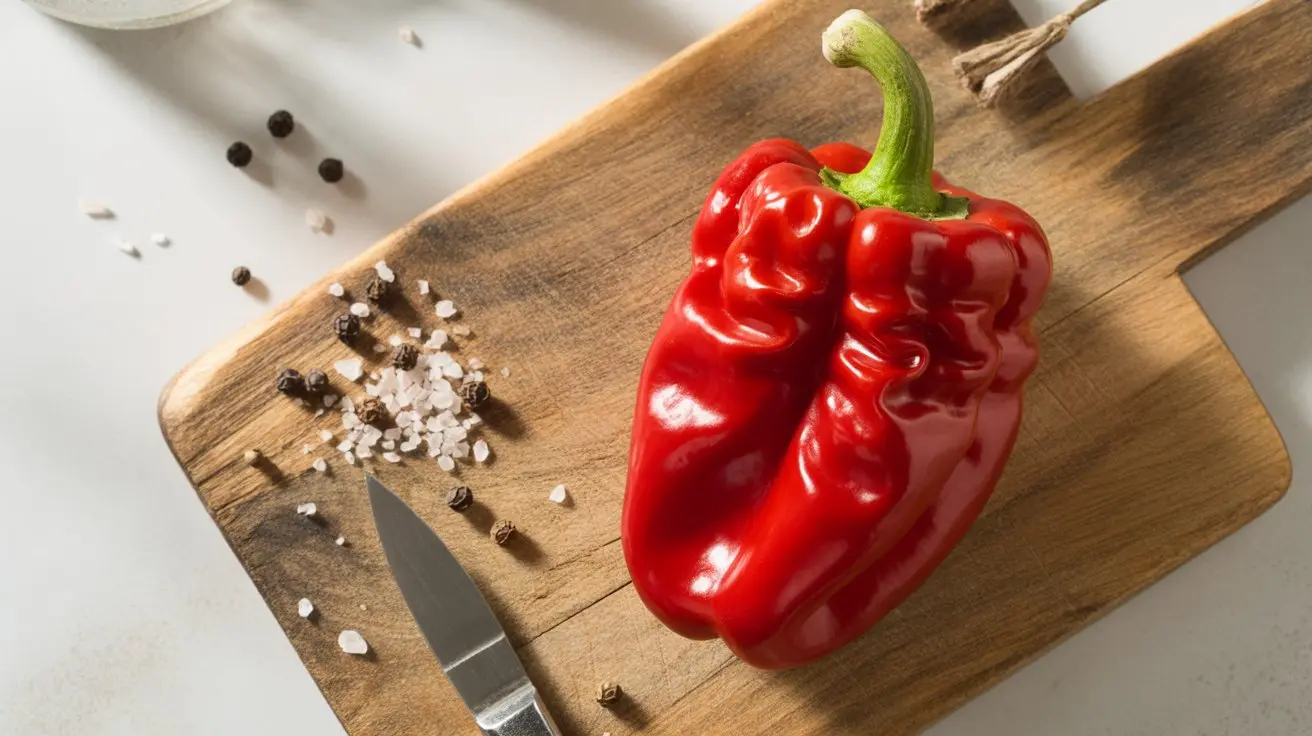
The sweet crisp character of bell pepper sits at the opposite end of the heat spectrum from chiltepin, but it earns a place here for cooked applications where bulk and body matter more than fire. Think stuffed pepper dishes, roasted vegetable medleys, or slow-cooked sauces where chiltepin was contributing sweetness alongside heat.
Use 1/4 of a medium bell pepper for every 4-6 chiltepins called for, and supplement with 1/4 teaspoon of cayenne to restore some heat. Bell peppers belong to the botanical family that includes chiltepin itself, so the underlying flavor compounds are genuinely related.
Habanada
The tropical sweetness of the habanada - a heatless habanero bred specifically for its fruity flavor - is the right call when you are cooking for heat-sensitive guests but still want the aromatic complexity that chiltepin brings to a dish. Habanada peppers carry a floral, mango-like quality that adds dimension to salsas and hot sauces without any burn.
Use 1 habanada for every 6-8 chiltepins, adjusting for the size difference. As with bell peppers, add cayenne or red pepper flakes if the dish needs the heat category this pepper belongs to restored.
Before choosing a swap, compare this option against live heat references and nearby cooking routes: Source pepper profile, peppers that work for salsa, smoked pepper methods, pepper swap index, and our mango salsa recipe.
Ratio check by dish
For salsa macha, crushed table spice, and bean pots, match chiltepin by count first, then by grind size. Use 1 prik kee noo or 1 small malagueta for 1 chiltepin, but toast the substitute briefly if the recipe expects chiltepin's nutty dry heat.
For vinegar sauce or quick salsa, start with half the substitute amount and build back up after ten minutes. Tiny peppers extract fast in acid, so a sauce that tastes mild at first can sharpen while it rests.
Peppers to Avoid as Chiltepin Substitutes
NuMex Joe E. Parker looks like a reasonable candidate because it is a New Mexican chile with some regional overlap in cultivation, but its thick flesh and mild, sweet heat make it a poor match for chiltepin's thin-skinned, intense character. The mild NuMex Joe E. Parker profile reads more like an Anaheim than a wild chile, and it would need so much heat supplementation that you are essentially building a different ingredient from scratch.
NuMex Heritage Big Jim has the same problem at a larger scale. It is a large, thick-walled New Mexican green chile bred for stuffing and roasting - almost the structural opposite of a small, thin, fiery chiltepin.
Using it as a substitute would fundamentally change the texture and heat distribution of any dish.
Sichuan pepper might seem relevant because it delivers a distinctive, sharp sensation, but it is not a true chile pepper at all - it is the dried husk of a citrus-family berry that creates numbness rather than capsaicin heat. The Sichuan pepper's numbing sensory effect comes from a completely different chemical mechanism and would alter any recipe in ways that chiltepin substitution is not meant to address.
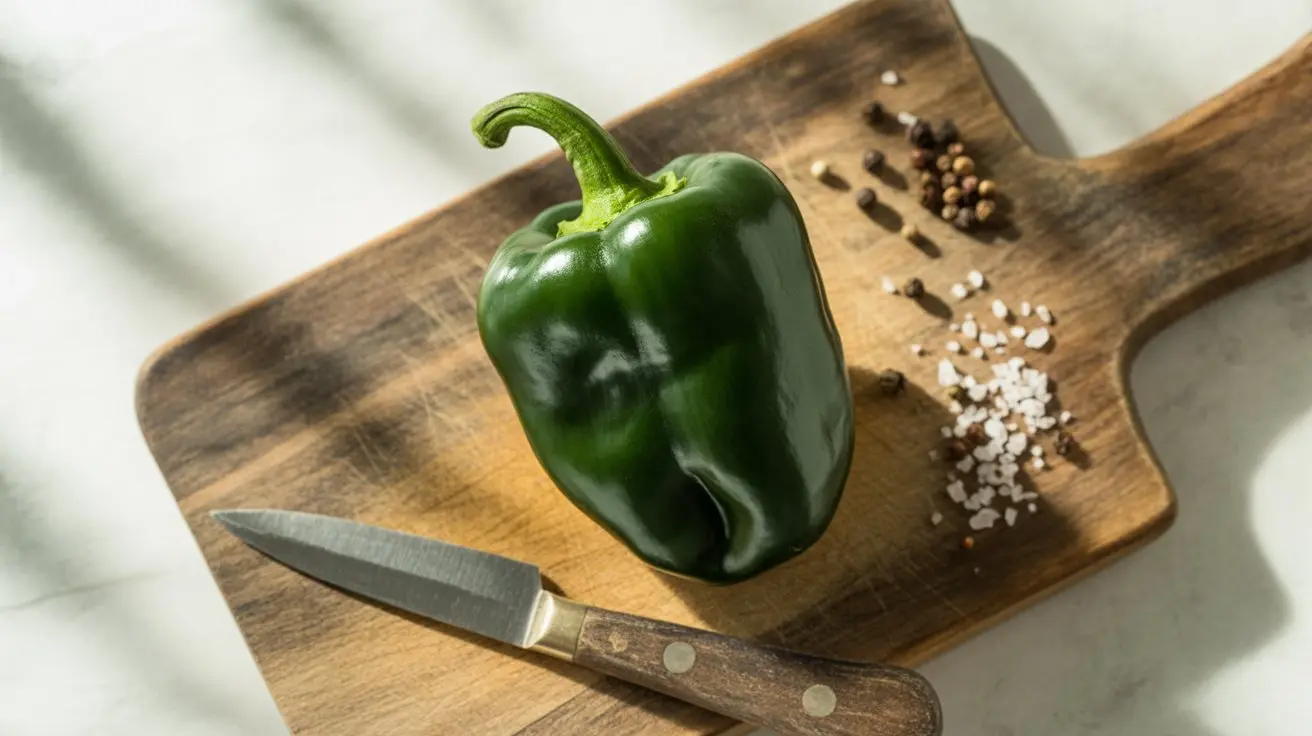
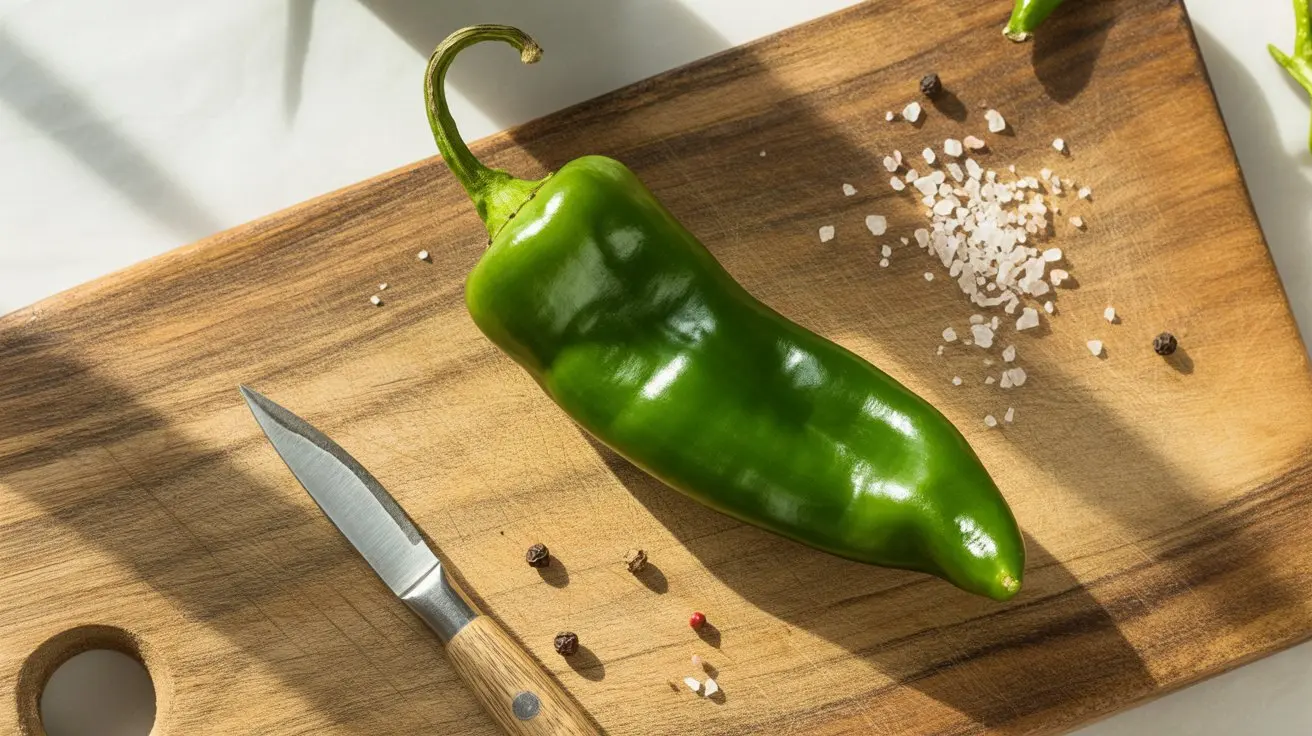
Avoid large fresh green chiles when chiltepin is acting as a finishing heat source. Anaheim, poblano, and Hatch-style peppers change body and moisture before they add enough heat.
They are useful base peppers, but they cannot mimic chiltepin's tiny pod format or quick flash of capsaicin. Use them only if you are rewriting the dish, not replacing the chile.
Substitution tip: When substituting Chiltepin, start with less of a hotter substitute and add more to taste. For milder substitutes, increase the quantity. Our swap ratio calculator gives precise conversion amounts, and the heat unit converter translates between Scoville and other scales.