
7 Best Substitutes for Chocolate Habanero (With Ratios)
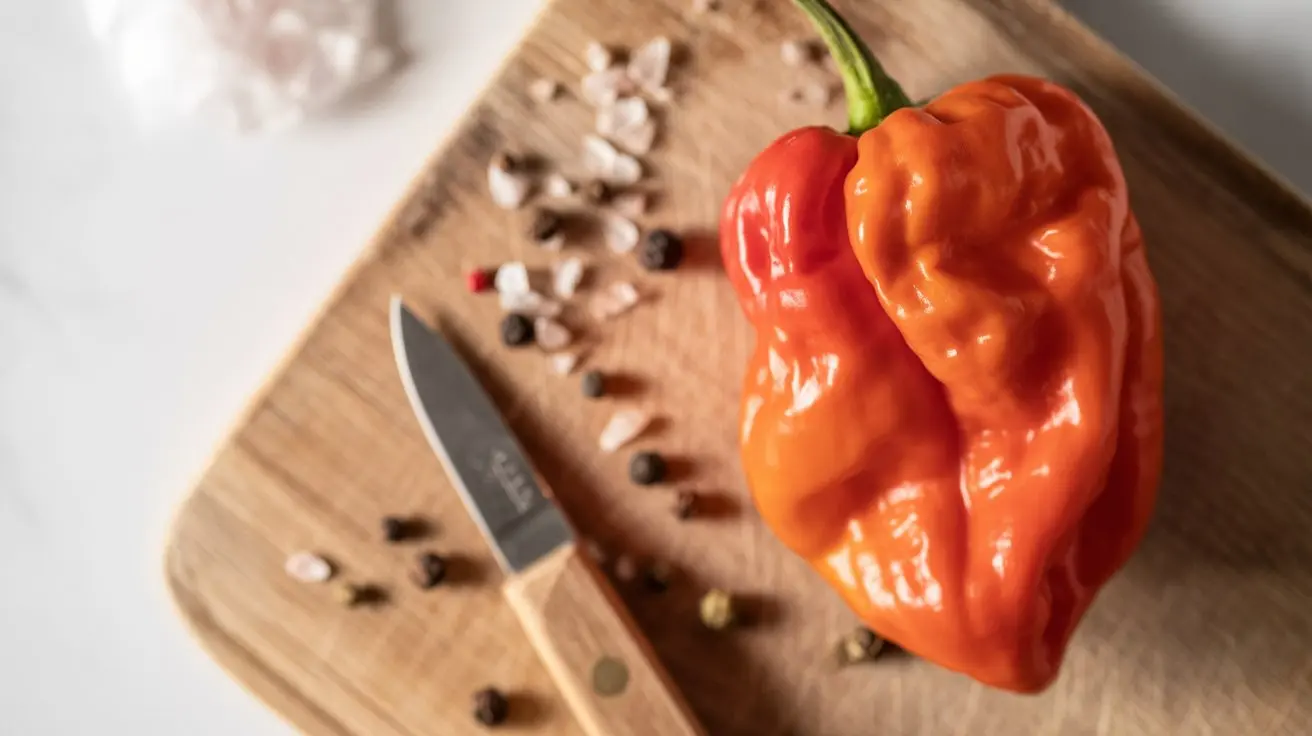
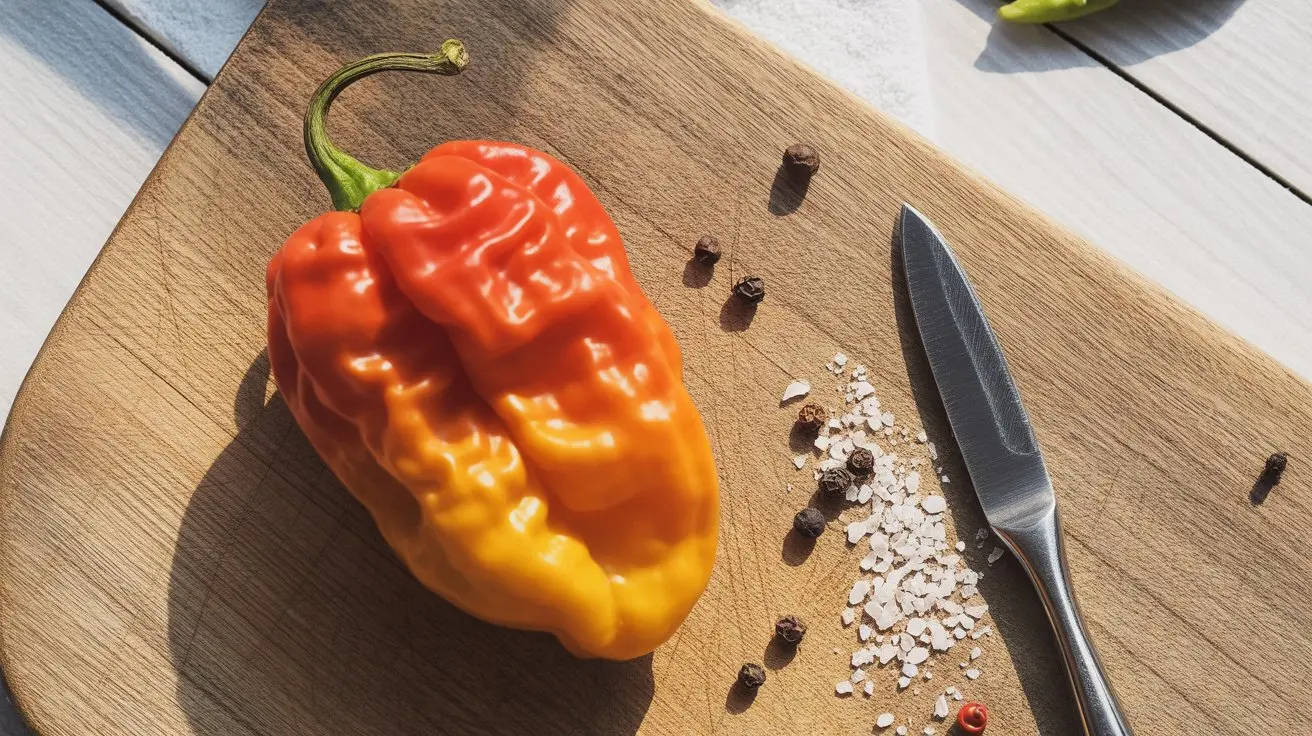
The chocolate habanero delivers 300,000-425,000 SHU of smoky, fruity heat - a level that sits well above most pantry peppers. Substitutes exist, but matching both the depth of smoke and the fruity Caribbean character takes some thought. The seven options below cover the full spectrum from near-identical replacements to slightly cooler alternatives that still carry that distinctive C. chinense fruitiness.
Best Chocolate Habanero Substitutes
Caribbean Red Habanero
Closest MatchAt 300,000-475,000 SHU, the intensely fruity Caribbean Red is the closest heat match on this list - it actually nudges slightly hotter on the top end. Both belong to the botanical family that defines Caribbean pepper character, sharing that thick-walled, deeply fruity profile.
The main difference is color and a touch less smokiness; the red version leans brighter and more tropical where the chocolate runs deeper and earthier.
Caribbean Red is strongest when the recipe needs heat and fruit more than the chocolate pod's dark color. Use it in hot sauce, jerk-style marinades, chutney, and pepper mash.
If the recipe names chocolate habanero for smoky depth, add a tiny amount of cocoa, roasted garlic, or smoked paprika after blending. Keep that addition small so the pepper still leads.
Jamaican Hot Chocolate
Runner-UpThis one is often the most flavor-accurate swap available. The smoky, fruity depth of Jamaican Hot Chocolate mirrors the chocolate habanero's profile more closely than almost anything else - same dark color, same earthy smokiness, same fruity backbone.
Heat lands at 100,000-350,000 SHU, so the ceiling is lower, but the flavor character is nearly identical.
Jamaican Hot Chocolate is the cleaner match when you can find it. It keeps the brown pod color, deep fruit, and smoky chinense character that make chocolate habanero distinct from orange habanero.
Use 1:1 by weight in sauces and cooked marinades. In raw salsa, start with less because the dark habanero aroma can dominate tomato, onion, and citrus quickly.
Fatalii
Also GreatThe citrus-forward scorching heat of Fatalii comes in at 125,000-400,000 SHU - overlapping well with the chocolate habanero's range. Originating in Central Africa rather than the Caribbean, it brings a sharp lemon-citrus fruitiness instead of smoky depth.
For hot sauces and marinades where brightness works, this is an excellent choice; for dishes where that earthy smoke matters, it falls short.
Expect a noticeably brighter, more acidic flavor profile - the heat category this pepper belongs to is the same, but the taste destination differs.

Hot Paper Lantern
The high-heat fruity intensity of Hot Paper Lantern sits at 300,000-400,000 SHU, making it a solid heat match. Flavor data is limited compared to the others here, but it carries the general C. chinense fruitiness.
It works best in cooked applications where the nuances of smoke and tropical fruit matter less than raw firepower.
Scotch Bonnet
At 100,000-350,000 SHU, the tropical fruity punch of Scotch Bonnet sits at the lower end of the chocolate habanero's range but delivers unmistakable Caribbean authenticity. It is the backbone of the regional pepper tradition that the chocolate habanero belongs to - Jamaican jerk, Trinidadian pepper sauces, and countless island stews rely on it.
The flavor is sweeter and more tropical, less smoky.
Habanero
The standard orange habanero's fruity citrus heat runs 100,000-350,000 SHU - roughly 1.5x hotter than a guajillo at its peak, compared to the chocolate habanero's potential 4x+ advantage. It is widely available, which matters when you need a substitute fast.
Flavor is bright and fruity with citrus notes, lacking the earthy smokiness of the chocolate variety.
For dishes where smoke is central, a few drops of liquid smoke can bridge the gap.
Madame Jeanette
Less common outside South American and Caribbean markets, the tropical fruity character of Madame Jeanette delivers 100,000-350,000 SHU with a flavor profile that leans sweet and tropical. It shares the C. chinense fruitiness but without any smokiness.
Works well in fresh salsas and pepper sauces where the goal is heat plus fruit rather than heat plus smoke.
Best Choice by Use
For jerk marinade and Caribbean-style sauces, Scotch Bonnet or Caribbean Red Habanero is the best practical swap. Scotch Bonnet keeps the island fruit character, while Caribbean Red comes closer to the chocolate habanero's heat ceiling.
For dark hot sauce, Jamaican Hot Chocolate is the most accurate flavor choice. It keeps the brown color, smoky fruit, and earthy finish that make chocolate habanero different from orange habanero.
Use it at 1:1 for flavor, then add a small amount of Caribbean Red or Fatalii only if the sauce needs more heat.
For dry seasoning, barbecue sauce, and chili, pair a brighter habanero with smoked paprika or a small amount of ancho. That combination will not copy chocolate habanero exactly, but it rebuilds the two missing pieces: smoke and dark fruit.
Ratio and Flavor Notes
Use 1:1 for Caribbean Red Habanero when heat matters. Use 1.25:1 Scotch Bonnet when flavor matters and the recipe can tolerate a little extra sweetness.
If you substitute orange habanero, reduce citrus in the recipe slightly. Orange habaneros lean sharper and brighter, while chocolate habaneros taste deeper and more savory.
That difference is why the swap works better in vinegar sauces than in slow-cooked stews.
Peppers to Avoid as Chocolate Habanero Substitutes
Cayenne seems like a reasonable heat substitute at 30,000-50,000 SHU, but the gap is enormous - you would need six or more cayennes to approach the heat of a single chocolate habanero, and the thin, grassy flavor shares nothing with the smoky-fruity C. chinense profile. The math and the taste both work against it.
Ghost pepper (Bhut Jolokia) runs hotter at 800,000-1,000,000+ SHU and occasionally gets suggested as a close relative, but the heat differential is too large - even half a ghost pepper overwhelms most recipes. More importantly, ghost pepper flavor is more floral and one-dimensional compared to the layered smokiness of the chocolate habanero.
Chipotle (smoked jalapeño) tempts because of the smoke angle, but at 2,500-8,000 SHU it is roughly 50 times milder. You can approximate the smokiness, but no amount of chipotle will deliver the fruity heat that defines a chocolate habanero in a hot sauce or marinade.
Liquid smoke can help in tiny amounts, but it should not be the main substitute. It adds smoke without pepper fruit, and too much makes a sauce taste artificial.
Sweet paprika alone gives color but not heat. It can support a substitute blend, but it cannot replace chocolate habanero by itself.
Avoid using ghost pepper just to raise heat. It brings a slower burn and a different earthy profile, while chocolate habanero is still habanero-family fruit with dark undertones.
If you need more heat, add a measured pinch of super-hot powder to a habanero base rather than replacing the flavor base entirely.
Substitution tip: When substituting Chocolate Habanero, start with less of a hotter substitute and add more to taste. For milder substitutes, increase the quantity. Our swap ratio calculator gives precise conversion amounts, and the heat unit converter translates between Scoville and other scales.