
7 Best Substitutes for Datil Pepper (With Ratios)
The datil pepper is a fiery, fruity Florida original - closely related to habanero and Scotch bonnet - that brings a distinctive sweet-heat punch to dishes. Finding it outside St. Augustine can be genuinely difficult, and even online sources run out seasonally. Whether you need a fresh swap or a dried alternative, the right substitute depends on matching both the heat intensity and that characteristic fruity depth.
Best Datil Pepper Substitutes
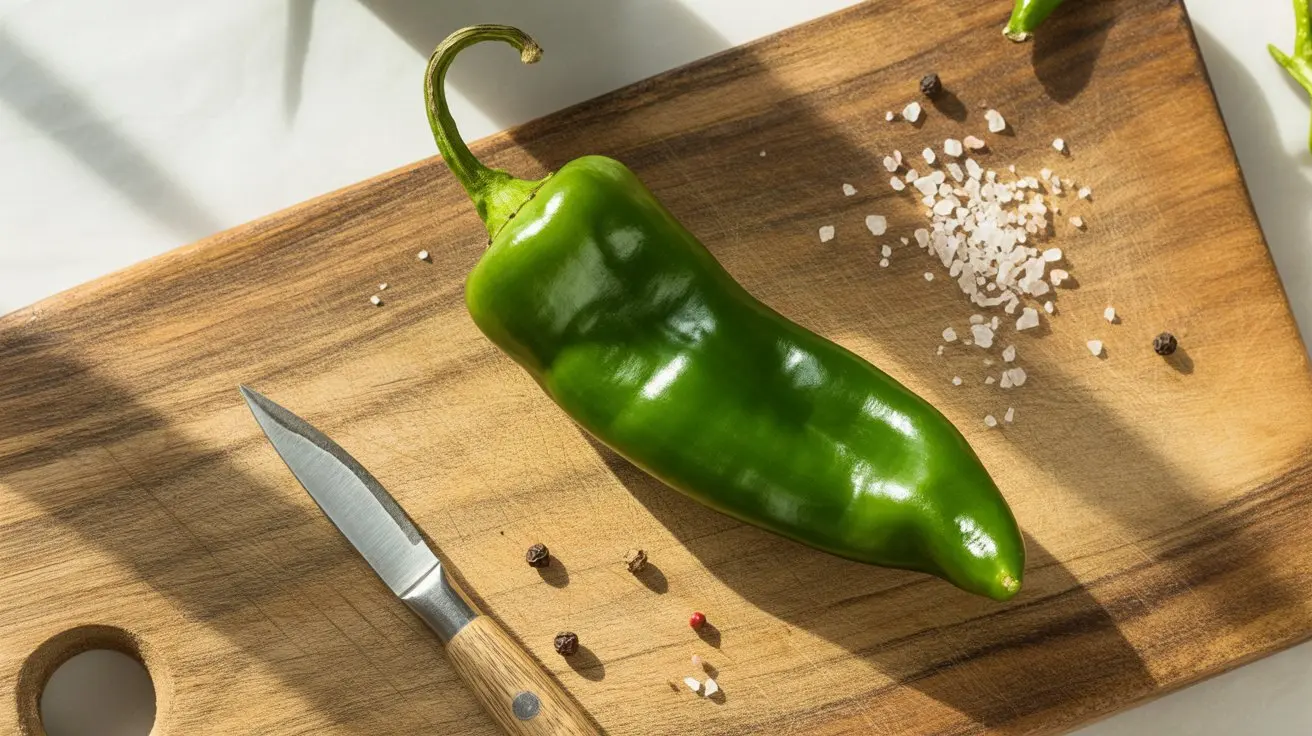
Habanero
Closest MatchAt 100,000-350,000 SHU, the habanero is the closest structural match to datil in both heat and flavor profile. Both belong to Capsicum chinense, which means you get that same tropical-fruity aroma underneath the fire.
The habanero's sharp citrus-forward burn skews slightly hotter and less sweet than datil, but the difference is subtle enough that most recipes won't notice. Use a 1:1 ratio, possibly dialing back by 10-15% if your datil source was on the milder end of its range.
Habanero is strongest in datil-style hot sauces when sweetness is part of the formula. In our sauce tests, the swap worked best with a small boost of honey, carrot, or ripe mango because datil has a rounded St.
Augustine sweetness that plain habanero can miss. For vinegar sauces, use 1 habanero per datil, then add sweetness in teaspoons, not tablespoons, so the sauce still reads like pepper rather than fruit glaze.
Scotch Bonnet
Runner-UpAnother C. chinense cousin, the scotch bonnet lands at 100,000-350,000 SHU and arguably captures datil's fruity sweetness better than habanero does. The scotch bonnet's distinctly tropical, almost candy-like heat profile makes it a natural stand-in for Caribbean-influenced dishes and Florida-style hot sauces.
Use a 1:1 ratio. If you want to compare how these two stack up for your specific recipe, the datil vs. scotch bonnet side-by-side breakdown is worth a look before you commit.
Scotch bonnet is the better pick for seafood, mustard sauces, and Caribbean-style stews because its fruit note is broader and less citrusy. It can make a datil recipe taste slightly more tropical, which is not a flaw in grilled shrimp, chicken, or rice dishes.
Use a straight 1:1 pod count for fresh peppers. If using frozen Scotch bonnets, thaw and drain them first so the sauce does not thin out.
Rocotillo
Also GreatThe rocotillo's mild Caribbean fruitiness sits at roughly 1,500-2,500 SHU - dramatically cooler than datil - but its flavor chemistry is surprisingly close. It shares that C. chinense lineage, delivering a floral, slightly sweet character that mimics datil's aroma without the aggression.
This is the substitute to reach for when you want the flavor story without scorching heat. Use 2:1 (two rocotillos per datil) and consider adding a small amount of cayenne to close the heat gap if needed.

Habanada
The habanada's entirely heat-free tropical flavor is a habanero bred specifically for zero capsaicin - sitting at 0 SHU. That sounds counterintuitive as a datil substitute, but in cooked sauces where the heat comes from a separate source (cayenne, hot sauce), the habanada delivers the fruity C. chinense flavor note that makes datil sauces taste like themselves.
Use 1:1 by volume, then add heat separately to taste. Best suited for cooking applications, not raw preparations where the heat absence is immediately obvious.
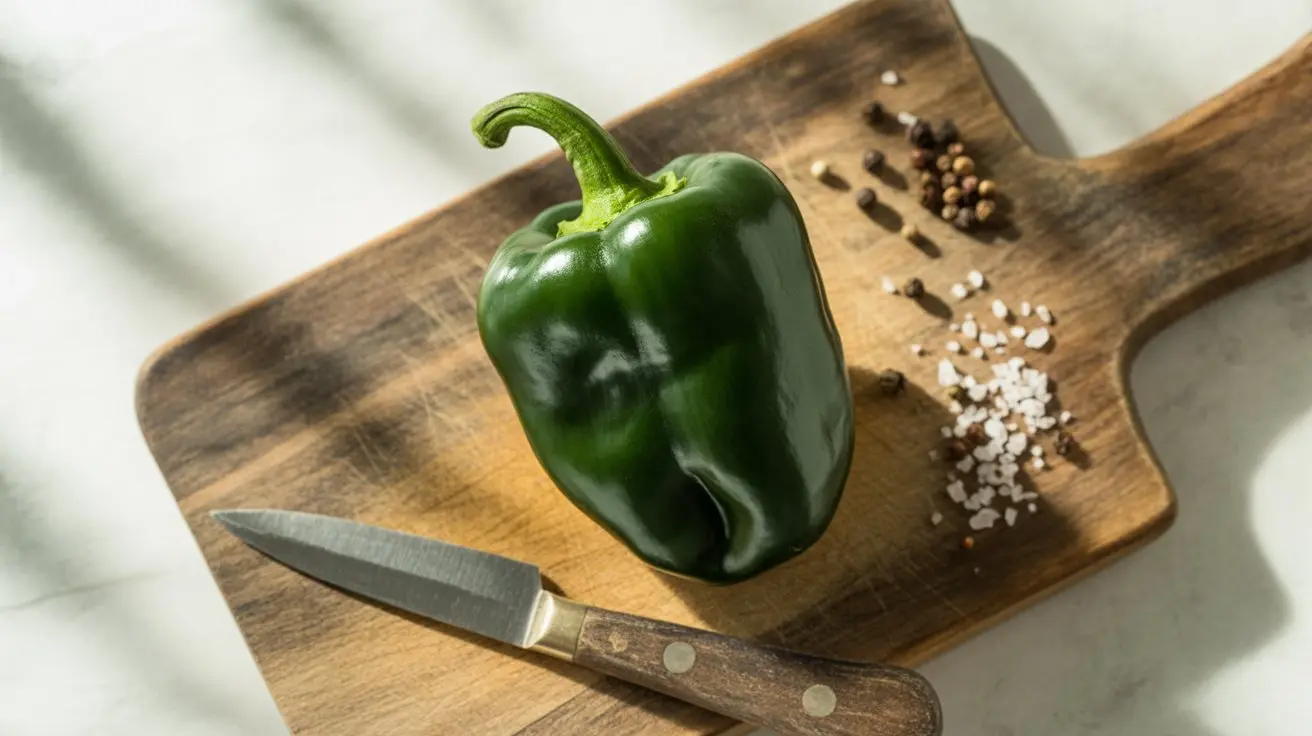
Bell Pepper
At 0 SHU, bell pepper's clean, sweet crunch shares none of datil's heat but captures some of its sweetness in a way that works in cooked applications. Red bells bring the most flavor complexity.
This is a purely pragmatic substitute for situations where heat isn't the point - think stuffed peppers, roasted blends, or dishes where datil was adding body and sweetness rather than fire. Use 1:1 by volume and supplement with cayenne or crushed red pepper to approximate heat level.
Not ideal for hot sauces.
Lumbre
The lumbre pepper's bright, thin-walled heat offers a different angle - it's a C. annuum type with moderate-to-high heat that works when you need pepper presence without the C. chinense fruitiness. The flavor profile is earthier and less tropical than datil, making it better suited for Tex-Mex applications than Florida-style cooking.
Use a 1:1 ratio, adjusting for heat level based on your specific lumbre source, which can vary considerably.
Malagueta
The malagueta's sharp, grassy Brazilian heat brings 60,000-100,000 SHU and a distinctly different flavor direction - more herbal and less fruity than datil. It works as a last-resort substitute when nothing else is available, particularly in vinegar-based hot sauces where its sharpness reads as complexity.
Use a 1:1 ratio by heat, but expect the flavor to shift noticeably. The datil vs. habanero comparison is also useful context here, since malagueta sits in a similar heat bracket to habanero and that reference point helps calibrate how much to use.
Best Pick by Application
For Florida-style datil sauce, habanero plus a small amount of honey is the most practical substitute. Habanero covers the C. chinense heat, while honey helps rebuild datil's softer sweetness.
For Caribbean sauces and marinades, Scotch Bonnet often tastes closer than habanero. Use 1:1, then reduce any added sugar because Scotch Bonnet brings its own tropical sweetness.
For fresh salsa, rocotillo works only when heat can drop sharply. It gives fruit and aroma, but you will need a separate hot pepper if the salsa is supposed to taste like datil rather than mild relish.
For Minorcan-style soups and seafood sauces, keep the substitute fruity rather than smoky. Habanero and Scotch Bonnet fit that role better than chipotle or dried Mexican chiles.
Peppers to Avoid as Datil Pepper Substitutes
Jalapeño seems like a reasonable fallback given its availability, but at 2,500-8,000 SHU it lands far below datil's heat range and - more critically - it belongs to Capsicum annuum, which means none of the fruity, tropical flavor that defines datil transfers over. You end up with something that's simultaneously too mild and too grassy.
Cayenne is another tempting option because the heat numbers can be made to match with enough volume, but cayenne's flavor is thin and one-dimensional. Datil's appeal is the interplay between sweetness and heat - cayenne delivers only the latter, and in powder form it changes the texture of sauces and salsas in ways that are hard to correct.
Serrano sits at 10,000-23,000 SHU with a clean, bright heat that reads nothing like datil's fruity burn. It's a solid pepper on its own terms, but using it as a datil substitute means sacrificing both the heat intensity and the flavor character simultaneously - the two things you're actually trying to replace.
Orange sweet peppers can add color and sweetness, but they miss both the heat and the C. chinense aroma. They work only as background body.
Superhot peppers such as Reaper or Moruga overshoot datil quickly. A tiny amount can boost heat, but they change the sauce's burn pattern and can bury datil-style sweetness.
Avoid cayenne-heavy blends in datil pepper jelly and datil mustard sauce. They can hit a similar Scoville target on paper, but the finish turns sharp and dry instead of sweet and rounded.
If no chinense pepper is available, build a backup with a mild sweet pepper plus a small amount of habanero powder. That keeps the fruit note closer than cayenne alone.
Substitution tip: When substituting Datil Pepper, start with less of a hotter substitute and add more to taste. For milder substitutes, increase the quantity. Our swap ratio calculator gives precise conversion amounts, and the heat unit converter translates between Scoville and other scales.