
7 Best Substitutes for Espelette Pepper (With Ratios)
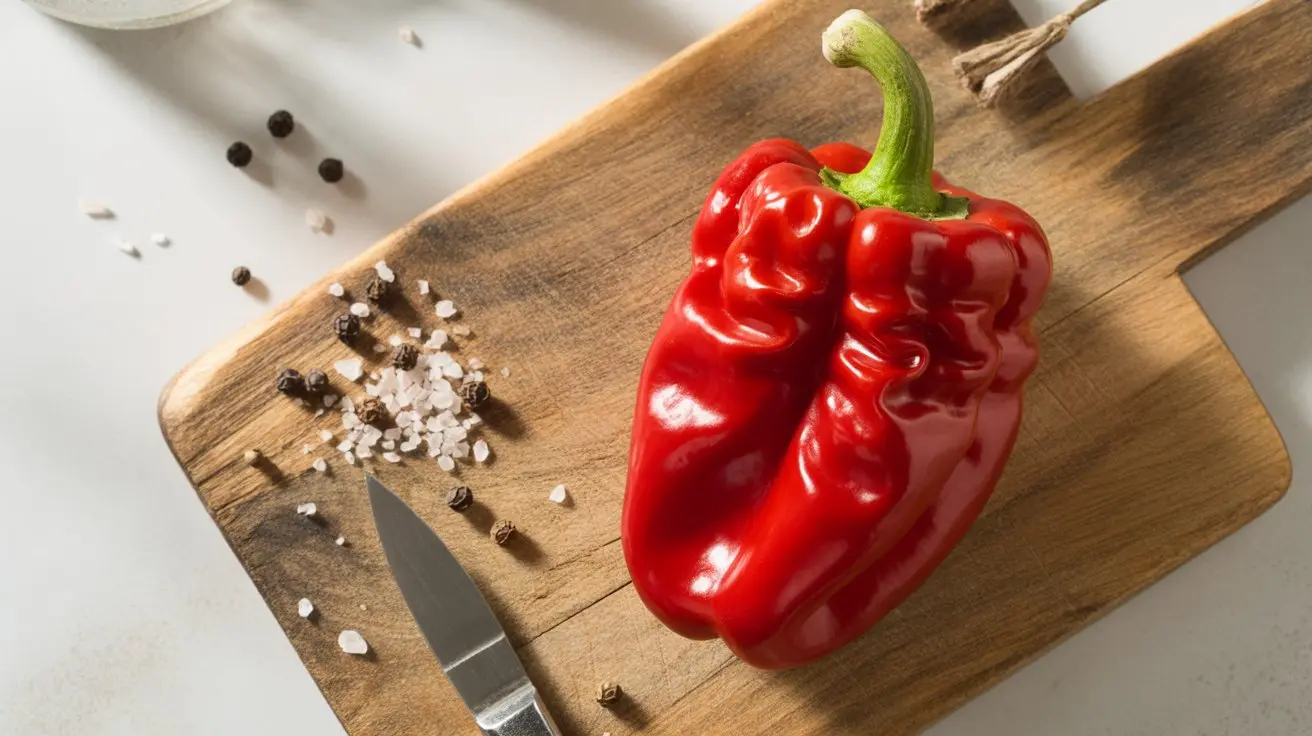
Espelette pepper (piment d'Espelette) is a mildly spicy, earthy, slightly sweet chili from the Basque region of France with a distinctive brick-red color and complex fruity undertone. Finding a true substitute is tricky because its flavor sits at a specific crossroads of warmth, sweetness, and depth that few single peppers replicate. The seven alternatives below cover the full spectrum from flavor-first swaps to heat-matched options depending on what your dish actually needs.
Best Espelette Pepper Substitutes
Sweet Paprika (Hungarian or Spanish)
Closest MatchPaprika is the closest pantry match for Espelette in both color and flavor profile. 0 SHU for sweet varieties, it delivers the same brick-red hue, mild earthiness, and subtle sweetness without any meaningful heat.
Use 1:1 by volume as a direct swap in rubs, sauces, and finishing dusts. For a closer approximation of Espelette's faint warmth, blend sweet paprika with a pinch of cayenne at roughly a 10:1 ratio.
The flavor matchup between Espelette and paprika shows how similar their kitchen roles really are - both are finishing spices more than heat sources.
For a Basque-style finishing sprinkle, sweet paprika needs a small correction rather than a full rebuild. On eggs, roasted potatoes, and white bean stew, paprika alone can give the right color but finish flatter than Espelette.
A pinch of mild red chile powder or a few grains of cayenne in each tablespoon of paprika brings back the gentle edge without turning the dish hot. Keep the blend dry and add it after cooking, because paprika can taste bitter when fried hard in oil.
Aleppo Pepper
Runner-UpAleppo flakes bring a fruity, oily, moderately warm character that mirrors Espelette's complexity better than almost anything else. At roughly 10,000 SHU, it runs slightly warmer, so start with ¾ teaspoon Aleppo for every 1 teaspoon Espelette and adjust.
The sun-dried, semi-moist texture means it behaves differently in dry rubs but excels in olive oil-based applications, marinades, and braised dishes. The Aleppo vs. Espelette comparison breaks down exactly where these two diverge in cooking applications.
Aleppo works better when the recipe can tolerate a softer, raisin-like sweetness. Use slightly less in cream sauces, fish, and delicate vinaigrettes, because Aleppo flakes carry more moisture and a rounder fruit note than dry Espelette powder.
In meat rubs or tomato sauces, the difference is useful rather than distracting: start at 3/4 teaspoon Aleppo for every 1 teaspoon Espelette, then adjust salt after the flakes bloom.
Bell Pepper (Dried and Ground)
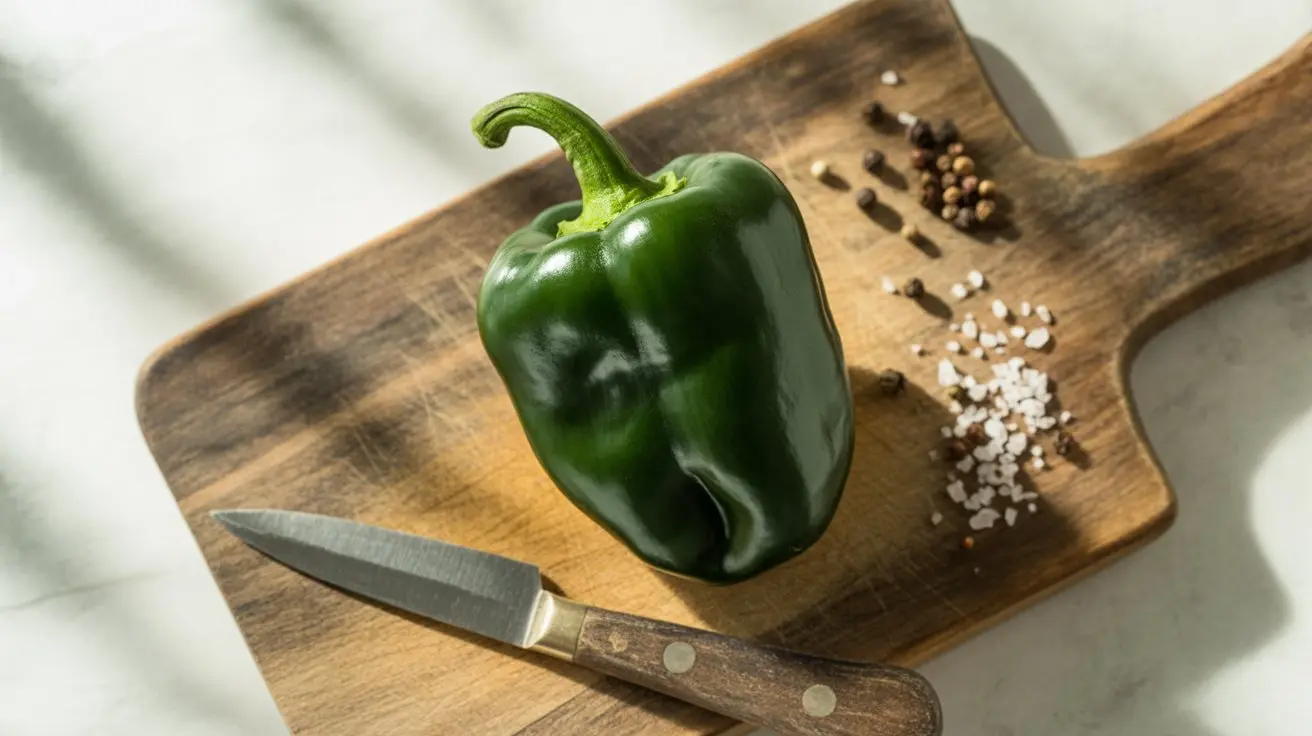
Also GreatFresh bell pepper won't cut it, but dried and powdered sweet bell pepper at 0 SHU gives you the right mild sweetness and body. It lacks Espelette's earthiness and faint heat, but in egg dishes, cream sauces, and compound butters, the color and mild vegetal sweetness hold up well.
Use 1:1 as a base, then add a tiny pinch of black pepper or mild chili for dimension. This is the best option when heat is completely off the table.

Habanada Pepper (Dried)
The habanada's tropical, zero-heat fruitiness makes it a sleeper pick for Espelette substitution. Bred specifically to carry habanero's complex fruit flavor without capsaicin, dried and ground habanada at 0 SHU delivers a floral, apricot-like depth that actually surpasses Espelette in aromatic complexity.
Substitute 1:1 by volume, though sourcing dried habanada powder requires specialty retailers or home drying. Best in vinaigrettes, finishing butters, and anywhere Espelette's fruity side matters most.
NuMex Heritage Big Jim (Dried)
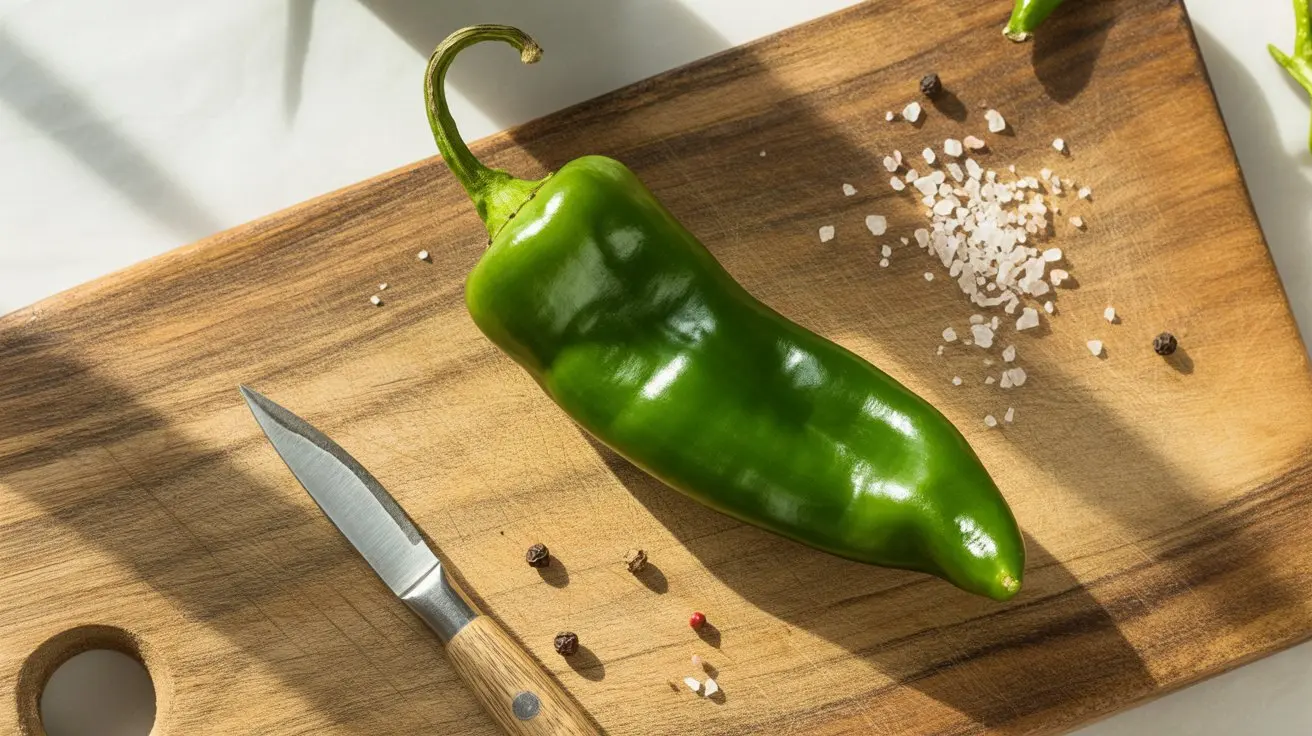
New Mexico's famous NuMex Heritage Big Jim dries into a mild, earthy, slightly sweet powder that shares Espelette's Southwestern warmth without overwhelming heat. At the mild end of the 0-1,000 SHU range, it's a practical swap in spice rubs, stews, and anything calling for Espelette as a background note rather than a star.
Use 1:1, and look for the dried powder at New Mexican specialty shops or online. The earthiness skews more savory than Espelette's slight fruitiness, so it works better in meat applications than in delicate egg or fish dishes.
NuMex Joe E. Parker (Dried)
NuMex Joe E. Parker is another New Mexico Hatch-type that dries beautifully into a mild, slightly sweet powder with good color. Also in the 0-1,000 SHU range, it's functionally similar to Big Jim but with a slightly lighter, cleaner flavor.
Use 1:1 as a straightforward swap. It performs particularly well in dishes where Espelette is used as a finishing dusting - scrambled eggs, grilled fish, roasted vegetables - because the clean, mild heat doesn't compete with other flavors.
Rocotillo Pepper (Dried)
Rocotillo pepper profile is a mild, fruity Caribbean pepper that rarely appears in substitute discussions but deserves a spot here. At 1,500-2,500 SHU it runs slightly warmer than Espelette's typical range, so use ¾ teaspoon per 1 teaspoon Espelette called for.
Its fruity, slightly floral character is closer to Espelette's personality than most North American mild peppers. Dried rocotillo is uncommon in mainstream stores but available through Caribbean specialty grocers and online spice retailers.
Best in sauces, sofrito-style bases, and slow-cooked dishes where its fruitiness can bloom.
Before choosing a swap, compare this option against live heat references and nearby cooking routes: Source pepper profile, pepper choices for salsa, smoked pepper prep methods, full substitute library, and fresh mango salsa with peppers.
Best Pick by Application
For Basque-style chicken, eggs, and potatoes, sweet paprika plus a tiny pinch of cayenne is the best Espelette substitute. Start with 1 teaspoon paprika plus a pinch of cayenne for every teaspoon of Espelette.
For finishing oil or butter, Aleppo is better than paprika because it brings fruit, oiliness, and gentle warmth. Use 3/4 teaspoon Aleppo for 1 teaspoon Espelette.
For dry rubs, dried ground bell pepper plus a little hot paprika keeps the color and mild pepper tone without adding smoke.
Peppers to Avoid as Espelette Pepper Substitutes
Cayenne powder seems like a logical reach because it's mild and red, but its sharp, one-dimensional heat profile is completely at odds with Espelette's gentle, fruity complexity. Even at small quantities, cayenne's piercing heat overwhelms the subtle warmth that makes Espelette distinctive - a 10:1 dilution with paprika gets closer, but straight cayenne is a mismatch.
Chipotle powder has the earthy depth and mild heat on paper, but the heavy smokiness rewrites the flavor of any dish. Espelette is not a smoky pepper, and chipotle's dominant mesquite character will pull a Basque-inspired dish in a completely different direction.
Gochugaru (Korean red pepper flakes) looks similar and shares mild-to-moderate heat, but its flavor is distinctly fermentation-adjacent with a brightness that doesn't match Espelette's earthy, wine-country character. In Korean dishes, gochugaru is irreplaceable - in Espelette's place, it creates a flavor collision rather than a substitution.
Smoked paprika is useful in many dishes, but it is not a close Espelette match. Smoke changes the Basque-style profile quickly.
Hot chile flakes can make the dish spicy before they add the soft red-pepper flavor Espelette is known for.
Avoid smoked paprika when the recipe is trying to show Espelette's Basque pepper character. Smoke reads louder than the pepper itself in piperade, scrambled eggs, aioli, and seafood.
If smoked paprika is the only red powder available, cut it with plain sweet paprika at 1 part smoked to 3 parts sweet and use the blend as a backup, not as a true match.
Substitution tip: When substituting Espelette Pepper, start with less of a hotter substitute and add more to taste. For milder substitutes, increase the quantity. Our swap ratio calculator gives precise conversion amounts, and the heat unit converter translates between Scoville and other scales.