
Guajillo Substitutes That Keep Red Sauce Bright
Use New Mexico chile as the closest guajillo substitute for most red sauces. Use ancho with a little vinegar when body matters, cascabel when nuttiness helps, and de arbol only when the dish can take extra heat. Protect red color before chasing an exact spice level.
Which Chile Matches Guajillo?
Guajillo has a central place in the Mexican pepper tradition. It is part of the Capsicum annuum family.
It gives a sauce bright red color, a place among medium-heat peppers, and a clean tang. New Mexico chile is the best single replacement because it keeps the sauce red without adding heavy smoke or dark fruit.
Ancho is easier to find, but it makes the sauce sweeter, darker, and rounder.
| Sauce goal | Best starting swap | Correction |
|---|---|---|
| Bright red chile sauce | New Mexico chile powder | Use one pod for one guajillo |
| More body | ancho for sauce body | Add a little vinegar or lime |
| Nutty salsa | toasted cascabel pods | Toast lightly and blend well |
| Dark braise | dark pasilla pods | Accept a browner, earthier sauce |
The first check is visual. If a replacement turns the puree brown before seasoning is added, it will not behave like guajillo in a bright red adobo or enchilada sauce.

Best Swaps for Red Chile Sauce
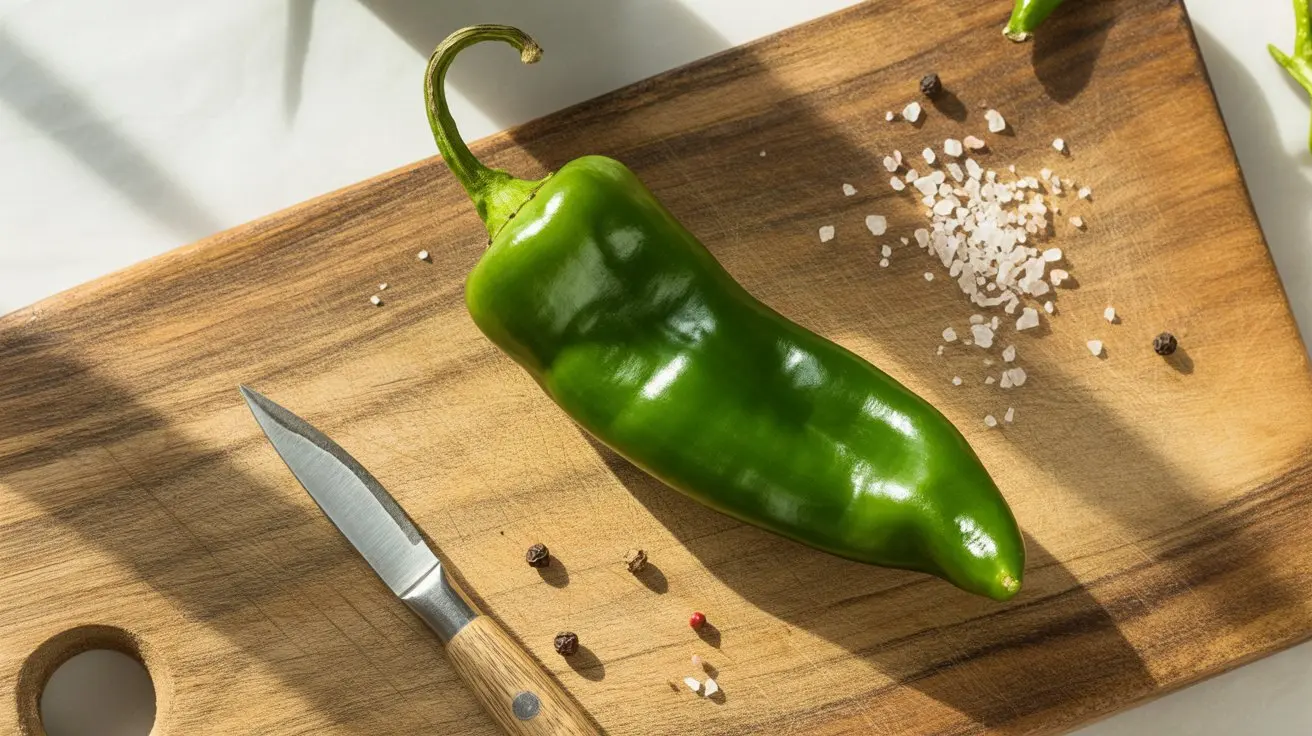
New Mexico chile
Closest Matchbright New Mexico pod gives the cleanest guajillo replacement for enchilada sauce, birria broth, adobo, and marinades. It keeps the red color and mild-to-medium range while adding a Southwest earthiness that still fits Mexican dried-chile sauces.
Ancho plus acid
Runner-Updark ancho chile brings more raisin sweetness and less bright tang than guajillo. It works when the sauce needs body, but it needs acid so the finished dish does not turn heavy.
This swap works well in enchilada sauce and chili paste where smooth body matters.
Cascabel
Also Greatnutty cascabel chile changes the sauce toward nutty and round instead of clean and tangy. That makes it useful for bean sauces, braises, and table salsa that can handle a toastier dried-chile note.
Taste after blending because cascabel often needs salt and acid sooner than guajillo does.

Pasilla
earthy pasilla chile is darker, earthier, and more raisin-like than guajillo. It is a good rescue swap when the recipe already includes tomatoes, garlic, cumin, or other chiles that can keep the sauce from tasting too dark.
Mulato
Mulato belongs in richer sauces, especially mole-style blends, where chocolatey depth is useful. It is not a clean guajillo copy, but it can turn a thin red sauce into a rounder one.
Whole Pods or Powder?
Whole pods provide skin, pulp, and natural thickness after toasting and soaking. Pure guajillo powder gives flavor and color but less body.
Start with 1 tablespoon powder for one medium pod, stir it into warm liquid, and let it hydrate before judging the sauce.
Check any product labeled chili powder. A blend may already contain cumin, garlic, oregano, salt, or cayenne.
Use half the amount at first and reduce the matching seasonings elsewhere in the recipe. A pure powder is the only reliable one-for-one flavor test.

Avoid Dark or Smoky Mismatches
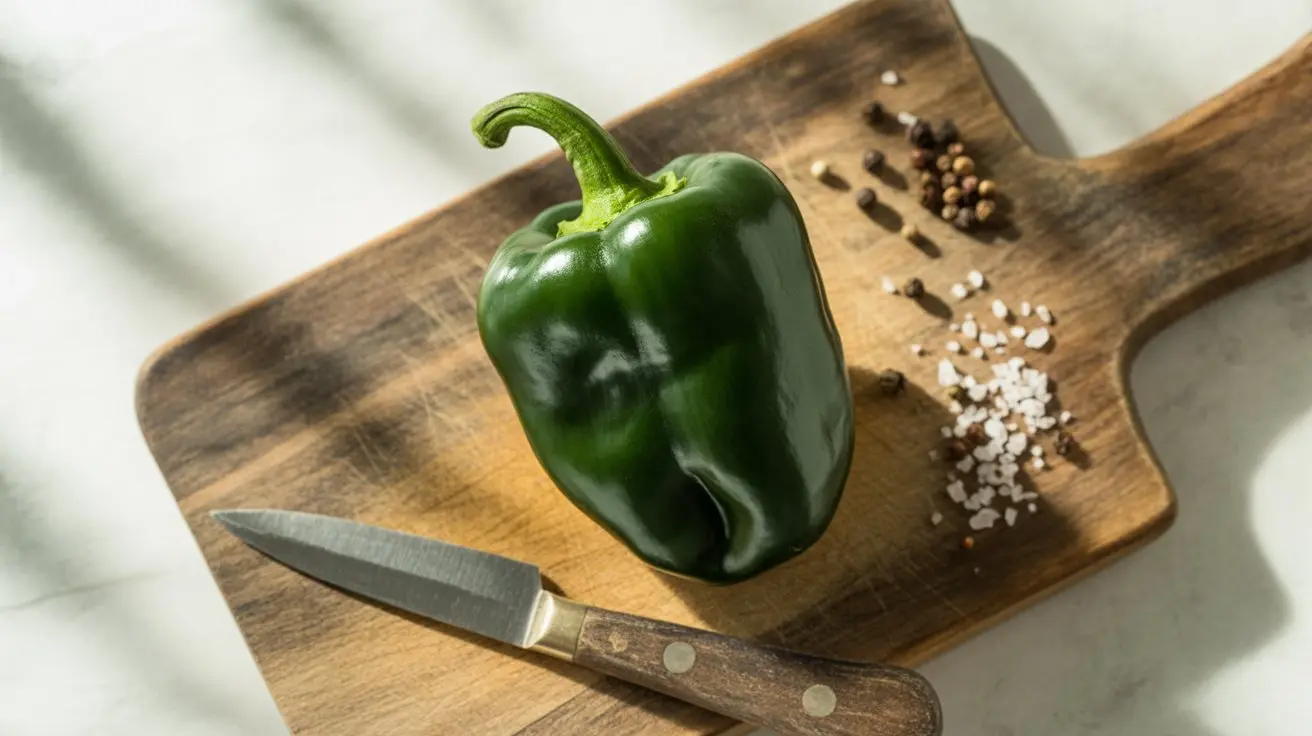
Avoid fresh green peppers as the main guajillo substitute. They add moisture and grassy flavor, but guajillo is a dried red chile used for color, tang, and smooth sauce body.
Avoid replacing guajillo with only cayenne powder. Cayenne adds heat without the red fruit, skin, and mild dried-chile base the sauce needs.
Substitution tip: When substituting Guajillo Pepper, start with less of a hotter substitute and add more to taste. For milder substitutes, increase the quantity. Our swap ratio calculator gives precise conversion amounts, and the heat unit converter translates between Scoville and other scales.