Best Hungarian Wax Pepper substitutes and alternatives for cooking
Substitute Guide

Top 7 Replacements for Hungarian Wax

Quick Summary

Hungarian Wax peppers bring a waxy texture, mild-to-medium heat (typically 1,000–15,000 SHU), and a tangy, slightly fruity flavor that's hard to replicate exactly. Whether your grocery store is out of stock or you need a heat-free version for a crowd, the right swap depends on whether you're chasing that characteristic waxy bite, the gentle warmth, or both. The seven options below cover every scenario.

Hungarian Wax Pepper Substitutes

Best Hungarian Wax Pepper Substitutes

These alternatives are ranked by how closely they match Hungarian Wax Pepper’s heat level and flavor profile. Use the conversion ratios to adjust quantities in your recipe.

#1
Banana Pepper Closest Match

Banana peppers are the closest structural and flavor match you'll find. Both share that pale yellow waxy skin, a tangy-sweet bite, and a similar elongated shape that works beautifully in pickled applications, sandwiches, and stuffed pepper recipes. The heat is comparable — banana peppers typically run 0–500 SHU, so slightly cooler than a hot Hungarian Wax, but the flavor profile is nearly identical. Use a 1:1 ratio with confidence. If your recipe leans on the heat side of Hungarian Wax, add a pinch of red pepper flakes to close the gap. For anyone curious about how these two stack up side by side, the differences are subtle but worth knowing.

#2
Anaheim Pepper Runner-Up

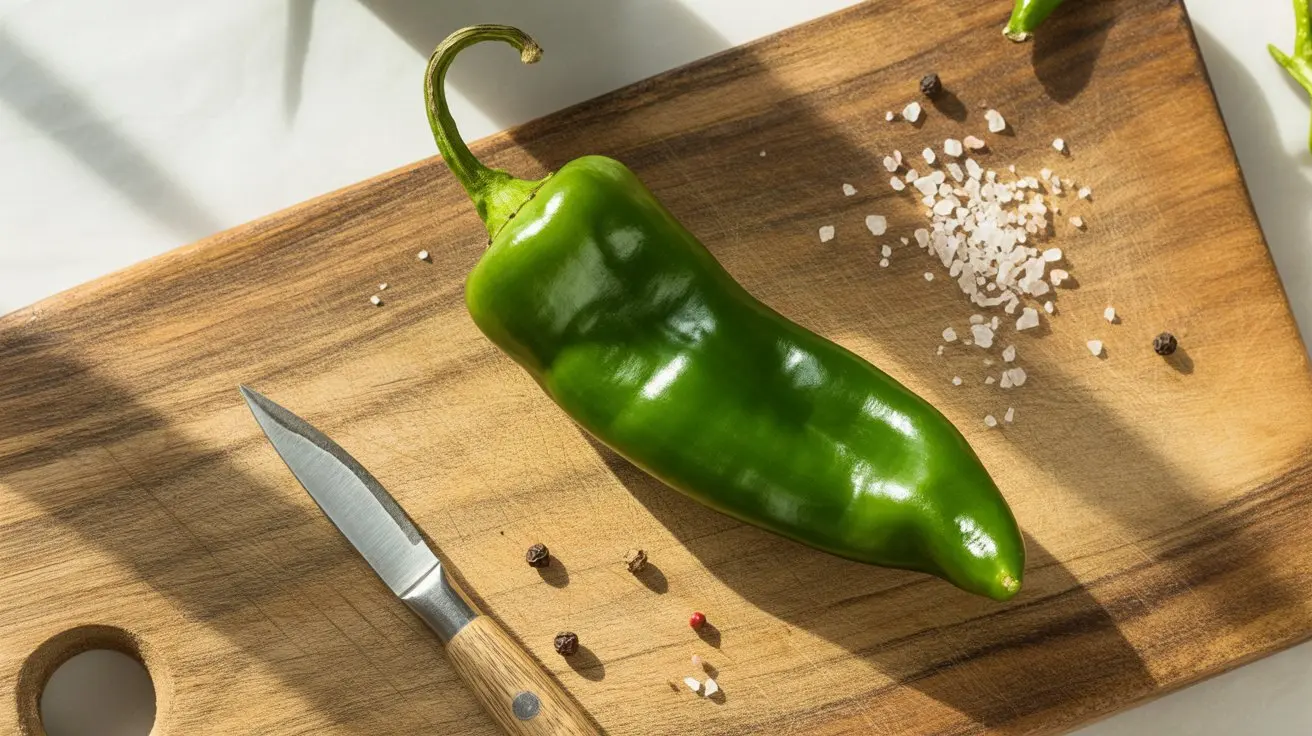
Anaheim peppers sit comfortably in the mild-to-medium heat bracket at 500–2,500 SHU, making them a practical everyday swap. The skin is thicker and greener rather than waxy yellow, but the flavor — mildly sweet with a faint earthiness — works well in roasted dishes, chile verde, and casseroles. Substitute 1:1 by weight. They're widely available year-round, which is often the deciding factor. Anaheims belong to the broader C. annuum botanical family, the same species group as Hungarian Wax, so their culinary behavior in cooked applications is nearly identical.

#3
Pepperoncini Also Great

For pickling and Italian-style applications, pepperoncini is the go-to swap. The tangy, briny flavor is remarkably close to pickled Hungarian Wax, and the heat lands at 100–500 SHU — mild enough for nearly any palate. The texture is softer and the walls slightly thinner, so they don't hold up as well when stuffed and baked. For raw applications, salads, and anything pickled, use a 1:1 ratio. For stuffed preparations, choose larger specimens or reduce cooking time slightly to prevent them from collapsing.

Comparison of Hungarian Wax Pepper with similar peppers for substitution
#4
Bell Pepper

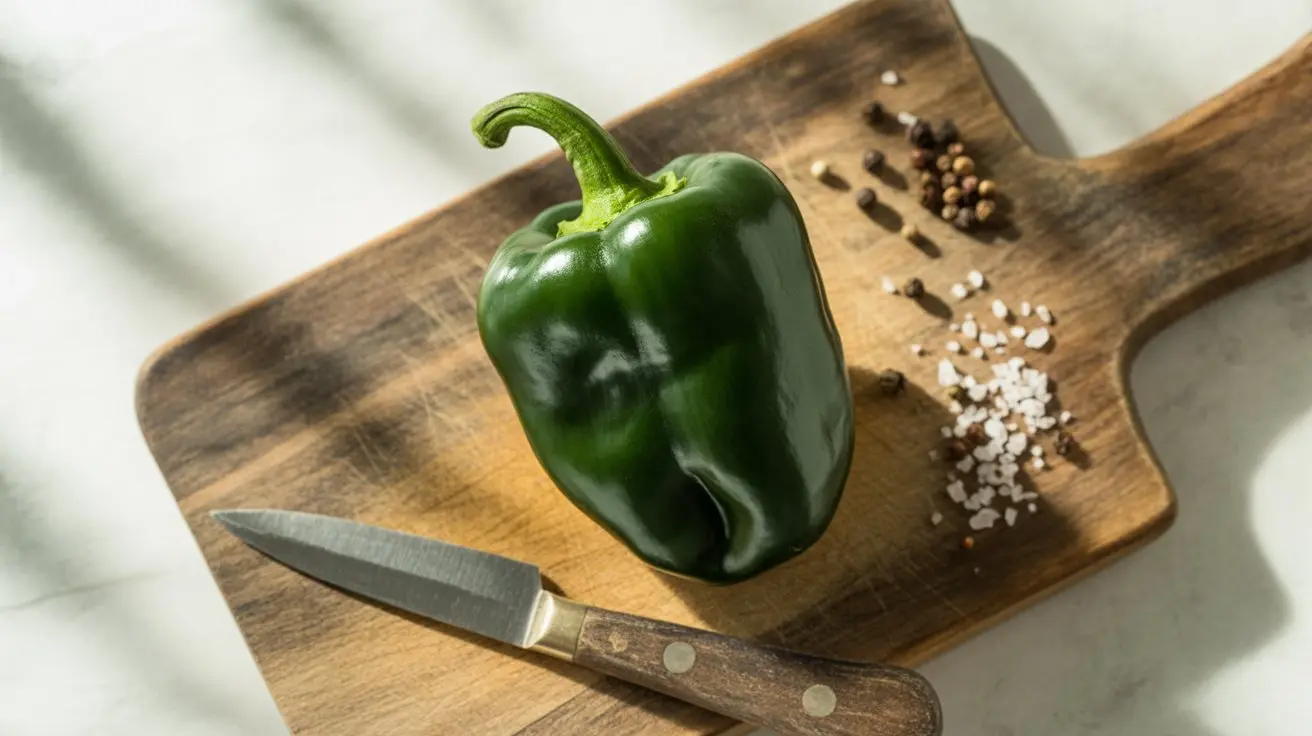
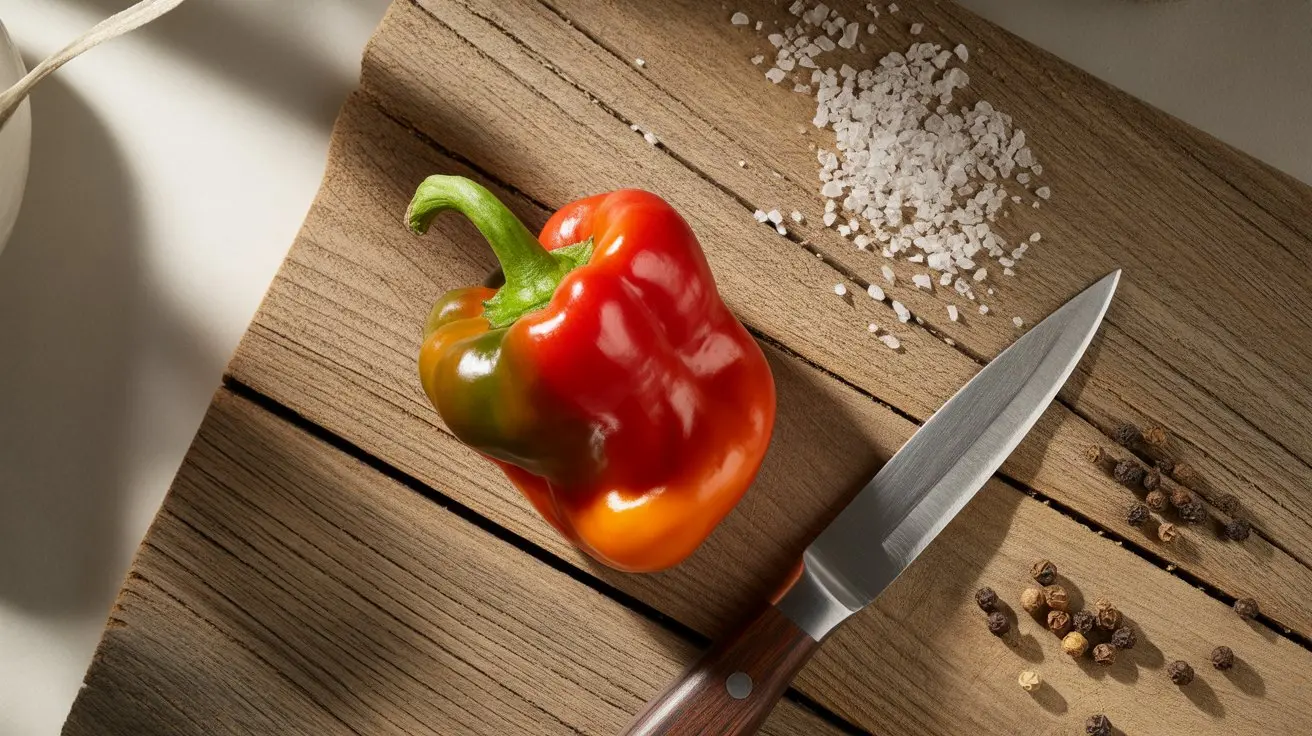
When heat isn't a factor at all, the crisp zero-heat sweetness of bell pepper makes it a reliable baseline substitute. At 0 SHU, you lose any warmth entirely, but the thick, sturdy walls are actually better than Hungarian Wax for stuffing applications. The flavor is sweeter and less tangy, so a small splash of white wine vinegar in the filling or sauce can help mimic that characteristic edge. Use a 1:1 ratio by volume. Yellow or orange bells come closest in color and sweetness profile to the mildest Hungarian Wax specimens.

#5
Habanada

The fruity, tropical sweetness of habanada is a fascinating left-field option. Bred to deliver habanero-like aromatics without any capsaicin, this pepper brings genuine complexity that banana peppers and bells simply don't have. At 0 SHU, it's completely heat-free, but the flavor depth is exceptional — floral, fruity, slightly citrusy. It works best in fresh salsas, crudité platters, and dishes where the pepper flavor is front and center rather than background. Use a 1:1 ratio and expect a noticeably more aromatic result. This is the substitute to reach for when flavor sophistication matters more than heat.

#6
NuMex Joe E. Parker

Developed by New Mexico State University's Chile Pepper Institute, this mild Anaheim-type pepper offers consistent, predictable heat around 1,000–1,500 SHU with thick walls and excellent fresh flavor. It's less common in mainstream grocery stores but widely available at farmers markets and through seed catalogs. The flavor is clean and slightly sweet with a mild green pepper earthiness — excellent for roasting, stuffing, and chile-based sauces. Substitute 1:1 by count or weight. Its thick flesh holds up better to long cooking than most Hungarian Wax alternatives, making it particularly good for stuffed and baked preparations.

#7
Rocotillo

The mild, fruity character of rocotillo makes it an underrated swap, particularly in Caribbean-influenced dishes. These small, flattened peppers run 1,500–2,500 SHU with a distinctly fruity, almost Scotch Bonnet-adjacent aroma — a nod to the regional pepper traditions of Central and South America that differ sharply from Hungarian Wax's Eastern European roots. The size difference means you'll want to use 2–3 rocotillos per Hungarian Wax pepper in recipes calling for whole or halved peppers. For chopped applications, substitute 1:1 by volume. Best used fresh rather than pickled, where their fruity aromatics can shine.

<p data-linkgraph-batch="2026-05-20-30">Before choosing a swap, compare this option against live heat references and nearby cooking routes: Source pepper profile, salsa-ready pepper options, smoked pepper methods, full substitute library, and mango salsa with chile peppers.</p>

Related De Arbol vs Guajillo Pepper: Taste, Heat & When to Use Each
Peppers to Avoid as Hungarian Wax Pepper Substitutes

Jalapeño seems like a logical swap given the similar size and widespread availability, but the heat gap is significant. Even a mild jalapeño runs 2,500–8,000 SHU — potentially several times hotter than a Hungarian Wax — and the flavor is distinctly grassy and vegetal rather than tangy and waxy. In pickled applications especially, the difference is immediately noticeable.

Serrano peppers are another tempting choice that tends to disappoint. At 10,000–23,000 SHU, they can run hotter than the upper end of Hungarian Wax, and their thin walls and concentrated heat make them poor candidates for stuffing or any application where the pepper is a primary ingredient rather than a seasoning element.

Shishito peppers look similar in shape and color but deliver an inconsistent experience — roughly one in ten is genuinely hot, and the flavor is more bitter and smoky than the clean tanginess of Hungarian Wax. They work as an appetizer pepper but not as a structural substitute in cooked dishes.

Fact-Checked & Expert Reviewed
Editorial Standards: All facts verified against authoritative sources. Content reviewed by subject matter experts before publication.
Review Process: Written by Sofia Torres (Lead Culinary Reviewer) , reviewed by Karen Liu (Lead Fact-Checker & Science Editor) . Last updated June 4, 2026.
Related De Arbol vs Serrano Pepper: Heat, Flavor & Key Differences

Hungarian Wax Pepper Substitute FAQ

Banana peppers are the best match for pickling — the flavor, texture, and waxy skin are nearly identical, and they take brine just as well. Pepperoncini is a strong second choice if you prefer a slightly tangier, more Italian-style result.

Yes, and bell peppers actually hold up better structurally during baking because their walls are thicker and more rigid. You lose the mild heat and tangy edge, but adding a small amount of white wine vinegar or a pinch of red pepper flakes to the filling brings the flavor closer.

Hungarian Wax peppers typically range 1,000–15,000 SHU, while jalapeños run 2,500–8,000 SHU — so they overlap significantly, though hot Hungarian Wax specimens can exceed a typical jalapeño. The key difference is flavor: Hungarian Wax is tangier and waxier, while jalapeño leans grassy and vegetal.

They are closely related but distinct varieties. Both are pale yellow, elongated, and waxy, but Hungarian Wax peppers tend to run hotter (1,000–15,000 SHU) while banana peppers are nearly always mild (0–500 SHU). Grocery stores sometimes label them interchangeably, which adds to the confusion.

The habanada is the most flavorful zero-heat option — it delivers fruity, floral complexity that bland bell peppers simply can't match. If habanadas aren't available, a yellow bell pepper with a small splash of white wine vinegar added to the dish comes closest in color and approximate flavor profile.

Sources & References
Karen Liu
Fact-checked by Karen Liu
Contributing Editor & Food Scientist
All Substitutes Browse Peppers Substitute Finder Tool