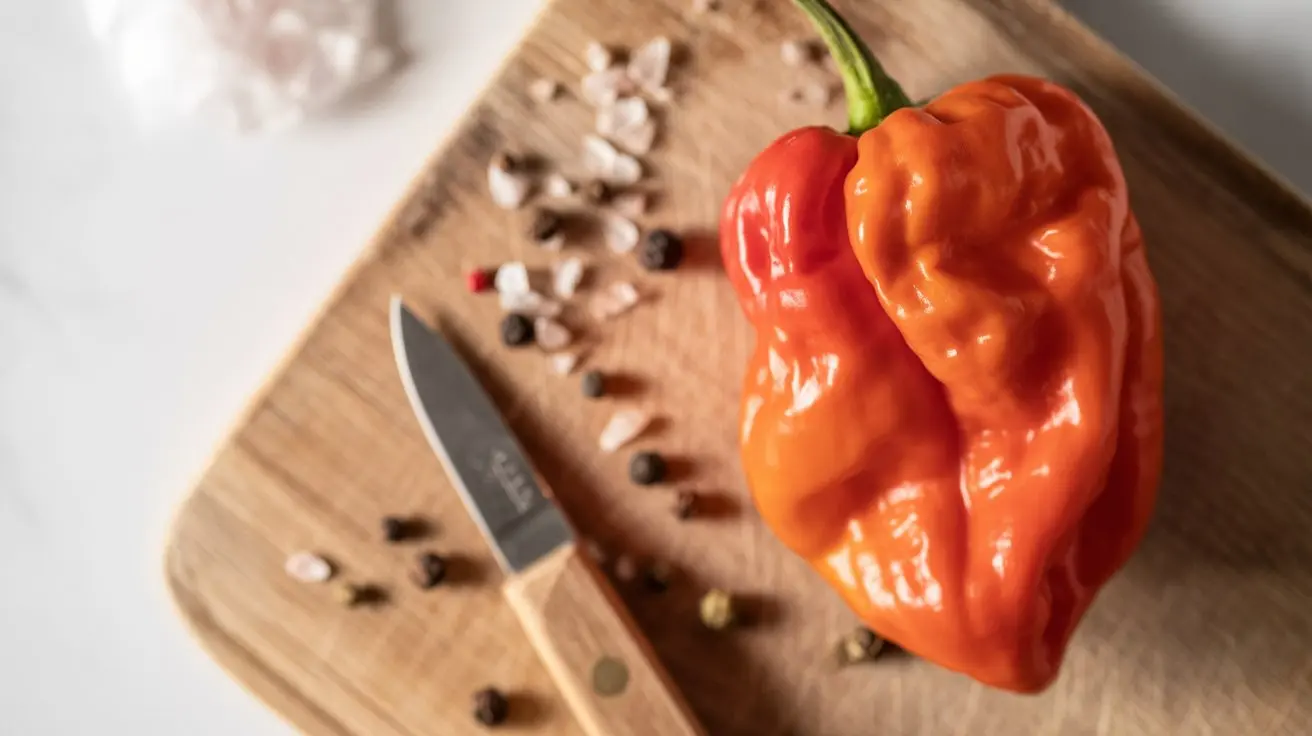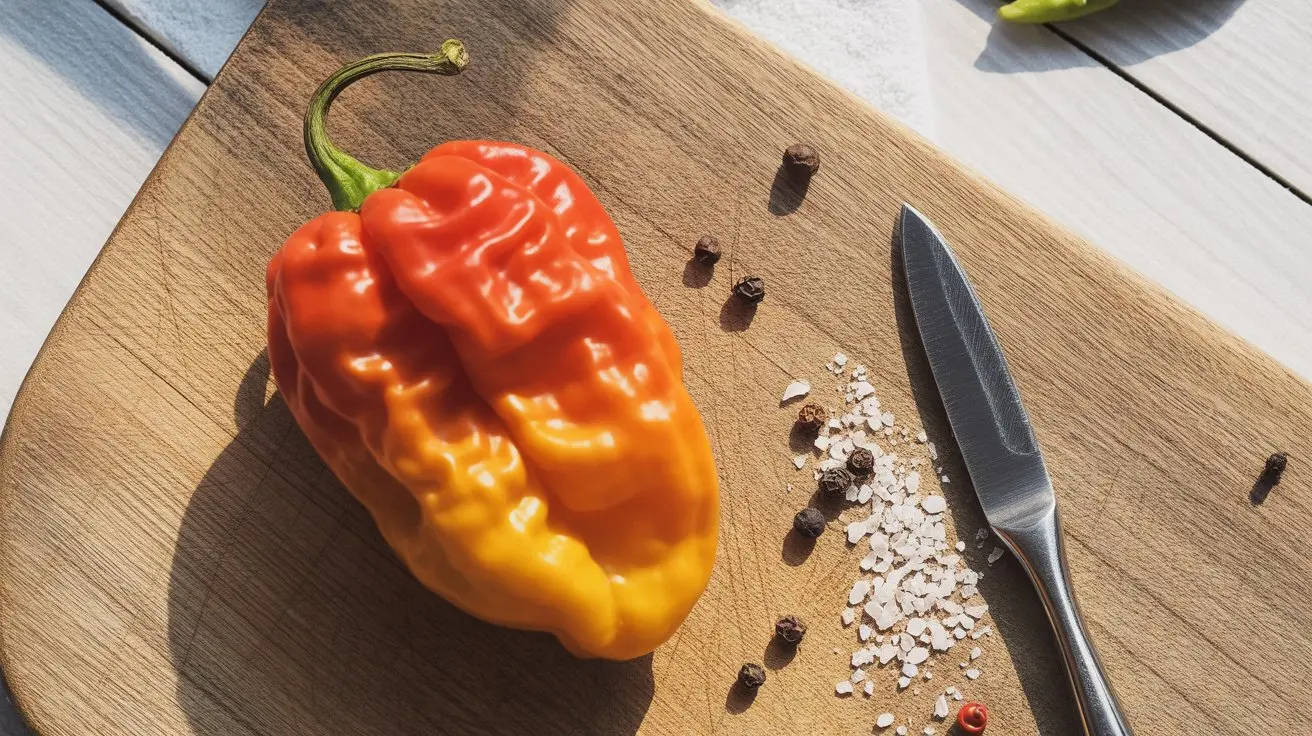

7 Best Substitutes for Lemon Drop (With Ratios)
Lemon Drop swaps fail when they chase heat and forget acid. Aji amarillo is the closest pepper-family substitute for fruit and body, habanada plus serrano gives a mild citrus build, and yellow bell pepper only works when lemon or lime supplies the missing edge. Keep the color bright, avoid smoke, and add acid in small steps.
Best Lemon Drop Substitutes
Aji Amarillo
Closest MatchStart with aji amarillo when Lemon Drop flavor matters because it stays in the C. baccatum family and brings golden fruit. It is usually hotter at 30,000-50,000 SHU, so the ratio needs control.
Sauces, marinades, ceviche-style toppings, and cooked dishes benefit most when yellow color and fruit matter. Add lemon or lime at the end to replace Lemon Drop's sharper citrus edge.
Habanada Plus Serrano
Runner-UpFor a mild build, habanada gives sweet tropical aroma with little or no heat. Serrano brings clean fresh burn.
Together they build a gentler Lemon Drop profile without smoke or dried-chile heaviness.
This blend fits salsa, relish, and raw toppings where you want brightness but not a hotter aji amarillo result.
Yellow Bell Pepper Plus Cayenne
Also GreatYellow bell pepper protects color and fresh crunch. Cayenne corrects heat.
The missing piece is citrus, so acid must come from lemon or lime.
Use this pantry-style blend in cooked sauces, soups, and mild salsas. It is not a close pepper match, but it keeps the dish bright and accessible.

Serrano With Lemon Zest
Serrano pepper is greener and sharper than Lemon Drop, but it can work in fresh salsa when citrus is already part of the recipe. Lemon zest helps more than extra juice because it brings aroma without thinning the salsa.
Use it for pico, green sauce, chopped relish, and quick marinades. Avoid it in yellow sauces where color matters.
Aji Cristal
Aji cristal is another bright C. baccatum option when you can find it. It is usually cleaner and less tropical than aji amarillo, which can make it closer in fresh preparations.
Use it for raw sauces, seafood toppings, and vegetable dishes. If the pepper tastes grassy, add lemon after salting rather than before.
Fresno Pepper
Fresno pepper is a red substitute, so it fails the color match. It can still work when the recipe values fresh fruit and medium heat more than yellow appearance.
Use it in cooked sauce, fruit salsa, or marinades where red color is acceptable. Do not use it for a yellow Lemon Drop sauce.
Gochugaru Flakes
Gochugaru flakes are a dry backup for cooked dishes, not raw salsa. They add red color, gentle heat, and a soft chile sweetness, but no fresh citrus.
Use them in marinades, dressings, noodles, or soups when no fresh substitute is available. Bloom them briefly in warm liquid or oil so the flakes do not taste dusty.
Peppers to Avoid as Lemon Drop Substitutes
Avoid smoked chipotle, smoked paprika, or dark dried chiles when Lemon Drop's clean citrus flavor matters. Smoke covers the bright edge fast.
Avoid using yellow bell pepper alone. It fixes color and crunch but leaves the dish flat unless you add heat and acid.
Avoid adding all the lemon juice at the start of a cooked sauce. Heat dulls fresh citrus, so save part of the acid for the end.
Substitution tip: When substituting Lemon Drop, start with less of a hotter substitute and add more to taste. For milder substitutes, increase the quantity. Our swap ratio calculator gives precise conversion amounts, and the heat unit converter translates between Scoville and other scales.