
7 Best Substitutes for Malagueta (With Ratios)
The malagueta pepper is a small but fiercely hot Brazilian staple, central to caipirinhas, moqueca, and countless condiments across Brazil and Portugal. Finding a true substitute means matching its sharp, bright heat alongside its thin-walled texture and slightly grassy, fermented-friendly flavor. Whether you need something milder or equally fierce, the right stand-in depends on your dish and how close you want to stay to the original.
Best Malagueta Substitutes
Prik Kee Noo
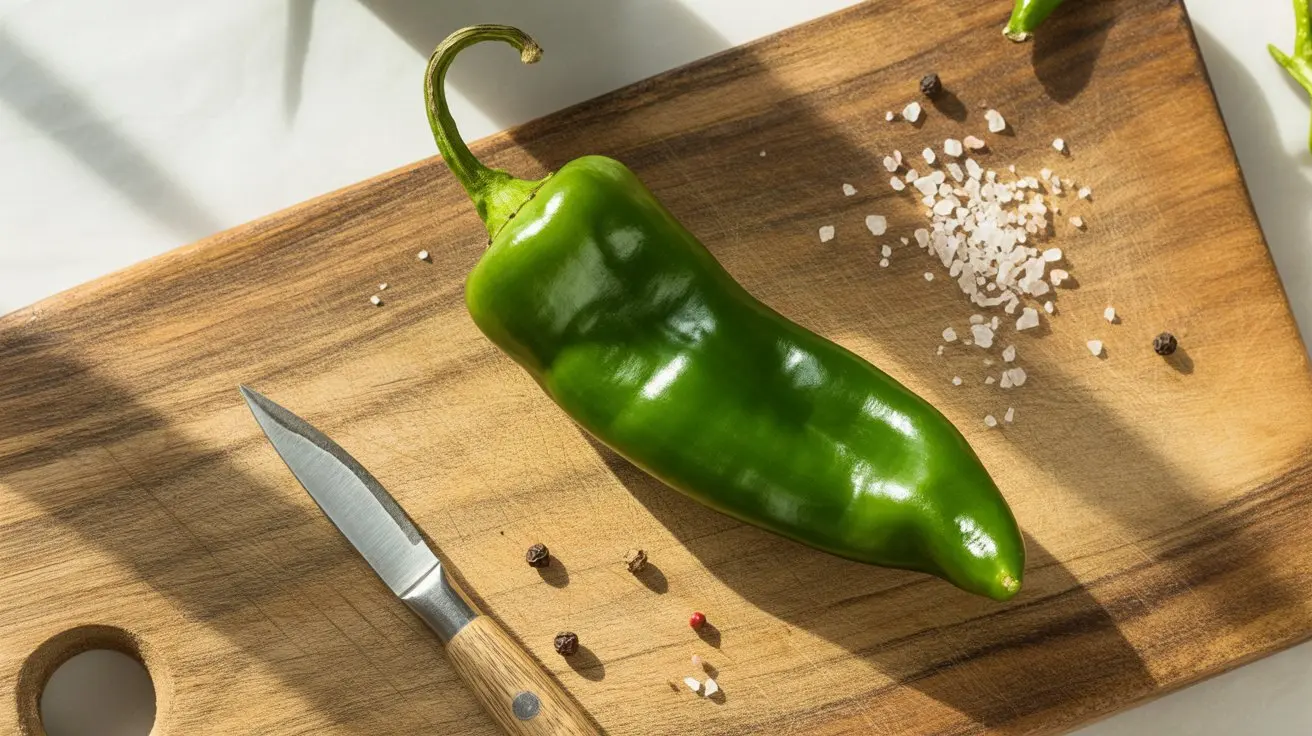
Closest MatchThe Thai bird's eye chili - known as prik kee noo - is arguably the closest match for the malagueta's sharp, penetrating heat and compact form. Both belong to the same intense heat category, with thin walls and a clean, grassy bite that integrates fast into sauces and brines.
Use a 1:1 ratio. The flavor skews slightly more floral than malagueta, but in hot sauces and pickled condiments the difference is minimal.
This is strongest in vinegar sauce, chopped relishes, and quick seafood marinades where malagueta normally brings immediate heat. If the dish is Brazilian-style molho de pimenta, use the same chile count but add the vinegar slowly, because prik kee noo can make the sauce taste sharper before it tastes hotter.
Guntur Sannam
Runner-UpThe Guntur Sannam chili is a dried Indian chili with serious firepower and a rich, slightly smoky depth. It substitutes well in cooked applications - braises, stews, and slow-cooked sauces where malagueta would be used whole or crushed.
Start with a 0.75:1 ratio (slightly less Guntur than malagueta called for) and adjust upward. The earthier flavor profile diverges from malagueta's brightness, but the heat delivery is comparable and the dried format adds body to sauces.
Use Guntur Sannam when the recipe is cooked or oil-based, not when it needs a fresh pickled pod. Toast dried pieces briefly, then steep them in warm oil or broth.
That draws out color and heat without pretending a dried chile can copy malagueta texture.
Lumbre
Also GreatThe Lumbre pepper variety is a lesser-known Mexican variety that punches with intensity similar to malagueta. Its thin skin and small pod size make it a natural stand-in for recipes where the whole pepper is used - pickled, steeped in oil, or dropped into a broth.
Use 1:1. Flavor notes lean slightly more vegetal and less citrus-forward than malagueta, but it holds up well in dishes that lean on the pepper for heat rather than nuance.

Rocotillo
If you need to dial back the heat while keeping a tropical, slightly fruity character, the Rocotillo pepper's Caribbean-origin sweetness offers a gentler path. It sits in a much milder range than malagueta, so use a 2:1 ratio (double the rocotillo) to approximate the volume and presence.
Best suited for fresh salsas, ceviches, or dishes where the malagueta's role was more aromatic than incendiary. The flavor is rounder and sweeter, which can actually improve certain applications.
Bell Pepper
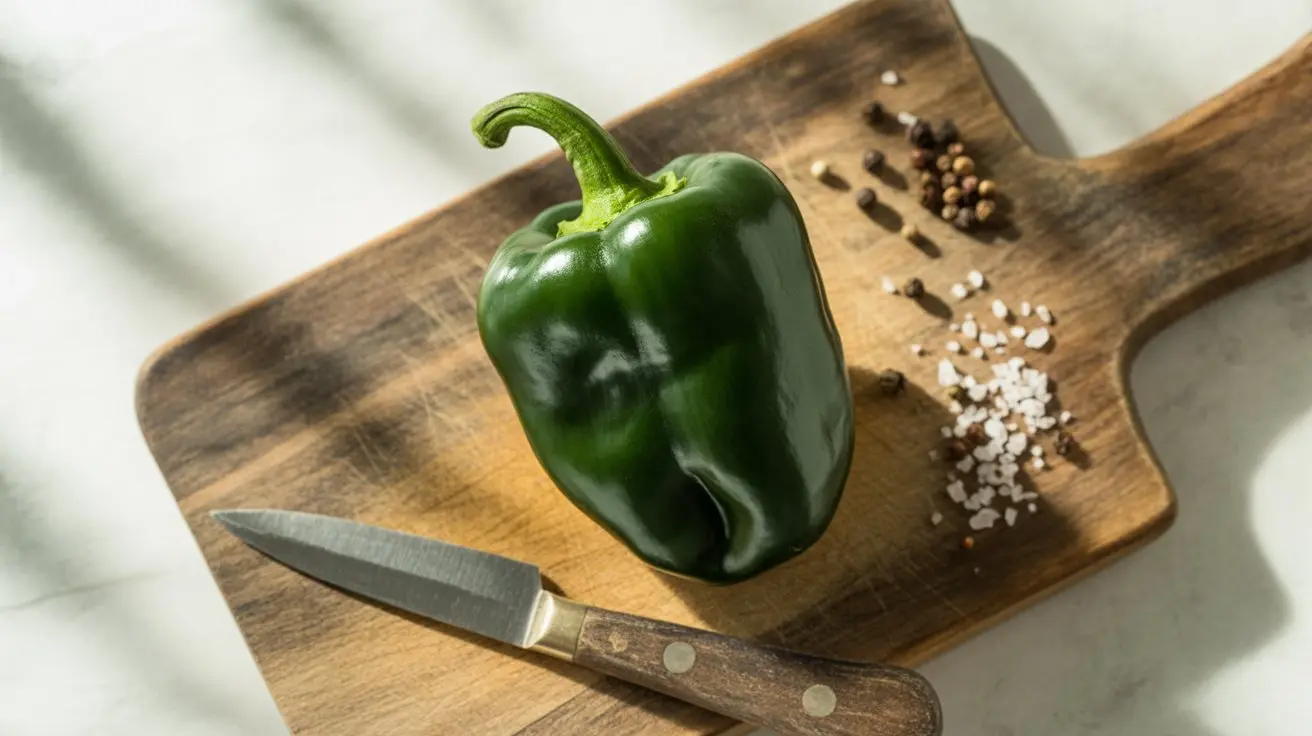
For dishes where malagueta is adding color, bulk, or a faint pepper note without serious heat - think certain sofrito bases or garnishes - the Bell Pepper's crisp, sweet flesh fills the gap. Use 1.5:1 by volume and add a pinch of cayenne or red pepper flakes to compensate for the missing heat.
This swap works best in cooked applications where texture matters more than fire. It sits at the far end of the heat category this pepper belongs to in reverse - no heat at all - so factor that into your decision.
Habanada
The Habanada's intensely fruity, heatless profile makes it a useful substitute when you want the tropical, slightly citrusy flavor dimension of a hot pepper without the burn. Use 1:1 by weight.
It was bred specifically to carry habanero flavor without capsaicin, which makes it excellent for dishes where someone at the table can't handle heat. Add a few drops of hot sauce or a small dried chili to restore fire if needed.
The regional pepper tradition that produced malagueta prizes heat as non-negotiable, so this swap is firmly for heat-sensitive situations only.
NuMex Heritage Big Jim
The NuMex Heritage Big Jim is a large, mild New Mexican chili that only makes sense as a malagueta substitute when you need volume and mild pepper flavor - not heat. Use 0.5:1 by weight since its pods are dramatically larger.
Roast it first to develop sweetness and complexity. This substitution works in dishes like rice, beans, or slow-cooked meats where malagueta was providing background warmth rather than front-and-center fire.
It belongs to the botanical family adjacent to malagueta's lineage, though its flavor is considerably more restrained.
Best Pick by Application
For Brazilian pepper vinegar, prik kee noo or malagueta-style bird chiles are the best substitutes. Use 1:1 by count, then let the vinegar rest before judging heat because small chiles extract quickly.
For piri piri-style sauces, peri peri or Thai bird chile works better than dried Indian chiles. The sauce needs sharp, fresh heat rather than deep dried-chile body.
For stews and beans, Guntur Sannam can work when dried chile flavor is welcome. Start at 0.75:1, because its earthy note can become heavier than malagueta in long cooking.
Peppers to Avoid as Malagueta Substitutes
NuMex Joe E. Parker looks promising on paper - it's a mild to medium Anaheim-style pepper with good availability - but its thick, waxy walls and grassy sweetness clash with the thin-skinned, sharp character of malagueta. In pickled applications or condiments, the texture difference is immediately obvious.
Sichuan pepper causes real confusion because of the name, but it isn't a pepper at all - it's the dried husk of a citrus-family berry. It delivers numbing rather than burning heat through a different mechanism entirely, and its flavor is floral and mouth-tingling in a way that reads nothing like malagueta in finished dishes.
Avoid it as a direct substitute.
Bell pepper was listed above for specific limited uses, but it should not be the default choice. In any recipe where malagueta's heat is the point - chili oils, pepper sauces, marinades - a bell pepper produces a flat, sweet result that misses the entire reason malagueta was called for.
The gap between them is enormous.
Hot sauce from a bottle can replace heat in a pinch, but it brings vinegar, salt, and sometimes garlic. Adjust the recipe before adding more.
Fresh jalapeno is too mild and too thick-walled. It changes both heat level and texture in malagueta-style condiments.
Do not use mild frying peppers as a volume replacement in hot vinegar sauce. They add flesh and sweetness but leave the sauce without the thin, sharp heat that makes malagueta useful.
Substitution tip: When substituting Malagueta, start with less of a hotter substitute and add more to taste. For milder substitutes, increase the quantity. Our swap ratio calculator gives precise conversion amounts, and the heat unit converter translates between Scoville and other scales.