
Pasilla Substitutes for Dark Mole and Chile Sauce
For dried pasilla sauce, use dark mulato chile when depth matters. An easy-to-find ancho gives a sweeter and milder base. Cascabel works when nuttiness helps. Use fresh chilaca only when the recipe can accept fresh pepper moisture. Confirm the package name before choosing.
Is the Package Really Pasilla?
True pasilla belongs to the Mexican pepper tradition. It is part of the Capsicum annuum family.
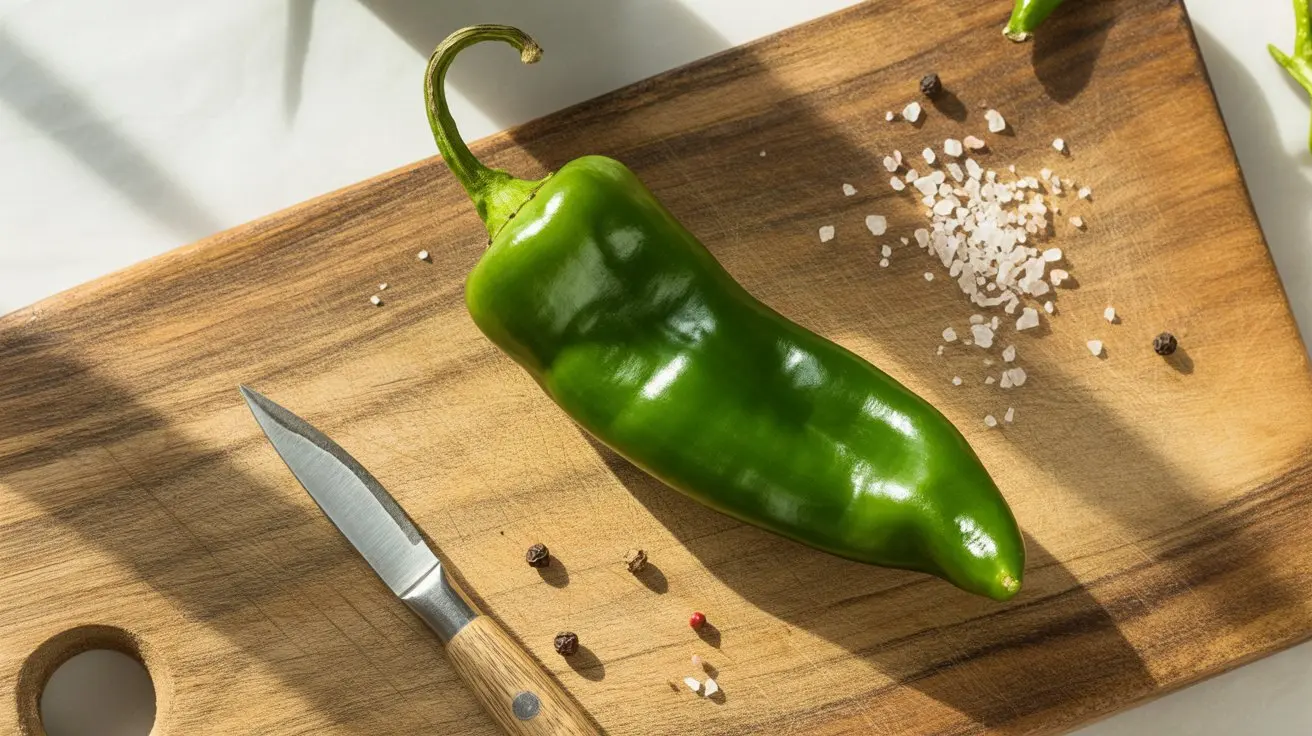
It is the dried form of the long, narrow chilaca pepper. It is also sold as chile negro.
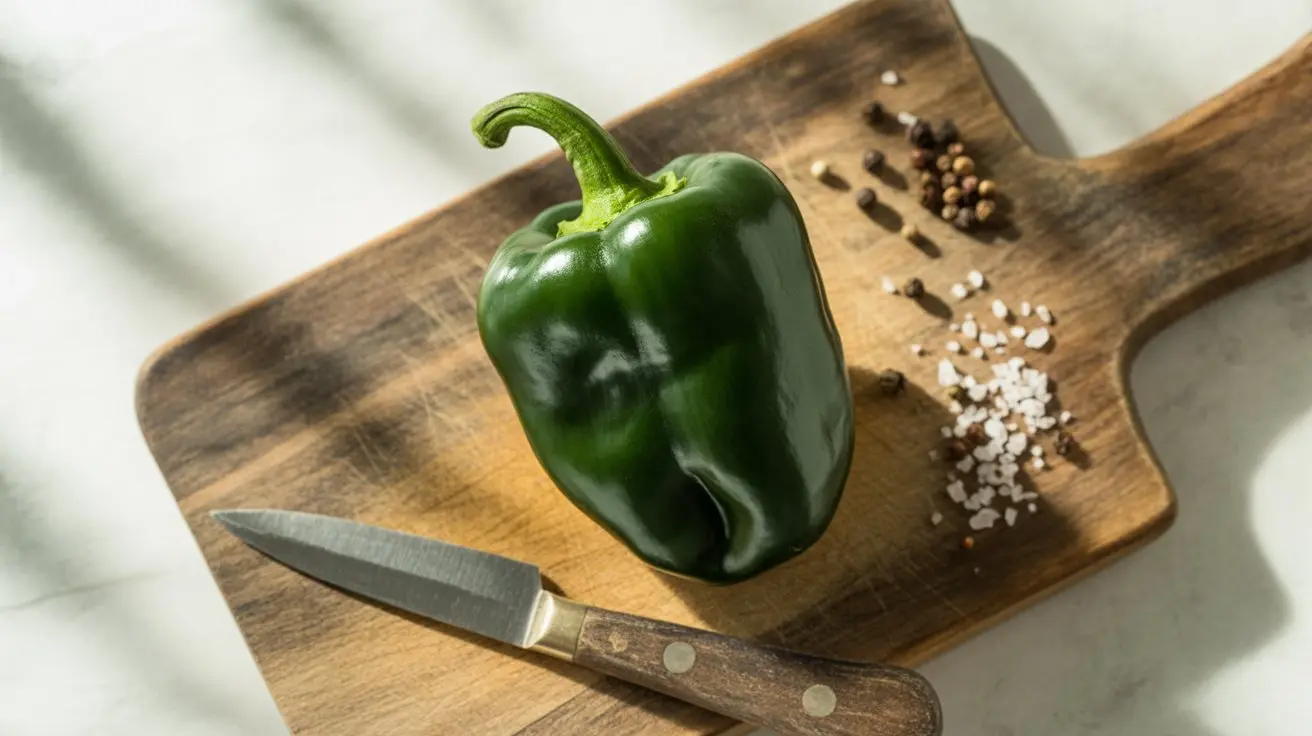
Ancho is a dried ripe poblano and has a wider, heart-shaped body. Some United States stores label fresh poblano as pasilla, which can send a recipe in the wrong direction before cooking starts.
| Label or shape | Likely chile | What it means for the recipe |
|---|---|---|
| Long, narrow, dark dried pod | Pasilla or chile negro | Earthy dark sauce in the medium-heat range |
| Wide, heart-shaped dried pod | ancho for dark sauce | Sweeter raisin flavor and more body |
| Long fresh green pod | Chilaca | Fresh moisture and green flavor |
| Broad fresh green pod | broad green poblano | Thick wall for roasting or stuffing |
Check the shape before following a substitution ratio. A fresh poblano cannot replace a dried pasilla in mole without changing water, texture, and flavor.

Best Swaps for Dark Chile Sauce
Mulato for dark depth
Closest MatchDark sauce depth is the main reason to use mulato for mole as a pasilla substitute. It fits mole-style sauces, braises, beans, and slow-cooked meat.
Ancho for easy access
Runner-UpAvailability usually points to sweet ancho pod, which stays mild enough for pasilla recipes. It tastes sweeter and fruitier, so it works best when the dish can accept a rounder red-chile flavor.
Chilaca for fresh use
Also GreatFresh-pepper recipes can use chilaca because it is the pod that becomes pasilla when dried. It only helps when the recipe can handle a fresh chile, such as rajas, roasted strips, or a green sauce.
For dried sauce, dry or char the chilaca first or choose mulato instead.

Cascabel for nutty sauce
Nutty sauce needs a rounder pod, and cascabel can replace part of pasilla's earthy depth. It is useful in table salsas, bean sauces, and braised meats.
Cascabel often needs lime or vinegar sooner than pasilla.
Guajillo plus ancho
A brighter red sauce can start with guajillo, but it needs ancho support. Pair it with ancho when you need red color and mild body but cannot find dark pods.
This blend keeps sauce body while avoiding a too-bright guajillo-only result.
Which Pasilla Swaps Change the Dish?
Avoid using fresh green peppers as a direct pasilla substitute in dried-chile sauce. They add moisture and raw flavor instead of dark rehydrated body.
Avoid using cayenne alone. It adds heat but removes the mild dried-chile depth that pasilla brings.
When Guajillo Turns Sauce Red
Guajillo can replace some pasilla in a blended sauce, but it moves the dish toward bright red color and tang. Use it when the sauce can look and taste livelier.
For a dark mole, combine one guajillo with one ancho or mulato instead of using guajillo alone.
The color change is useful in enchilada sauce and red broth. It is less useful when pasilla was chosen for brown fruit, cocoa, or an almost black finish.
Add a small amount of toasted sesame, raisin, or roasted tomato only when the recipe already supports those flavors.

Substitution tip: When substituting Pasilla Pepper, start with less of a hotter substitute and add more to taste. For milder substitutes, increase the quantity. Our swap ratio calculator gives precise conversion amounts, and the heat unit converter translates between Scoville and other scales.