
7 Best Substitutes for Pimento Pepper (With Ratios)
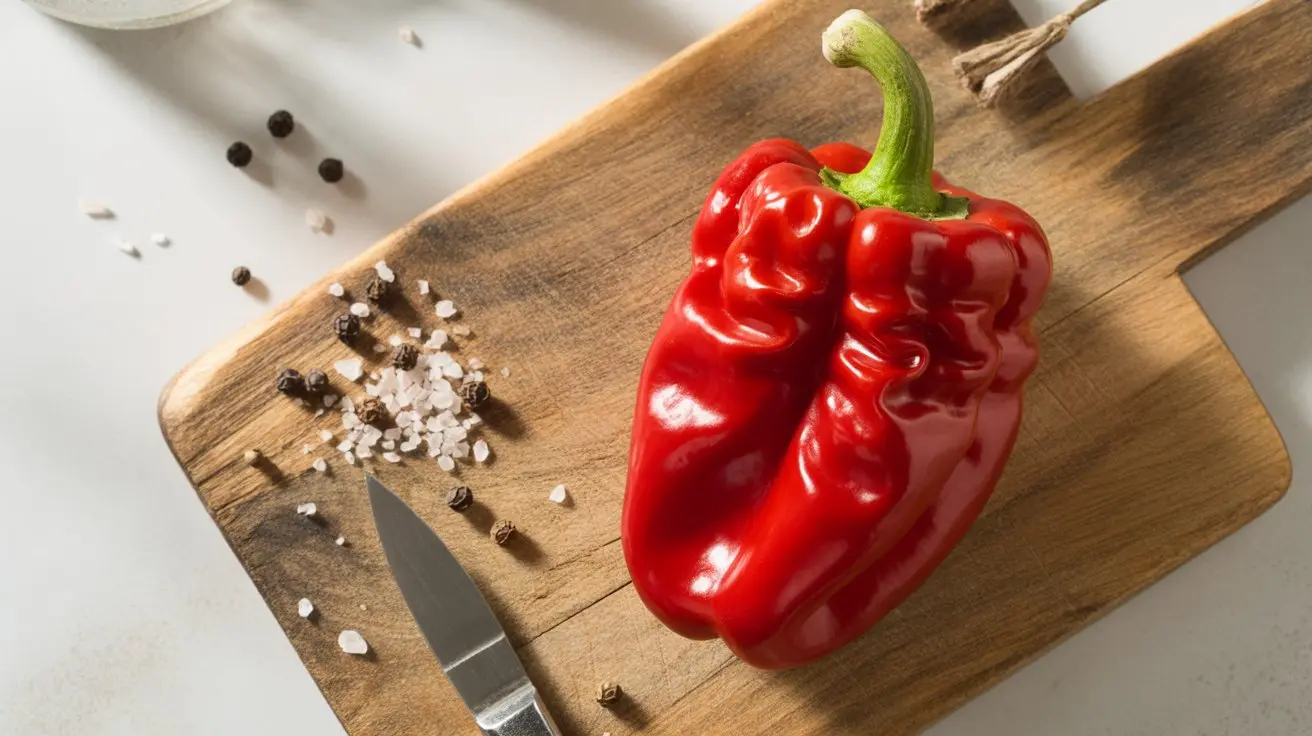
Pimento peppers bring a sweet, mild richness to dishes that few other peppers match straight out of the jar. At 0 SHU, they contribute zero heat and a distinctly smooth, almost candy-like sweetness that makes them irreplaceable in pimento cheese, stuffed olives, and roasted pepper spreads. When fresh pimentos are out of season or simply unavailable, the right substitute depends on whether you need that sweetness, that thick flesh, or both.
Best Pimento Pepper Substitutes
Bell Pepper
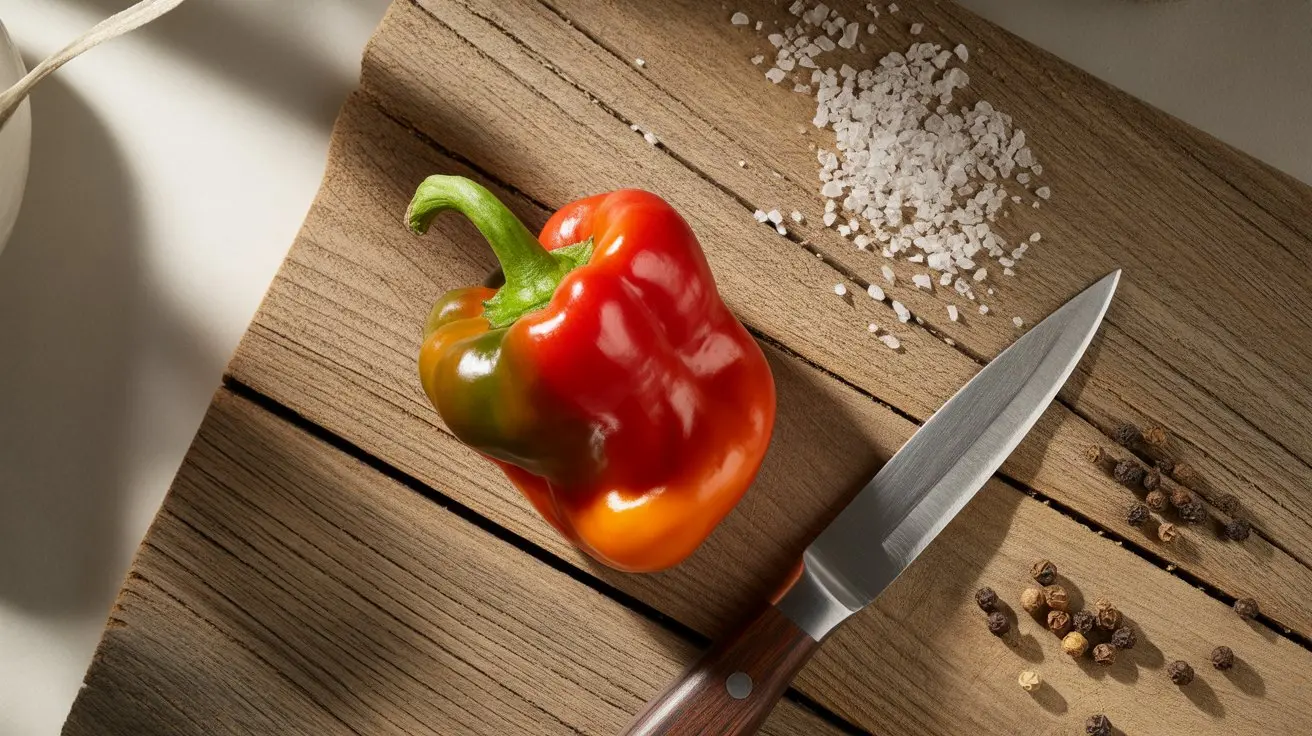
Closest MatchRunning out of jarred pimentos mid-recipe, a red bell from the crisper gets the job done - most cooks keep it as a permanent swap. Bell peppers sit at 0 SHU: identical to pimento on the zero-heat end of the Scoville spectrum: and their thick, fleshy walls give you similar body in cooked applications.
Red bells are the closest match because their ripeness brings a sweetness that green bells lack entirely. The flavor is slightly less concentrated and a touch more watery, but roasting a red bell intensifies it considerably.
For pimento cheese, dice finely and pat dry.
Red bell's sweet, thick-walled character makes it the go-to for most cooks because it is notably available everywhere, year-round.
Bell pepper is best when the pimento is chopped into pimento cheese, meatloaf, rice, or a mild sauce. Roast or broil the bell first if the recipe depends on jarred pimento's soft texture.
Raw bell can taste too watery and crisp. For spreads, dice small, salt lightly, and blot before mixing so the final texture stays thick instead of loose.
Roasted Red Pepper (jarred)
Runner-UpNot a separate pepper variety but a preparation worth ranking on its own. Jarred roasted red peppers: almost always made from red bells or sometimes pimentos themselves: deliver the soft texture and concentrated sweetness that raw substitutes can't match without effort.
The char adds a slight smokiness pimento doesn't have, but in most cooked dishes that depth is a bonus rather than a flaw.
Jarred roasted red pepper is the better pantry substitute when the recipe expects pimento from a jar. It already has the softened wall and sweet cooked flavor that pimento brings to dips, sandwiches, and casseroles.
Use 1:1 by drained weight. If the jar tastes acidic, rinse briefly and add a small pinch of sugar before mixing into pimento cheese.
Habanada
Also GreatThe habanada's tropical, floral sweetness surprises people who expect heat from its habanero-like appearance. Bred specifically to eliminate capsaicin while preserving the fruity complexity of its parent, habanada sits at 0 SHU with a flavor profile that is arguably more interesting than pimento: brighter, almost apricot-like.
It works beautifully anywhere you want sweetness plus a little intrigue: cheese boards, relishes, or fresh salsas where pimento would otherwise be invisible. The flesh is thinner than pimento, so it is better suited to raw applications than stuffing.

Rocotillo
The rocotillo's Caribbean origin and mild fruity flavor make it a compelling stand-in when you want something closer to pimento's rounded sweetness than a standard bell delivers. It registers at 0 SHU and has a distinctive squat, flattened shape reminiscent of a small pimento.
The flavor carries a gentle tropical note without any burn.
Harder to find than bells, but worth seeking at Latin markets.
NuMex Heritage Big Jim
For applications where you need volume: stuffed peppers, large roasted pieces: the NuMex Heritage Big Jim's substantial New Mexico lineage delivers. This variety was bred for thick flesh and mild flavor, landing at 0 SHU in its mildest selections.
The flavor is earthier and more vegetal than pimento's sweetness, but roasting with a little olive oil bridges that gap.
Best used when texture matters more than exact flavor replication.
NuMex Joe E. Parker
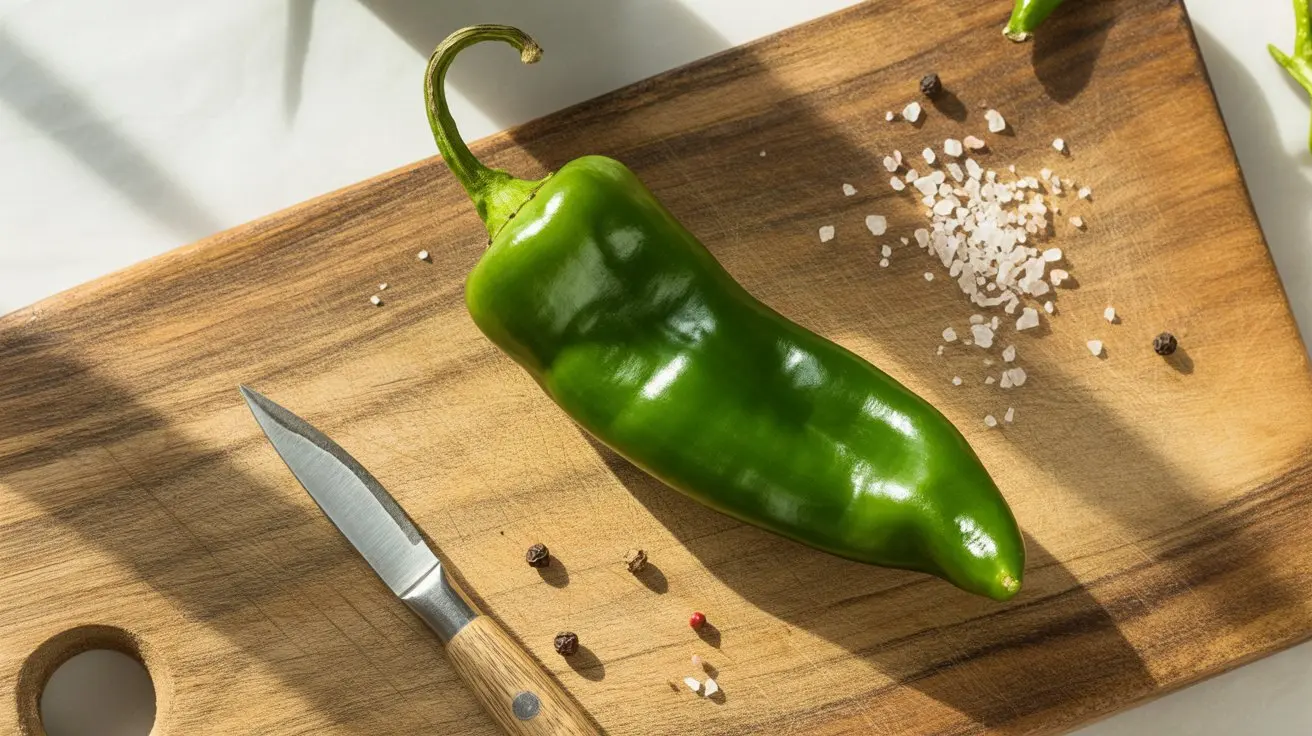
Another New Mexico-style mild pepper, the NuMex Joe E. Parker's thick Anaheim-style walls make it practical for roasting and peeling. At 0 SHU, it is notably heat-free, though the flavor leans green and grassy when fresh.
Roasted and peeled, it develops a sweetness that works in cooked dips and spreads.
Not ideal for raw applications where pimento's sweetness needs to shine.
Cherry Pepper (mild variety)
Mild cherry peppers share pimento's round, stubby shape and thick walls: in fact, the two are often confused at the market. Sweet cherry peppers clock in at 0-500 SHU depending on the specific variety, so confirm you are buying the sweet type rather than the hot.
The flavor is slightly more acidic and brighter than pimento but works well in the same applications.
For a deeper look at how these two compare, the cherry pepper vs. pimento breakdown covers the key differences in flesh thickness and flavor.
Before choosing a swap, compare this option against live heat references and nearby cooking routes: Source pepper profile, peppers that work for salsa, the way smoked peppers behave, full substitute library, and our mango salsa recipe.
Ratio check by texture
For pimento cheese, use 1 tablespoon finely diced roasted red bell pepper for 1 tablespoon diced pimento, then pat it dry before mixing. Extra moisture is the main reason the swap fails.
A loose spread tastes watered down even when the flavor is close.
For stuffed olives, garnish, or deviled eggs, jarred roasted red pepper works better than fresh bell pepper because it is softer and easier to mince. For paprika-like color, use sweet paprika in tiny amounts, but do not expect it to replace the fleshy bite of real pimento.
Peppers to Avoid as Pimento Pepper Substitutes
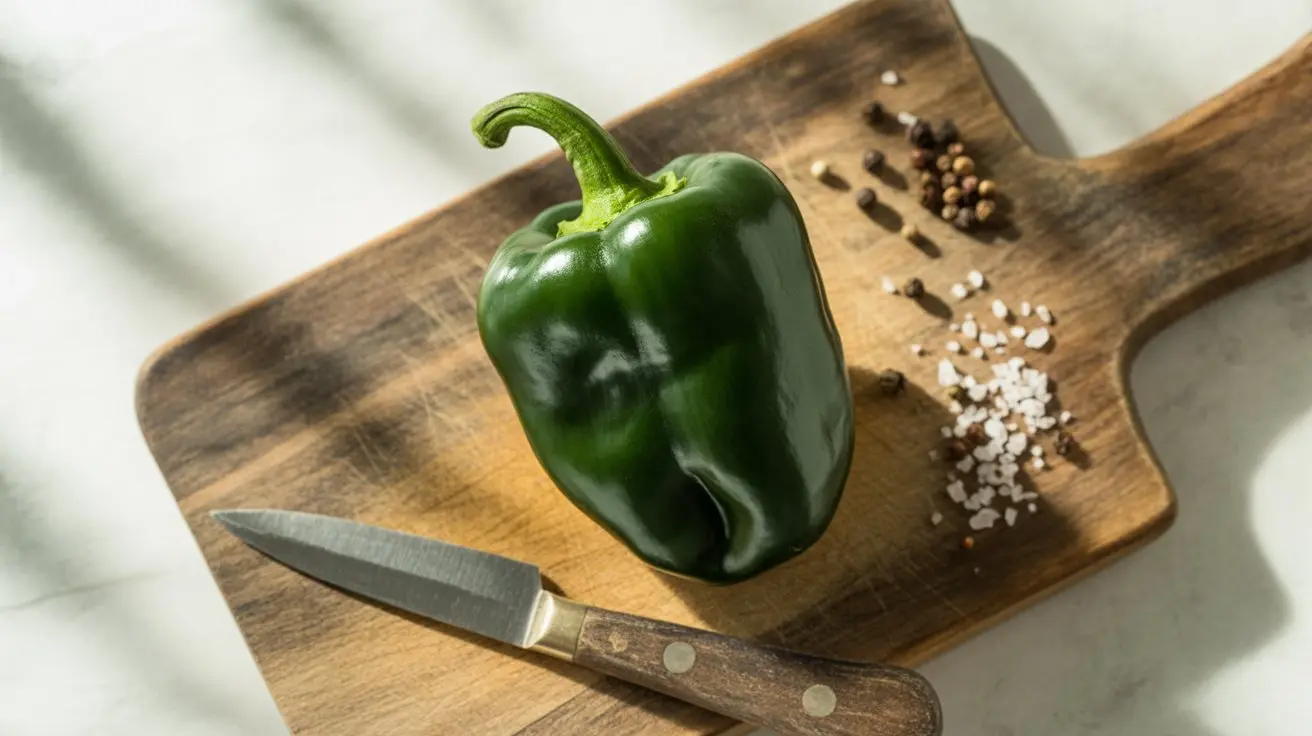
Poblano seems like a reasonable swap given its mild reputation, but even mild poblanos carry 1,000-2,000 SHU: enough heat to completely alter any dish where pimento was chosen specifically for its zero-heat sweetness. The earthy, chocolatey flavor also reads very differently in fresh preparations like pimento cheese.
Banana pepper (hot variety) is another trap. Sweet banana peppers can work in a pinch, but the hot versions run 500-1,000 SHU, and the two are frequently mislabeled at grocery stores.
The thin walls also collapse in cooked applications where pimento's thick flesh provides structure.
Cubanelle is tempting because it is mild and widely available, but its flavor is distinctly grassy and slightly bitter when raw: a long way from pimento's candy-sweet profile. It performs better as a cooking pepper than a direct substitute for fresh or jarred pimento applications.
Avoid hot or smoky peppers in pimento cheese unless you are intentionally changing the dish. Pimento is a zero-heat sweet pepper, so chipotle, poblano, and hot banana pepper pull the recipe toward heat, smoke, or earthiness.
Use red bell or jarred roasted red pepper first, then add heat separately if wanted.
Substitution tip: When substituting Pimento Pepper, start with less of a hotter substitute and add more to taste. For milder substitutes, increase the quantity. Our swap ratio calculator gives precise conversion amounts, and the heat unit converter translates between Scoville and other scales.