
8 Best Red Savina Habanero Substitutes for Heat and Flavor
Red Savina replacement is a heat-ceiling problem first. Use Caribbean Red habanero when you need the closest fresh pod, standard habanero when you need an easy store swap, and chocolate habanero when a darker sauce can handle deeper fruit. Thin green chiles may add burn, but they do not rebuild the hot habanero-family flavor that Red Savina brings to mash, jelly, and vinegar sauce.
Best Red Savina Habanero Substitutes
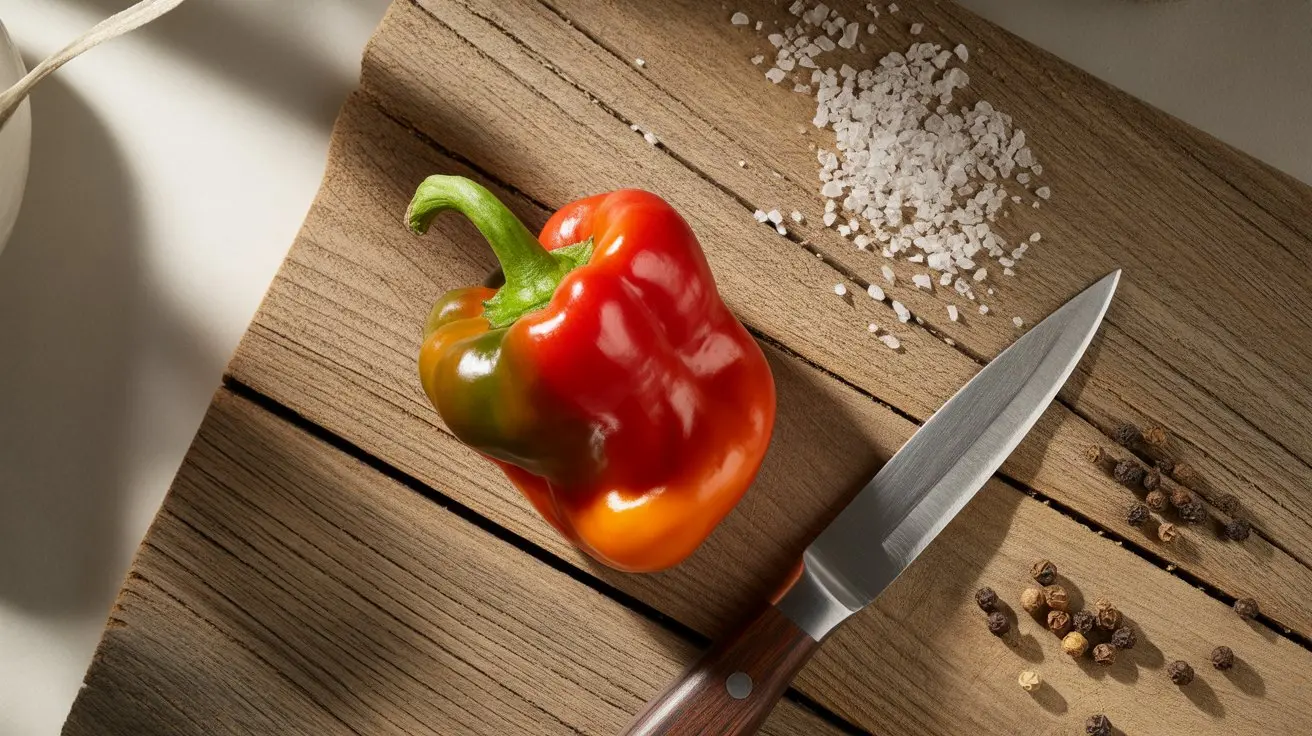
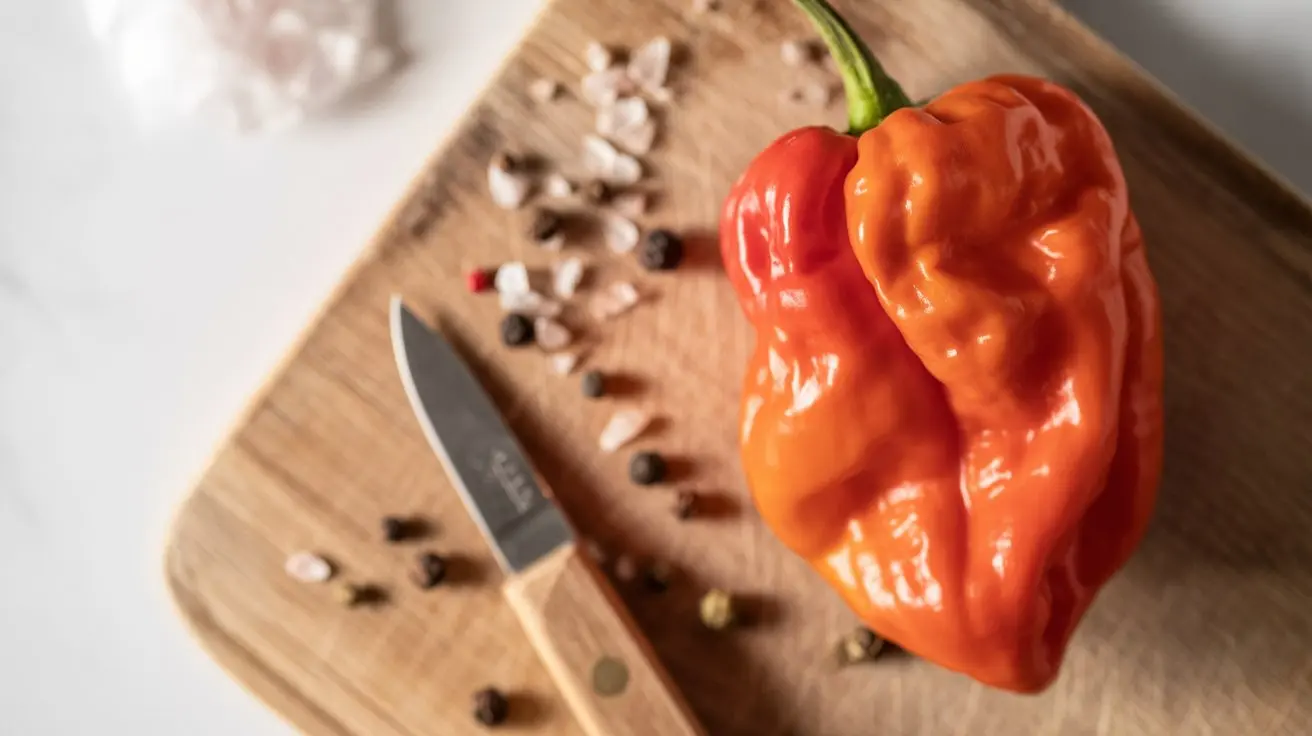
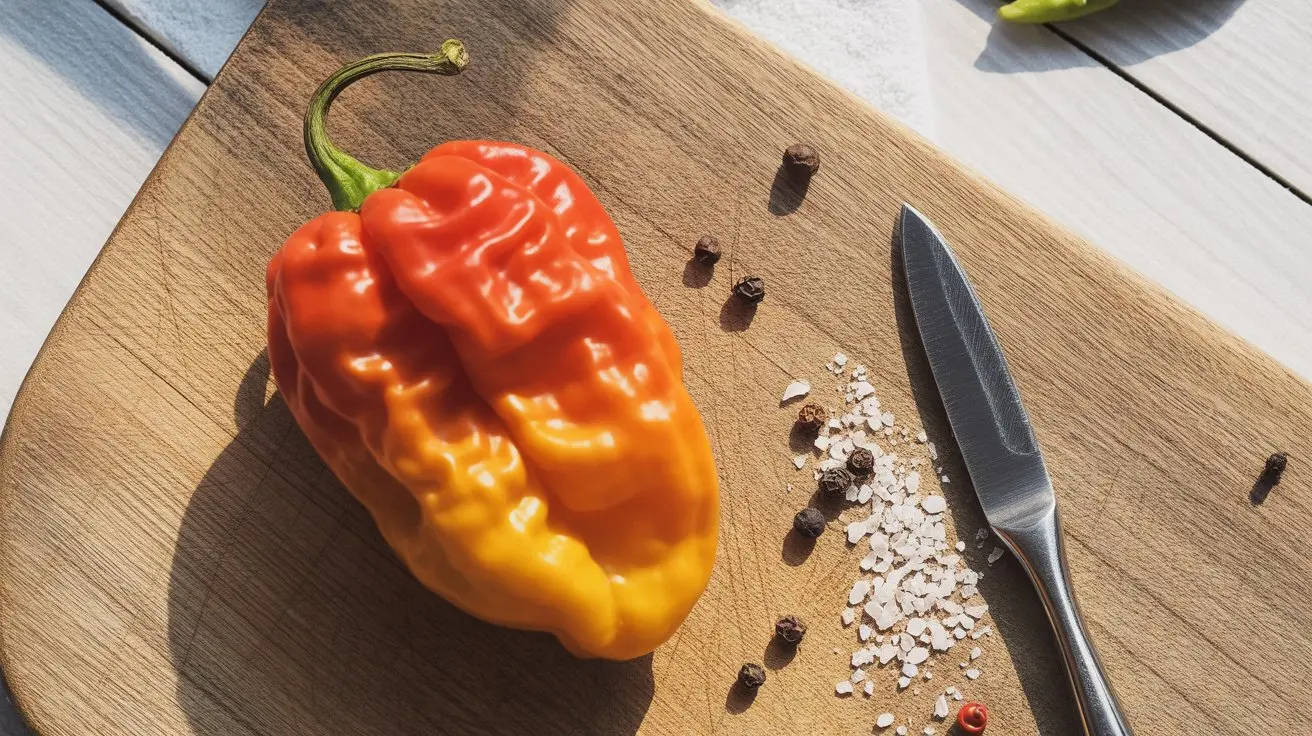
Caribbean Red Habanero
Closest MatchFor a fresh red pod swap, Caribbean Red habanero keeps the sauce in the hot C. chinense family and reaches 300,000-475,000 SHU. That keeps the sauce in the same heat neighborhood without moving into ghost-pepper harshness.
If the recipe was built around Red Savina's upper 580,000 SHU ceiling, hold back a spoonful of finished sauce, blend in a little extra Caribbean Red, and taste that sample before changing the whole batch.
Hot sauce, pepper mash, marinade, and red chile jelly handle this swap well. It keeps the bright habanero-family fruit, so sugar, vinegar, and carrot do not need a full redesign.
Standard Habanero
Runner-UpMost stores carry habanero, but that easier buy usually tops out lower at 100,000-350,000 SHU. Use it when the recipe needs habanero flavor more than record-style heat.
In cooked sauce, we increase the pod weight by about one third before we reach for hotter peppers. That preserves the citrus-fruit aroma and avoids the flat metallic burn that can show up when powder is the only heat source.
Chocolate Habanero
Also GreatChocolate habanero changes the color and flavor on purpose. It can run 425,000-577,000 SHU, so it covers Red Savina heat while pulling the sauce toward dark fruit, cocoa skin, and deeper roast notes.
Choose it for mole-style hot sauce, barbecue glaze, beans, and dark pepper mash. Skip it when the recipe needs a clean red-orange habanero look.

Scotch Bonnet
Scotch bonnet's tropical heat works when flavor matters more than matching Red Savina's top end. It shares the C. chinense aroma family, but it usually tastes rounder and sweeter.
This is the right move for marinades, fruit hot sauces, jerk-style seasonings, and cooked rice or stew. It is not the right move if the label needs to read like a Red Savina superhot sauce.
Fatalii
Fatalii brings a sharper citrus edge than Red Savina. Its 125,000-400,000 SHU range can feel hot enough in fresh sauce because the aroma cuts through vinegar and fruit.
Use it when the recipe already includes mango, pineapple, lime, or carrot. The citrus lean can make the sauce taste lively even when the Scoville ceiling is lower.
Aji Chombo
Aji chombo fits Caribbean-style sauces that need fruity heat but not the exact Red Savina record profile. It usually sits around 150,000-350,000 SHU, so it reads as hot without pretending to match the full ceiling.
Pick it for vinegar pepper sauce, seafood sauce, and marinades where aroma carries the dish. Do not use it as a one-for-one heat claim in superhot mash.
Ghost Pepper
Ghost pepper is a last-resort heat correction, not a flavor match. It can push a weak habanero batch hotter, but it changes the burn timing and makes the sauce feel more severe.
Use a tiny amount only when the substitute blend tastes right but lacks force. A pinch of ghost powder can rescue heat; too much turns a Red Savina-style sauce into a ghost pepper sauce.
Peppers to Avoid as Red Savina Habanero Substitutes
Avoid serrano or jalapeno as the main Red Savina replacement. They add fresh green pepper flavor, but the heat gap is too large and the aroma moves away from C. chinense fruit.
Avoid using ghost pepper as the only substitute unless the recipe is allowed to become a ghost pepper recipe. It solves heat while changing the burn and flavor.
Avoid dry cayenne as a direct fresh-pod swap in sauces where texture matters. It can tune heat at the end, but it cannot replace Red Savina pulp.
Substitution tip: When substituting Red Savina Habanero, start with less of a hotter substitute and add more to taste. For milder substitutes, increase the quantity. Our swap ratio calculator gives precise conversion amounts, and the heat unit converter translates between Scoville and other scales.