Best Rocoto Pepper substitutes and alternatives for cooking
Substitute Guide

No Rocoto? Try These 7 Alternatives

Quick Summary

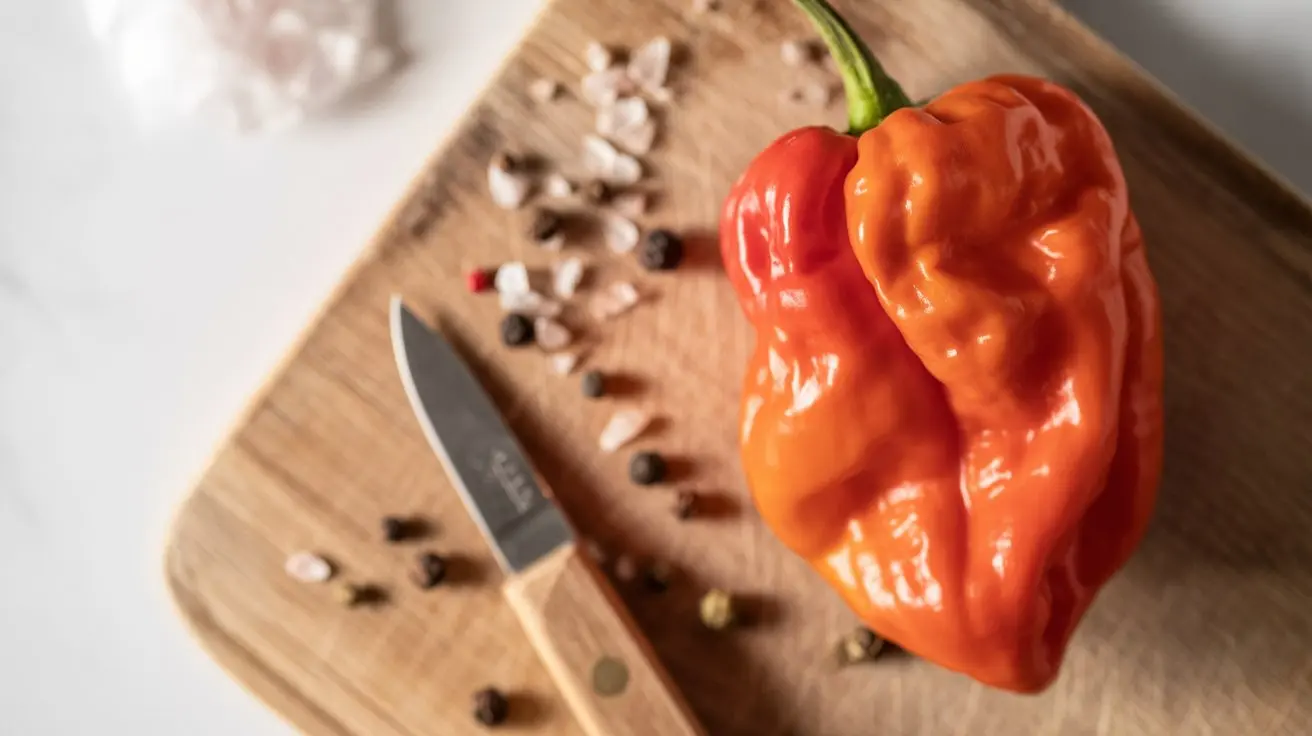
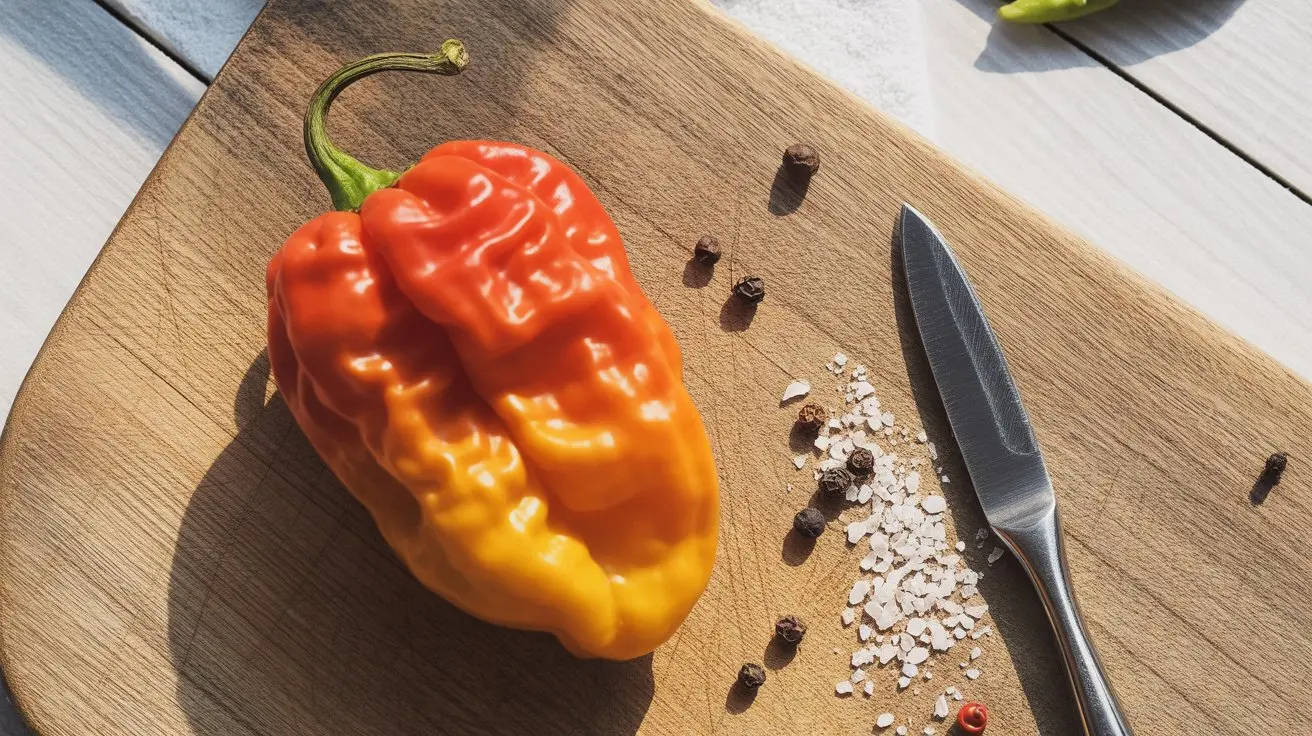
The rocoto pepper - a thick-walled, apple-shaped Andean chile from the C. pubescens botanical family with black seeds and genuine fire - is genuinely hard to find outside South America and specialty markets. Its combination of fruity sweetness and serious heat (30,000-100,000 SHU) wrapped in a meaty, crisp wall makes it unlike almost anything at a typical grocery store. These seven substitutes get you as close as possible, depending on whether you need the heat, the texture, or both.

Best Rocoto Pepper Substitutes

These alternatives are ranked by how closely they match Rocoto Pepper’s heat level and flavor profile. Use the conversion ratios to adjust quantities in your recipe.

#1
Habanero Closest Match

At 100,000-350,000 SHU, a habanero actually runs hotter than the rocoto's typical ceiling, so use about half the amount the recipe calls for and taste as you go. What makes it the top substitute is the fruity, tropical sweetness that echoes the rocoto's own fruit-forward character - the heat profile feels related even if the wall thickness does not. Habaneros are thin-skinned, so they will not replicate the meaty texture in stuffed preparations, but for sauces, marinades, and salsas they are the closest flavor match available at most supermarkets. The regional pepper tradition of the Andes that produced the rocoto shares flavor DNA with Caribbean habanero lineages, which is part of why this swap works so well.

#2
Scotch Bonnet Runner-Up

Another 100,000-350,000 SHU option, the Scotch bonnet brings a slightly sweeter, more distinctly floral heat compared to the habanero. Use the same 1:2 ratio (one Scotch bonnet for every two rocotos). Its relatively thick walls for a superhot make it marginally better for applications where some structural integrity matters. If the recipe is a Peruvian-style pepper sauce or a stuffed preparation where you can pad it with other ingredients, this is a strong second choice.

#3
Rocotillo Also Great

The rocotillo's mild, squash-like sweetness sits at just 1,500-2,500 SHU, so it is dramatically milder than rocoto. The advantage is shape and wall structure - rocotillos are small, round, and reasonably thick-walled, making them the best texture stand-in for stuffed rocoto dishes. Use a 1:1 ratio and add a small amount of cayenne or crushed red pepper to approximate the heat. For aji de rocoto or dishes where the pepper is the vessel, this is the most structurally faithful substitute.

Comparison of Rocoto Pepper with similar peppers for substitution
#4
Fresno Chile

Fresnos land at 2,500-10,000 SHU - noticeably milder than rocoto but with a clean, slightly fruity heat that does not muddy sauces. Use a 1:1 ratio and consider adding a pinch of cayenne. The Fresno's medium-thick walls give it reasonable texture in cooked applications, and its bright red color matches the most common rocoto presentation. For everyday cooking where sourcing a true rocoto is impractical, a Fresno with a heat boost is a practical weeknight solution.

#5
Bell Pepper + Cayenne Blend

This is the texture-first approach. Bell pepper variety have thick, meaty walls that are the closest structural match to rocoto among common grocery store options. On their own they register 0 SHU, so the fix is to blend in cayenne powder - roughly 1/4 teaspoon cayenne per bell pepper gets you into a mild rocoto-adjacent range. Use a 1:1 ratio by volume. This works best in stuffed preparations, stews, and roasted dishes where the pepper's body matters more than its raw heat intensity. The heat category the rocoto belongs to is not replicable with bells alone, but the textural role is.

#6
Habanada

The habanada's intensely fruity, zero-heat sweetness is a specialized tool here. At 0 SHU, it is only useful when the recipe needs rocoto's flavor character without any heat - think rocoto-based sauces for dishes that already carry their own spice, or preparations for guests who cannot tolerate heat. Use 1:1. The habanada was bred specifically to preserve habanero fruit flavor without capsaicin, which makes it surprisingly effective at mimicking the sweet-fruity top notes of rocoto. Add heat separately through another source if needed.

#7
Numex Heritage Big Jim

The NuMex Heritage Big Jim's large, thick-walled build makes it the best structural substitute for large stuffed rocoto applications. It runs at 500-2,500 SHU, so it is mild, but its walls are substantial and it holds its shape during roasting and stuffing better than most alternatives on this list. Use 1:1 by count for stuffed dishes and supplement with a hotter pepper in the filling or sauce. For Peruvian-style rellenos where the pepper is the main vessel, Big Jim is worth seeking out.

Related De Arbol vs Guajillo Pepper: Taste, Heat & When to Use Each
Peppers to Avoid as Rocoto Pepper Substitutes

Poblano peppers seem like a logical swap - they are thick-walled, dark green, and widely available. The problem is flavor: poblanos carry an earthy, almost chocolatey depth that clashes with rocoto's bright, fruity profile. In a rocoto-based sauce, a poblano pulls the dish in a completely different direction.

Jalapeños are tempting because of their accessibility and moderate heat, but at 2,500-8,000 SHU they are far milder than rocoto, and their thin walls make them useless in stuffed applications. The flavor is also grassy and vegetal where rocoto is fruity and complex.

Cayenne peppers provide heat in the right ballpark (30,000-50,000 SHU) but are almost exclusively used dried or powdered. Fresh cayennes are very thin-skinned and offer none of the textural contribution that makes rocoto distinctive. Using cayenne alone as a rocoto substitute ignores everything about the pepper except raw burn.

Fact-Checked & Expert Reviewed
Editorial Standards: All facts verified against authoritative sources. Content reviewed by subject matter experts before publication.
Review Process: Written by Sofia Torres (Lead Culinary Reviewer) , reviewed by Karen Liu (Lead Fact-Checker & Science Editor) . Last updated June 4, 2026.
Related De Arbol vs Serrano Pepper: Heat, Flavor & Key Differences

Rocoto Pepper Substitute FAQ

Habaneros work for flavor but not for structure - their thin skins make them nearly impossible to stuff the way rocoto's thick, apple-like walls allow. For stuffed preparations, the rocotillo or NuMex Heritage Big Jim are better choices because they hold their shape during cooking.

Stir roughly 1/4 teaspoon of cayenne powder into the dish per bell pepper used, or blend a small amount of habanero into the sauce alongside the bell pepper. This gets you closer to the 30,000-100,000 SHU range without sacrificing the meaty texture bells provide.

No common substitute replicates the black seeds, which are a defining trait of C. pubescens and unique among domesticated peppers. The rocotillo comes closest on wall thickness among widely available options, though its heat is significantly lower.

Habaneros or Scotch bonnets give you the fruity heat that defines the sauce, even though you will need to cut the quantity roughly in half to avoid overpowering the dish. Taste frequently and balance with extra onion or dairy to mellow the sharper habanero burn.

Fresh rocotos are rare in the U.S. outside of Peruvian or Latin specialty markets and some farmers markets in areas with South American immigrant communities. Frozen rocoto paste and jarred rocoto is more widely available online and in Latin grocery stores, and is often the most practical option.

Sources & References
Karen Liu
Fact-checked by Karen Liu
Contributing Editor & Food Scientist
All Substitutes Browse Peppers Substitute Finder Tool