
7 Best Substitutes for Tien Tsin (With Ratios)
Tien Tsin peppers are small, fiery Chinese chilies central to Sichuan and Cantonese cooking - the kind that turn a jar of chili oil into something notably dangerous. When fresh or dried Tien Tsins are unavailable, you need a substitute that can handle both the heat load and the clean, sharp chili flavor these peppers bring to stir-fries and braises. The seven options below are ranked by how closely they replicate that experience.
Best Tien Tsin Substitutes
Prik Kee Noo
Closest MatchThe Thai bird's eye chili is often the closest match available outside specialty Asian markets. Its heat is intense and fast-building, with a clean, grassy sharpness that mirrors the Tien Tsin's no-frills fire.
Both are small, thin-walled dried chilies that work identically in chili oil and stir-fry applications. Use a 1:1 ratio: these are functionally interchangeable in most recipes.
The sharp, fast-building heat of Prik Kee Noo makes it the default first call when Tien Tsins run out.
Prik kee noo is strongest in chili oil, kung pao-style stir-fries, and dry pot dishes because it stays small and intense. Keep the pods whole if the original Tien Tsin chiles were meant to perfume oil rather than be eaten.
For crushed use, start at 1:1 by weight and taste the oil before adding more. The heat releases fast once the pods hit hot fat.
Guntur Sannam
Runner-UpThis South Indian chili is widely available dried and carries serious firepower with a slightly earthy, paprika-adjacent depth. It runs hotter than a serrano by a significant margin and produces the kind of lingering burn Tien Tsin dishes are known for.
Dried Guntur Sannams can be used whole in hot oil exactly as you would Tien Tsins. Use a 1:1 ratio by count, though the pods are larger: halve them if your recipe calls for a specific volume.
The bold dried heat of Guntur Sannam performs especially well in braised dishes.
Guntur sannam is a good pantry fallback for dried Chinese-style heat when whole Tien Tsin pods are unavailable. It is fruitier and less needle-sharp, so it works better in chile powder, spice blends, and simmered sauces than as a whole stir-fry chile.
Use slightly less at first if the powder is finely ground, because more surface area releases heat faster.
Malagueta Pepper
Also GreatBrazil's most famous small chili brings a fruity, bright heat that differs slightly from the Tien Tsin's cleaner profile, but holds up well in oil-based applications. Dried malaguetas are increasingly available in Latin markets and online.
The heat intensity is comparable, though the flavor has a bit more personality: which can actually be a bonus in chili pastes. Use a 1:1 ratio by count.
The fiery tropical character of the Malagueta pairs naturally with garlic and ginger in Sichuan-influenced cooking.

Lumbre
A New Mexican variety bred for serious heat, Lumbre dries beautifully and produces a clean, pungent chili flavor without the earthiness of some dried alternatives. It belongs to the botanical family behind most cultivated chilies, the same lineage as Tien Tsin itself.
Lumbre pods are longer than Tien Tsins, so chop or break them into comparable pieces. Use a 0.75:1 ratio (three-quarters the amount) since the heat can run slightly more concentrated.
The sharp dried heat Lumbre delivers makes it a natural fit for chili oil infusions.
Sichuan Pepper
Technically not a chili pepper at all: Sichuan pepper is a dried berry from the prickly ash tree: but it is the other half of the flavor equation in many dishes that call for Tien Tsin. It produces the famous mala (numbing-hot) sensation rather than capsaicin heat.
If your recipe is Sichuan-specific, using the numbing, citrusy character of Sichuan pepper alongside a milder chili can actually recreate the dish's intended flavor profile better than a straight heat substitute. Use half the amount of Sichuan pepper compared to the Tien Tsin called for, and pair with a mild dried chili for color and body.
NuMex Heritage Big Jim
This is the mild end of the substitution spectrum. Big Jim is a large, meaty New Mexican chili with low heat and a rich, slightly sweet dried pepper flavor.
It won't replicate the fire of a Tien Tsin, but in dishes where chili flavor matters more than burn: think braises, sauces, or chili pastes: it delivers body and complexity. Use 2:1 by volume to compensate for the reduced heat, and consider adding a pinch of cayenne.
The mild, earthy dried flavor of NuMex Heritage Big Jim works best when the recipe has other heat sources.
Bell Pepper
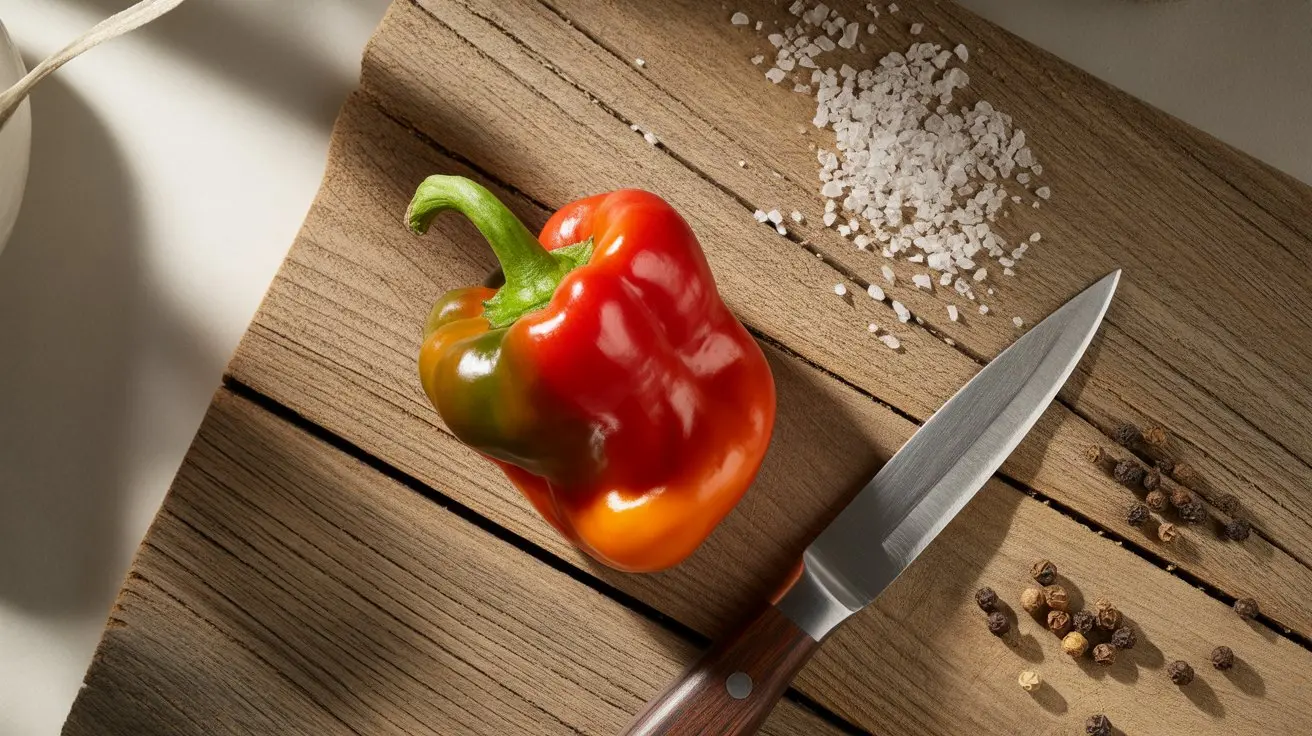
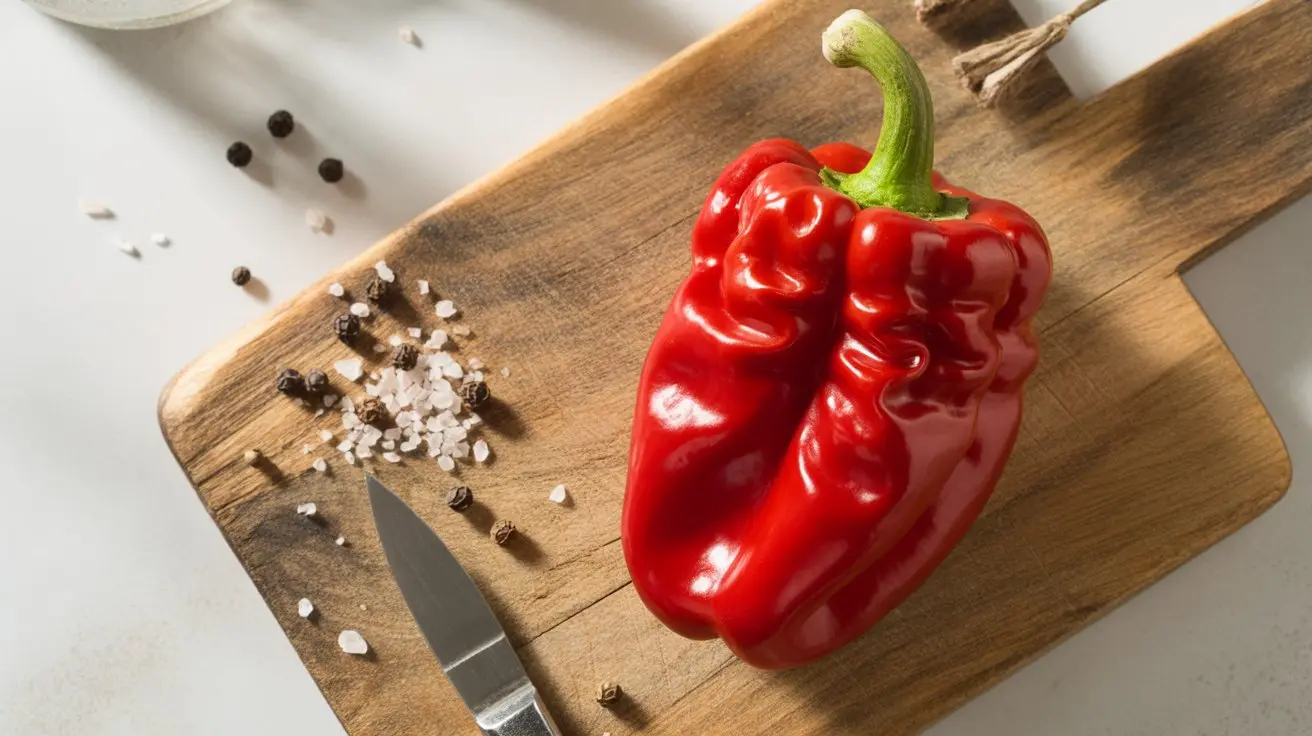
The last resort, but not a useless one. Dried or fresh red bell pepper adds color, sweetness, and pepper flavor without any heat whatsoever.
This only works if you are cooking for heat-sensitive guests and need the visual and aromatic presence of a chili without the fire. In that narrow context, the sweet, zero-heat profile of bell pepper can stand in: use 2:1 by volume and add white pepper or a small amount of cayenne to approximate warmth.
Bell peppers are part of the hot pepper heat category's complete opposite end, so manage expectations accordingly.
For anyone interested in how these peppers fit into the broader regional pepper tradition of China, Tien Tsin sits in a fascinating cooking space: small-format, high-heat, and deeply tied to specific regional cooking techniques that reward using the most accurate substitute you can source.
Ratio check by dry cooking method
For chili oil, dry-fried chicken, and wok dishes, use 1 dried bird chile or chile de arbol for 1 Tien Tsin by count. Break the pods open only if the recipe needs faster heat extraction.
Whole pods give aroma and color without making every bite punishing.
For crushed flakes, grind by weight instead of pod count. Tien Tsin pods are light and thin, so a tablespoon of crushed substitute can run hotter than the same number of whole chiles.
Peppers to Avoid as Tien Tsin Substitutes
Habanada looks like a logical substitute because it shares the fruity, bright flavor profile of many Asian chilies: but it has been specifically bred to contain zero heat. Tien Tsin dishes depend on capsaicin intensity; a habanada brings none.
The sweet, heatless character of Habanada makes it a fine pepper in its own right, but it cannot replicate what Tien Tsin does in a dish.
Rocotillo is another pepper that seems relevant: it has a Caribbean, slightly fruity flavor and a compact form: but it registers almost no heat and has a watery, thin flesh that breaks down poorly in the dry-heat applications (chili oil, stir-fry) where Tien Tsins shine. The mild, fruity character of Rocotillo belongs in fresh salsas, not chili oil.
NuMex Joe E. Parker is a mild Anaheim-type chili bred for green chile applications. Its thick walls and low heat make it structurally and thermally wrong for Tien Tsin recipes.
It would overwhelm a dish with mild pepper flavor while contributing none of the heat that defines the source pepper's role.
Avoid Sichuan pepper as a chile replacement. It creates citrusy numbness, not capsaicin heat.
It belongs beside Tien Tsin in many dishes, but it does not replace the red chile itself. If you need both sensations, use a hot dried chile plus Sichuan pepper rather than choosing one for both jobs.
Substitution tip: When substituting Tien Tsin, start with less of a hotter substitute and add more to taste. For milder substitutes, increase the quantity. Our swap ratio calculator gives precise conversion amounts, and the heat unit converter translates between Scoville and other scales.