
Can You Eat Pepper Seeds? Safety, Heat, Flavor, and Removal
Pepper seeds are safe to eat. They are not the main source of pepper heat, but they often carry capsaicin from touching the pale inner placenta. Keep seeds when you want texture in salsa or hot sauce, remove them for smoother sauces and milder pickles, and only save seeds from ripe healthy peppers for planting.
Pepper seeds are safe to eat
Pepper seeds are safe to swallow and cook with. They are not poisonous, and a few seeds in salsa, hot sauce, stir-fry, or pickles are a normal part of eating fresh peppers.
The reason people remove seeds is usually texture, bitterness, heat control, or appearance. Safety is rarely the issue unless the pepper itself is spoiled, moldy, or contaminated.
That distinction matters in the kitchen. Do not spend time chasing every seed because you think the seeds are dangerous. Remove them when the dish will be better without their crunch or bitterness.
Seeds are not the main heat source
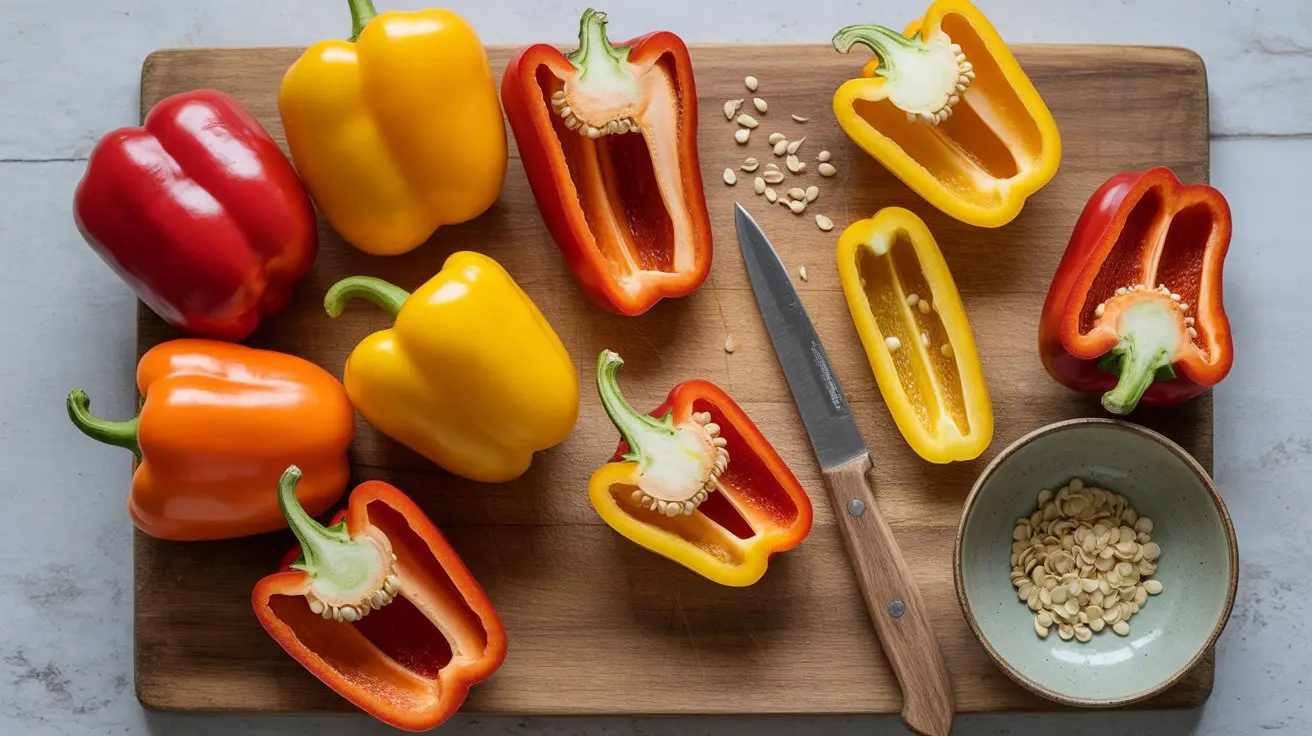
Most pepper heat comes from capsaicinoids concentrated around the pale placenta and inner ribs, not from the seed embryo itself. Seeds taste hot because they sit against that tissue and get coated during cutting.
That is why a seed scraped from a hot fresh jalapeno peppers can burn, while the botanical seed is not the pepper's capsaicin factory. If you want to reduce heat, scrape the ribs and inner membrane instead of only shaking out loose seeds.
In kitchen prep, removing only loose seeds changes texture more than heat. Removing the ribs, placenta, and seed cluster makes salsa noticeably milder because that tissue carries more capsaicin. The cut surface matters more than the seed count.
| Part | Kitchen effect | Remove when |
|---|---|---|
| Seeds | Crunch, slight bitterness, carried heat | You want smooth texture |
| Placenta and ribs | Main heat control point | You want a milder dish |
| Flesh | Flavor, color, moisture | Usually keep it |
| Stem | Tough and grassy | Almost always remove |
This is also why the pepper deseeding guide should focus on the ribs, not a perfect seed hunt.
Seeds can taste bitter or gritty
Seeds have a firmer, drier texture than pepper flesh. In chunky salsa, that texture may be fine. In a smooth hot sauce, cream sauce, or puree, seeds can make the finish gritty.
Seeds can also add a slight bitterness, especially after blending. A few seeds in a fresh salsa are not a problem, but a blender full of seeds from several hot peppers can give a sauce a rough edge.
For smooth sauces, cut peppers open and scrape the ribs and seed cluster before blending. If the sauce is already blended and gritty, strain it through a fine mesh sieve before bottling or serving.
That is one reason many homemade hot sauce batches taste cleaner after deseeding the hottest peppers and using the flesh for flavor.
When to keep pepper seeds
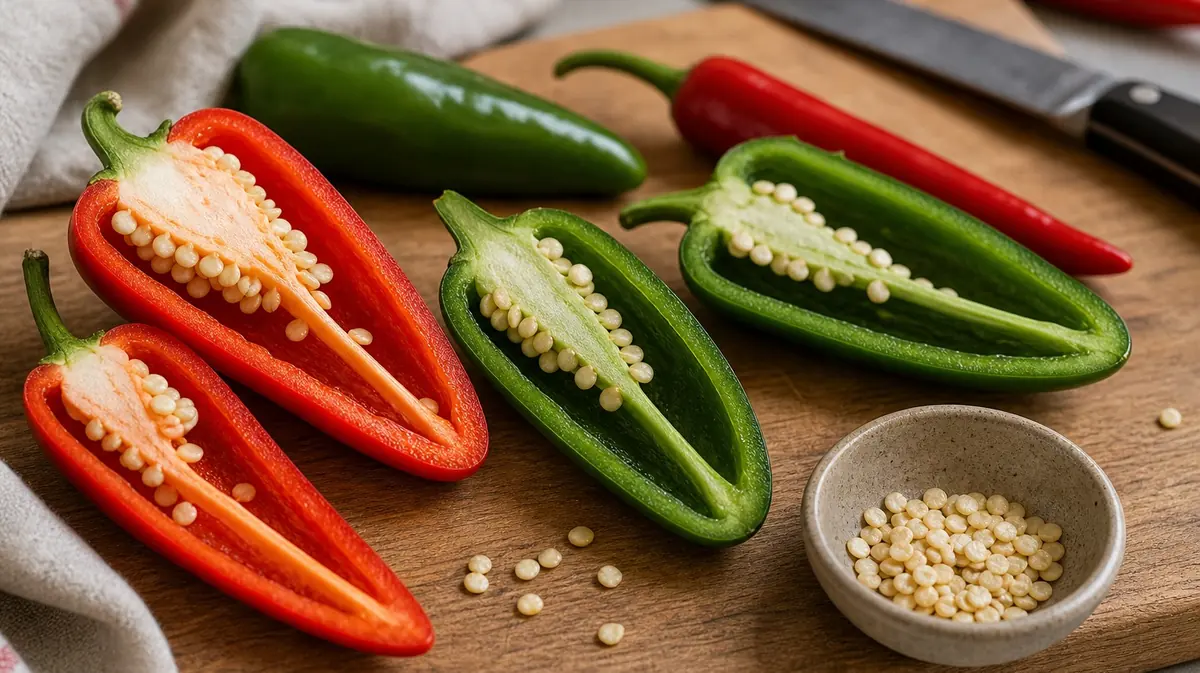
Keep seeds when the dish benefits from texture or when the pepper is mild enough that the carried heat is welcome. Fresh salsa, chunky relish, stir-fries, and rustic hot sauce can all handle some seeds.
Seeds are also normal in many dried chile flakes and crushed pepper blends. Removing them from every dried pepper is usually unnecessary unless you are making a very smooth paste.
For a bright raw salsa, leaving some seeds in fresh salsa can make the heat feel more direct. For a cooked sauce, the same seeds may turn tougher and more noticeable after blending.
Use the dish as the decision point. Seeds are not a moral issue. They are a texture and heat-control tool.
When to remove pepper seeds
Remove seeds when you want a smooth sauce, a cleaner pickle brine, a milder stuffed pepper, or a polished garnish. Remove the ribs at the same time if heat reduction is the goal.
Pickles are a good example. Seeds floating in the jar are safe, but they can cloud the brine and make each bite less tidy. For clean slices, scrape the pepper before packing.
When handling hot peppers, gloves are useful because capsaicin on the inner tissue can linger on skin. Our our jalapeno-cutting guide guide uses the same rule: control the ribs and wash tools before touching your face.
For superhot peppers, remove seeds and ribs under good ventilation and avoid rubbing your eyes. The seeds are not the danger by themselves, but the capsaicin-coated inner tissue can be brutal.
Dish-by-dish seed decisions
For salsa, seeds are mostly a style choice. A chunky pico-style salsa can keep some seeds because the texture matches chopped tomato, onion, and chile. A blended restaurant-style salsa usually tastes cleaner when seeds and ribs are reduced before blending.
For pickles, removing seeds gives a cleaner jar and more even slices. Seeds are safe in the pickled jalapeno recipe, but they float into the brine and make the jar look messier.
For stuffed peppers, remove seeds because the seed cluster takes up space and can make each bite bitter. For pepper flakes, dried seeds are normal because crushed chile is expected to have seed texture.
For hot sauce, decide before fermentation or blending. Seeds left in a fermented mash can add rustic body, while a smooth vinegar sauce usually benefits from scraping or straining.
Digestive comfort is personal
Most people digest pepper seeds without trouble. Some people notice irritation from very spicy meals, rough seed texture, or large amounts of pepper skin and fiber.
If seeds bother your stomach, remove them. That does not mean pepper seeds are unsafe for everyone. It means your dish or tolerance works better with a smoother prep.
For children or spice-sensitive guests, remove seeds and ribs from hot peppers and choose milder varieties. A seeded cayenne peppers in full profile is still a hot pepper, so seed removal is only part of heat control.
Cooking changes seed texture more than safety
Cooking does not make pepper seeds unsafe. It mostly changes texture. Seeds in a quick raw salsa stay firm and noticeable, while seeds simmered in sauce can turn tougher and more bitter after blending.
Roasting peppers can make seeds taste drier and nuttier, but scorched seeds turn bitter fast. If you char peppers for salsa, peel the skin and remove any blackened seed clumps before blending.
In oil-based cooking, seeds can carry capsaicin into the oil because they are coated with inner pepper juices. That is useful for a rustic spicy oil, but it is not ideal for a clean smooth sauce.
For cooking-method heat changes beyond seeds, cooking peppers hotter covers why oil, boiling, roasting, and cut size change perceived heat.
When seeds are a warning sign
Seeds themselves are not the warning sign. The pepper around them is. Do not eat seeds from peppers with fuzzy mold, sour smell, collapsed flesh, or insect damage inside the seed cavity.
Also be cautious with peppers that were stored wet in a bag. Moisture can collect around the stem and seed area first, especially in thick-walled peppers.
If a pepper looks clean outside but the seed core is brown, slimy, or smells fermented when it should not, discard the pepper. A normal ripe pepper may have tan seeds, but it should not smell rotten.
For storage prevention, how to store peppers covers the moisture problem before it reaches the seed cavity.
Eating seeds is different from saving seeds
Seeds meant for eating and seeds meant for planting have different standards. You can eat seeds from any clean edible pepper, but saved seed should come from ripe, healthy, true-to-type fruit.
Do not save seed from a moldy pepper, a diseased plant, or an immature green pod unless the variety is supposed to be harvested green and you accept weaker seed maturity. Dry saved seed fully before storage.
If your goal is next season's crop, use our save pepper seeds guide. If your goal is tonight's dinner, decide by texture, heat, and the final dish.