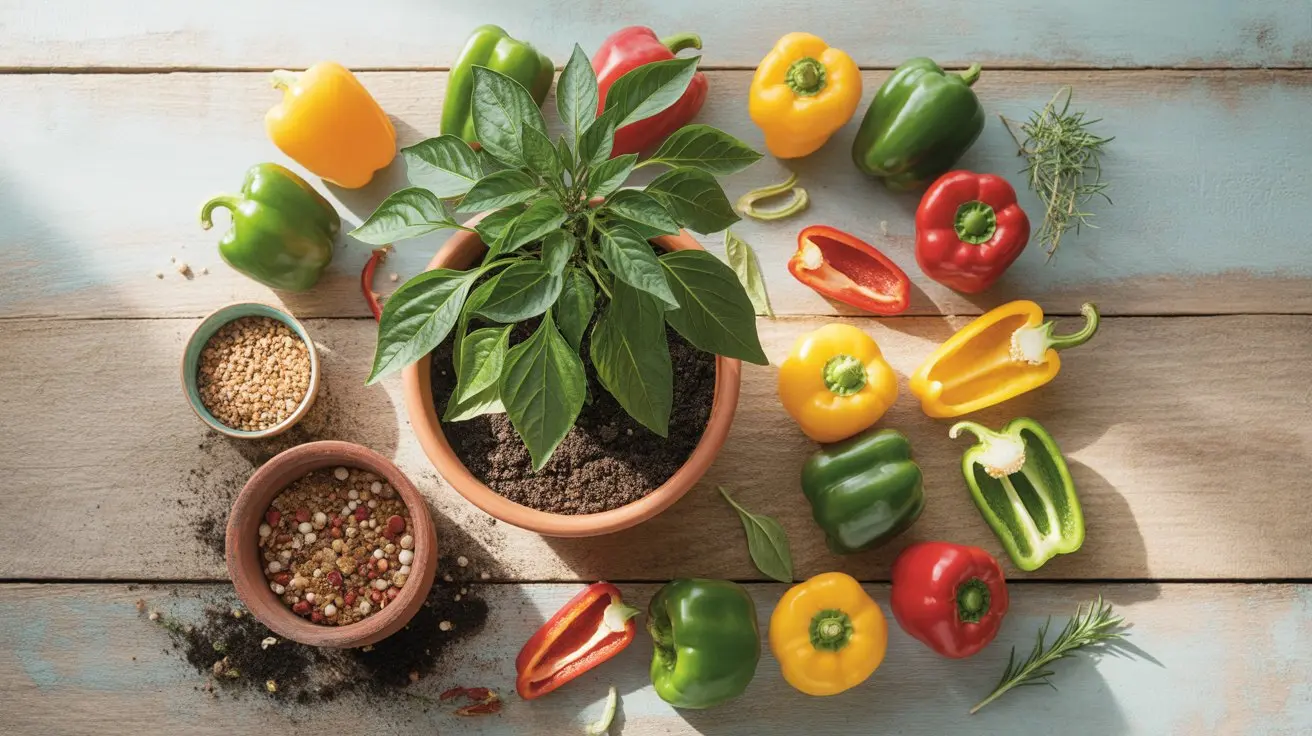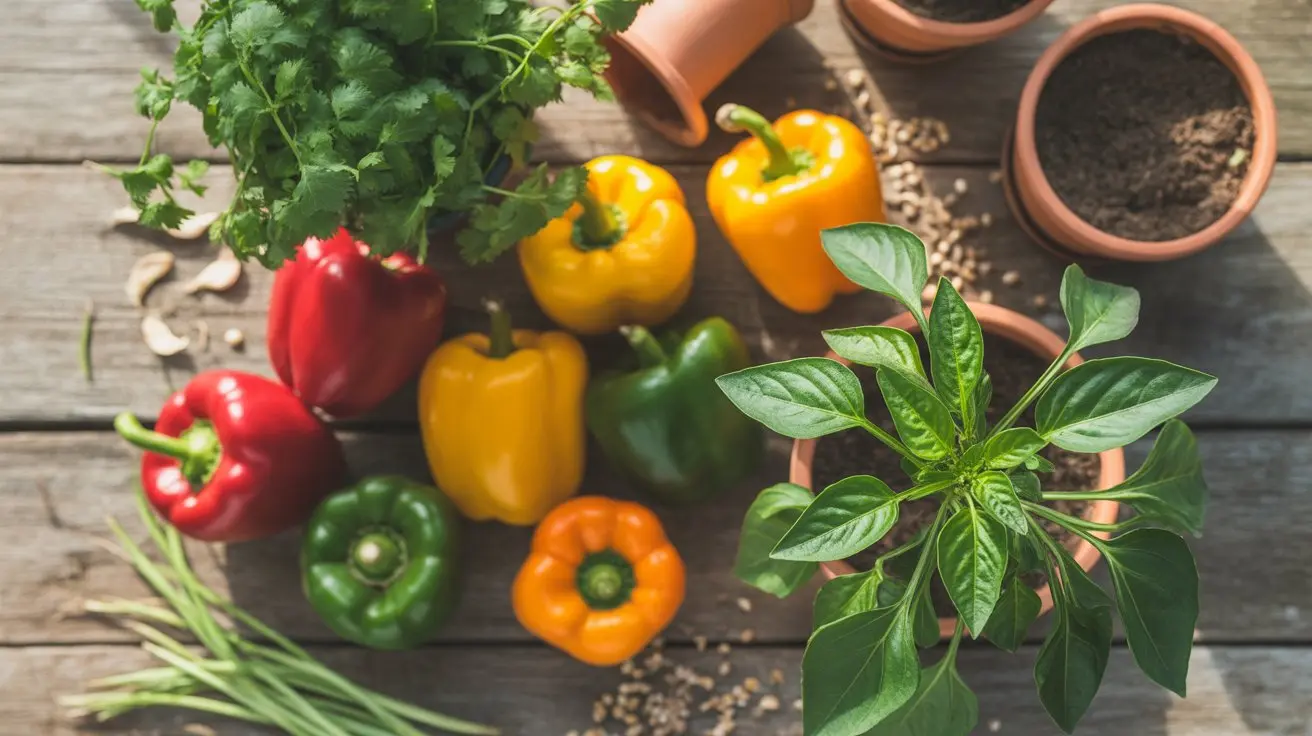

Essentials for Growing Peppers: The 7 Things That Actually Matter
Peppers need strong sun, warm soil, drainage, steady watering, enough root space, modest feeding, and enough season length to ripen fruit. Expensive gadgets are optional. If those seven basics are wrong, grow lights, pruning tricks, and specialty fertilizers cannot rescue the plant.
Start with the essentials, not the gear list
Growing peppers well comes down to a small set of conditions. Peppers need light, warmth, drainage, water, space, nutrition, and enough time to mature.
Most beginner failures happen because one of those basics is missing. The plant is shaded, the soil is cold, the pot is too small, or watering swings from dry to soaked.
This guide covers the minimum viable pepper-growing setup. Variety-specific guides such as the grow-jalapenos guide and grow bell peppers can get more specific after the basics are in place.
Full sun is the first requirement
Peppers grow best with at least 6 hours of direct sun, and 8 hours is better for heavy fruiting. A bright window that never gets direct light is usually not enough for a productive plant.
Low light creates weak stems, slow growth, pale leaves, and poor flowering. If seedlings stretch toward a window, the problem is light intensity, not a fertilizer shortage.
Outdoor containers should go in the sunniest practical spot. Indoor starts need a strong grow light placed close enough to keep seedlings compact without overheating them.
Warm soil decides the start
Peppers are warm-season plants. Cold soil slows root growth, delays nutrient uptake, and can make a healthy seedling sit still for weeks after transplanting.
Wait until soil is around 65 F or warmer before planting outside. Air temperature matters, but roots live in the soil, so a warm afternoon does not fix a cold bed.
Hardening off also belongs here. Seedlings moved from protected light straight into wind and sun can stall. Use a gradual hardening-off pepper plants schedule before the final move.
| Essential | Good target | Failure sign |
|---|---|---|
| Sun | 6-8+ direct hours | Leggy weak growth |
| Soil warmth | 65 F+ at transplant | Stalled seedlings |
| Drainage | Loose, not soggy | Yellow leaves, root stress |
| Water | Even moisture | Wilt swings and flower drop |
The table is a diagnostic. When a pepper looks weak, check these basics before buying a new product.
Drainage beats rich heavy soil
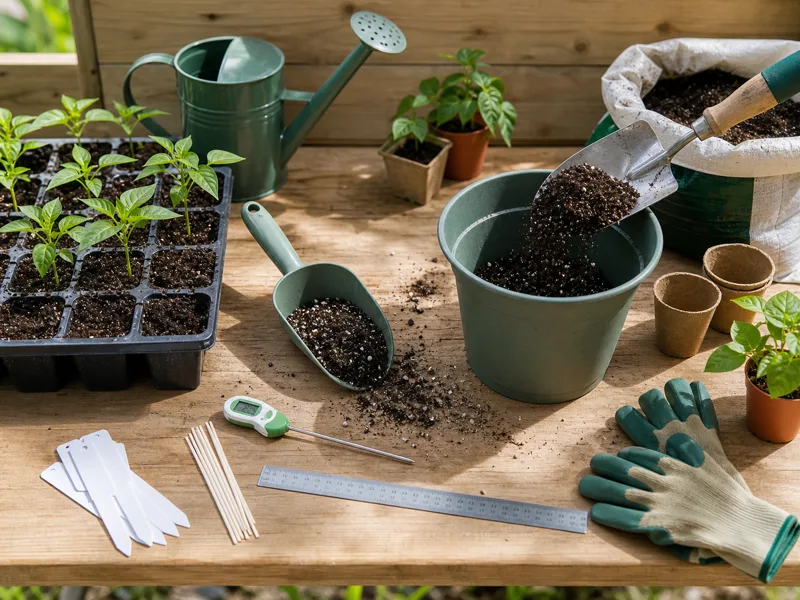
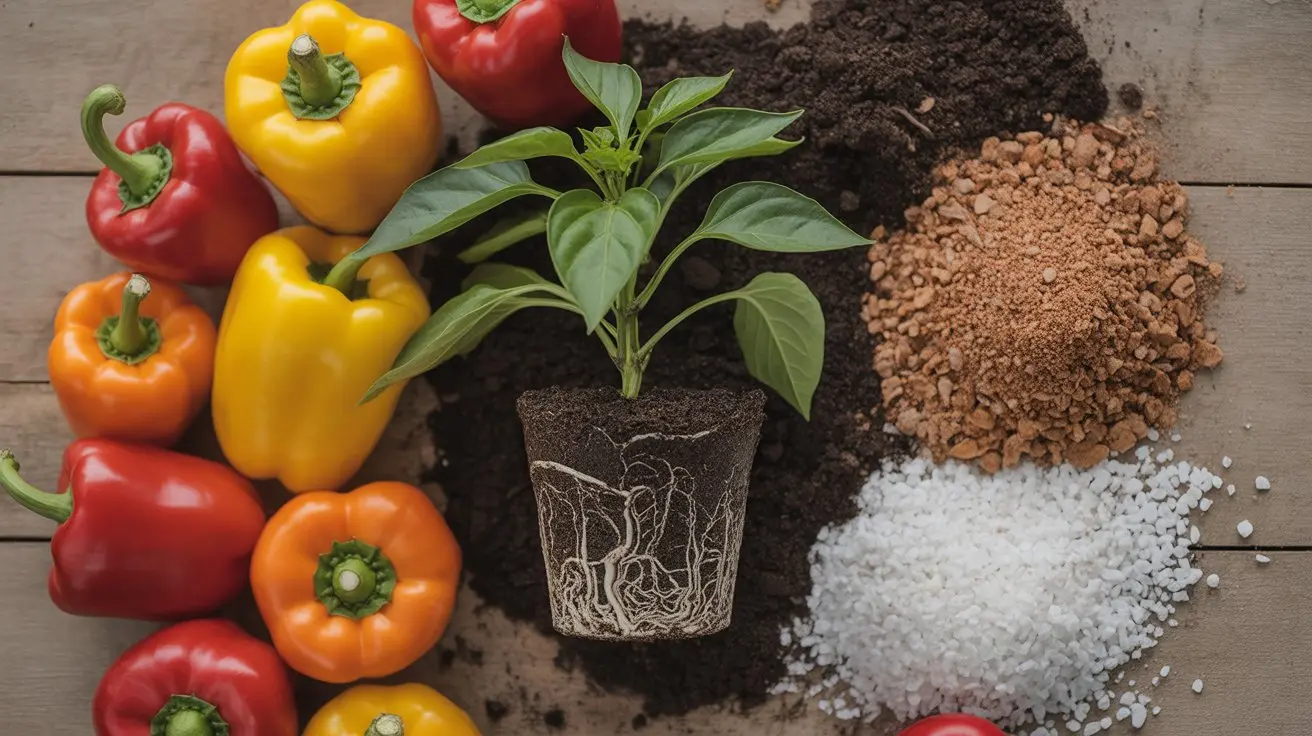
Peppers like fertile soil, but they do not like wet heavy soil around the roots. A loose, well-drained mix is safer than dense garden soil packed into a pot.
In beds, loosen compacted soil and add compost for structure. In containers, use potting mix, not yard soil. Yard soil can compact, drain poorly, and bring weed seeds into the pot.
If you want the deeper soil version, use best soil for peppers. For this essentials guide, the rule is simple: roots need air as much as nutrients.
Water consistency matters more than watering often
Peppers need steady moisture, not constant wet soil. Water deeply, then let the top layer begin to dry before watering again.
Small containers dry quickly and create wilt cycles. Oversized wet pots can stay soggy and slow roots. Match pot size to plant size, weather, and your watering habits.
Our pepper watering guide covers the finger test and container rhythm in detail. Here, the essential is avoiding extremes.
Give roots and branches enough space
Most pepper plants need about 18-24 inches between plants in beds, with larger types needing more airflow. Crowded plants shade each other and hold humidity around leaves.
Containers need enough volume for roots and water buffer. Many everyday hot peppers work in 5 gallons, while large bells and superhots often do better in 7-10 gallons.
If you grow on a patio, pair this article with container size for pepper plants. Root volume is not decorative. It decides how forgiving the plant will be in heat.
Feed modestly and watch the plant
Peppers need nutrients, but overfeeding nitrogen can build leaves at the expense of flowers. A balanced fertilizer or compost-supported soil is enough for many home plants.
Feed more once the plant is established and starting to flower. Seedlings and newly transplanted peppers do not need a heavy dose right away.
Yellow older leaves, slow growth, and pale plants can point to nutrition, but they can also point to cold soil or waterlogged roots. Diagnose the basics before adding more fertilizer.
For timing and product type, use fertilize pepper plants. The essential here is restraint and observation.
Time and variety choice are part of the setup
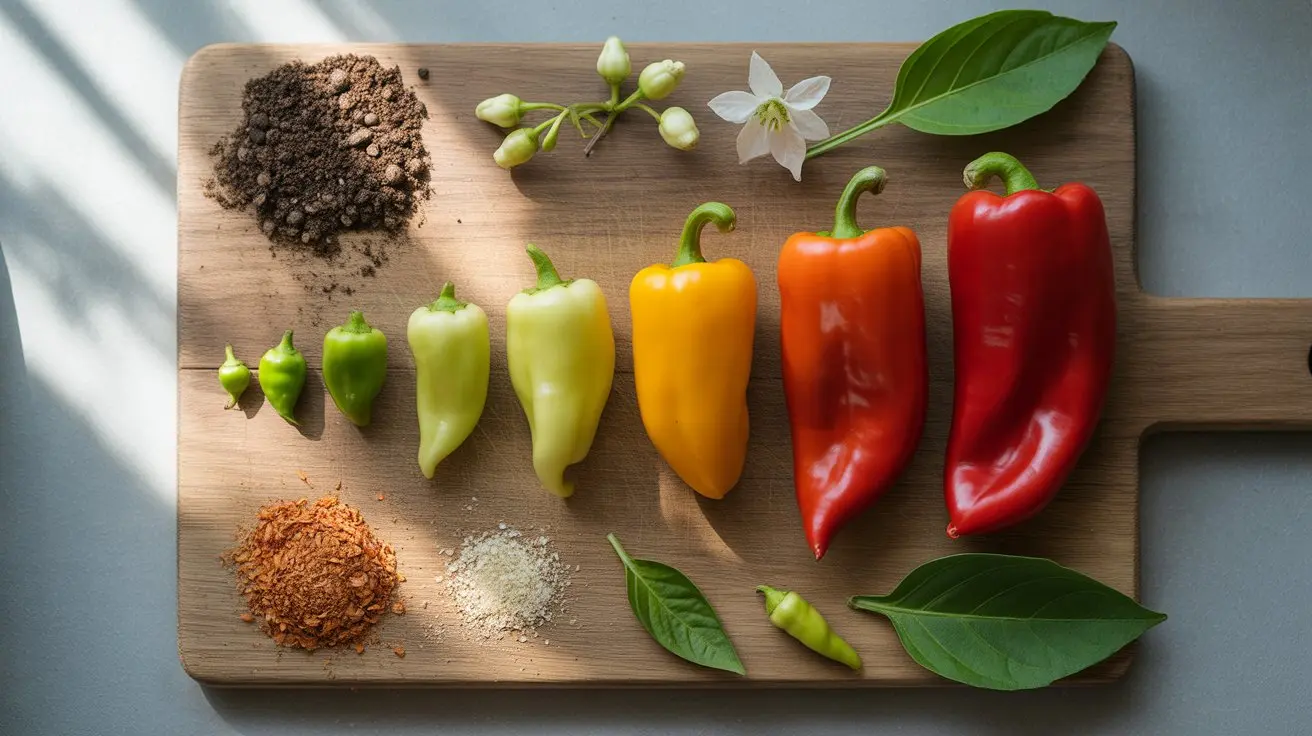
A pepper plant needs enough warm days to finish fruit. Fast jalapenos are more forgiving than long-season superhots, and bell peppers need time to size and color.
Choose varieties that fit your season and experience. If you are new, start with easier annuum peppers before building a season around very slow Capsicum chinense plants.
For a beginner shortlist, easiest peppers to grow is a better next step than buying more equipment. A forgiving variety makes every essential easier to learn.
Starter setup for a first pepper crop
A simple first setup can be six healthy seedlings, a sunny bed or 5-gallon containers, loose potting mix, a watering can, and one balanced fertilizer. That is enough to learn how peppers behave without turning the season into a gear project.
If starting from seed, add a heat mat or warm seed-starting location, seed-starting mix, and a strong light. Pepper seeds germinate slowly in cool conditions, so warmth and light matter more than a complicated tray system.
If buying transplants, choose stocky plants with green leaves and no flowers yet. A pepper already rootbound and flowering in a tiny nursery pot is not always ahead. It may be stressed before you plant it.
For seed-starting details, use grow peppers from seed. This essentials article keeps the bigger system in view so the seedling has somewhere good to go.
Match the essentials to the symptom
Leggy seedlings usually point to weak light, not missing fertilizer. Yellow lower leaves can point to nitrogen, but they can also come from cold wet roots. Flower drop often comes from heat, water swings, or a plant that is still too stressed to hold fruit.
Use symptoms to check the seven basics in order. Light, warmth, drainage, water, space, nutrients, and time explain more problems than rare deficiencies do.
A plant that wilts every afternoon in a small pot may need a bigger water buffer, not more frequent tiny sips. A plant in a wet heavy bed may need drainage correction, not another feeding.
For crop timing, pepper-growing calendar guide helps connect seed-starting, transplanting, flowering, and harvest windows to your season.
Do not skip transplant recovery
A pepper can have sun, soil, and fertilizer and still stall if transplant shock is rough. Roots need time to move from the nursery plug into the new soil.
Water transplants in, protect them from the harshest first afternoon if needed, and avoid heavy feeding until growth resumes. Strong starts are boring. That is the point.
If seedlings are already stretched, buried too deeply, or rootbound, use transplant pepper seedlings before blaming the variety.
What is optional
Pruning, fancy trellises, premium amendments, foliar sprays, and complex feeding schedules are optional. They can help in specific cases, but they do not replace sun, warmth, drainage, water, space, nutrients, and time.
If a plant is failing, do not start with tricks. Check light exposure, soil temperature, drainage, watering rhythm, spacing, and container size first.
Once those basics are stable, advanced choices make more sense. Until then, the best pepper-growing essential is a simple setup that you can observe every day.
Keep notes for the first season: planting date, first flower, first harvest, watering pattern, and any stress symptoms. That record turns next season into an adjustment instead of another guess.