
Fermented Pepper Mash: Salt Ratio, Setup, and Safety Checks
Fermented pepper mash is chopped or crushed peppers mixed with salt and kept under anaerobic conditions so lactic acid bacteria can sour the mash. Use 2-3% salt by total pepper weight, keep solids below liquid, vent gas safely, and discard any batch with fuzzy mold, rotten odor, or unsafe storage signs.
Fermented pepper mash is the base before the sauce
Fermented pepper mash is chopped, crushed, or ground peppers mixed with salt and held in a low-oxygen jar while lactic acid bacteria sour the mixture. It is a hot sauce base, not the finished sauce by itself.
The mash stage controls flavor, acidity, texture, and safety risk. A good mash smells tangy and peppery. A bad mash smells rotten, grows fuzzy mold, or leaks because the jar was packed without headspace.
This guide covers the mash build. The full fermented hot sauce process continues after fermentation with blending, acid balance, straining, and storage.
Use salt by weight, not by spoon count
For pepper mash, use 2-3% salt by the weight of the prepared peppers and aromatics. That means 20-30 grams of salt for 1,000 grams of chopped peppers.
Weighing matters because chopped peppers vary in size, water content, and density. A tablespoon of coarse salt and a tablespoon of fine salt do not weigh the same.
Use non-iodized salt if possible because additives can muddy the brine. Sea salt, kosher salt, or pickling salt all work when measured by weight.
| Prepared pepper weight | 2% salt | 3% salt |
|---|---|---|
| 500 g | 10 g | 15 g |
| 1,000 g | 20 g | 30 g |
| 1,500 g | 30 g | 45 g |
| 2,000 g | 40 g | 60 g |
The table is the core recipe math. Once the salt is weighed, flavor choices can change without breaking the mash structure.
Choose peppers for flavor, not just heat
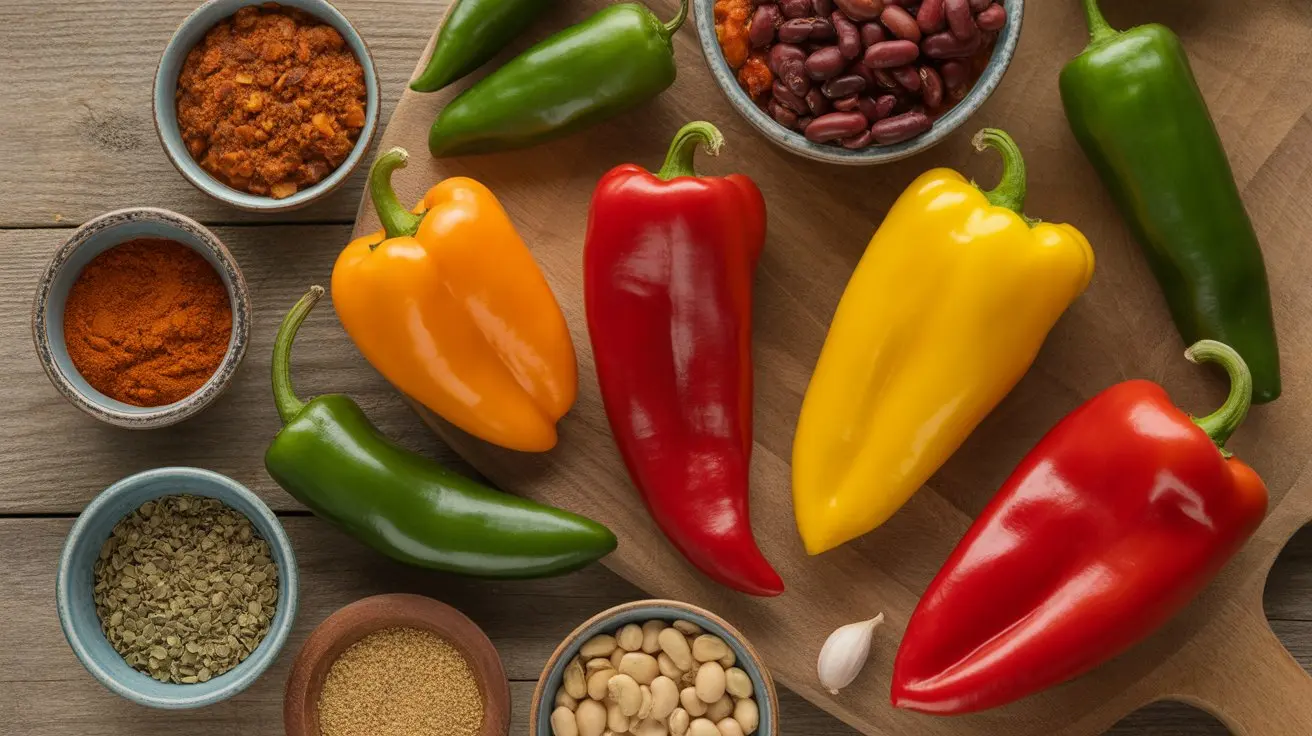
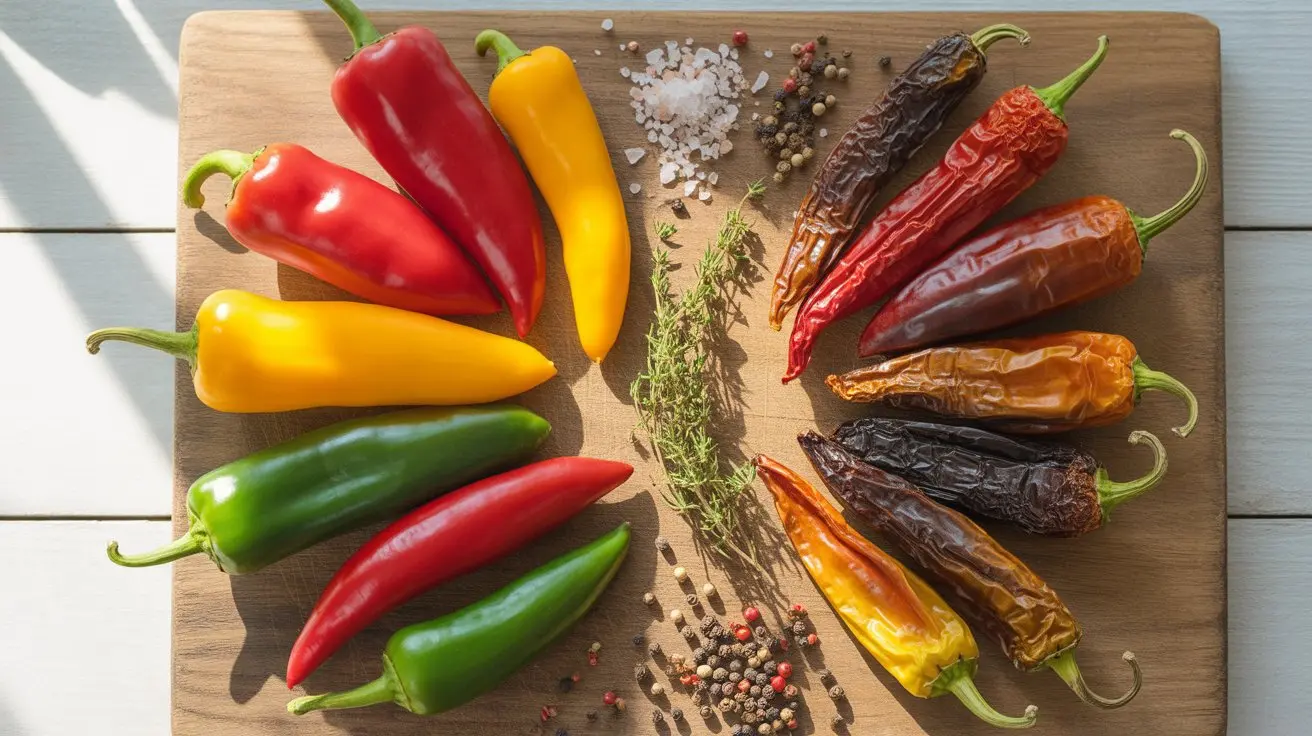
A mash made only from superhot peppers can be hard to use. Mix hot peppers with sweeter red peppers when you want a sauce base that has body and heat instead of only burn.
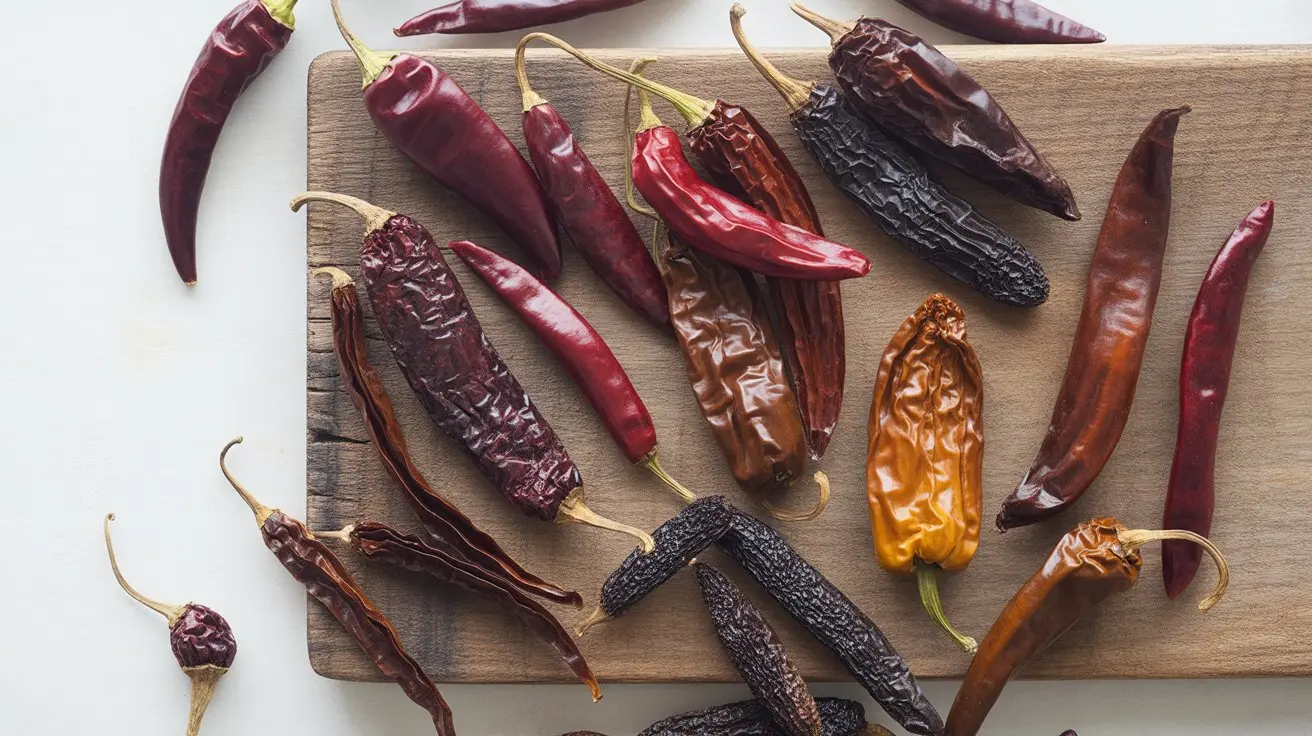
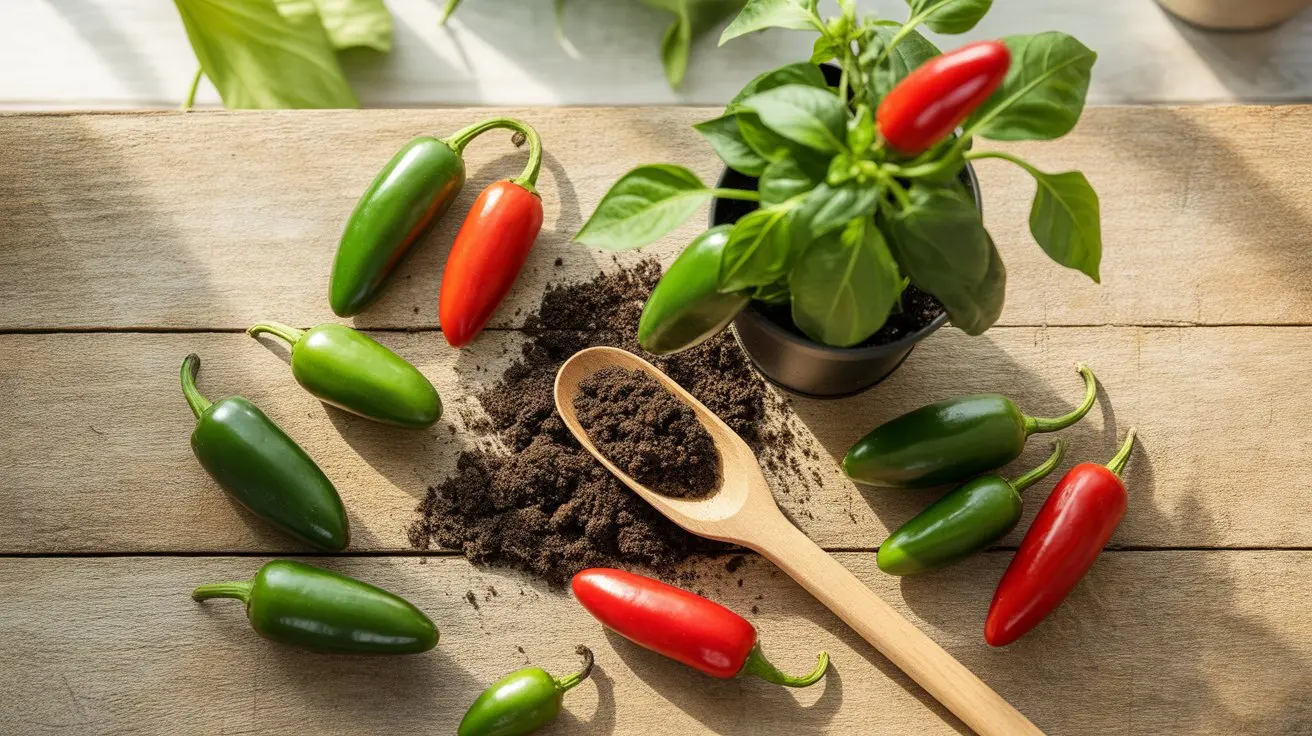
Jalapenos make a green, grassy mash. Red jalapenos and Fresno-style peppers make a brighter red base. Habaneros add fruit and high heat. Cayenne adds clean sharpness without much bulk.
For variety planning, use peppers for fermenting. For this mash guide, the important decision is balancing water, flesh, flavor, and heat before salt is added.
Habaneros make a fruity mash that can dominate a sauce quickly, so blend them with sweeter peppers when you want more volume. Cayenne-style peppers bring clean heat and thin skins, which helps mash texture. Jalapenos make a greener, grassier base that works well with garlic.
If you need a milder base, use more sweet red peppers and fewer superhots. If you want a hotter base, add fresh habaneros or the cayenne pepper deliberately instead of trying to fix heat after fermentation.
Remove stems and bad spots. Seeds can stay if you want rustic texture, but scrape some seeds and ribs if you want a smoother mash or lower heat.
Build the mash with clean equipment
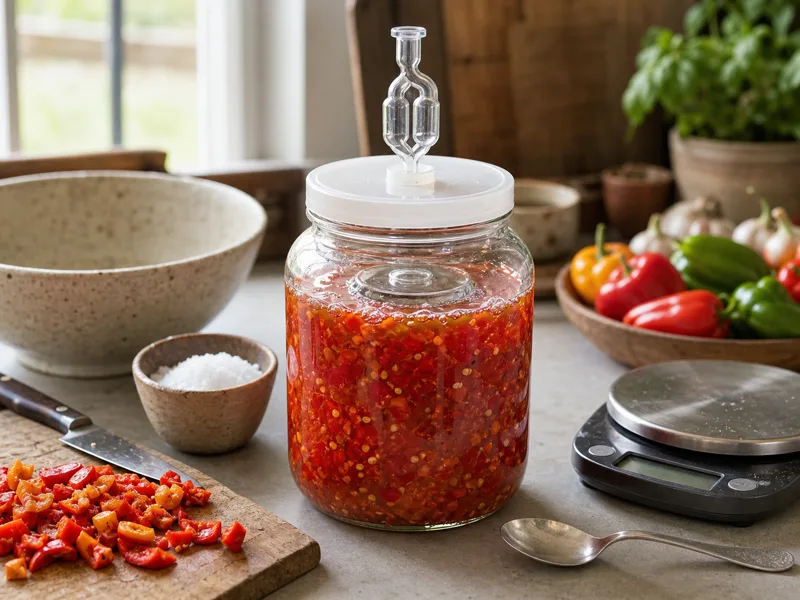
Wash jars, lids, knives, boards, and weights with hot soapy water, then rinse well. You do not need a laboratory, but you do need clean tools and a jar that can vent gas safely.
Chop or pulse peppers into a coarse mash. Mix salt thoroughly so every pocket of pepper gets contact. Pack the mash into a wide-mouth jar, pressing out air pockets as you go.
Leave headspace because fermentation creates gas and can push mash upward. Add a fermentation weight or a small brine-safe weight to keep solids below liquid.
If the mash does not release enough liquid after salting, add a small amount of 2-3% brine. Keep the salt concentration consistent instead of topping up with plain water.
Keep oxygen away from the solids
Lactic fermentation wants a low-oxygen environment. Pepper pieces floating above the liquid are the most common place for mold to start.
An airlock lid is helpful because it lets gas escape without letting much oxygen back in. A loose lid can work for short ferments if you burp the jar, but it needs more attention.
Check the jar daily during active fermentation. Bubbles, a tangy smell, and slight liquid cloudiness are normal. Fuzzy growth, rotten odor, or black mold are discard signs.
Do not scrape fuzzy mold off a pepper mash and keep fermenting it. If mold grows into the mash or the smell turns rotten, discard the batch and start over with cleaner equipment and better submersion.
Kahm yeast can look like a thin pale film and smell yeasty rather than rotten, but it still affects flavor. When in doubt, discard. Pepper mash is not the place to gamble.
Fermentation time depends on temperature and flavor
Most small pepper mashes ferment for 5-14 days at room temperature. Warmer rooms move faster, cooler rooms move slower, and very hot rooms can push harsh flavors.
Taste with a clean spoon after bubbling slows. A young mash tastes bright and pepper-forward. A longer mash tastes sourer and deeper, but it can lose some fresh chile aroma.
Keep the jar out of direct sun. Light and heat swings make fermentation less predictable, especially in a kitchen window.
If you want a broader fermentation method for whole or sliced peppers, the pepper fermentation guide covers that path. Mash behaves faster because the peppers are chopped and exposed.
Turn mash into hot sauce safely
After fermentation, blend the mash with some brine, vinegar, citrus, roasted vegetables, or fruit depending on the sauce style. Strain if you want a smooth bottleable sauce.
Fermentation alone does not guarantee shelf stability for every home sauce. Final acidity, salt, storage temperature, and processing method all matter.
For most home kitchens, refrigerate finished fermented sauce unless you are following a tested canning process. Our make hot sauce guide covers final blending and storage choices after the mash is ready.
Also label the jar with date, salt percentage, pepper mix, and any aromatics. That record helps you repeat a good batch and diagnose a bad one.
Mash texture changes the final sauce
A coarse mash ferments a little slower and leaves more texture for rustic sauces. A finely ground mash releases liquid faster and creates a smoother base, but it can rise in the jar more aggressively during active fermentation.
Do not puree the mash into a sealed paste with no headspace. Gas needs room, and thick mash can trap bubbles below the surface. Stirring before fermentation is fine, but repeated stirring after fermentation starts adds oxygen and raises mold risk.
Garlic, onion, carrot, and fruit can all ferment with peppers, but they change water content and sugar. Weigh them with the peppers so the salt percentage still applies to the full mash.
For a cleaner bottle later, blend after fermentation instead of trying to make a perfectly smooth mash on day one.
Storage after fermentation is a separate decision
Once the mash tastes right, decide whether it will stay as mash, become sauce, or become an ingredient. Each path has different storage expectations.
A refrigerated mash can be spooned into marinades, soups, and sauce batches. A blended sauce may need vinegar, citrus, or other acid to taste balanced. A shelf-stable product needs tested preservation controls, not just confidence that fermentation happened.
If the finished sauce is for everyday home use, refrigeration is the practical default. If it smells yeasty, alcoholic, rotten, or grows pressure quickly after blending, treat that as a process warning rather than a flavor quirk.
For a shelf-life comparison after the sauce is finished, does hot sauce go bad covers spoilage signs in bottled sauce rather than active mash.
Common mash problems and fixes
If mash rises above the liquid, press it down with a clean utensil and check the weight. If the jar overflows, you packed it too full or fermented too warm.
If the mash tastes too salty, blend it later with unsalted roasted peppers or vinegar-based sauce ingredients. Do not lower the salt at the start below a safe working range just to chase a softer taste.
If the mash is too hot, blend it after fermentation with sweet peppers, carrots, mango, or tomato. Heat is easier to dilute after fermentation than to fix during a risky low-salt ferment.
For pepper choice before the next batch, use the peppers for hot sauce hub and choose a mix that gives flavor, color, and heat in the same jar.