
How to Store Dried Peppers Without Losing Flavor
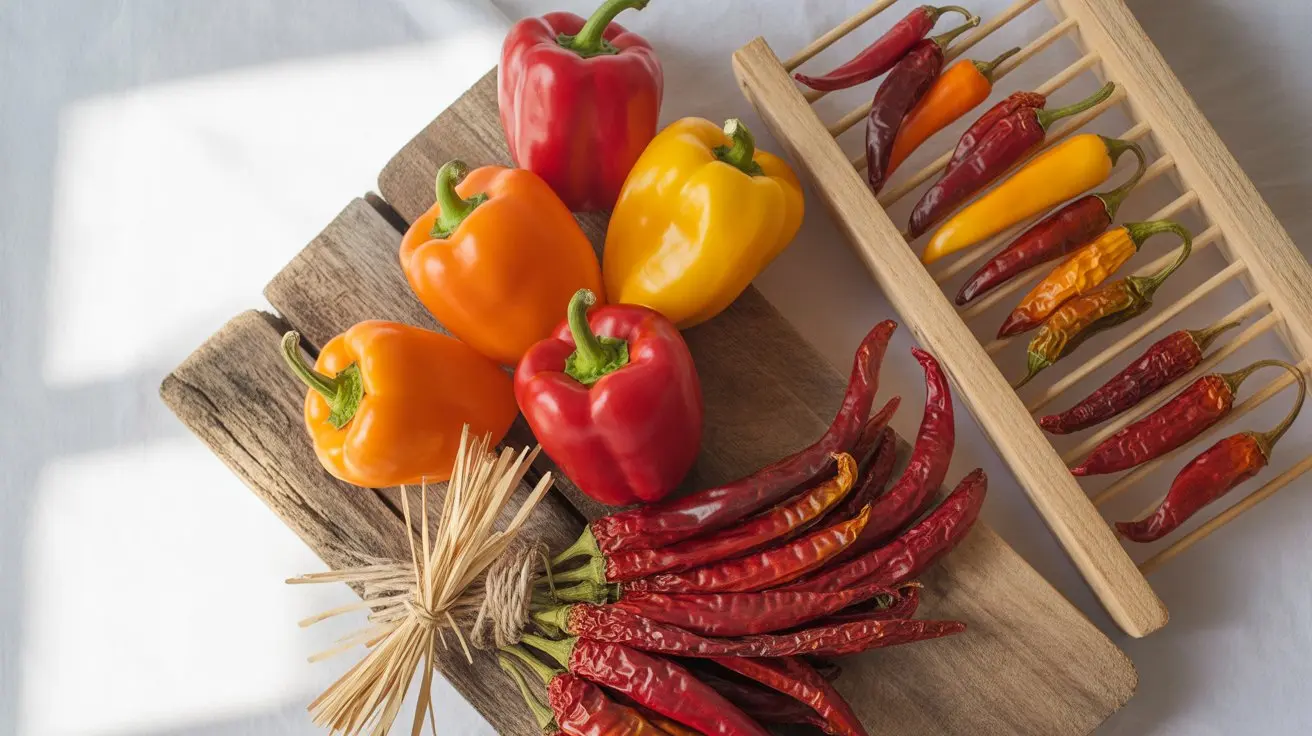
Store dried peppers whole in small airtight jars in a cool, dry, dark cabinet. Let pods cool after drying, check that they are brittle or leathery, and grind only the amount you will use soon. Moisture, heat, light, and repeated opening shorten quality first.
Best answer. Store dried peppers whole in small airtight jars, then keep those jars in a cool, dry, dark cabinet. Moisture, heat, light, and repeated opening are the four things that make dried chiles fade fastest.
That answer changes a little if the peppers are flakes, powder, or still slightly flexible. We treat whole pods as the long-storage form and treat powder as a short-use batch, because grinding exposes far more surface to air.
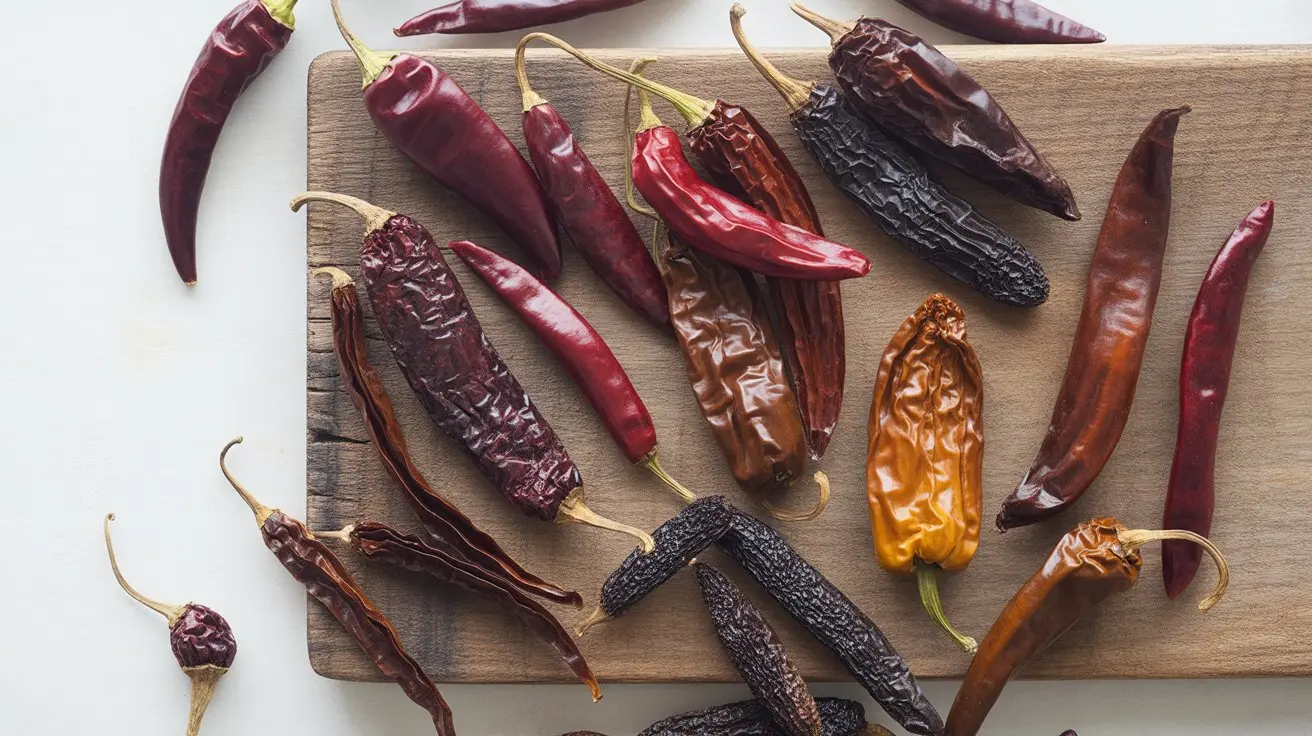
We learned that the hard way after drying a tray of guajillo chiles and leaving half in a half-empty quart jar near the stove. The jar looked neat, but the aroma was flat in two months while the small jar in the cabinet still smelled like raisin and tea.
Dryness before the jar
The jar should not be the place where drying finishes. Pods from a dehydrator, oven, smoker, or rack need to cool first, then pass a texture check before sealing.
Thin pods should feel dry and leathery or brittle, depending on the variety. Slices should bend with a dry snap or tear cleanly, while thick pieces should not feel cool, damp, or spongy in the center.
If you recently learned to dry peppers at home, pause before packing a full jar. Put a few pieces in a clear jar overnight and check the glass the next morning. Fog or droplets mean trapped moisture, and those pieces need more drying.
- Cool first so steam does not collect under the lid.
- Check the thickest piece because it dries slower than the edge pieces.
- Use a clear test jar when a batch came from mixed pod sizes.
- Redry any damp pieces before they touch the main storage jar.
The University of Georgia drying guidance says dried foods can reabsorb moisture and should be checked during storage. That is exactly why a clear jar earns its shelf space.
Jar size and light
Small jars beat one large display jar for most home kitchens. Every time a jar opens, the peppers meet air and room moisture, so a two-month cooking batch should not expose a whole year's supply.
Use clean canning jars, freezer-grade bags inside a rigid box, or vacuum bags if you already own the tool. A jar that seals well matters more than a fancy lid, and a dark cabinet matters more than a pretty counter display.
Light fades red and brown pigments before the pepper becomes unsafe. If you keep dried Mexican chiles in glass, keep the glass behind a door, not beside a sunny prep counter.
Whole flakes or powder
The form decides how fast quality slips. Whole pods protect the inside flesh, flakes expose many cut edges, and powder exposes almost everything at once.
That is why we grind only a few weeks of powder at a time. The same rule applies to jalapeno powder, chili flakes, and custom blends from ancho chiles, pasillas, or guajillos.
| Form | Best container | Best use window | Main risk |
|---|---|---|---|
| Whole pods | Small airtight jar | About 6 to 12 months for best flavor | Moisture inside thick pieces |
| Flakes | Short jar or spice tin | About 3 to 6 months for best aroma | Fast aroma loss after crushing |
| Powder | Tiny jar filled high | About 1 to 3 months for strongest smell | Staling from air and light |
If you plan to make chili powder, store the dried pods first and blend later. A whole-pod pantry gives you more control than a shelf of old powder.
Pantry fridge or freezer
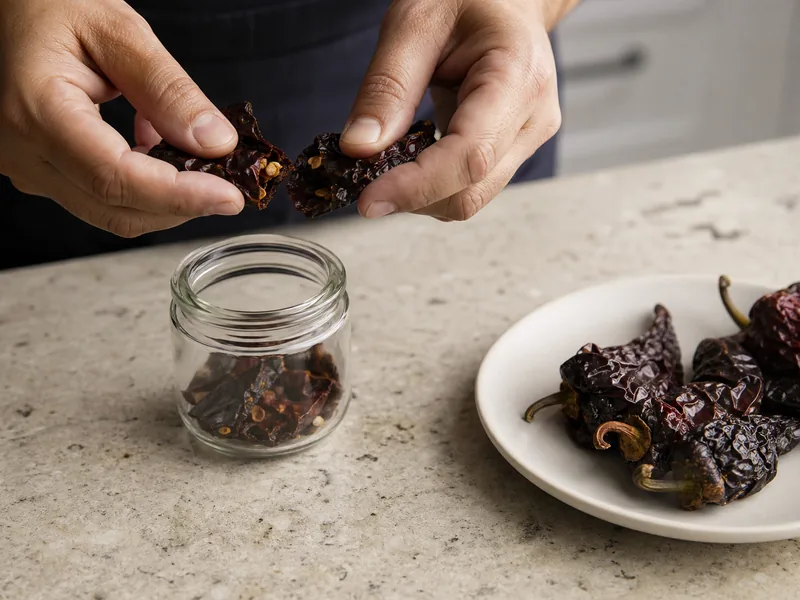
A cool pantry is the default because it keeps dried peppers dry without condensation. The National Center for Home Food Preservation gives 4 months to 1 year as the general quality range for dried foods, with heat shortening that window.
The fridge can help in hot, humid homes, but only if the peppers stay sealed until the jar warms back to room temperature. Opening a cold jar in warm air can leave moisture on the pods.
The freezer is useful for reserve packs or pest-prone kitchens. Seal the pods in a freezer bag, press out extra air, put the bag in a rigid container, and thaw the sealed pack before opening.
Use the freezer for rare pods, not for the jar you open every taco night. That includes smoky chipotle peppers profile and expensive imported pods you bought for one sauce.
Opening the jar
Storage quality drops most on the day you open the container with wet hands, a steamy pot nearby, or a spoon that just touched sauce. Treat the jar like a spice jar, not like a snack bowl.
Pull out the pods you need, close the lid, then toast, seed, or soak them away from the storage container. If the next step is sauce, move the pods to your rehydrate dried peppers setup after the jar is already closed.
One dry hand and one clean plate prevent most storage mistakes. It sounds fussy until you ruin a jar with steam from the stockpot.
Portion for real cooking
Store dried peppers by the way you actually cook. A sauce cook needs a few whole pods at a time, while a weeknight spice jar may need flakes that shake cleanly onto eggs, beans, or roasted vegetables.
We portion whole pods by dish size. Two or three pasilla chiles can fill a small sauce jar, while a mixed mole batch might need a larger jar with ancho, guajillo, and pasilla kept separate until cooking day.
Small portions also protect expensive peppers from repeated handling. If a jar holds only one or two cooking sessions, opening it does not expose the reserve pile.
Write the date and pepper name on the lid. Color alone is a bad label after six months, because many dried pods darken toward the same reddish brown.
Mold staleness and insects
Discard dried peppers with visible mold, musty odor, sticky wet spots, or insect webbing. These signs are not flavor problems. They mean the storage contract broke.
Faded color, weaker smell, or less sharp heat usually means lower quality rather than danger. Our separate guide to dried pepper shelf life helps decide when a safe but tired jar is still worth using.
Pods that smell flat can still work in beans, broth, or a long simmer if they are dry and clean. Save your strongest pods for salsa, chile oil, and sauces where the pepper carries the dish.
Insect damage usually shows up as fine dust, tiny holes, or webbing around stems and folds. Toss the affected jar, clean the shelf, and check nearby grains, nuts, and spices before putting fresh dried peppers back in the same cabinet.
If a single pod looks suspect in a mixed jar, do not gamble with the rest. The cleanest fix is to discard the jar and start again with a smaller, drier batch.
Check the first week
The first week tells you whether the batch was truly ready for storage. Look through the jar once or twice without leaving it open on the counter.
If the glass stays dry, the pods smell clean, and the pieces still feel firm, the jar can move into normal storage. If you see fog, damp spots, or a musty smell, the batch needs to come out of the jar.
Do not add a moisture problem back to the same lid and ring without cleaning them. Wash, dry, and fully air the container before you reuse it for another pepper batch.
This check matters most for thick pods and mixed batches. A thin Thai chile and a fleshy red jalapeno piece will not dry at the same speed.
Common storage mistakes
The biggest mistake is treating dried peppers like decorations. A glass jar of red pods on a bright shelf looks good, but light and warmth pull color and aroma out of the batch.
The second mistake is mixing new dried pods with an old jar. If the old jar has stale aroma or hidden moisture, the new batch inherits that problem.
The third mistake is grinding everything because powder feels convenient. Powder is useful, but it is the fastest form to fade, so it should be a small working supply.
If you want flakes, crush only the brittle pieces and leave the rest whole. That gives you quick seasoning without sacrificing the reserve jar.
A final mistake is forgetting heat near the stove. A cabinet beside the oven feels convenient, but the repeated warmth shortens quality faster than a darker shelf across the room.
Fit with fresh storage
Dried storage is the shelf-stable method, not the answer for every harvest. Fresh pods, roasted pods, and seeds all need different moisture rules.
Use our broad pepper storage guide when you are sorting a mixed harvest. Use this page when the question is already about dried pods, flakes, or powder.
If the harvest includes green pods, compare this with how we store jalapenos guide and how we store poblano peppers. If the goal is next year's plants, move the dry-label habit over to pepper seed storage.