
How to Store Jalapenos by Fridge, Freezer, and Drying
Store fresh jalapenos unwashed in the refrigerator when you need crisp pods within a week or two. Freeze sliced or roasted jalapenos for cooked dishes, dry extra pods for flakes or powder, and pickle a small batch when crunch matters more than fresh texture.
Best answer. Store fresh jalapenos unwashed in the refrigerator if you will use them within one to two weeks. For longer storage, freeze them for cooked dishes, dry them for flakes or powder, or pickle them when you want crunch and tang.
The choice depends on the dish you want later. A frozen jalapeno will not return to raw salsa crunch, but it still works well in soup, beans, cornbread, hot sauce, and cooked fillings.
We usually split a heavy harvest the same day. The firmest pods go into a fridge bag, scarred pods get sliced for the freezer, and the small curved pods go toward jalapeno powder or quick pickles.
Pick the storage horizon
Start with time, not container. If dinner is this week, protect crisp texture. If the garden gave you three pounds at once, protect flavor and heat instead.
Jalapenos profile have thick enough walls to freeze well for cooked use, but they soften after thawing because ice crystals break cells. That texture change is normal and not a sign of spoilage.
| Goal | Best method | Expected quality window | Best later use |
|---|---|---|---|
| Crisp fresh pods | Unwashed fridge storage | About 1 to 2 weeks | Salsa, topping, stuffing |
| Cooked green heat | Slice and freeze | About 8 to 12 months | Soup, beans, sauce |
| Dry seasoning | Dry whole or sliced | Months in airtight storage | Flakes, powder, rubs |
| Crunch with acidity | Quick pickle | Refrigerated batch use | Tacos, nachos, sandwiches |
That table is the quick map. The next sections handle the details that decide whether the pods stay useful or turn soft too soon.
Fridge for crisp pods
Keep jalapenos dry until you use them. Washing before storage adds surface moisture, and surface moisture shortens the fridge window.
Put whole pods in a breathable produce bag, a paper towel lined container, or a loose plastic bag with a small opening. The goal is humidity without wetness, not a sealed wet pouch.
The crisper drawer works because it buffers moisture swings. Keep pods away from heavy fruit that can bruise them, and pull out any pod that starts leaking or softening so one bad pepper does not spoil the bag.
If you plan to slice many pods, use our cut jalapenos safely method first. Wear gloves when your batch is large, because repeated contact with ribs and seeds can leave capsaicin on your hands.
For store-bought clamshells, move the pods out if condensation is already sitting under the lid. A dry paper towel in a loose container gives the peppers a better chance than a sealed wet box.
For garden jalapenos, cool the harvest before sealing it. Warm pods from the sun can sweat inside a bag and create the same wet storage problem as washing too early.
Freeze for cooked dishes
Freezing is the best long-term jalapeno method when you want fresh green flavor in cooked food. Wash, dry, stem, and slice the pods, then freeze the pieces in a single layer before bagging.
Remove as much air as you can from the freezer bag. Label the bag with date, cut style, and heat notes if the peppers came from a mixed garden row.
Roasted jalapenos also freeze well after peeling. That route is useful when you want smoky batches for hot sauce making, beans, or a quick green chile sauce.
Dry or grind the overflow
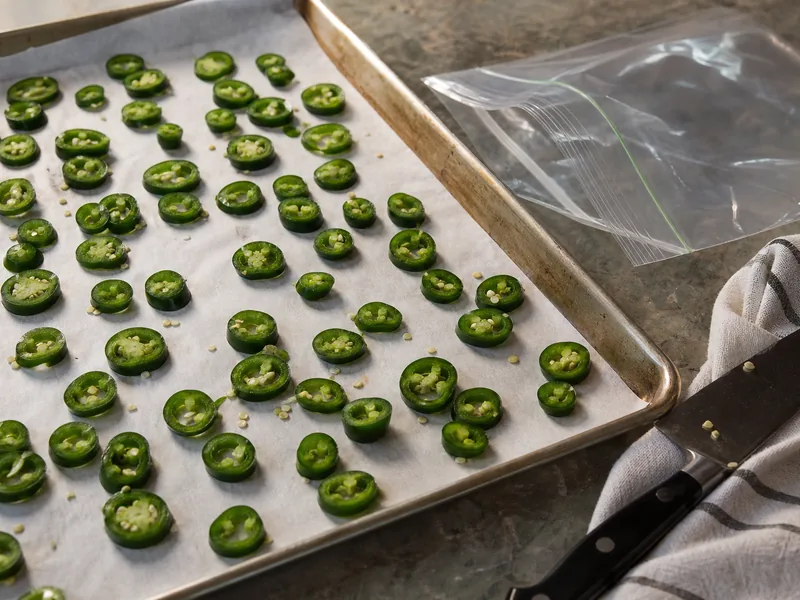
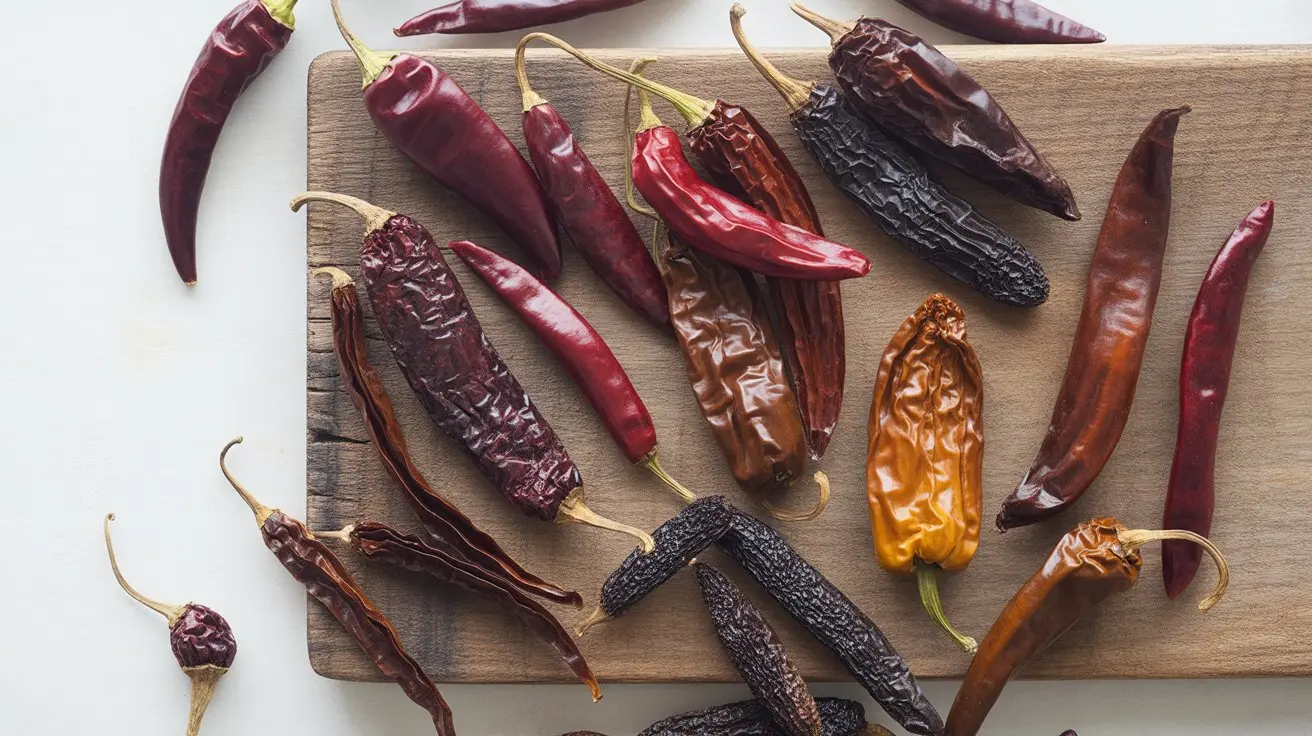
Drying works when you want jalapeno flavor without freezer space. Green pods taste grassy and bright, while red ripe pods dry sweeter and warmer.
Thick jalapenos dry better when sliced or split. If you want chipotle-style depth, learn how to smoke jalapenos guide before the final drying step.
Once the pods are fully dry, follow our dried pepper storage rules instead of treating them like fresh produce. Whole dried pods keep better than powder, so grind small batches.
Drying is storage with a flavor change. If you need raw green crunch later, drying is the wrong approach. If you need shelf-stable jalapeno heat, it is one of the best roles.
Pickle the small batch
Pickling solves a different problem than freezing. It keeps sliced jalapenos crisp and ready for tacos, but it changes the flavor with vinegar and salt.
Use pickled jalapenos when the end use wants snap and acidity. Use the broader pickle peppers method when the jar includes carrots, onions, serranos, or mixed garden pods.
We do not pickle every harvest because vinegar takes over some dishes. A quart of pickled rings is great. Six quarts can become a fridge problem unless your household uses them often.
Red jalapenos need sorting
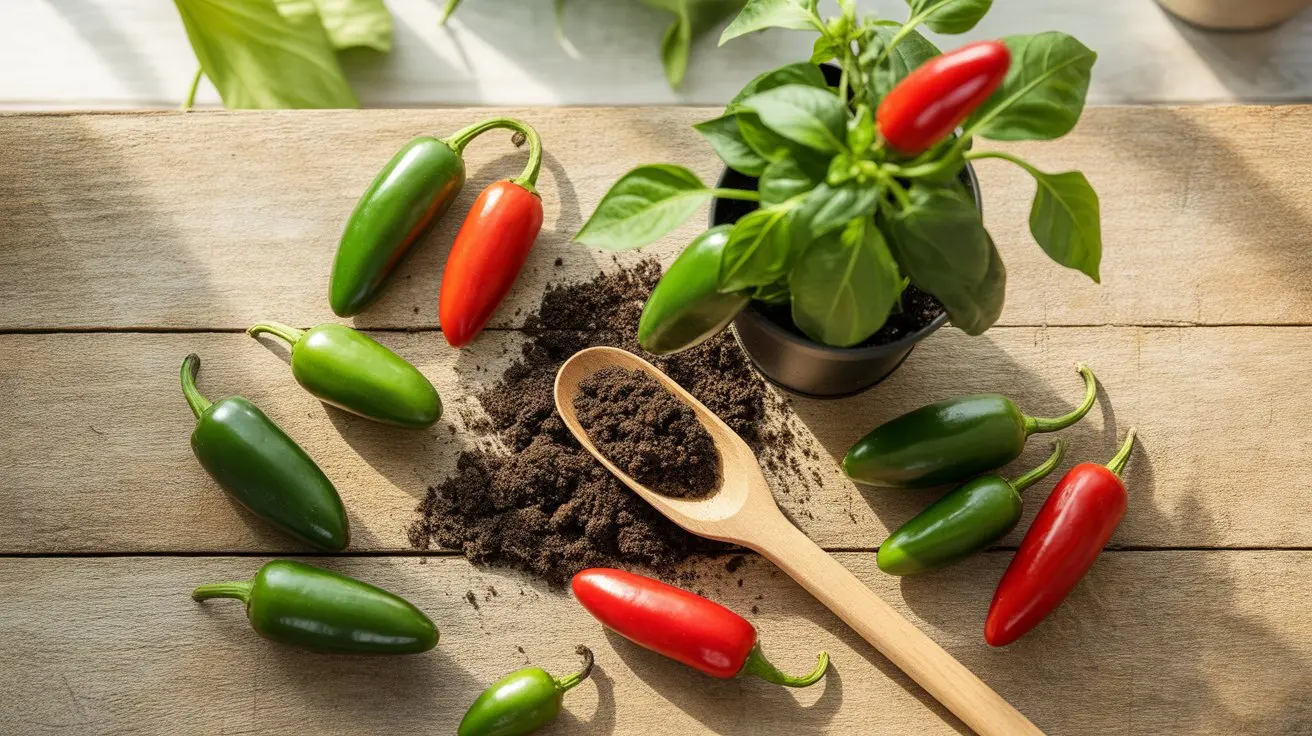
Red jalapenos are ripe jalapenos, and they deserve a separate decision. They taste sweeter than green pods, soften faster after harvest, and dry into a warmer seasoning.
If the red pods are firm, use them fresh within a few days or dry them. If they are already soft, cut them open and move clean pieces straight to cooked food or the dehydrator.
Do not mix red and green pods in one long fridge bag. The ripe pods usually fail first, and the moisture from one soft pepper can shorten the life of the whole bag.
For heat comparison, red jalapenos still sit in the familiar medium role with serrano peppers heat profile nearby. Storage should follow texture, not the heat number.
Label freezer bags well
A freezer bag needs more than a date. Write cut style, pepper, and whether the pieces are raw or roasted.
That label saves time later because frozen green pepper bags look alike. Raw jalapeno slices, roasted jalapeno strips, and mixed green chile pieces all behave differently in a pan.
Bag flat, then file upright. Flat bags freeze quickly, thaw quickly, and let you keep harvest batches in order without digging through a cold pile.
Bad pods and safe use
Throw away jalapenos that are slimy, moldy, leaking, or sour smelling. Wrinkles alone are a quality signal, not an automatic discard signal.
Soft but clean pods can still cook into sauce or beans. Cut them open first and check the interior, especially around the stem end and seed cavity.
For heat handling, remember that most burn trouble comes from the inner ribs. Our pepper burn fixes are useful if a big storage prep session leaves capsaicin on your fingers.
Use frozen pods well
Frozen jalapenos should go from freezer to heat when possible. Thawing on the counter makes them wetter and softer before they ever reach the pan.
Add frozen slices directly to beans, soup, eggs, or skillet fillings. The dish gives off enough heat to finish the thaw, and the pepper flavor stays in the pan instead of draining onto a plate.
For cornbread or batter, chop frozen slices smaller while they are still firm. That keeps green heat spread through the batter instead of collecting in a few soft chunks.
Do not use frozen jalapenos as a raw topping unless you accept the softer bite. Use fresh or pickled rings for that job.
If you need measured heat, freeze in half-cup portions instead of one large bag. That makes it easier to repeat a chili, salsa verde, or cornbread batch without guessing.
Keep one small bag for seeds and ribs if you like hotter cooked dishes. Label it clearly so it does not surprise someone who expects mild green pepper pieces.
Store prepped pieces safely
Once jalapenos are cut, the fridge window gets shorter. Sliced peppers lose moisture faster, pick up fridge odors faster, and expose more surface area to spoilage.
Store cut jalapenos in a small sealed container lined with a dry paper towel. Use them within a few days, and move any extra slices to the freezer before they start to weep.
Keep raw cut jalapenos away from ready-to-eat foods if the cutting board also handled meat, eggs, or unwashed produce. Storage does not fix cross-contact from a messy prep session.
If you only need a few rings each day, cut from the stem end and leave the rest of the pod whole. A partly cut pod still loses quality faster than an untouched pod, but it beats slicing the whole bag at once.
Never pack cut jalapenos while they are still dripping from rinsing. Pat them dry first, because water in the container turns a crisp prep shortcut into a soft pepper pile.
Our jalapeno batch plan
A small store bag gets fridge storage. A garden basket gets sorted, because one storage method rarely fits every pod.
Firm straight pods stay fresh for salsa. Curved pods and scarred pods get sliced for the freezer. Red pods get dried, smoked, or saved for seed only if they came from plants we want to grow again.
If the same harvest includes poblanos, do not copy the jalapeno plan. Use the roast-first logic in our poblano storage guide, and use pepper seed storage only after seeds are fully dry.
That split keeps each future meal honest. Fresh jalapenos stay crisp, frozen jalapenos go into cooked dishes, and dried pods become seasoning instead of a sad bag in the back of the fridge.