Chipotle Powder vs Smoked Paprika: Heat or Just Smoke
Choose chipotle powder when you want smoke plus real chile heat. Choose smoked paprika when you want red color, mild sweetness, and gentler smoke. They can swap in small amounts, but a 1:1 swap often fails because chipotle changes heat while smoked paprika changes color and aroma.

Chipotle Powder
Smoked chileSmoked Paprika
Smoked sweet pepper- Smoke role: Smoke is part of the chile itself vs Smoke supports color and sweetness
- Heat: Can turn a mild dish hot fast vs Usually mild unless labeled hot
- Color: Brown-red, can muddy pale sauces vs Deep clean red, great for garnish
Chipotle Powder vs Smoked Paprika at a glance
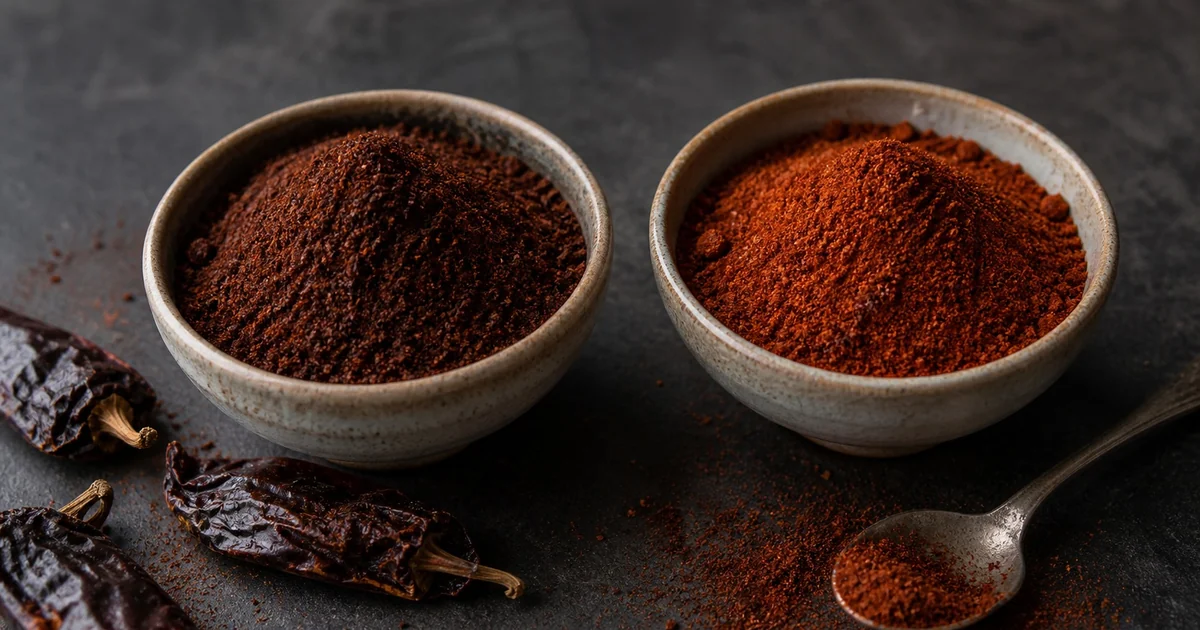
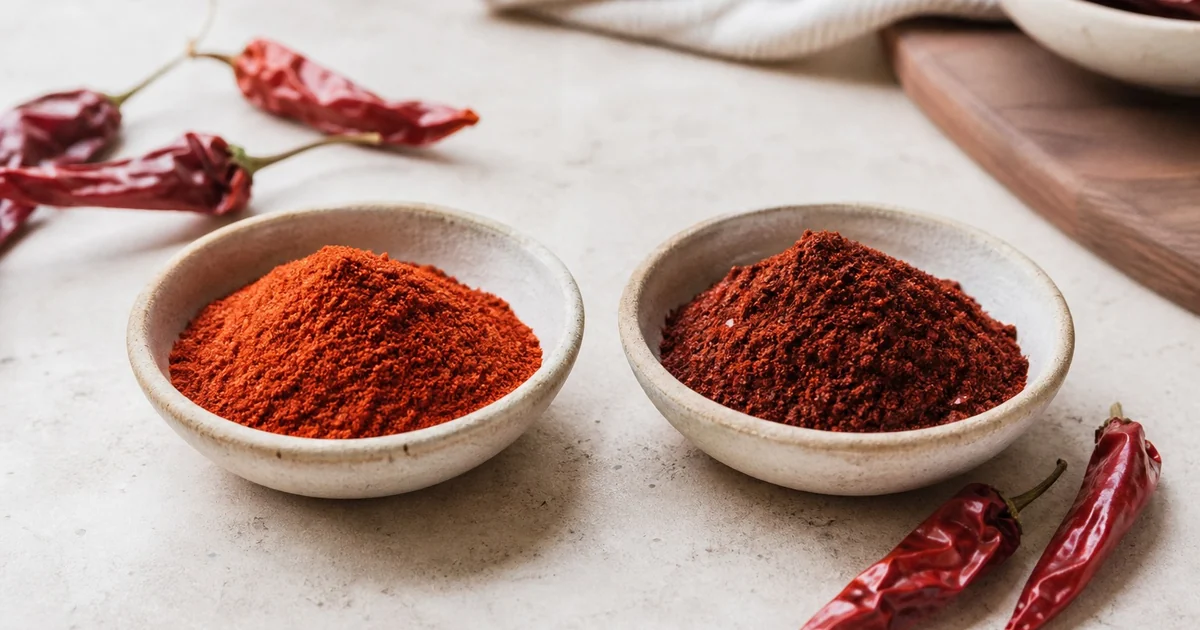
Chipotle Powder and Smoked Paprika side by side
Smoke as a lead flavor for chili, beans, and barbecue.
Smoke as a background note plus a deep, clean red color.
Smoke As Lead Or Accent
Smoke can be the main flavor or a background note, and that is the real fork here. Chipotle powder makes smoke feel like part of the chile because it comes from smoke-dried jalapeno. Smoked paprika uses smoke to support sweetness and color.
A chili, bean pot, or barbecue rub can handle chipotle as a leading flavor. Eggs, potatoes, chicken, and creamy sauces usually take smoked paprika better because it adds color without pushing every bite toward hot sauce.
So if the recipe says smoky but also needs a family-friendly table, smoked paprika starts safer. If it says smoky and spicy, chipotle powder guide is closer.
The Heat Gap
Chipotle powder can turn a mild dish hot fast. It spreads through oil, broth, and sauce, so a teaspoon seasons more food than the dry spoon suggests. Smoked paprika is usually mild, especially sweet Spanish-style pimenton flavor notes.
Hot smoked paprika exists, but most grocery jars lean red and smoky rather than truly hot, which is why paprika vs smoked paprika turns on aroma more than heat.
Use a simple test. If the eater should notice warmth after two bites, start with chipotle. If they should notice color and smoke before any heat, start with smoked paprika.

Two Different Kinds Of Smoke
Both are smoky, but the smoke comes from different places. Chipotle is a jalapeno smoked over wood until it dries, so its smoke is tangled up with chile heat and a raisiny sweetness. Smoked paprika, or pimenton, is made from sweet red peppers slowly oak-smoked, then ground, so its smoke rides on sweetness and color rather than heat.
That difference decides how they read on the plate. Chipotle smoke arrives with a punch and lingers hot. Pimenton smoke is rounder and cooler, a background warmth that deepens a dish without lighting it up.
So the choice is really smoke-with-heat versus smoke-with-sweetness. Neither is a substitute for the other's core job, which is why the swap between them is never quite clean.
Color Or Burn
Color can fool you. Smoked paprika makes oil, rice, potatoes, and cream sauce look deeply seasoned before the dish tastes hot. Chipotle gives a browner tone because it carries smoked-chile color, which helps chili and beans but can make a pale sauce look muddy.
If a recipe needs both real red color and chipotle heat, split the job. Use smoked paprika for the color, then add a smaller amount of chipotle powder for the burn.
This also decides which one to use as a finishing dust. Smoked paprika over deviled eggs or hummus reads as a clean red garnish, while chipotle sprinkled on top can look dull and hit one bite with all the heat.
There is a color cost to the heat, too. Chipotle's brown-red tint is right at home in chili and beans, but it can leave a pale cream sauce or a tray of eggs looking muddy. Smoked paprika keeps a clean, deep red, so it doubles as the prettier garnish when the dish should look bright.
How They Bloom In Oil
Both powders wake up in warm oil, but they do not behave the same. Chipotle darkens quickly and can turn bitter if it sits in a hot dry pan. Smoked paprika can also scorch, but it usually blooms into a sweeter red oil first.
Add either one after onions, garlic, or tomato have given the pan some moisture. Dropping either into a dry, ripping-hot pan is the fastest way to a scorched, bitter note that no amount of later seasoning fully hides.
For a rub, mix the powder with salt and a little sugar before it touches meat so one bite does not carry all the smoke. That also slows the powder from burning on a grill or under a broiler.

Dish Tests
Chipotle powder
Body can carry heat
Black beans, chili, braised beef, barbecue sauce, and smoky mayo, where starch and broth soften the burn. Pork shoulder and ribs take its rub well.
Smoked paprika
Color without aggression
Spanish rice, roasted potatoes, deviled eggs, aioli, and chicken or fish rubs, where the surface should read red without tasting sharp.
A quick way to choose: picture the finished plate. If it should look red and taste gently smoky, reach for smoked paprika. If it should taste hot and deeply smoked and the color does not matter, reach for chipotle. When it needs both, use smoked paprika for the color and a small pinch of chipotle for the burn.
Where Each Smoke Belongs
Each one has a home cuisine. Smoked paprika is a Spanish staple: it colors and flavors chorizo, paella, patatas bravas, and romesco, where the smoke is meant to support, not dominate.
Chipotle leans Mexican and barbecue: adobo, barbacoa, smoky beans, and burger rubs all want its hot, assertive smoke as a lead note.
When you cook across both traditions, keeping both jars makes sense. Grabbing chipotle for a paella would bury the seafood in heat, and grabbing sweet smoked paprika for a pot of adobo would leave it flat. Match the smoke to the dish it grew up in.
Swapping Without Muddy Smoke
To replace smoked paprika with chipotle powder, start with a quarter of the amount and add plain sweet paprika if the dish still needs red color. To replace chipotle with smoked paprika, use the same amount for smoke and color, then add cayenne or crushed chile only if it still needs heat.
That two-part swap beats overusing smoked paprika. For an adobo-style sauce, chipotle is the stronger match. For Spanish rice or a red garnish, smoked paprika is cleaner. A chipotle powder substitute helps when you need the burn without the exact jar.
| Swap | Start with | Then fix |
|---|---|---|
| Smoked paprika into chipotle | 1/4 of the chipotle amount | add plain sweet paprika for lost red color |
| Chipotle into smoked paprika | Same amount for smoke and color | add cayenne only if it still needs heat |
Buying And Freshness
Read the ingredient line. Chipotle powder should name chipotle, smoked jalapeno, morita, or meco. If it lists salt, cumin, garlic, or oregano, you are holding a blend, and chipotle powder vs chili powder is the better choice for that. Smoked paprika labels may say sweet, hot, or bittersweet.
Old smoky powders taste flat before they taste unsafe. Fresh chipotle smells smoky and a little sharp; fresh smoked paprika smells sweet and clean. Store both sealed, cool, and dark, and buy small jars because smoke aroma fades faster than cooks expect. For pantry timing, how long dried peppers last sets the rule.