
Harvesting Jalapenos: Green, Corked, or Red
Harvest jalapenos when pods are full size, firm, and glossy. Pick green for crunch and production, corked for mature texture, or red for sweeter heat and seed saving.
Pick Jalapenos by Size and Firmness First
Harvesting jalapenos starts with size. A usable green jalapeno peppers should be firm, glossy, and close to the mature size for that plant before you pick it.
Color helps, but it is not the only signal. Small green pods can be immature, while full-size green pods are often exactly right for salsa, nachos, and pickles.
| Harvest cue | What it means | Best use |
|---|---|---|
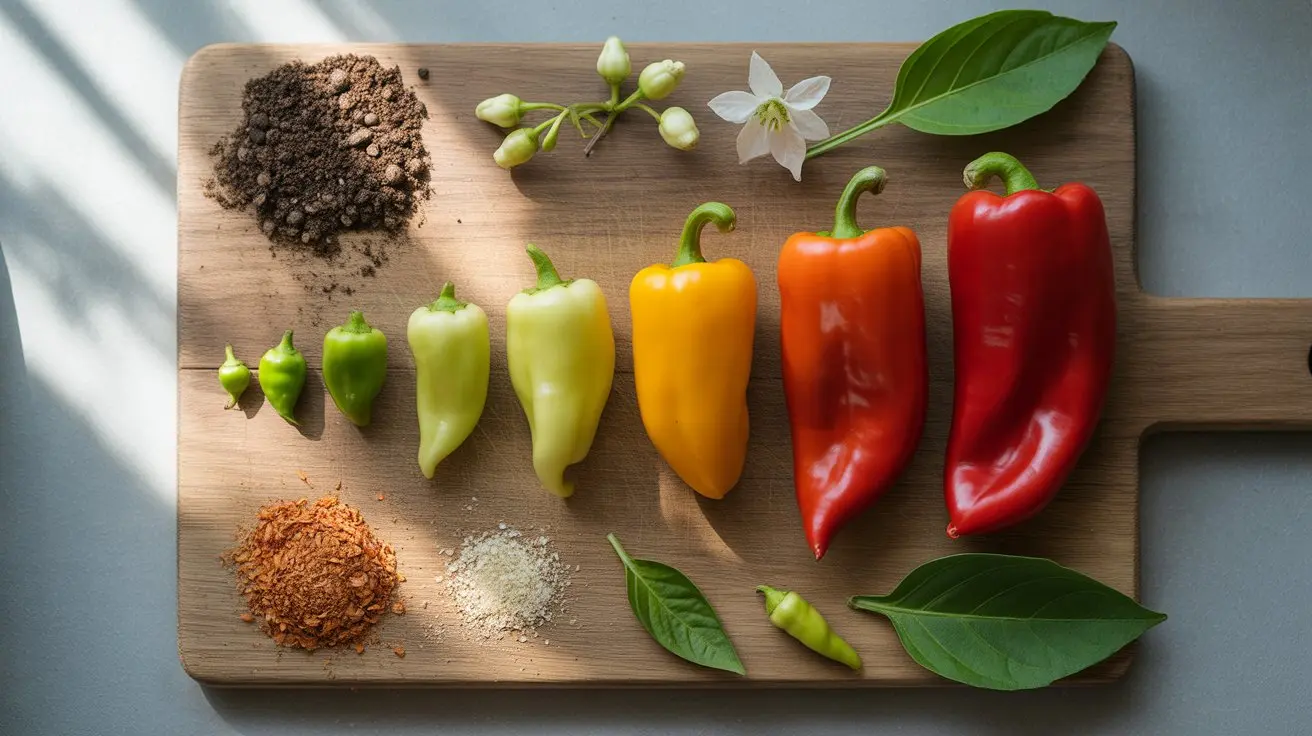
| Firm full-size green | Mature green pod | Pickles and fresh crunch |
| Corked skin | Mature pod with stretch marks | Salsa and roasting |
| Fully red | Ripe pod | Sweet heat, smoke, seed saving |
Once you learn the size range from one plant, harvest decisions get easier. The first mature pod becomes the reference for the rest of the season.
Green, Corked, and Red Are Different Choices
Green jalapenos are crisp and grassy. They are usually the best pick when you want repeat yield and firm texture.
Corking looks like tan lines or stretch marks on the skin. It is not damage by itself. Many corked jalapenos are mature, flavorful, and ready to pick. Red jalapenos are sweeter and often better for smoking, drying, and seed saving.
- Green: best for pickles, poppers, and steady plant turnover.
- Corked green: mature texture with good roasting value.
- Red: best for chipotle, red sauces, and saving seed.
Do not wait for red just because red looks more finished. Use the harvest stage that fits the kitchen job.
Use Clippers Instead of Pulling
Jalapeno stems hold tighter than they look. Pulling can tear branches, especially on container plants or heavily loaded summer plants.
Use scissors or pruners and leave a short stem attached to the pod. That makes the harvest cleaner and reduces damage to nearby flowers. The same care matters if you are trying to grow more peppers per plant, because branch damage slows the next flush.
- Clip close to the pod: cleaner basket and easier storage.
- Support the branch with one hand: useful on crowded plants.
- Harvest in the cooler part of the day: pods stay firmer and easier to handle.
One rough harvest is not just cosmetic. It can cost flowers and small pods around the cut site.
Harvest Frequency Changes Total Production
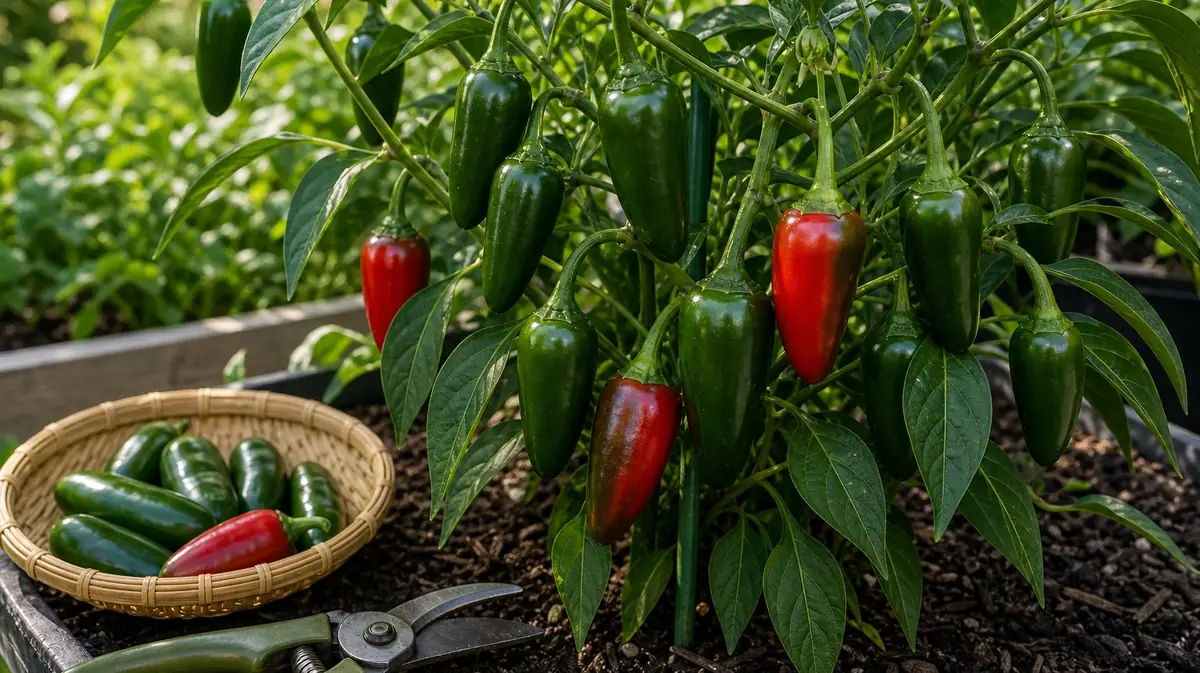
If your goal is more total jalapenos, do not let every mature pod sit for days. A plant carrying several finished peppers often slows new flowering and pod set.
We usually check productive plants twice a week in peak season. That is often enough to remove mature fruit before the plant stalls, but not so often that you are picking undersized pods. This is especially useful in containers, where fruit load and water demand rise together in the potted jalapeno growing guide.
| Harvest rhythm | What usually happens | Best for |
|---|---|---|
| Frequent green harvest | More total pods over time | Fresh use and pickling |
| Mixed harvest | Balance of yield and ripe flavor | Most home gardens |
| Wait for mostly red | Richer ripe flavor but fewer total green pods | Smoking and seed saving |
The plant cannot push every goal at once. Choose whether the season is about total output, ripe flavor, or a mix.
Match the Harvest Stage to the Recipe
Jalapenos are one of the easiest peppers to pick for different kitchen jobs because the usable stages are all distinct. Mature green pods stay crisp and clean in pickles, while corked or red pods bring more developed flavor to sauces and roasting.
If you plan to smoke them into chipotle, wait for full red maturity. If you are making fresh salsa or stuffing, green is usually the better answer. For shelf life after harvest, compare your next step with how to store peppers or the freeze-peppers method.
- Pickles: full-size green pods.
- Poppers and stuffing: broad, mature green pods.
- Roasting: corked or just-coloring pods.
- Chipotle or red sauce: fully red pods.
The right harvest stage is the one that saves prep later. Good timing in the garden makes the kitchen easier.
Save Red Pods for Seed Only From Healthy Plants
Red jalapenos are the best stage for seed saving because the seed is mature and easier to separate. Even then, save seed only from healthy, productive plants with fruit you actually want to repeat.
If the plant has disease issues, poor pod shape, or weak production, do not keep that line just because the pod reached red. The storage and testing logic in how long pepper seeds last matters once the seed is dry and labeled.
- Choose healthy plants: do not save from weak performers.
- Use fully ripe pods: immature seed stores poorly.
- Label by year and source: old unlabeled pepper seed becomes guesswork fast.
Harvesting jalapenos well is mostly about reading maturity honestly. Size, firmness, intended use, and harvest rhythm matter more than waiting for one perfect color rule.
Watch Weather and Storage Plans Before a Big Pick
Harvest timing is not only about the pod. It is also about what the next two days look like. If heavy rain, extreme heat, or a crowded work schedule is coming, picking mature pods slightly earlier is often smarter than leaving them exposed and then scrambling to use them later.
That is especially true for larger harvests meant for pickling, freezing, or smoking. Match the picking day to the processing day whenever possible. If storage is the next step, use how to store peppers, the freeze-peppers method, or chipotle-related workflows instead of leaving full baskets at room temperature too long.
- Pick before storms: protects mature pods from split or rot pressure.
- Pick before travel: better than returning to overripe pods.
- Process promptly: jalapenos hold best when the harvest plan is already clear.
A good jalapeno harvest is part maturity judgment and part logistics. The more intentional the next step is, the easier the picking decision becomes.
Read the Plant After Harvest, Not Just Before It
The best way to improve jalapeno harvest timing is to watch how the plant responds a few days later. A good harvest opens light into the canopy, reduces branch strain, and usually leads into another round of flowers or small pods.
If the plant still looks overloaded, your harvest was probably too conservative. If it suddenly looks stripped and stressed, you may have removed immature fruit that should have stayed. Compare the result with the pepper-yield guide, container jalapeno care, and the pepper seed viability guide when red pods are part of the plan.
- Good result: lighter branch load and continued flowering.
- Too early: many small pods removed with little kitchen value.
- Too late: heavy load still slowing the plant.
Jalapeno harvesting gets easier when you treat each pick as feedback. The plant tells you very quickly whether your timing matched its production cycle.
Build a Harvest Rhythm Instead of Waiting for Perfect Pods
Jalapenos become easier once harvest turns into a rhythm rather than a search for one ideal moment. There is no single perfect stage for every pod on every plant. Some will be best green, some corked, some red, and some worth removing early because the plant needs the reset more than you need one more day of ripening.
That is why productive jalapeno growers usually work in passes. One pass is for obvious mature green pods. Another is for pods that are corked and clearly at a useful roasting stage. A smaller pass may be reserved for red fruit going to smoking or seed saving. This approach keeps the plant moving and keeps your kitchen options open. It also prevents the common mistake of leaving too much mature fruit on the plant just because a few pods are being saved for a different job.
- Green pass: keeps yield moving and supplies fresh use.
- Corked pass: catches pods at strong mature texture before they overstay.
- Red pass: reserved for chipotle, sweeter sauces, and seed work.
A jalapeno patch does not need perfect timing. It needs repeated, useful timing. Once you harvest in passes, the plant behaves more predictably and the basket matches real kitchen plans instead of random guesswork.
Use the Basket as a Sort, Not Just a Holding Place
A good jalapeno harvest keeps the post-pick workflow simple. The easiest way to do that is to sort as you harvest instead of dumping every pod into one mixed pile. Green fresh-use pods, corked roasting pods, and red smoking or seed pods do not want the same next step.
Sorting also makes it easier to notice patterns in the plant. If half the harvest is undersized, the plant may have been picked too early or stressed too often. If the red basket is tiny and the green basket is overloaded, your real goal may still be total yield rather than ripe flavor. The basket is feedback as much as storage.
- Green basket: pickling, fresh use, stuffing.
- Corked basket: roasting and stronger mature flavor.
- Red basket: chipotle, sauce, or seed work.
That small habit makes the whole crop easier to read. Harvest quality improves when the pod's next use is decided at the plant instead of hours later in the kitchen.
Pick for the Use Case, Not Just the Color
Harvesting jalapenos gets easier once you stop treating green and red pods as the same ingredient at different stages. They overlap, but the kitchen result changes enough that the right pick day depends on what you plan to cook.
Green jalapenos stay brighter and crisper. Red jalapenos are sweeter, softer, and better when you want smoke, sauce depth, or drying potential.
| Pick stage | Best for | What you trade off |
|---|---|---|
| Firm green | Salsas, pickling, fresh slices | Less sweetness, less mature flavor |
| Green with corking | Roasting and stuffed uses | Shorter storage window once fully mature |
| Fully red | Hot sauce, smoking, drying | Fruit softens faster after harvest |
- Use pruners on loaded plants: pulling by hand tears branches more often than people expect.
- Harvest in rounds: one pass for green use, another for red sauce peppers.
- Keep damaged pods separate: they shorten storage life for the rest of the basket.
Jalapenos are one of the few peppers where timing can be tuned to several different kitchens from the same plant. That is why a harvest plan matters as much as the growing plan.
Read Corking, Firmness, and Seed Maturity Separately
Gardeners often use one signal to judge jalapeno readiness, but jalapenos really give you three: corking on the skin, firmness in the flesh, and seed maturity inside. Those signals can line up, but they do not always move at the same pace.
A corked jalapeno can still be very good for green use. A smooth red jalapeno can still be the better sauce pepper if sweetness is the goal. That is why we squeeze lightly, look at color, and think about end use together.
- Corking alone: often points to maturity and strong flavor, not necessarily full ripeness.
- Firm walls: best for stuffing, slicing, and pickling.
- Looser, sweeter flesh: better for smoking, mashing, and cooked sauces.
- Fully mature seed: matters most when you plan to save seed from the best fruit.
That extra read keeps you from treating every mature jalapeno the same way. A better harvest comes from matching the pod's condition to its next job.
Harvest More Often When the Plant Is Carrying Mixed Stages
Jalapeno plants with green, corked, and red fruit all at once benefit from shorter picking intervals. A mixed-stage plant is telling you the crop has more than one good harvest window active at the same time.
- Two short harvests beat one overloaded harvest: less branch damage and better sorting.
- Remove fully usable fruit promptly: that keeps later flowers moving.
- Leave only the pods you are intentionally finishing: everything else is crowding the plant.
Frequent selective picking is one of the easiest ways to make a jalapeno plant feel more abundant without changing anything else.
Once you harvest with separate uses in mind, the plant starts giving you several crops instead of one vague pile of peppers.
That is why a jalapeno harvest works best when you think like a sorter, not just a picker. The more clearly you separate fresh, roasted, pickled, and smoked fruit, the more value you pull from the same plant.