
Growing Jalapeno Peppers in Pots That Keep Producing
Jalapenos grow well in pots when the container has enough soil volume and drainage. Use full sun, steady water, modest feeding, and frequent harvests to keep flowers coming.
Choose the Pot Before the Plant Outgrows It
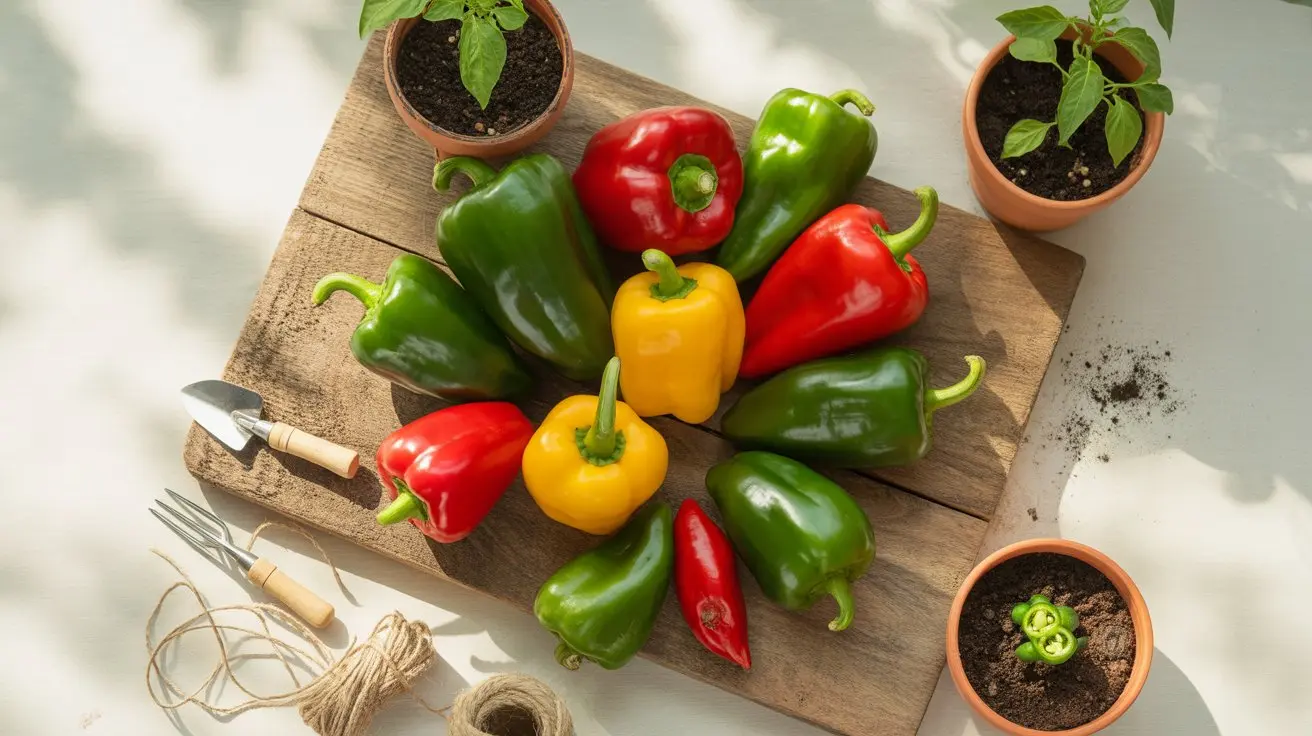
Growing jalapeno peppers in pots works because jalapenos stay compact compared with many large peppers. The catch is that a small container dries fast right when flowers and fruit need steady water.
A true 5 gallon container is a useful minimum for one productive the jalapeno pepper profile. Smaller pots can keep a plant alive, but they make every hot afternoon and missed watering more expensive.
| Container size | Best use | Main drawback |
|---|---|---|
| 3 gallon | Short patio trial | Fast drying and smaller harvest |
| 5 gallon | One standard jalapeno plant | Needs steady summer checks |
| 7 to 10 gallon | Longer season production | Heavier to move once watered |
Pick the pot for the hottest week, not the first week after transplant. A container that feels generous in spring can become too small in July.
Build a Mix That Drains and Still Holds Moisture
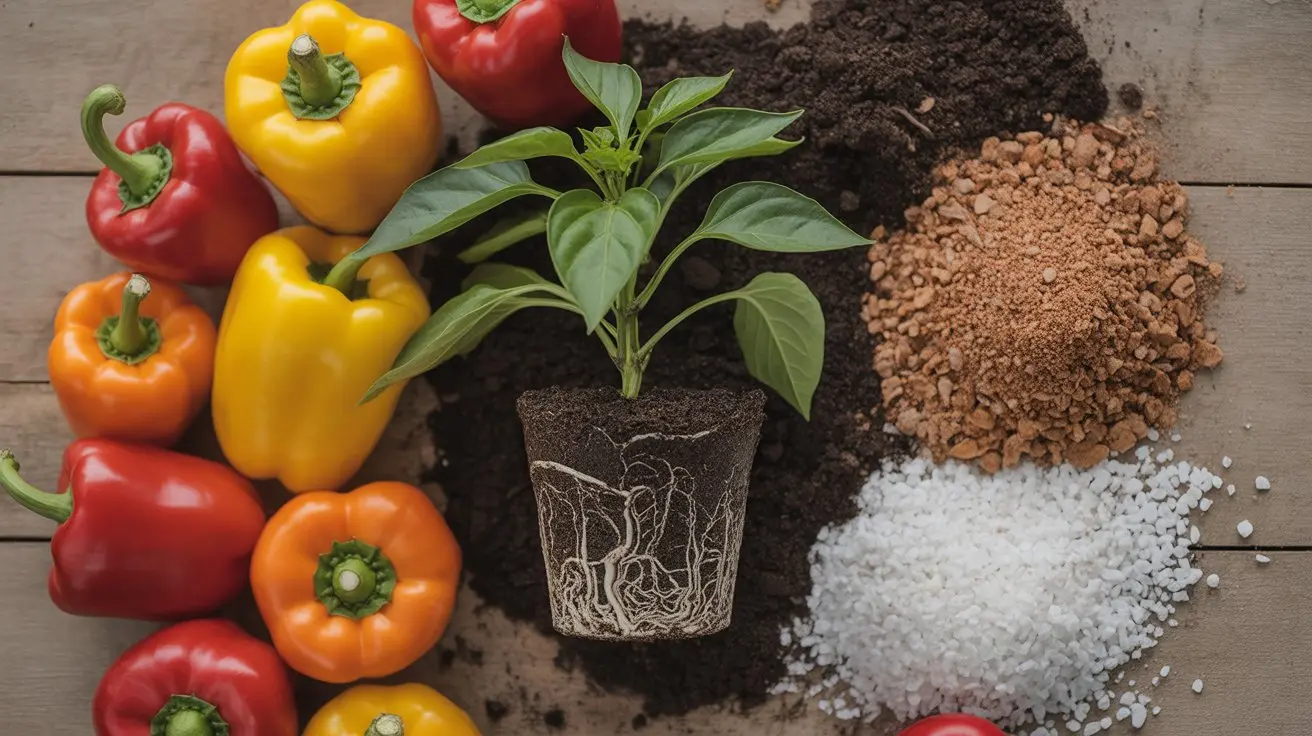
Potted jalapenos need drainage and water storage at the same time. Straight garden soil compacts in containers, while a very light mix may dry before the plant can use the water.
Use a quality potting mix, then water until runoff so the whole root zone is wet. If water races down the edges and the center stays dry, slow down and rewet the mix in stages. The same moisture discipline shows up in watering pepper plants, but pots amplify every mistake.
- Use visible drainage holes: container peppers hate hidden standing water.
- Keep saucers from holding water for long: roots still need oxygen.
- Mulch the top once weather turns hot: it slows evaporation dramatically.
In containers, soil structure is part of the irrigation system.
Place the Pot for Morning-to-Afternoon Sun
Jalapenos want full sun, but container heat is different from bed heat. A black pot against a reflective wall can run much hotter than the same plant in open ground.
Morning sun and strong midday light usually perform better than a site that bakes the root zone late into the evening. If the plant wilts daily despite moist soil, the container itself may be overheating. Compare that behavior with slower, larger container crops like growing bell peppers at home or how poblanos grow best.
- Dark pots: hold heat well in cool weather and overheat faster in intense summer sun.
- Fabric pots: drain well but dry faster in wind.
- Moveable containers: give you real control during heat waves.
A pot location that looked perfect in May may need adjustment in July. Container growing is mobile for a reason.
Feed Modestly Once the Plant Starts Setting Fruit
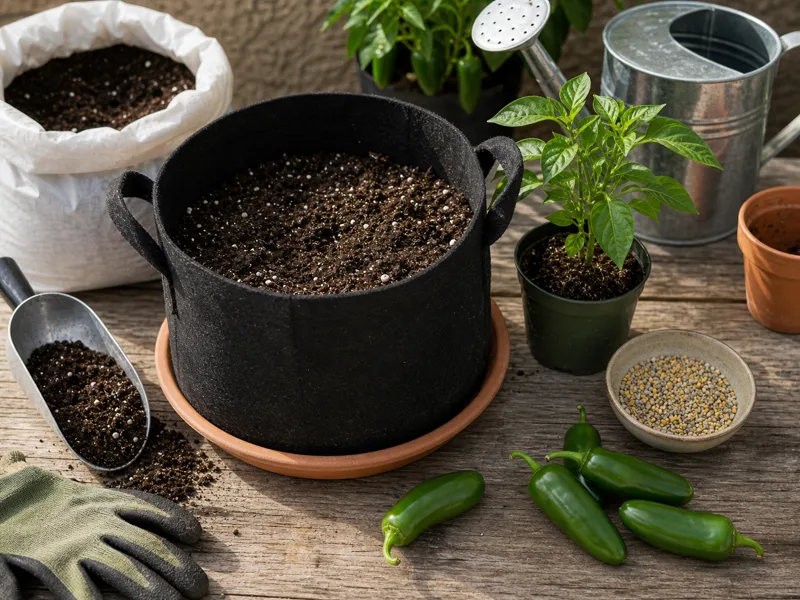
Jalapenos in pots use nutrients faster than bed plants because the root zone is limited. At the same time, overfeeding can create soft leaf growth and a slower shift into fruit production.
The practical target is steady, moderate vigor. You want the plant growing, flowering, and sizing pods together. If leaves are dark and the canopy keeps expanding while harvest stays light, reduce nitrogen and check whether mature pods are sitting too long on the plant.
| Plant signal | Likely issue | Adjustment |
|---|---|---|
| Dark leafy plant with few pods | Too much feed or not enough harvest | Feed lighter and pick mature pods |
| Pale growth and slow flowering | Possible hunger or root stress | Check drainage and moisture, then feed |
| Good flowers but dropping | Heat or moisture swings | Stabilize watering and reduce stress |
Container peppers improve when the system is balanced. Feed only works when the roots can actually use it.
Water by Weight, Not by Habit
Calendar watering fails in pots because weather changes faster than your routine. A jalapeno in fruit can move from perfect to thirsty in a single hot day.
Lift or tilt the container to learn its weight after a deep watering. Then compare that feel each day. In hot weather, checking morning and late afternoon is more useful than assuming yesterday's schedule still applies. If you want more total pods, the same steady-moisture rule also helps with yield per plant.
- Water early: gives the plant a full reserve for the day.
- Water again only when needed: avoid keeping the mix constantly soggy.
- Do not trust the dry-looking top alone: check below the surface.
Missed watering does more than make leaves droop. It interrupts flowering and slows fruit fill.
Harvest Often to Keep the Pot Productive
One advantage of potted jalapenos is easy access. Use that advantage and pick mature fruit regularly. A plant with several full-size pods still hanging often slows the next round of flowering.
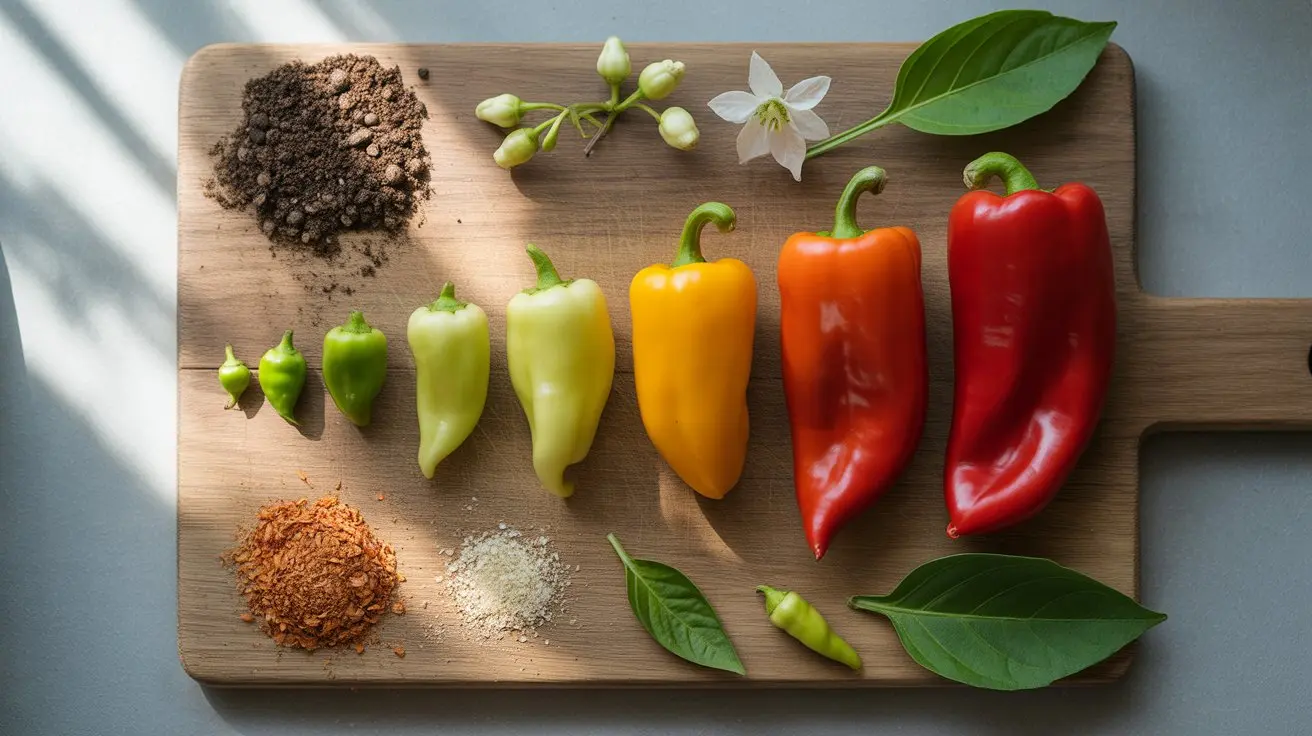
Harvest green for crunch, corked for mature texture, or red for sweeter heat depending on your kitchen plan. The stage guide in the jalapeno harvest-timing guide applies directly here, with the extra note that pots dry faster while fruit are hanging heavy.
| Harvest stage | Why growers choose it | Effect on the plant |
|---|---|---|
| Full-size green | Frequent use and more total production | Fastest reset |
| Corked green | Mature texture and roasting | Still good for steady yield |
| Fully red | Sweeter heat and seed saving | Longer pod hold time |
Regular picking is one of the few container strategies that costs nothing and usually pays back immediately.
Watch the Small Problems Before They Become Pot Problems
Pest pressure, root binding, and salt buildup all happen faster in containers than in open beds. A potted pepper has less soil margin for error.
Check leaf undersides when damage appears and compare symptoms with holes in pepper leaves or aphids on pepper plants. If growth slows sharply despite good light, inspect drainage and roots before assuming the plant needs stronger fertilizer.
Jalapenos in pots can be very productive. They just need enough volume, a stable mix, measured feeding, and harvests that keep the plant moving instead of constantly recovering.
Use Support and Cleanup to Keep Container Plants Working
Jalapenos in pots stay smaller than many garden peppers, but a productive plant can still lean hard once it carries a full crop. One stake, a small ring, or a cage keeps branches from twisting when the container dries and rewets through summer.
Container cleanup matters too. Remove damaged leaves, keep the pot top clear enough to inspect moisture, and react early if pests show up. The combination of limited root space and leaf loss can slow a pot-grown jalapeno much faster than a bed-grown one. Compare suspect damage with pepper leaf-hole troubleshooting or the pepper leaf-curl guide before assuming it is only a watering issue.
- Light support: reduces branch strain during the heaviest harvest weeks.
- Pot cleanup: makes moisture checks and pest checks faster.
- Early intervention: matters more in small root zones.
Container jalapenos stay productive when the plant stays upright, the root zone stays stable, and small issues are solved before they become pot-wide stress.
Use the Pot Like a Controlled System, Not a Mini Garden Bed
The advantage of a potted jalapeno is control. You can move it, weigh it, inspect it, harvest it quickly, and adjust the root environment more precisely than you can in the ground. Many weak container seasons happen because growers treat the pot like a tiny garden bed and then wonder why the plant swings harder with heat, dry wind, and nutrient changes.
A better approach is to use the container as a managed system. Choose the pot for the hottest month, not the coolest one. Learn the wet and dry weight. Rotate the plant if one side gets harsher reflected heat. Keep the soil surface readable instead of buried under clutter. And harvest often enough that the fruit load does not turn a simple watering problem into a major production stall. Pots reward attention, but they also make the feedback much easier to read.
- Container strength: control over placement, root environment, and harvest access.
- Container weakness: less buffering when heat or watering discipline breaks down.
- Best habit: check the pot before the plant looks stressed, not after.
Once you start thinking of the pot as a controlled pepper system, jalapenos become one of the easiest productive container crops. The goal is not heroic rescue. It is small, regular corrections that keep the plant fruiting without interruption.
Reset the Pot Before Stress Builds Into a Slump
Container jalapenos often do not fail all at once. They drift into a slump: salt buildup, a tight root zone, uneven watering, and a heavy fruit load start stacking until the plant looks tired even though no single symptom looks dramatic. The best fix is often a system reset, not a stronger dose of feed.
That reset can mean flushing the pot well, harvesting mature fruit, trimming only damaged leaves, and reestablishing an even watering rhythm for a week. If the container is clearly undersized, it can also mean admitting that the pot was the limit all along. Pots reveal their ceiling faster than beds do, which is useful if you respond before the plant spends the rest of the month recovering.
- Flush and reset: useful when the pot looks tired and feed is not helping.
- Harvest plus water correction: often more effective than fertilizer alone.
- Root-bound plant: may need a larger container, not a more complicated schedule.
Container jalapenos reward growers who reset early. Once the plant is in a deep slump, every correction takes longer to show up in the harvest.
Reset the Container Before Blaming the Plant
Most potted jalapeno problems start with the container system, not the genetics. Pot size, drainage speed, pot color, and midday heat all change how often the plant can actually carry flowers and full-size pods without stress.
When a jalapeno in a pot looks stalled, we inspect the container as if it were part of the plant. That means checking how hot the pot wall gets, how quickly the mix dries after a deep watering, and whether roots have already occupied the full volume.
| Container check | Good sign | Fix when it fails |
|---|---|---|
| Pot volume | Root zone stays cool through afternoon | Move up to a true 5 gallon or larger pot |
| Drainage | Water runs through, then the mix holds moisture | Refresh compacted mix |
| Pot wall heat | Outer wall warm, not scorching | Shade the container, not the leaves |
| Weight after watering | Pot still has weight the next morning | Add mulch and tighten watering cadence |
- Plastic holds moisture longer but can overheat in direct afternoon sun.
- Fabric drains faster and needs closer summer checks.
- One loaded plant per pot is usually the better yield decision.
Jalapenos are forgiving in containers, but only after the container stops working against them.
Use Pot Position as Part of the Growing Method
Container jalapenos respond quickly to microclimate. Two pots with the same soil and fertilizer can behave differently if one catches reflected wall heat, afternoon wind, or only half a day of direct sun.
That is why pot position deserves the same attention as watering. In small spaces, moving the pot a few feet or turning the plant regularly can change flower retention, fruit shape, and how fast the mix dries between checks.
- Rotate loaded plants slowly: that keeps one side from becoming the permanent sun side.
- Pull pots off hot masonry when possible: reflected heat can cook the root zone faster than people expect.
- Leave space between containers: crowded pots trap humidity and make hand watering less accurate.
- Use a stand or feet under the pot: better drainage helps after heavy summer watering.
Container growing is less forgiving than bed growing, but it is also more adjustable. The advantage of pots is that the whole environment can be changed when the plant is telling you the current setup is wrong.
Check Root Speed After Every Deep Watering
A container tells you a lot by how fast it changes weight. If a jalapeno pot feels bone-light too soon after a full soak, the plant is using water faster than the setup can buffer.
- Fast drop in weight: often means more volume or mulch is needed.
- Slow drain plus sour smell: the mix is staying wet too long.
- Even drop over a day: usually means the container is in the right range.
That quick weight check is one of the simplest ways to catch a container problem before flower drop starts.
Even a small adjustment in placement or pot volume can change a container jalapeno from survival mode to steady fruit set. That is why pot-grown plants reward observation so quickly.