
Growing Poblano Peppers for Wide, Stuffable Pods
Poblanos need more branch support and water consistency than small hot peppers because the pods are broad and heavy. Grow them warm, stake early, and harvest by use.
Grow Poblanos for Wide, Stuffable Pods
Growing poblano peppers is different from chasing dozens of small hot pods. A poblano plant carries broad, heavy fruit that need steady water, branch support, and enough leaf cover to fill out cleanly.
The goal is usable size. A good poblano harvest means wide green pods for roasting and stuffing, not just a high count of small fruit. That makes the crop closer to our bell pepper growing guide in management style than to narrow drying peppers like how to grow cayenne peppers.
| Poblano goal | Garden move | Kitchen result |
|---|---|---|
| Wide pods | Steady moisture | Better stuffing shape |
| Thick walls | Patient harvest timing | Cleaner roasting |
| Branch safety | Early support | Less fruit loss |
This is why poblanos need a different plan than ripe cayenne peppers. The plant is carrying weight, not just ripening narrow fruit.
Start Warm and Give the Plant Real Space
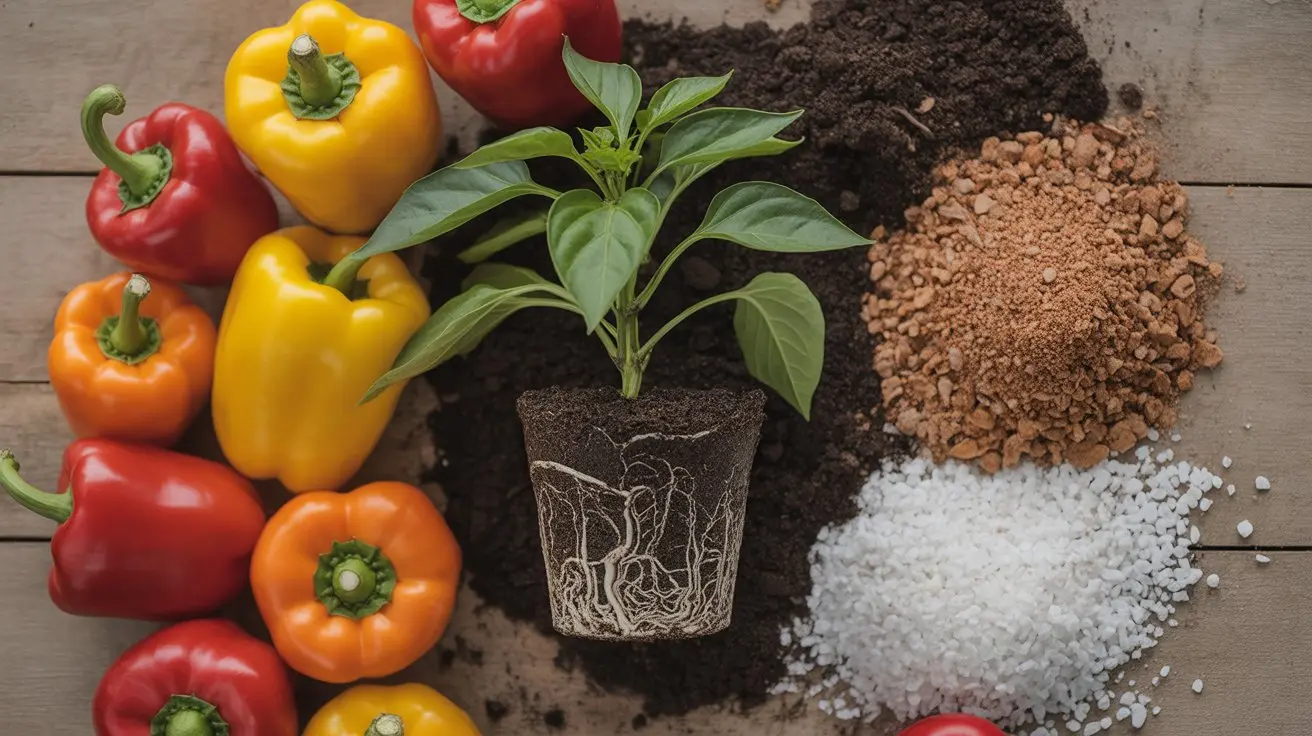
Poblanos need a warm start and enough room for a wide canopy. Crowded plants can still set fruit, but the pods may stay smaller and more exposed to pest and sun damage.
Transplant after soil warms, then mulch once roots are active. Keep enough space around the plant to tie branches and inspect fruit without breaking stems. If you tuck poblanos behind taller plants, they often lose both airflow and pod size.
- Warm transplants: recover faster and set earlier.
- Open spacing: makes branch support and harvest easier.
- Accessible beds: matter because poblano fruit can hide deep in the canopy.
Poblanos need room to carry width, not just height.
Stake Before the First Heavy Pods Pull Down
Poblano branches can bend under only a few large pods. Once a stem creases, the plant may keep the leaves but stop sizing fruit above the damage.
Support early with stakes, twine, or a cage that does not trap the pods. This is one of the cleanest differences between growing poblanos and smaller peppers like jalapenos in pots. A branch carrying two broad peppers can be under more stress than a whole jalapeno plant carrying several narrow pods.
- Support early: easier than rescuing a loaded plant.
- Tie loosely: stems need room to thicken.
- Harvest overloaded branches first: reduces the chance of a split.
Think of support as yield insurance. It keeps good fruit attached long enough to become usable fruit.
Keep Moisture Even for Width and Wall Thickness
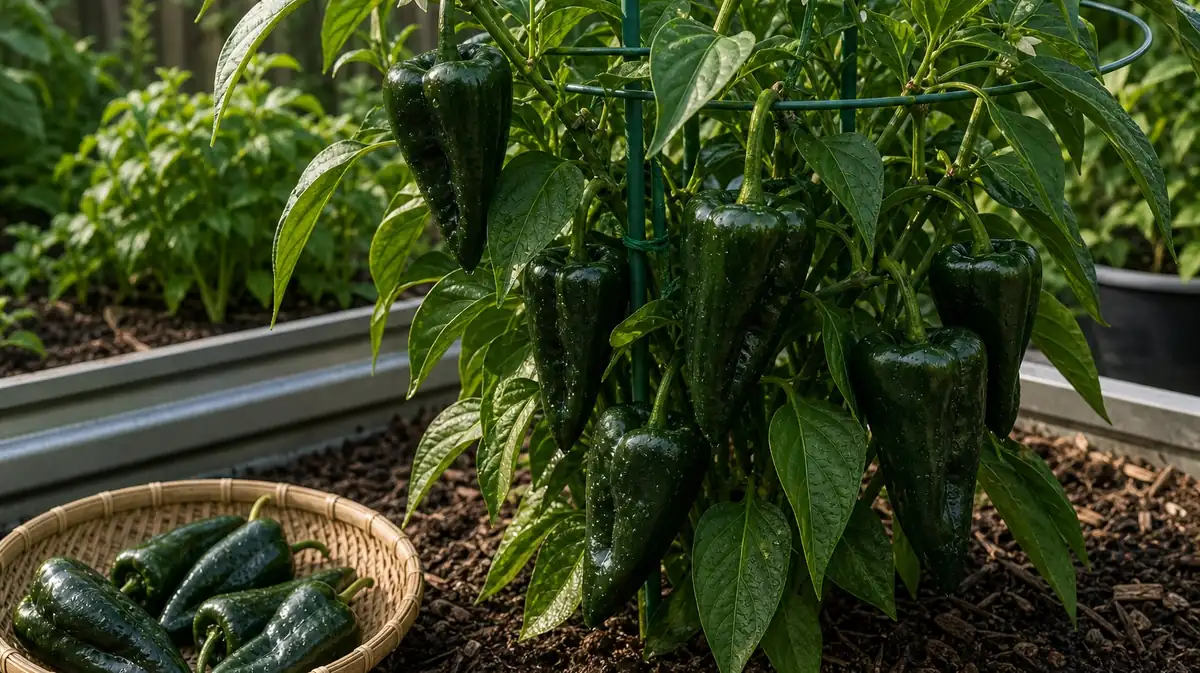
Poblanos respond badly to moisture swings because broad fruit need a long, even fill period. Soil that goes from dry to soaked can mean stalled pods, thinner walls, and more blossom-end-rot pressure.
Water deeply, then check again before the plant wilts hard. Mulch helps stabilize the root zone and lowers splash on the lower leaves. The same basic rule from watering pepper plants applies, but thick-walled fruit make the cost of inconsistency easier to see.
| Moisture pattern | Likely result | Better practice |
|---|---|---|
| Shallow frequent watering | Surface roots and stress in heat | Soak deeper and mulch |
| Long dry gap then flood | Uneven fruit fill | Check soil sooner |
| Even root moisture | Better pod width and texture | Maintain with routine checks |
If pods are narrow and the plant keeps wilting, treat irrigation as the first suspect, not the last.
Harvest by Kitchen Job: Green Poblano or Red Ancho
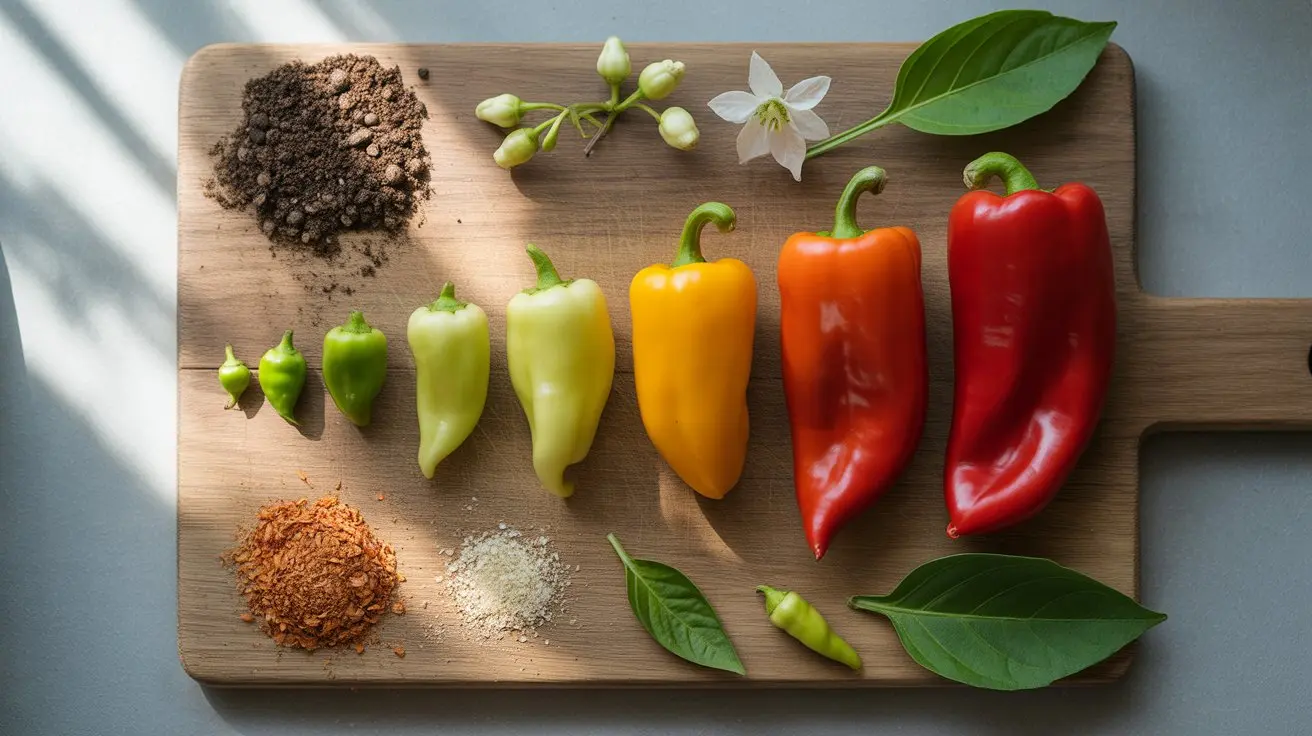
Most gardeners pick poblanos green, when the pods are full-size and still firm. That is the classic stage for roasting, stuffing, and chile relleno style cooking.
Leave selected pods to turn red if you want to dry them into ancho. The tradeoff is time. Red maturity improves sweetness and dried flavor, but it slows total plant turnover. The same mixed-harvest logic used in how to harvest jalapenos works here too, only with larger fruit and a stronger roasting versus drying split.
| Harvest stage | Best use | Tradeoff |
|---|---|---|
| Full-size green | Roasting, stuffing, fresh cooking | Less sweetness |
| Color break | Short-hold mixed use | Less predictable roasting quality |
| Fully red | Drying into ancho | Longer load on the plant |
Harvest by intent, not by default. A poblano meant for ancho should stay longer than one headed to the broiler that night.
Protect Fruit From Sunscald and Late-Season Stress
Poblanos need leaf cover around the fruit. When plants are overpruned or lose leaves to stress, broad pods can sunscald before they reach their best size.
Leave enough canopy to shade the fruit while still keeping airflow. If leaf damage starts appearing, compare symptoms with the holes-in-pepper-leaves guide before spraying blindly. Many late-season fruit problems are really stress combinations: heat, skipped watering, and too much exposed fruit.
- Do not strip healthy leaves for looks: they protect the pods.
- Harvest damaged fruit early: do not ask a stressed plant to carry weak pods for too long.
- Reduce branch strain before storms: heavy fruit and wind do not mix well.
Poblanos reward steady care more than aggressive correction. Warm starts, support, even water, and clear harvest intent usually matter more than any special input.
Think Ahead to Roasting, Stuffing, or Drying Before You Pick
Poblano quality is easiest to judge when you know the destination. A stuffing poblano should be broad, firm, and evenly shaped. A roasting poblano can be slightly more mature if you want deeper flavor. A drying poblano needs enough time on the plant to become the red pepper that turns into ancho.
That kitchen endpoint should guide the garden decisions. If you want roasting peppers, steady moisture and leaf cover matter because wide pods show stress quickly. If you want ancho, compare the timing with drying pepper workflow and the harvest tradeoffs in green versus ripe picking.
- Stuffing crop: prioritize pod width and wall thickness.
- Roasting crop: harvest clean, firm green pods.
- Ancho crop: leave selected pods for full red maturity.
Poblanos get easier once the garden plan and kitchen plan match. Most quality problems come from asking the same fruit to serve every use at once.
Use the Plant Shape to Your Advantage at Harvest Time
Poblano plants often hide their best fruit under the leaf canopy, which is one reason growers underestimate them until the harvest basket fills. Walk around the plant before picking. Broad pods are easier to miss than narrow hot peppers, especially after a flush of new leaves.
This is also where branch support, spacing, and leaf health connect. A crowded plant with hidden fruit is harder to inspect for rot, pest damage, or sunscald. If lower leaves are failing, compare with the pepper leaf-hole troubleshooting guide, pepper plant care, and post-harvest storage so the garden and kitchen plan stay connected.
- Walk the plant from multiple sides: many usable pods sit deeper than you think.
- Harvest with support in mind: remove the fruit that strain the weakest branch first.
- Sort by use immediately: roasting peppers and ancho candidates should not be mixed casually.
Poblano yield looks better when harvest is deliberate. The plant is not just producing pods. It is producing pods for specific end uses, and that is how you should read it.
Judge the Plant by Pod Quality, Not Pod Count
Poblano seasons feel disappointing when growers compare them to smaller hot peppers. The pod count is lower, so the plant can look underproductive even while it is building large, useful fruit. That is the wrong benchmark. Poblanos should be judged by pod width, wall quality, branch integrity, and whether the harvest stage fits the kitchen plan.
A strong poblano crop does not need dozens of peppers to justify itself. A handful of broad, well-filled pods for roasting or stuffing often provides more practical yield than a basket of smaller peppers with no clear role. That is why steady moisture, support, and harvest timing matter so much here. The plant is carrying value in each fruit, not just quantity in the total count. If the pods are broad, sound, and harvested for the right use, the crop is doing its job.
- High-value green crop: broad pods with enough wall thickness for roasting and stuffing.
- High-value red crop: selected pods carried long enough for ancho use.
- Weak crop signal: many narrow pods, bent stems, and exposed fruit under stress.
That mindset changes management decisions. You stop chasing more peppers at any cost and start protecting the fruit that actually matter. For poblanos, that is the difference between a plant that only looks busy and a plant that fills the kitchen with peppers you wanted in the first place.
Use the Harvest Window to Protect Roasting Quality
Poblanos lose part of their value when the harvest window gets sloppy. Pods picked too early can look large enough but roast thin and feel underdeveloped. Pods held too long under stress can soften, sunscald, or lose the clean shape that makes them useful for stuffing.
The sweet spot is when the pods are clearly full-size, firm, and still in strong condition for the job you want. That is especially important for roasting. A good roasting poblano should blister evenly, peel cleanly, and still hold enough structure to slice or stuff afterward. Those qualities are easier to protect if you pick with the kitchen endpoint in mind instead of waiting on a vague feeling that the pepper might get even better.
- Roasting window: full-size, firm, and still clean-skinned.
- Stuffing window: broad pods with good wall integrity.
- Ancho window: selected fruit carried intentionally for red maturity.
Poblano growing becomes clearer once the harvest window is tied to texture and use, not just to color or patience. That is where much of the real quality lives.
Decide Early Whether You Want Poblanos or Anchos
Poblano plants are easier to manage once you decide whether the crop is headed toward fresh green poblanos or fully ripened red peppers for drying into ancho. The same plant can do both, but your harvest timing and branch load management change depending on the goal.
Fresh poblano harvest rewards size and wall thickness. Ancho harvest rewards full red maturity and enough dry weather to finish the pods cleanly.
| Harvest path | Pick point | What to watch |
|---|---|---|
| Fresh poblano | Large, dark green, glossy fruit | Do not wait so long that branch weight causes splitting |
| Roasting and stuffing | Full size with firm walls | Uniform shape matters more than full color |
| Ancho drying | Fully red ripe pods | Need healthy foliage and low late-season stress |
- Support loaded branches: poblano fruit gets heavy fast.
- Keep airflow open: thick canopies hide pests and damaged fruit.
- Harvest damaged fruit early: once rot starts, the plant loses time and energy.
Poblanos are not difficult because they are fussy. They are difficult because the fruit is large enough that every watering mistake and every branch support delay becomes visible.
Protect Poblano Shoulders From Scald, Rub, and Hidden Damage
Poblanos have broad shoulders and large walls, so cosmetic damage matters more than it does on small thin peppers. A fruit can still be edible after rubbing or sun exposure, but it may no longer be the clean roasting or stuffing pepper you were aiming to harvest.
We check loaded plants for fruit contact points as the peppers size up. Big pods often touch stems, cages, or neighboring fruit before the gardener notices.
- Shift branch support early: once a heavy poblano folds into a support wire, the pressure mark tends to deepen.
- Keep some leaf cover over exposed fruit: broad shoulders scald faster than narrow peppers.
- Harvest scarred but sound peppers for immediate roasting: do not let cosmetic damage become storage rot.
- Reserve the cleanest fruits for stuffing: shape and wall integrity matter most there.
This is one of the details that separates a productive poblano plant from a useful poblano harvest. The plant can carry big fruit, but the grower still has to protect how that fruit finishes.
Sort Fruit by Kitchen Destination at Harvest
Poblanos are easier to manage when the basket is sorted immediately. The biggest clean peppers can go to stuffing, the blemished but sound ones to roasting, and the deliberately ripened fruit to ancho drying.
- Clean large pods: best for rellenos and slicing.
- Marked but firm pods: use quickly for roasting or sauces.
- Red mature pods: keep separate for drying work.
That fast sort keeps better fruit from being wasted on the wrong job and makes the whole plant feel more productive.