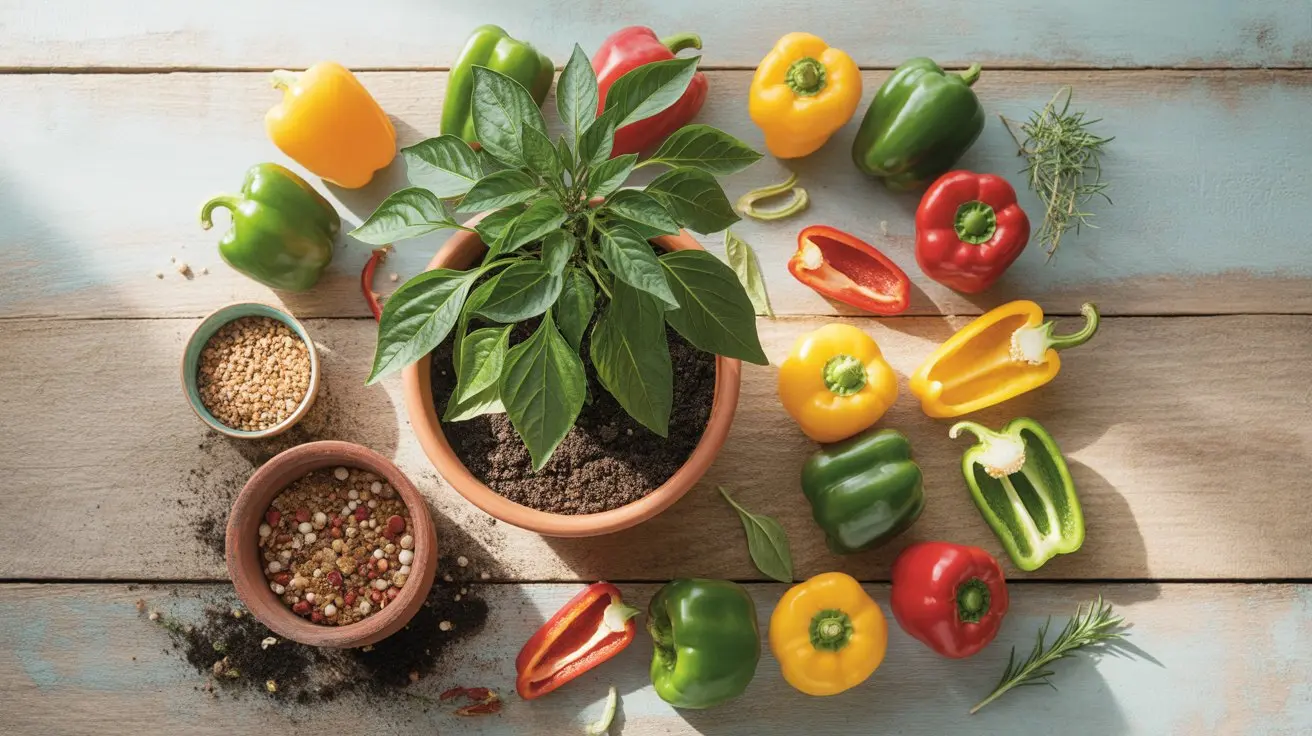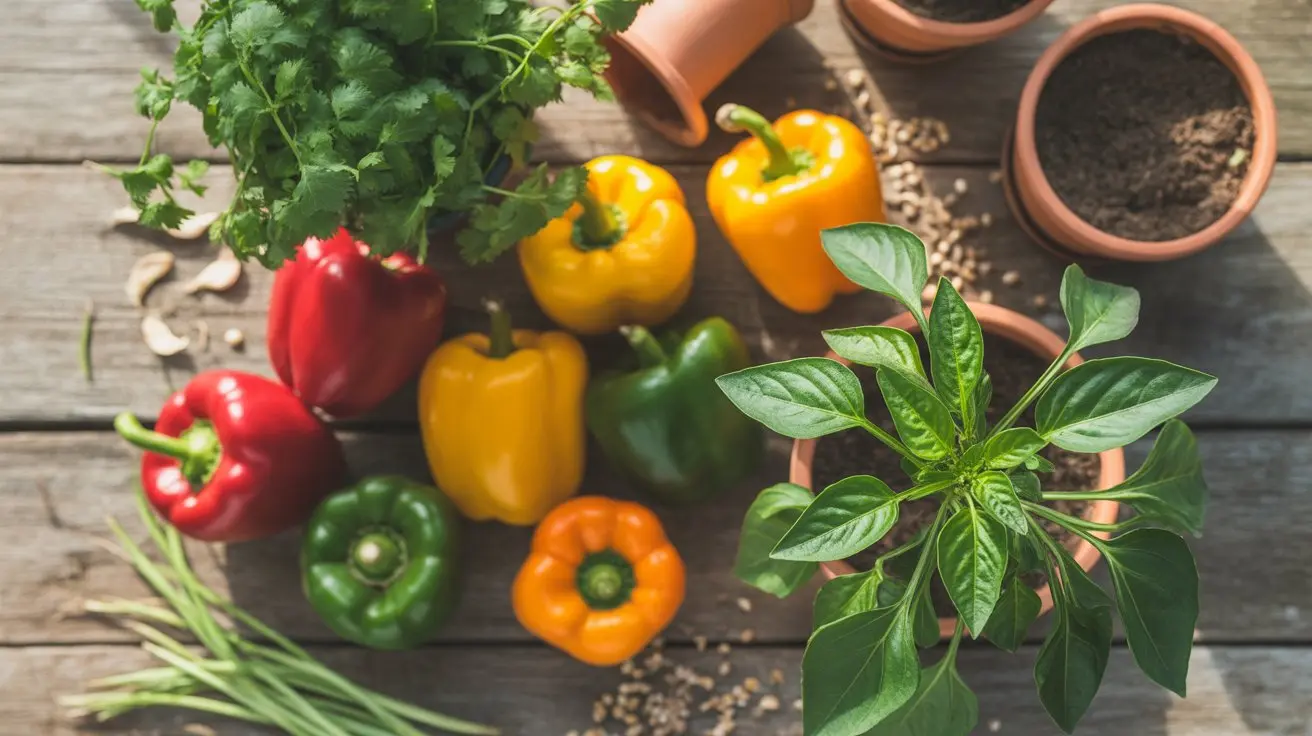

Growing Bell Peppers: Thick Walls, Fewer Drops
Bell peppers need a longer, steadier season than most hot peppers. Give them warm roots, wide spacing, even moisture, and support before the heavy fruit bends stems.
Grow Bell Peppers for Wall Thickness, Not Speed
Growing bell peppers is a patience crop. A bell plant has to fill large, thick-walled fruit, so it reacts harder to water swings and weak support than smaller hot peppers.
We treat bells differently from the jalapeno pepper profile because the harvest goal is not dozens of small pods. The useful harvest is firm, heavy fruit with walls thick enough for slicing, stuffing, roasting, or freezing.
| Stage | Bell pepper target | Why it matters |
|---|---|---|
| Seedling | Warm, stocky growth | Cold starts delay a long crop |
| Flowering | Even moisture | Dry swings trigger drop and small fruit |
| Fruit fill | Supported branches | Heavy bells crease stems before harvest |
| Ripening | Patience and sun cover | Large fruit sunscald more easily than hot peppers |
The table shows why tricks that work on narrow hot peppers can disappoint on bells. You are managing a long fill period, not just chasing early blossoms.
Start Warm, Then Transplant Without Shocking Roots
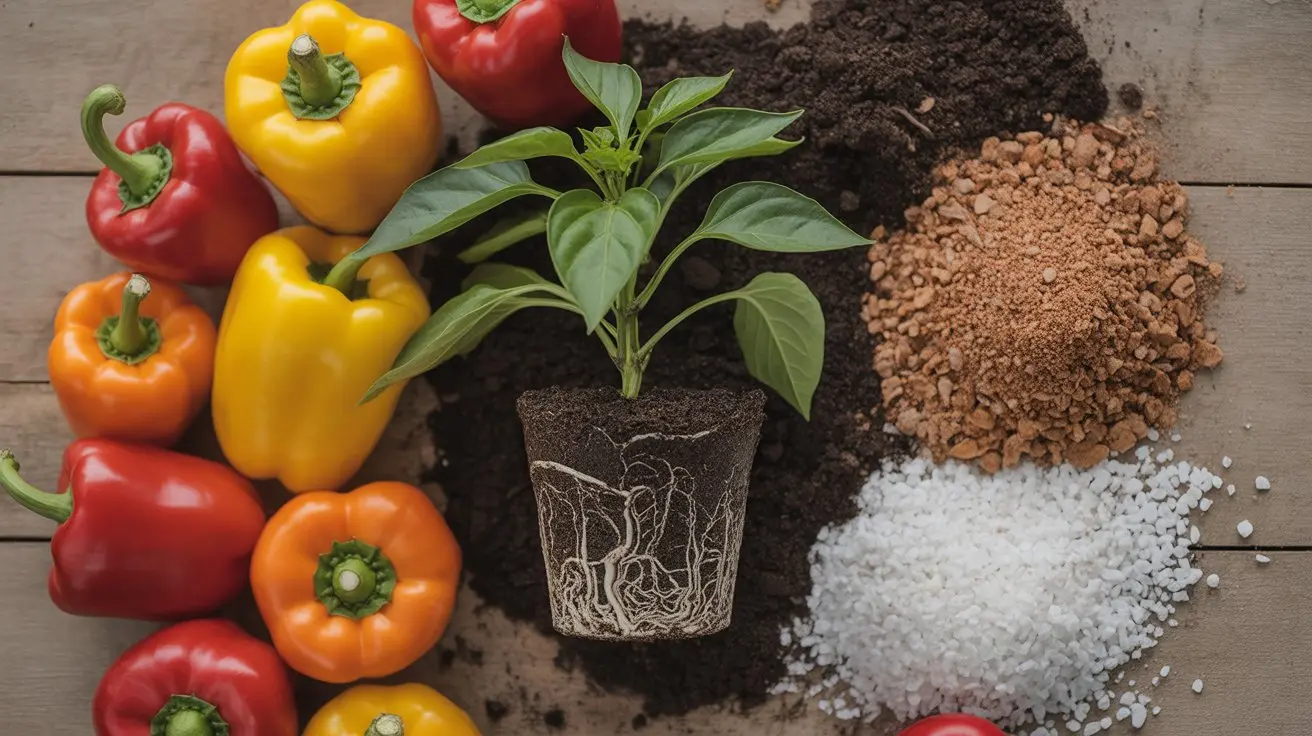
Bell peppers need warm roots and steady light before transplant. Cold soil slows them down, and a slow start matters because the first large fruit already takes a long time to size up.
Harden seedlings gradually, then transplant after nights are reliably mild. In cooler gardens, black mulch or a protected bed can warm the root zone earlier without forcing the plant into cold wind. If you are comparing timing across pepper types, the slower pace here is closer to the poblano pepper growing guide than to quick patio peppers.
- Wait for warm soil: growth stalls when roots sit cold and wet.
- Use sturdy transplants: thin seedlings lose too much time recovering.
- Remove the first weak flowers if needed: useful only when a plant goes out too small.
A bell that loses two weeks after transplant rarely gets those two weeks back.
Give Bells More Space Than You Think
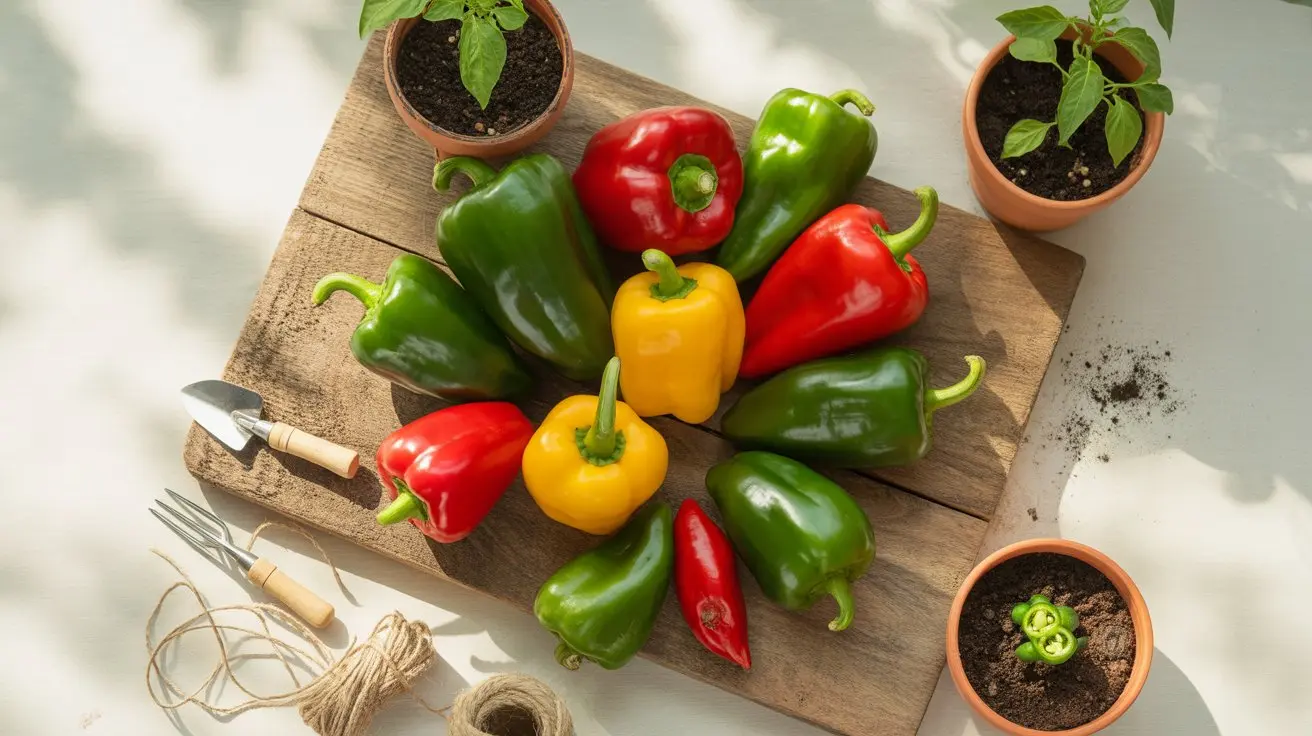
Bell pepper plants often look tidy in spring and crowded by midsummer. Wide spacing improves airflow, lets leaves dry faster after rain, and gives you room to stake or cage the plant before fruit weight becomes a problem.
Spacing also affects fruit quality. Crowded plants can still set fruit, but they tend to produce smaller peppers with less consistent color and more hidden pest pressure. If leaf issues start showing, compare them with holes in pepper leaves or pepper leaves curling instead of assuming the plant just needs more feed.
- Bed plants: leave room to walk and harvest without breaking branches.
- Container plants: one productive bell per large pot is usually enough.
- Cages or stakes: install early so you are not forcing them through a loaded canopy later.
Bell peppers pay you back for order. Once the branches are full, rescue work gets clumsy fast.
Keep Water Steady During Fruit Fill
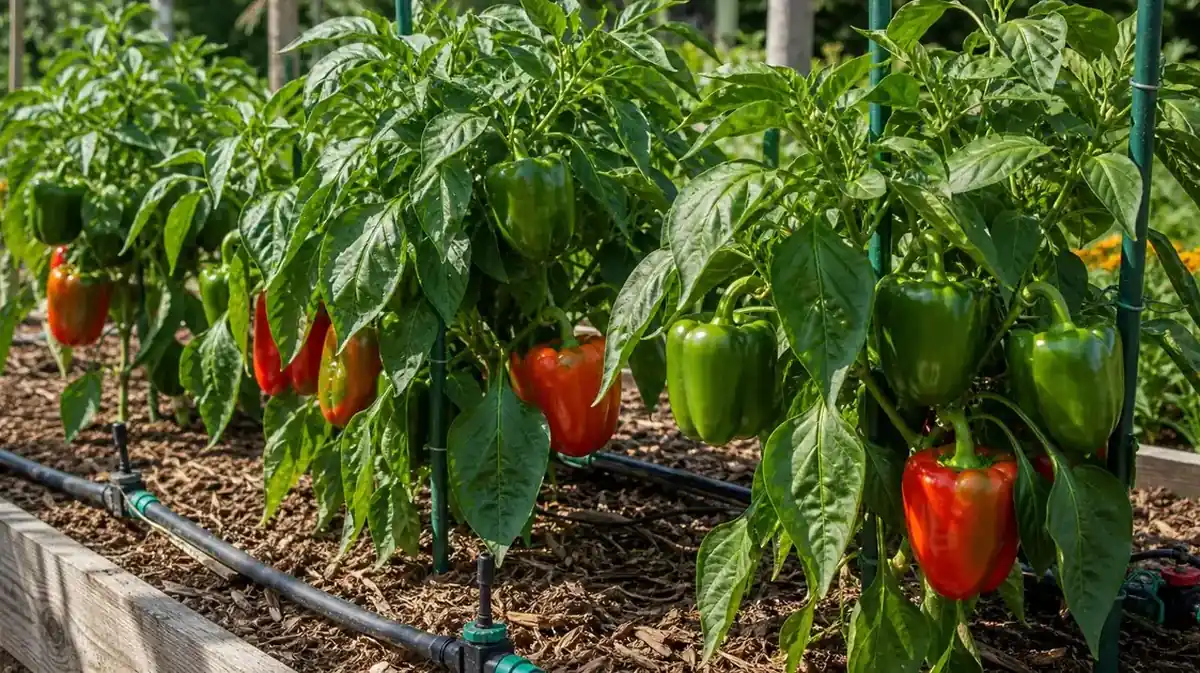
Bell peppers punish erratic watering because the fruit walls are thick and slow to fill. Dry swings can cause blossom drop, uneven shape, poor size, and more pressure from blossom end rot.
Water deeply, then let the upper layer dry slightly before watering again. The goal is a root zone that stays evenly moist rather than bouncing from soggy to dusty. Mulch helps by reducing evaporation and moderating root temperature.
| Moisture pattern | What the plant often does | Better response |
|---|---|---|
| Light daily splashes | Shallow roots and midday wilt | Water deeper and less casually |
| Long dry gap then soaking | Stress swings and fruit issues | Check soil before the plant wilts hard |
| Even root moisture | Steadier fruit fill | Maintain with mulch and consistent checks |
The irrigation logic is the same as in watering pepper plants, but the cost of mistakes is higher on big-fruited bells.
Feed for Fruit Quality, Not Leaf Color Alone
Bell peppers need nutrition, but more fertilizer is not the same as better fruit. A lush canopy with few heavy peppers usually means the plant is being pushed toward growth instead of fruit fill.
We prefer measured feeding, especially once flowers and small fruit appear. The plant should keep enough energy for steady growth without turning dark, soft, and overly leafy. If the canopy looks strong but fruit stay small, inspect water consistency and branch load before reaching for extra feed.
- Dark leafy plant with few peppers: often too much nitrogen.
- Pale growth plus stalled fruit: check roots, moisture, and overall vigor together.
- Good set but snapped stems: support problem, not a nutrition problem.
Fruit size comes from the whole system working together. Nutrition only helps if roots, water, and light are already in line.
Harvest by Use, Not Only by Color
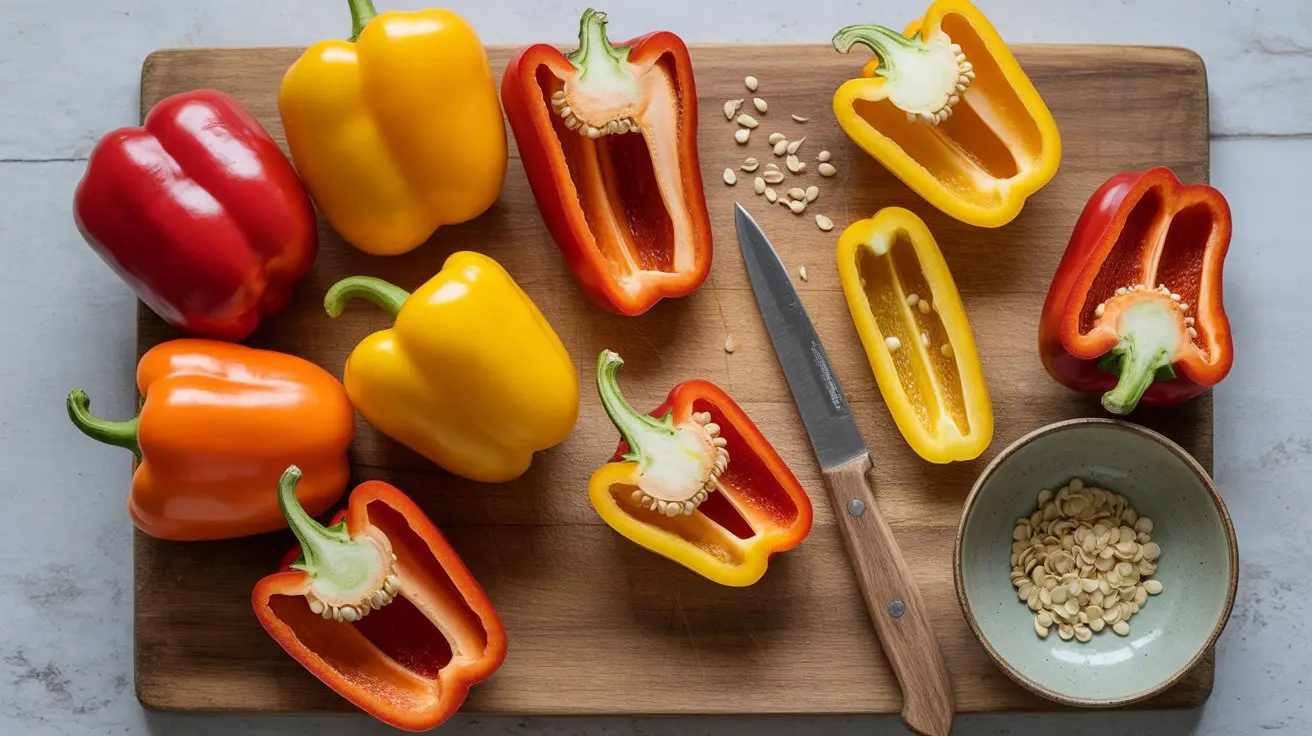
Green bells are already mature enough for many kitchen jobs. They are firmer, grassier, and usually the best choice when you want crisp slices, stuffed peppers, or regular harvests that keep the plant moving.
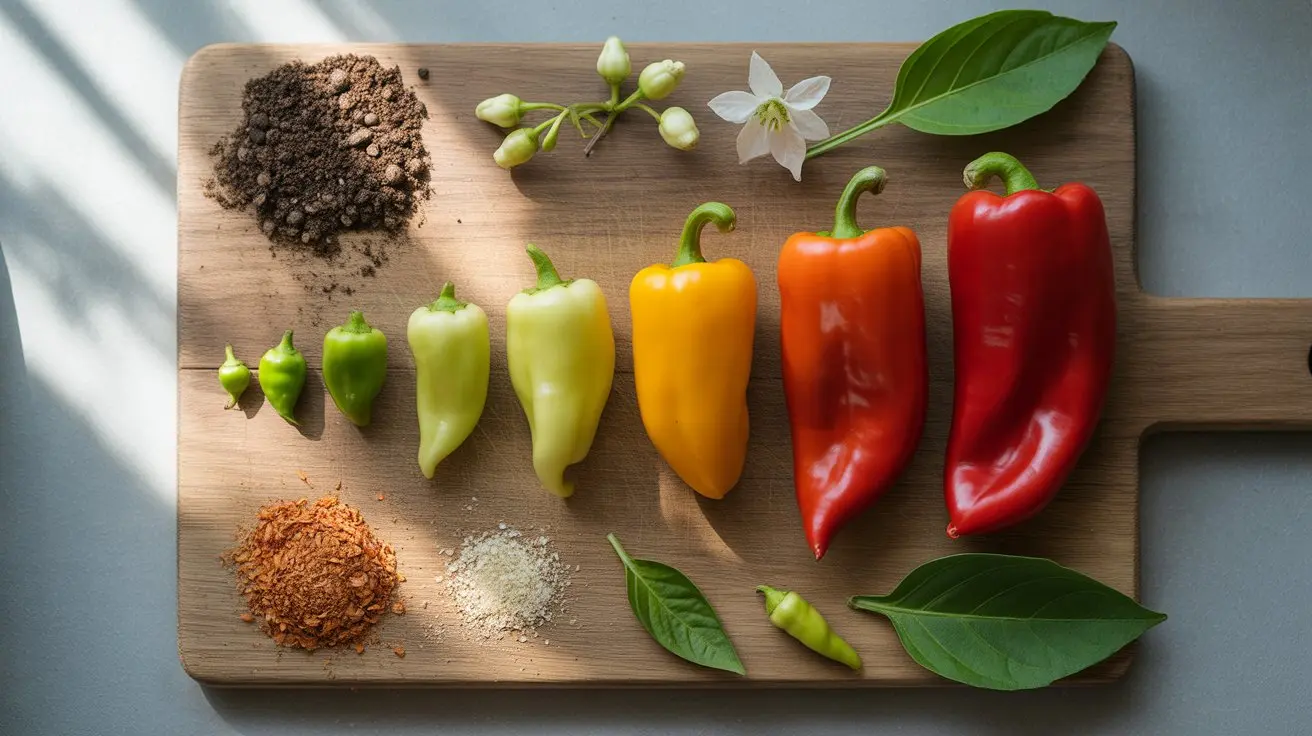
Red, yellow, and orange bells need extra time on the plant. The flavor gets sweeter, but the plant is carrying weight for longer. If total production is your priority, mix harvest stages instead of waiting for every fruit to color fully. This is the same tradeoff you see in the jalapeno harvest-timing guide, only with larger fruit and a slower clock.
| Harvest stage | Best use | Tradeoff |
|---|---|---|
| Full-size green | Stuffing, sauteing, freezing | Less sweetness |
| Color break | Mixed fresh use | Short storage window |
| Fully colored | Sweet raw slices, roasting | Slower total plant turnover |
Pick with clippers when possible. Bell stems hold firmly, and branch damage costs more on a plant carrying heavy fruit.
Protect Fruit From Sunscald and Weight Damage
Large bells need leaf cover. When a plant is overpruned or stressed, exposed fruit can get pale, papery patches on the sun side before they ever finish sizing.
Support also matters more than many first-time growers expect. One bent or split branch can take several peppers with it. Tie stems before the fruit are full weight, and do not strip off healthy leaves just to make the plant look tidy.
- Leave enough canopy: fruit need shade as well as sun.
- Stake early: support installed late often breaks branches.
- Harvest overloaded plants: reducing the load can save the remaining stems.
Bells reward steady, boring management. Warm roots, even water, branch support, and patient harvest timing do more than any last-minute rescue trick.
Use the Season Backward From the First Big Harvest
Bell peppers reward planning backward from the harvest you want. If your goal is heavy red bells, count back enough warm weeks for full-size green fruit plus the extra color-change period. In marginal climates, that often means treating the first strong green harvest as the real target and letting only a selected group finish to color.
This is why growers in shorter seasons often mix strategies: earlier green harvests for steady use, then a few protected fruits left for full sweetness. If you are also managing containers or warm microclimates, combine this page with container pepper practices and pepper yield management instead of relying on one late push.
- Short season: prioritize full-size green bells first.
- Long warm season: leave a selected set for color and sweetness.
- Mixed strategy: usually gives the best home-garden balance.
Bell peppers look simple, but they expose every weak point in timing, watering, and branch support. If you want bigger fruit, give the plant enough season to finish what it already set instead of pushing it into a second wave it cannot ripen.
Know What a Good Bell Season Actually Looks Like
Bell peppers create unrealistic expectations because the plant often looks strong long before the fruit look impressive. Gardeners see healthy leaves and assume the harvest should already be heavy. In reality, bell peppers spend a long stretch building the canopy and roots that support large fruit later. A slow early season is not automatically failure. What matters is whether the plant keeps gaining size, holding flowers, and filling the first fruit without constant setbacks.
A good bell season usually looks steady rather than flashy. The first fruit may not be huge, but they should be symmetrical, firm, and clearly sizing up each week. The branches should stay supported instead of flattening under the load. The leaves should still cover the fruit by midsummer. When those three things line up, the plant is doing the right work even if the basket is not full yet. This is also why comparing bells directly to jalapenos or cayenne misleads people. Bells trade raw pod count for wall thickness and fruit weight.
- Healthy bell crop: fewer fruit than hot peppers, but heavier and more useful per pod.
- Weak bell crop: many flowers, light branch support, and fruit that stay small or misshapen.
- Recovering bell crop: steady new leaves, cleaner fruit fill, and fewer moisture swings after correction.
If you want better bells, evaluate progress by fruit quality, not only by count. One full-size, thick-walled bell that ripens correctly is evidence the system is working. From there, the season is about helping the plant repeat that result instead of interrupting it with overfeeding, rough pruning, or inconsistent irrigation.
Protect the Best Fruit, Not Every Fruit
One mistake bell growers make late in the season is trying to carry every fruit equally. The plant often sets more fruit than it can finish beautifully, especially after weather stress. When that happens, the smarter move is to protect the best-positioned peppers rather than asking the plant to bring every small late fruit to full quality.
That can mean harvesting weaker fruit earlier, keeping support under the strongest branches, and focusing water consistency on the part of the crop that still has time to fill properly. Bells are high-value fruit. A few clean, full-size peppers are usually worth more than a larger count of undersized, stressed fruit that never finish well.
- Best-positioned fruit: keep the peppers with strong support and good leaf cover.
- Late weak fruit: harvest smaller or redirect expectations.
- Overloaded plant: reduce strain before quality falls across the whole plant.
That selective mindset is part of growing bells well. The goal is not to keep every fruit hanging. The goal is to finish the most useful fruit with the least stress.
Use a Bell Pepper Calendar, Not a Hot Pepper Timeline
Bells reward patience more than quick feeding. We plan them in phases: establish roots, protect the first real fruit set, support heavy branches, then decide whether to harvest green or wait for full color. Treating a bell like a fast jalapeno usually gives you smaller fruit and more cracked stems.
The calendar also changes by climate. In shorter seasons, protecting early fruit matters more than chasing a late flush. In hot regions, sun cover and moisture control matter more during the ripening window.
| Phase | Main job | What to avoid |
|---|---|---|
| First 2 weeks after transplant | Warm roots and steady growth | Cold soil, hard pruning, heavy feed |
| First flower set | Hold blossoms through even moisture | Dry swings and rough staking |
| Fruit fill | Support weight and keep leaves healthy | Letting plants lean under load |
| Color ripening | Protect fruit from sun and branch breakage | Waiting too long on damaged fruit |
- Harvest green when size and firmness matter more than sweetness.
- Wait for color when you want thicker flavor for roasting and freezing.
- Thin weak branches only when crowded growth blocks airflow around loaded fruit.
Bells are easier to manage when you decide the intended harvest stage early. The plant grows differently when you are aiming for large green fruit versus a smaller count of fully colored ones.
Protect Bell Fruit Quality in the Last Third of the Season
The last stretch is where many good bell pepper plants lose quality. Fruit gets heavy, branches rub, sun exposure shifts, and a pepper that looked perfect a week ago can end up scalded or cracked before you pick it.
We do a final-season walk with bells more often than with narrow hot peppers because wall thickness makes damage more expensive. A marked, bruised jalapeno is still usable in plenty of dishes. A marked bell often loses the clean slicing or stuffing quality you grew it for.
- Lift crowded branches: fruit hidden low in the canopy often develops pressure marks where stems or neighboring peppers rub.
- Harvest fully sized damaged fruit early: once a bell starts softening on the plant, it rarely improves.
- Keep leaf cover over exposed fruit: bells need enough canopy to avoid direct afternoon scorch.
- Separate thin late fruit from prime fruit: the end-of-season bells are often better for roasting than for fresh presentation.
The practical goal is not perfection on every pepper. It is protecting the best fruit you already paid for with the whole season's water, fertilizer, and calendar time.