
Pepper Plant Flowers Falling Off: Why Blooms Drop
Pepper plant flowers usually fall off because the plant cannot set fruit under the current conditions. Check heat, cold nights, water swings, pollination, and nitrogen before blaming the variety.
Pepper plant flowers fall off when the plant decides conditions are not good enough to turn that bloom into fruit. The usual triggers are heat, cold nights, dry soil, weak pollination, or too much nitrogen.
One dropped bloom is normal. A whole flush on the soil is a diagnosis job, and the fastest clue is when the flowers dropped.
Start with the weather around flower set
Temperature stress causes most sudden blossom drop. Peppers like warm weather, but flower set gets unreliable when days run hot, nights stay too cool, or a plant moves from indoor comfort into outdoor swings too fast.
University of Maryland Extension recommends planting peppers only after soil and air warm. That advice matters at flower stage too, because a cold root zone can make a plant hold leaves while rejecting blooms.
Hot afternoons can do the opposite. A container sitting on concrete may run much hotter than the garden air, so a plant can drop flowers even while the leaves look green.
| Timing clue | Likely cause | What to check today |
|---|---|---|
| Flowers drop after hot afternoons | Heat stress | Midday sun, black pots, dry mix |
| Flowers drop after cold nights | Cold stress | Night lows, transplant date, soil warmth |
| Flowers dry before opening | Water swing or low humidity | Pot weight, mulch, wind exposure |
| Flowers open but no fruit forms | Pollination gap | Air movement, insect activity, flower shake |
Water swings guide make blooms easy to lose
A pepper flower depends on steady water moving through the plant. If the root zone swings from dry to soaked, the plant protects itself by dropping the part that costs energy.
This is why blossom drop often follows a weekend of missed watering. The leaves may recover after a deep drink, but the flowers were already sacrificed.
Containers need extra attention. University of Minnesota’s container vegetable guidance treats frequent watering and regular feeding as linked jobs, because potting mix can dry quickly and then leach nutrients when watered hard.
Use the pot-weight test before every rescue watering. If the container feels light and the top inch is dry, water slowly until the root ball is evenly moist. If it feels heavy, wait and improve airflow instead.
Pollination can fail even when flowers look healthy
Pepper flowers can self-pollinate, but they still need movement. Wind, insects, or a light shake help pollen move inside the flower.
In a still greenhouse or covered porch, flowers may open cleanly and then fall because pollen did not move well. We tap the main stem in the morning during heavy bloom weeks, especially on container peppers.
Humidity also matters. Very dry air can make pollen less useful, while sticky, still air can keep flowers damp. The fix is not complicated: morning airflow, steady water, and no overhead watering late in the day.
- Tap flower stems lightly in the morning when blooms are open.
- Move container plants where air can pass through the canopy.
- Avoid spraying water into open flowers.
- Keep flowering plants away from harsh afternoon reflected heat.
Too much nitrogen gives you leaves instead of fruit
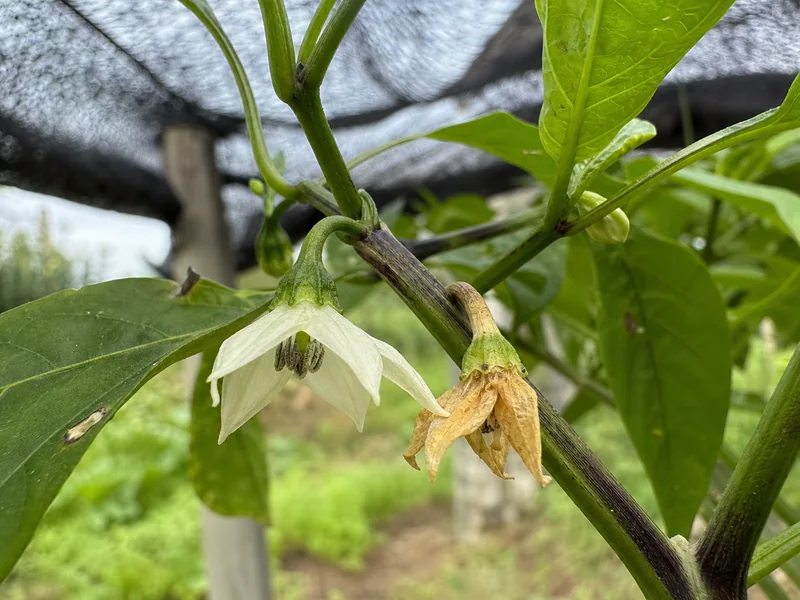
A dark, lush pepper that drops flowers often has a feeding imbalance. The plant has enough nitrogen to build leaves, but the growth signal is not helping it hold fruit.
Do not punish the plant by starving it. Pause high-nitrogen fertilizer, keep watering steady, and resume with a balanced, diluted feed only after new flowers hold.
This is especially common in fresh compost pockets or rich container mixes. The plant looks successful, so the dropped flowers feel confusing.
Compare the plant to a nearby pepper plant that makes flowers but no fruit. If both are leafy and bloom-heavy, the same nitrogen and pollination checks may apply.
Is it normal shedding or a real problem?
Normal shedding is scattered. A plant may drop a few early flowers while it builds more roots, especially soon after transplanting or when the first buds formed indoors.
A real blossom-drop problem has a pattern. You may see every new bloom dry at the same stage, or flowers may fall after each hot afternoon even though the plant looks healthy in the morning.
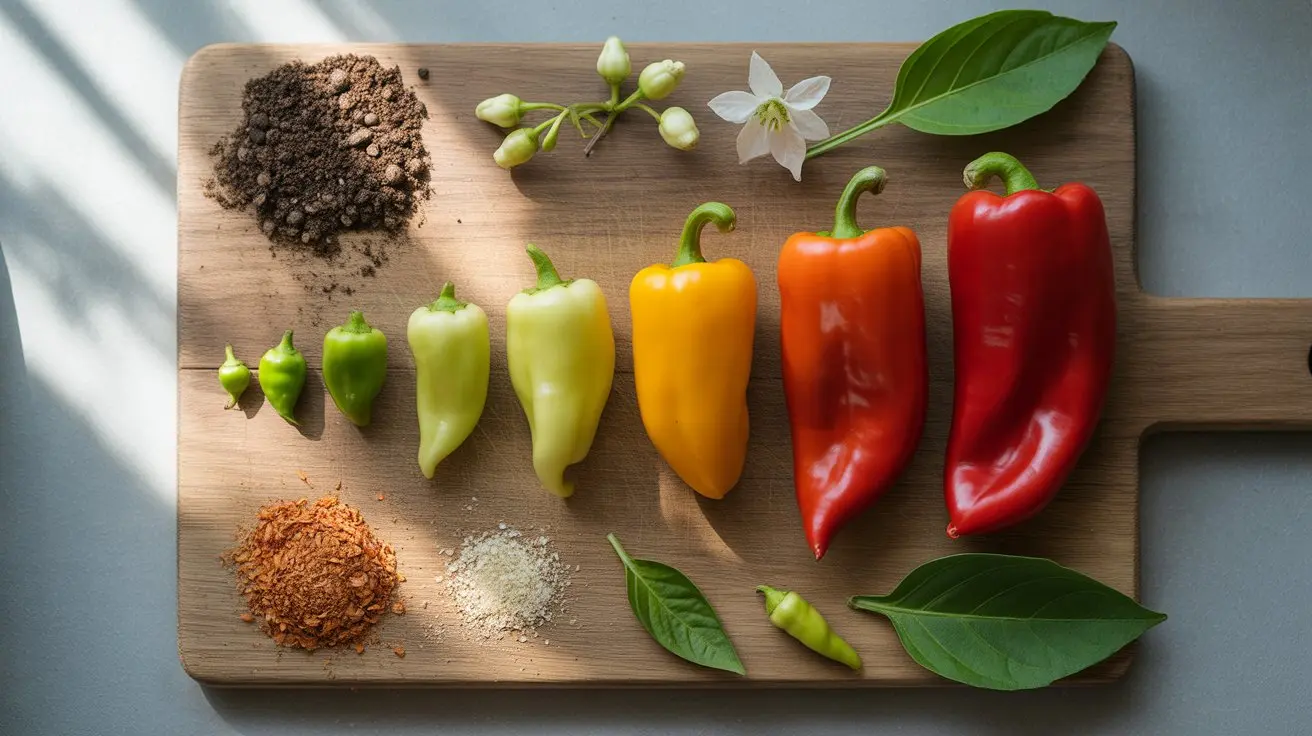
Look behind the flower before it falls. A swelling green nub means fruit set started. A clean stem with no swelling means the flower failed before the fruit stage.
That difference changes the fix. Failed pollination asks for movement and calmer bloom conditions, while tiny fruit that yellows and drops often points back to heat, water stress, or plant load.
Container peppers need a tighter routine
Potted peppers drop blooms faster than bed-grown plants because the root zone changes faster. A black pot can heat hard at noon, dry by late afternoon, and cool quickly overnight.
We move containers a few feet before changing fertilizer. Morning sun with light afternoon shade often holds blooms better than all-day reflected heat on a patio.
Pot size matters too. A plant in a small pot may keep flowering, but each bloom competes with a cramped root ball and a small water reserve.
If the plant dries every day, shift it to a larger container before the next bloom wave. Do that on a mild evening, water in gently, and avoid strong feed for a few days.
What should you do this week?
Do not change five things at once. Pick the most likely cause from the timing, fix that one condition, and wait for the next flower flush.
For heat, add afternoon shade or move the container off concrete. For cold nights, hold the plant under cover until temperatures stabilize.
For water swings, mulch beds lightly and water before stress shows. For pollination, tap the plant and improve airflow.
We do not judge recovery by the fallen flowers. We judge it by the next round of blooms and whether tiny green fruit forms behind them.
Where on the plant are the flowers dropping?
Location matters. Lower early flowers may drop because the plant is still building enough roots and branches to carry fruit.
Flowers dropping only on the sun-facing side point more toward heat, wind, or reflected light. Flowers dropping across the whole plant point more toward cold nights, water swings, or a feeding issue.
If the top of the plant keeps making healthy buds, do not overreact to a few older fallen blooms. If every new bud dries before opening, the stress is still active.
We mark the first heavy bloom date on container peppers. If flowers drop for one week and then hold after weather steadies, we treat it as a temporary set-back, not a season-long problem.
How many flowers should a pepper keep?
A young plant cannot carry every early bloom. Larger-fruited peppers often shed more early flowers than small-fruited hot peppers because each fruit costs more water and energy.
A compact jalapeno-type plant profile may hold several small fruits once weather settles. A big sweet pepper or stuffing type may drop more blooms until the canopy gets stronger.
That does not mean small hot peppers never drop flowers. A container habanero profile in reflected heat can shed heavily even with a strong canopy.
Use fruit size as a pressure clue, not a rule. The plant keeps flowers when weather, roots, water, and pollen movement line up long enough for set.
What should you record before changing care?
Write down three things for one week: afternoon temperature near the plant, morning pot weight or soil moisture, and whether any tiny fruit starts behind the flower.
That small record beats memory. Blossom drop often feels random until you see that the worst days share the same heat, wind, or dry-pot pattern.
If the plant is in a pot, record whether water runs through quickly. Fast runoff can mean the root ball dried and shrank from the container wall.
When the next bloom flush holds, keep the same care steady. Changing the routine right after improvement is how many good recoveries get interrupted.
How should you handle a heavy bloom flush?
A heavy bloom flush looks exciting, but it raises the plant load quickly. If the plant is small, some flower loss may be the plant choosing what it can support.
Do not strip all early flowers unless the transplant is tiny or badly stressed. Removing every bloom can delay useful feedback about whether conditions are improving.
Instead, support the plant. Stake loose branches, keep watering even, and reduce afternoon heat. If the next few flowers hold, the plant did not need a harsh reset.
If every flower drops for two full bloom cycles, the problem is no longer normal shedding. Go back to temperature, water, nitrogen, and pollination in that order.
The useful goal is not to save every flower. It is to make the next bloom cycle more stable than the last one, with steadier water, less heat stress, and enough movement for pollen to do its job.
If flowers keep dropping after the next weather change, stop guessing and check the plant at the same time each morning. Consistent observation reveals patterns faster than another fertilizer change.
For the next bloom wave, change the environment before changing the recipe. Shade the hottest hours, water before stress shows, and tap open flowers in the morning. If fruit starts behind even a few blossoms, the plant is responding.