
Homemade Thai Chili Sauce
Homemade Thai chili sauce should taste salty, garlicky, and sharp, not candy-sweet. Pound fresh Thai bird chiles with garlic, wake them up briefly in a pan, then simmer with fish sauce, rice vinegar, a little sugar, and just enough water to make a spoonable table sauce.
Homemade Thai chili sauce is the salty garlic sauce, not the sweet dipping gel. It starts with fresh Thai bird chiles, a full head of garlic, fish sauce, rice vinegar, and a short simmer that keeps the pepper bite alive.
We make this when noodles, dumplings, grilled chicken, or fried rice need heat with salt and acid. For the glossy sugar-led dip, use sweet Thai chili sauce instead; this bottle has a different purpose.
Ingredient Ratio
The working ratio is simple: a fistful of Thai chiles, one head of garlic, equal parts fish sauce and rice vinegar, and a small spoon of sugar. That ratio keeps the sauce salty and sharp instead of sticky.
Water is only there to help the paste simmer without scorching. Add it by the tablespoon, because too much water turns the sauce into a thin chile wash.
We do not add lime to the pan. Fresh lime tastes better at the table, while rice vinegar holds its flavor after heat.
Savory Base
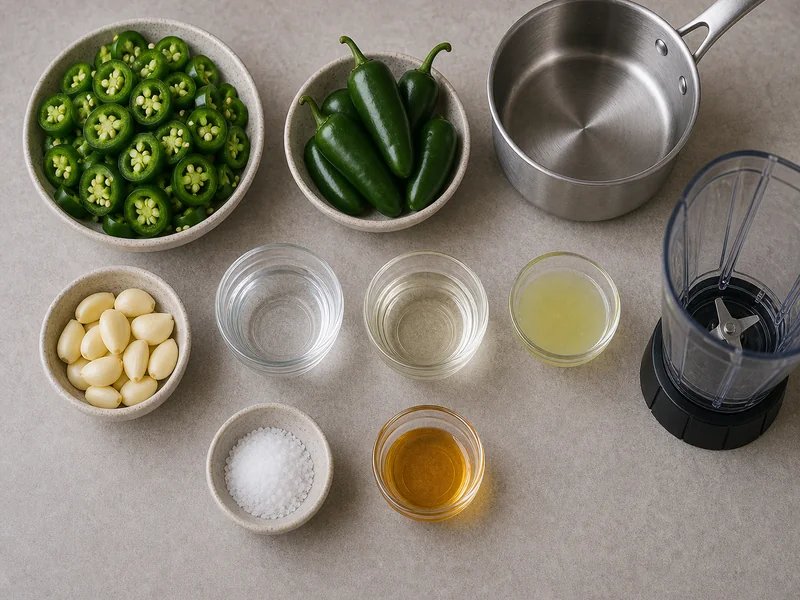
Fish sauce sets the flavor before any chile heat shows up. It brings salt and fermented depth, so the sauce tastes finished even though it cooks for less than ten minutes.
Rice vinegar keeps the garlic from tasting heavy. Palm sugar or brown sugar rounds the edge, but it should stay in the background.
If the sauce tastes flat, add fish sauce first, not more sugar. If it tastes sharp but thin, simmer one more minute so the garlic and vinegar settle into the same bite.
Pounded Texture
A coarse paste gives this sauce grip. Pound the chiles and garlic with a mortar, or pulse them in a food processor until the pieces look like rough confetti.
A smooth puree turns watery fast and slides off food. Save the blender-smooth approach for homemade sriracha sauce, where squeeze-bottle texture matters more.
- Coarse paste: best for noodles, dumplings, and spooning.
- Fine chop: sharper raw garlic bite, good for small batches.
- Smooth blend: only useful if you want a thin drizzle.
Shopping Cues
Pick Thai chiles that feel firm and smell grassy when the stem end is cut. Limp pods still bring heat, but they give less fresh pepper aroma to a short-cooked sauce.
Small chiles vary a lot in heat even from the same bag. Taste one tiny raw slice before committing all twenty pods, then decide whether to scrape ribs or keep them.
Choose garlic that feels tight and heavy. Sprouted garlic can turn bitter in a fast sauce because there is not enough simmer time to hide it.
Garlic Timing
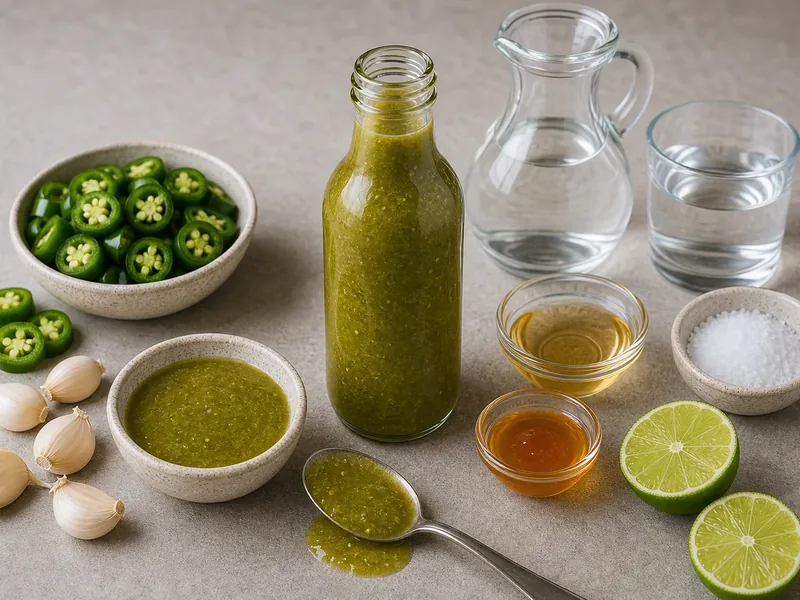
A whole head of garlic is not a typo. The pan step turns that much garlic from raw and prickly into something sweet enough to carry the sauce.
Keep the heat at medium-low. When the garlic smells sweet and no longer bites the back of your nose, it is ready for fish sauce and vinegar.
Browned garlic pushes the bottle toward bitterness. If you see color before the vinegar goes in, pull the pan off the heat and add a splash of water.
Fresh garlic also affects storage, so this stays a refrigerator sauce. It is a table condiment, not a shelf-stable preserve.
Fast Simmer
The simmer should look small and glossy, not rolling. Three to four minutes is enough to marry the paste with fish sauce, vinegar, sugar, and water.
Long cooking dulls the small Thai chiles. The small Thai bird chile heat works best when it still tastes fresh and green.
For a thicker bottle, reduce the water by a tablespoon. Do not add cornstarch unless you are trying to make a sweet chili-style glaze.
Heat Control
Thai bird chiles often sit around the hot pepper range, so twenty pods make a real sauce. The ribs carry most of the burn, while loose seeds mainly add texture.
For a softer batch, split the chiles and scrape half the ribs before pounding. For a hotter batch, keep the ribs and add two more pods after the garlic has softened.
Do not judge heat straight from the pan. Warm vinegar throws pepper vapor upward and makes the sauce feel harsher than it will on food.
If your hands start burning while prepping pods, stop and wash before touching your face. The safest fix is prevention, but pepper burn cleanup helps if capsaicin gets on your skin.
Use Cases
This sauce belongs at the table or in the last toss of a dish. It is too salty and direct to replace curry paste, and it is too loose to act like a glaze.
- Spoon it over rice bowls, eggs, or grilled pork.
- Toss a teaspoon through fried rice after the heat is off.
- Dip dumplings when soy sauce alone tastes flat.
- Stir a little into mayo for a salty garlic spread.
For a thicker cooked chile base used inside Thai dishes, Thai chili paste is the better match.
Taste Test
Taste the sauce on plain rice, not from a spoon. A spoonful exaggerates vinegar and heat, while rice shows whether the sauce can season food.
If rice tastes salty but alive, the bottle is right. If it tastes only hot, add a teaspoon of fish sauce and a pinch of sugar, then simmer for thirty seconds.
If garlic still tastes raw, cook the sauce one more minute over low heat. Do not boil hard, because hard boiling turns the fresh chile flavor dull.
Batch Scale
Double the recipe only if your pan has enough surface area. A deep small pan traps steam and cooks the garlic unevenly.
For a double batch, cook the chile-garlic paste in two rounds, then combine the liquids for the final simmer. The extra step keeps the garlic sweet instead of steamed.
Do not reduce the doubled sauce for twice as long. Once the vinegar and fish sauce are balanced, extra cooking mostly dulls the chile.
Not a Glaze
This sauce should run from a spoon. It should not sheet over chicken wings or cling like syrup.
That texture matters because fish sauce and garlic become too intense when reduced into a glaze. For a wing glaze, the sweet Thai version is safer because sugar and starch carry that job.
Use this bottle like a salty chile-garlic seasoning. A small spoon can fix a bland noodle bowl faster than soy sauce alone.
Serving Dose
Start with one teaspoon per bowl, then add more at the table. Fish sauce makes the sauce season food quickly, so a heavy pour can make noodles too salty before they taste too hot.
For dipping, mix one spoon of sauce with one spoon of lime juice. That quick cut makes the garlic brighter without changing the main bottle.
Label the jar savory Thai chili sauce if other sweet sauces live in the same fridge. The color can look similar, but the salt level is completely different.
Storage
Cool the sauce before bottling so steam does not water down the lid. Use a clean jar, refrigerate it, and spoon from it with clean utensils.
The flavor is best in the first week, then the garlic gets rounder and the vinegar reads louder. If it smells yeasty, foams, or shows mold, discard it.
If you cannot find Thai chiles, choose a swap for heat and size, not just color. A Thai chili substitute should still give quick, sharp heat in a small dose.
Chef's Tip
Pulse, do not puree. A coarse chili-garlic texture clings to noodles and dumplings far better than a smooth sauce, and it looks like the real thing.
Ingredients
-
20 fresh Thai bird chiles (prik kee noo)stemmed
-
1 whole head garlic (about 12 cloves)peeled
-
3 tablespoons fish sauce
-
3 tablespoons rice vinegar
-
1 tablespoon palm sugar or brown sugar
-
1 tablespoon water
Full Recipe Instructions
Pound or pulse…
Pound or pulse the chiles and garlic into a coarse paste, leaving some texture rather than a smooth puree.
Warm the paste…
Warm the paste in a lightly oiled pan over medium-low for 2 to 3 minutes, just until the garlic smells sweet and loses its raw bite.
Add the fish…
Add the fish sauce, vinegar, sugar, and water, and simmer 3 minutes until it looks glossy.
Cool and bottle;…
Cool and bottle; the sauce thickens slightly as it sits.