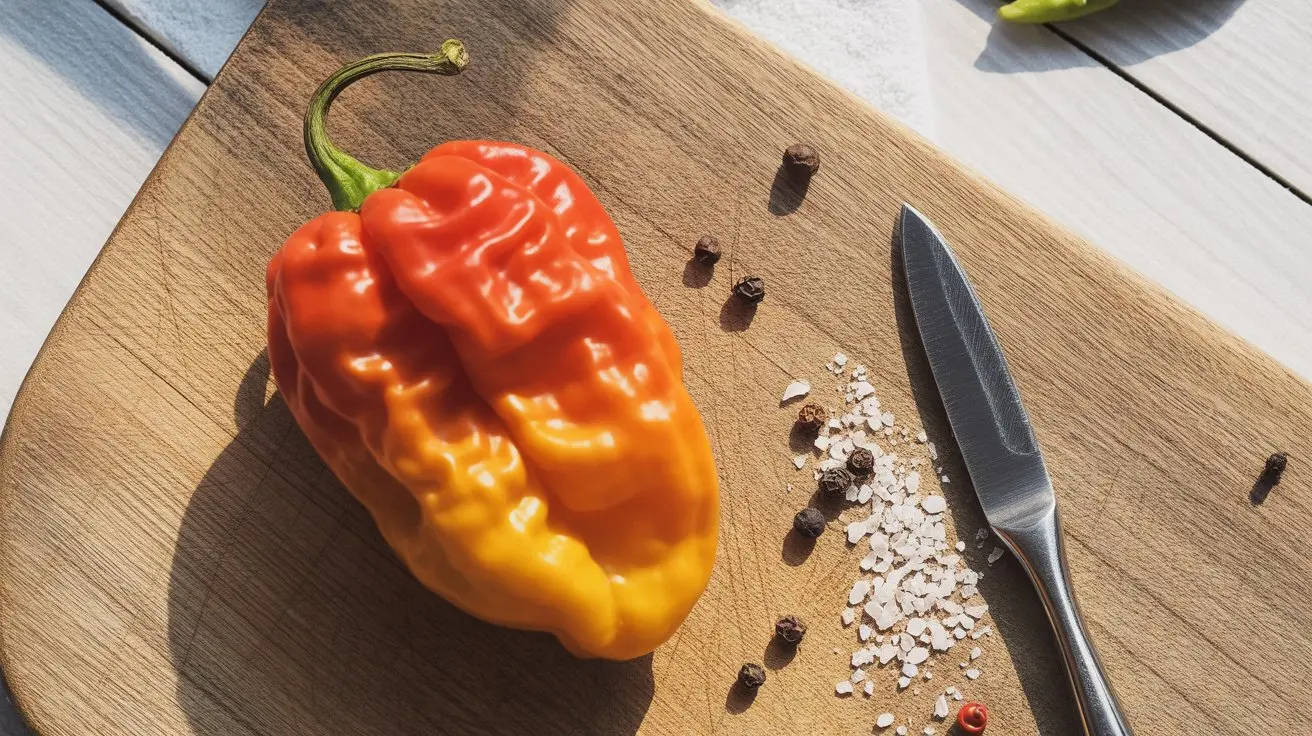
Aji Panca is a Peruvian staple running 1,000-1,500 SHU with a deep smoky-fruity character that makes it genuinely hard to replace one-for-one. Most substitutes capture either the smoke or the fruit but rarely both — knowing which quality matters most in your dish will point you to the right swap.
These alternatives are ranked by how closely they match Aji Panca’s heat level and flavor profile. Use the conversion ratios to adjust quantities in your recipe.
#1
Ancho Pepper Closest Match
At 1,000-2,000 SHU, ancho sits squarely in the same low-heat tier as Aji Panca and brings that dried-fruit sweetness — raisin, prune, a faint chocolate note — that mirrors Aji Panca's fruity side better than almost anything else on this list. It lacks the same smoky depth unless you toast it first, but a quick dry-pan toast for 30 seconds per side closes that gap considerably.
Conversion: use 1:1 by weight in sauces, braises, and marinades. For pastes, rehydrate both the same way — 15-20 minutes in warm water — so texture stays consistent. The sweet raisin character of dried ancho makes it the go-to swap when the fruity quality of Aji Panca is doing the heavy lifting in a recipe.
#2
Urfa Biber Runner-Up
This Turkish dried pepper lands at 500-1,500 SHU and is arguably the closest flavor match on the entire list. Urfa Biber carries a distinctive oily, sun-dried quality with earthy smoke and a faint chocolate-coffee finish. The smoky, raisin-dark complexity of Urfa Biber comes from a unique two-stage drying process — sun-dried by day, wrapped at night — that concentrates sugars while deepening the smoke.
Conversion: start at 1:1, then taste. Urfa Biber tends to be slightly less fruity and a touch more bitter, so a small addition of smoked paprika alongside it can sharpen the match. Works beautifully in lamb dishes, lentil stews, and anything from the regional pepper tradition of the Middle East and Mediterranean that calls for layered warmth.
#3
Kashmiri Chili Also Great
Kashmiri chili runs 1,000-2,000 SHU — technically up to 500 SHU hotter than Aji Panca at the top end, though in practice the heat difference is barely noticeable. It's prized primarily for its brilliant red color and mild, sweet flavor rather than fire. The mild, color-forward character of Kashmiri chili makes it ideal when Aji Panca is being used more for its visual contribution and background warmth than its smoke.
Conversion: 1:1 in powder or paste form. If your recipe leans on smoke, add a pinch of smoked paprika alongside the Kashmiri. This combination is particularly effective in rice dishes and slow-cooked proteins.
#4
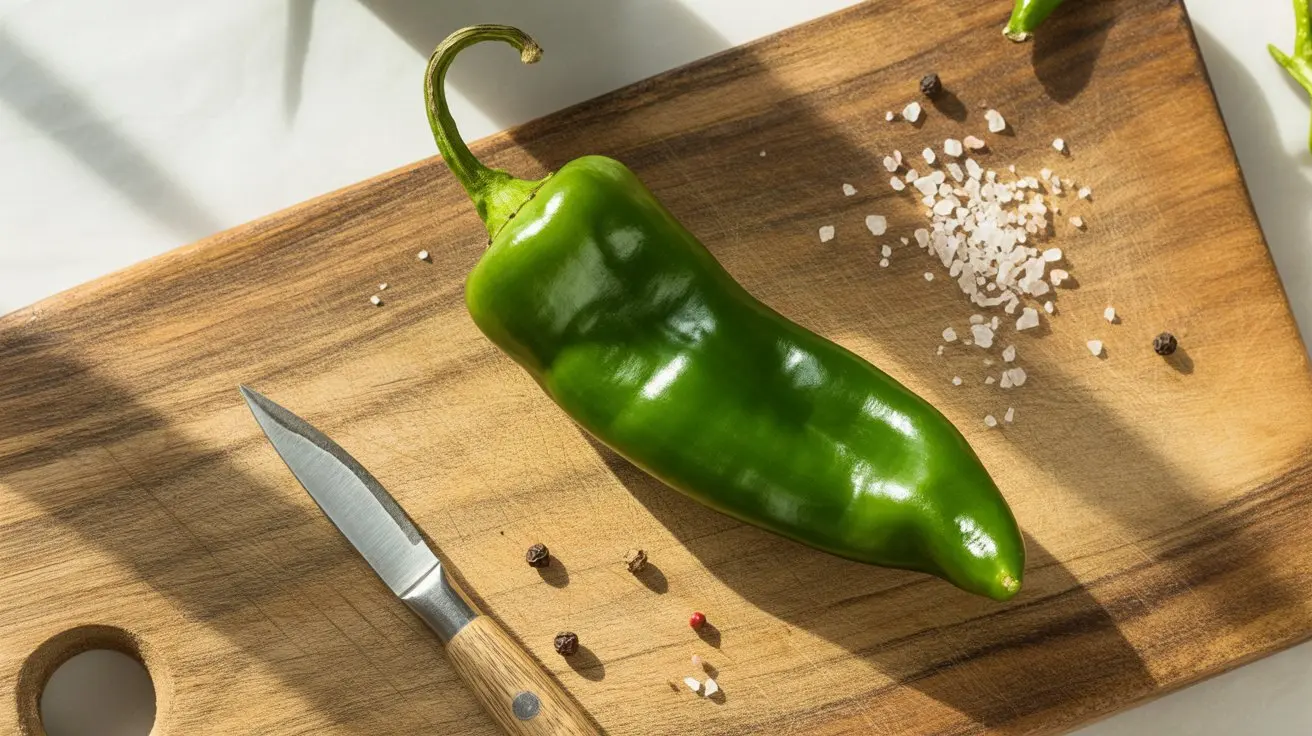
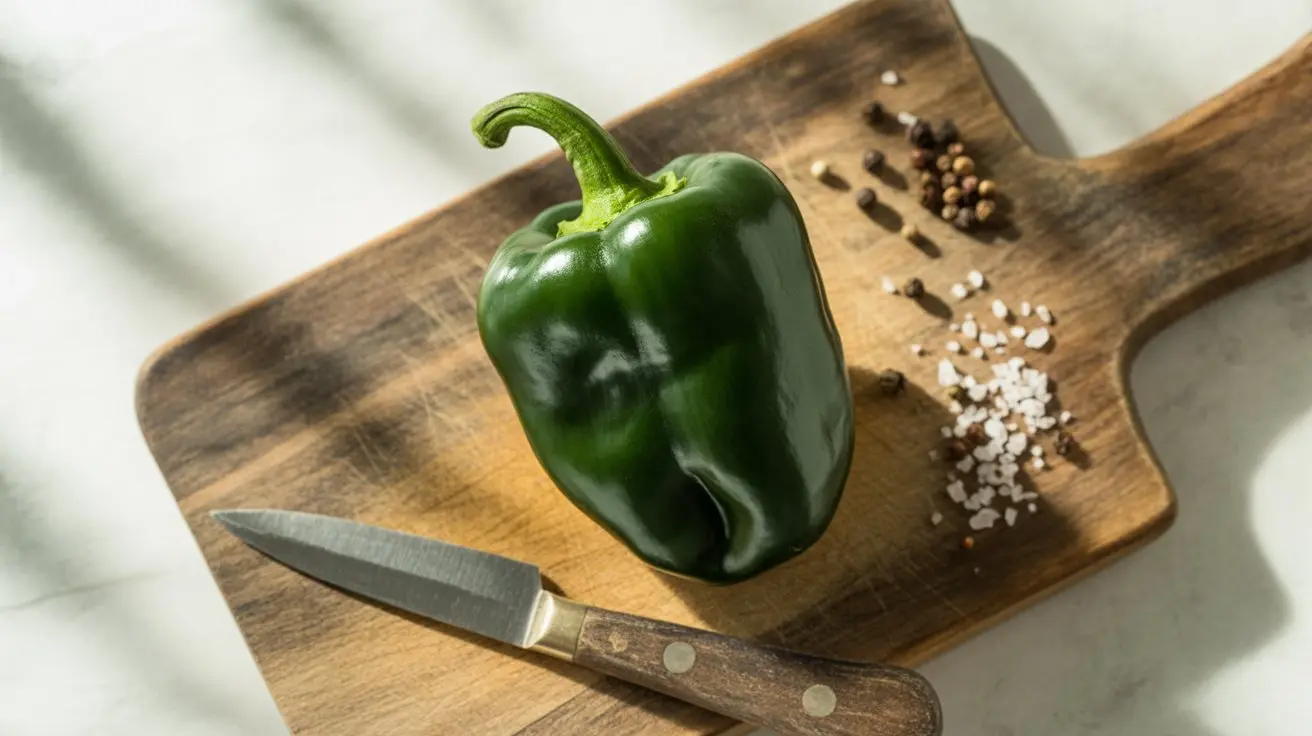
Poblano Pepper
Fresh poblanos sit at 1,000-2,000 SHU and carry an earthy, grassy richness that doesn't fully replicate Aji Panca's dried-fruit notes — but when roasted and peeled, they develop a depth that gets surprisingly close. The earthy richness of roasted poblano is a better fresh-pepper substitute than most alternatives when Aji Panca paste is the target.
Conversion: 1.5 parts roasted poblano to 1 part Aji Panca to compensate for the higher water content. Best in cooked applications — soups, stews, mole-style sauces — rather than raw preparations. Poblano is roughly comparable to Anaheim in base heat, so neither will push your dish into uncomfortable territory.
#5
NuMex Heritage 6-4
Developed at New Mexico State University, this heritage variety holds steady at 1,000-1,500 SHU — an exact SHU overlap with Aji Panca. The mild, sweet New Mexican character of Heritage 6-4 is more straightforward than Aji Panca's complexity, but in dried or powder form it provides solid background warmth without competing flavors.
Conversion: 1:1 in dried or powdered form. This works best when Aji Panca is playing a supporting role in a spice blend rather than being the lead flavor. Add smoked paprika at a ratio of 1 tsp per tablespoon of Heritage 6-4 powder to approximate the smoky note.
#6
Peppadew Pepper
Peppadews clock in at 1,100-1,200 SHU with a bright, sweet, tangy profile. The sweet-tangy South African character of Peppadew captures Aji Panca's fruity side but swings toward vinegar-brightness rather than dried-fruit depth. This makes it a reasonable substitute in fresh or pickled contexts but less convincing in cooked sauces where Aji Panca's smoke is essential.
Conversion: 1:1 by volume, but expect a noticeably brighter, more acidic result. Best deployed in ceviche, fresh salsas, or quick-cook applications where that tanginess reads as a feature rather than a mismatch.
#7
Guindilla Pepper
Guindilla runs 1,000-2,000 SHU and brings a bright, tangy snap that sits at the opposite end of the flavor spectrum from Aji Panca's smoky depth. The bright, tangy Spanish character of Guindilla is best used when you need heat and fruit without smoke — think pickled preparations, vinaigrettes, or dishes where Aji Panca's earthiness would have been subtle anyway.
Conversion: 1:1 in fresh or pickled form, but reduce any added acid in the recipe to compensate for Guindilla's natural brightness. This is the weakest flavor match on the list but a solid structural substitute when heat level is the primary concern.
Cubanelle and Long Hot Italian both fall in the 100-1,000 SHU range — technically overlapping with Aji Panca's lower bound, but in practice they're significantly milder. More importantly, both are fresh peppers with thin walls and a clean, grassy sweetness that shares nothing with Aji Panca's dried, smoky character. Using either in a recipe that calls for Aji Panca paste or powder will produce a noticeably flat result.
Pepperoncini might seem like a candidate given its mild heat, but its sharp vinegar-forward flavor actively works against the deep, slow-building warmth that defines Aji Panca. Pickled peppers in general are poor substitutes for dried South American chilies — the preservation process fundamentally changes the flavor architecture in ways that a 1:1 swap cannot overcome.
Substitution Tip
When substituting Aji Panca (1K–2K SHU), always start with less of a hotter substitute and add more to taste. For milder substitutes, you can increase the quantity. Our swap ratio calculator gives precise conversion amounts, and the heat unit converter translates between Scoville and other scales.
Fact-Checked & Expert Reviewed
Editorial Standards: All facts verified against authoritative sources. Content reviewed by subject matter experts before publication.
Review Process:
Written by
Sofia Torres
(Lead Culinary Reviewer)
, reviewed by
Karen Liu
(Lead Fact-Checker & Science Editor)
. Last updated June 4, 2026.
Ancho pepper is the closest match for most Peruvian applications — it shares the dried-fruit sweetness and similar heat level at 1,000-2,000 SHU. A quick dry-pan toast before rehydrating brings it closer to Aji Panca's smoky depth, which ancho doesn't carry naturally in its untoasted form.
Smoked paprika alone doesn't replicate Aji Panca because it lacks the fruity complexity and has almost no heat — it sits near 0 SHU. A blend works better: combine smoked paprika with a mild sweet pepper powder like Kashmiri or ancho at roughly a 1:3 ratio (paprika to pepper) to approximate both the smoke and the fruit.
Aji Panca and Anaheim are in a similar heat neighborhood — Anaheim runs 500-2,500 SHU while Aji Panca sits at 1,000-1,500 SHU, so neither registers as particularly hot. The bigger difference is flavor: Aji Panca is smoky and fruity from the drying process, while Anaheim is fresh and grassy with none of that dried-pepper complexity.
Urfa Biber is arguably the best flavor substitute on the list because its distinctive oily smoke and dried-fruit notes mirror Aji Panca more closely than most alternatives. The main difference is availability — Urfa Biber is found in Middle Eastern grocery stores and specialty spice shops rather than Latin markets, so it may require some sourcing effort.
Fresh peppers are a structural mismatch for dried Aji Panca because the drying process is what creates the concentrated smoky-fruity flavor — fresh peppers simply don't carry that depth. If fresh is your only option, roasted poblano at a 1.5:1 ratio gets closest, but expect a noticeably different flavor profile in the finished dish.