
Basic Habanero Hot Sauce
This basic habanero hot sauce is a cooked refrigerator sauce made with 8 ounces of fresh habaneros, 1/2 cup 5% vinegar, garlic, salt, and lime. It is bright, very hot, and pourable, but it is not a shelf-stable canning recipe unless you follow a tested preservation process.
This basic habanero hot sauce is a refrigerator sauce built around fresh habaneros, vinegar, garlic, salt, and a short simmer. It is hot, bright, and pourable, but it is not a shelf-stable canning recipe unless you follow a tested preservation process.
The batch uses 8 ounces of habaneros profile, 1/2 cup of 5% distilled white vinegar, 1/4 cup water, 1 teaspoon kosher salt, garlic, a little sugar, and lime juice at the end. It makes about 2 cups, which is enough for tacos, eggs, roasted chicken, rice bowls, marinades, and small bottles for the fridge.
If you want a broader method for pepper choice, acid choice, and blending style, our how to make hot sauce guide covers the larger system. This page covers the simple cooked habanero version: no fermentation, no aging, no canning shortcut.
What This Sauce Should Taste Like
A good basic habanero sauce should taste sharp first, then fruity, then hot. The vinegar should be obvious but not harsh, the garlic should sit behind the pepper, and the salt should make the heat feel cleaner instead of flat.
Habaneros are usually listed in the extra-hot range, so this is not a mild table sauce. If you need the same citrusy pepper character with less heat, remove most of the white inner membrane before simmering, or replace 2 ounces of the habaneros with orange bell pepper while keeping the vinegar and salt the same.
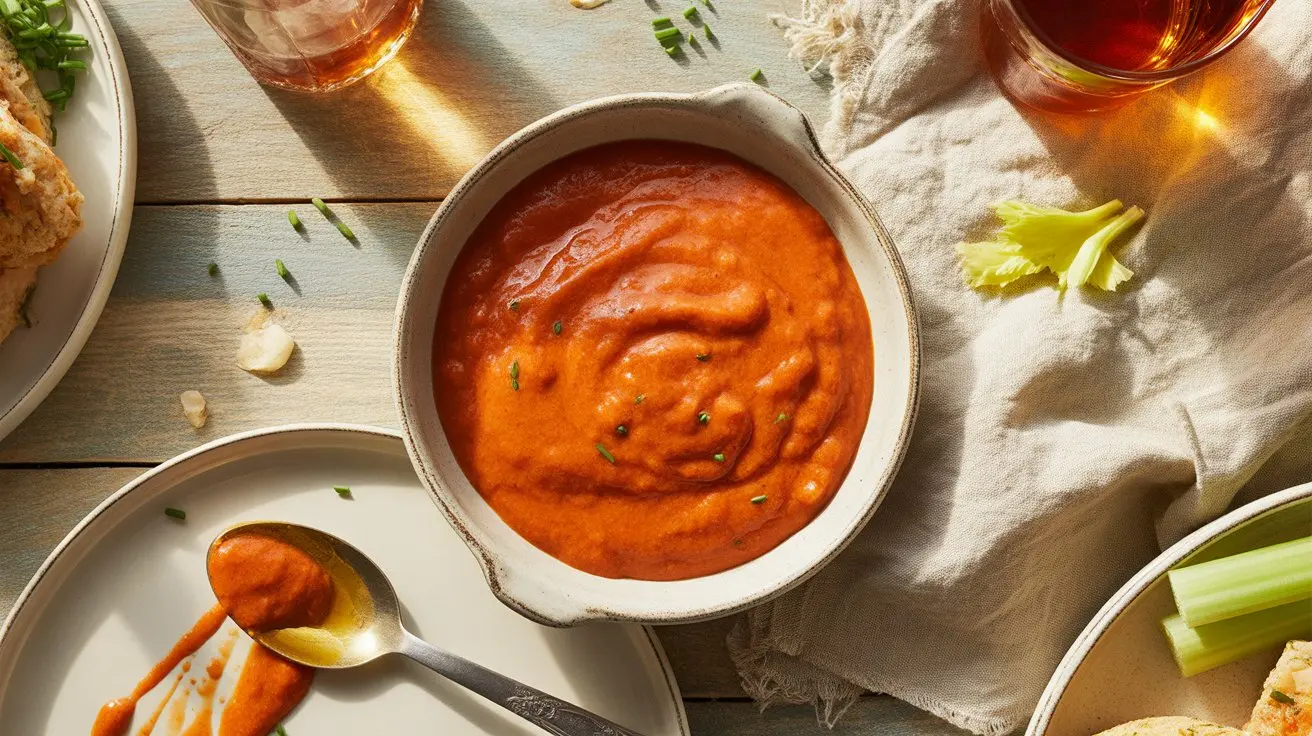
The sauce should pour from a spoon in a steady ribbon. If it drops like paste, it needs a splash of water and another short blend. If it runs like vinegar, simmer it for another 3 to 5 minutes before bottling.
Taste it once while warm, then again after it has chilled for a few hours. Cold sauce usually tastes a little sharper and more settled, so final salt and lime adjustments are easier after the vinegar has stopped steaming out of the pan.
Heat, Acid, and Salt Targets
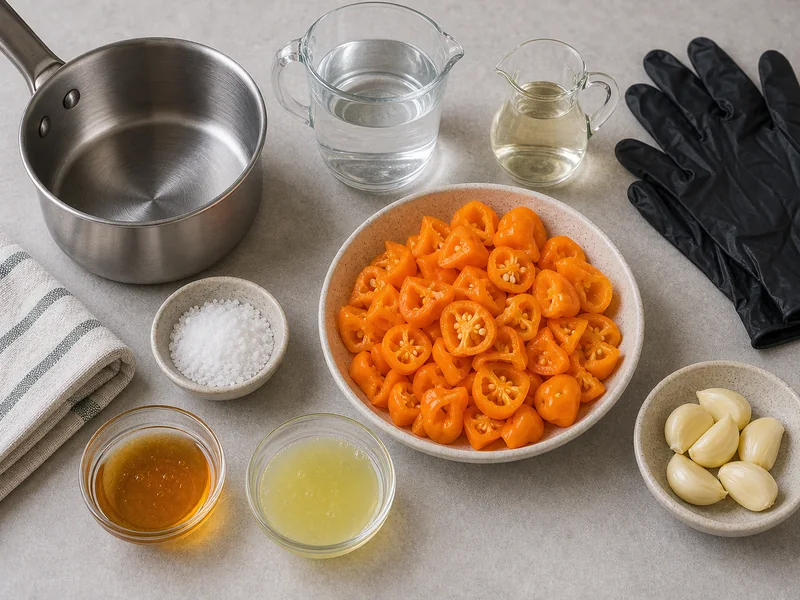
For this batch, use 8 ounces or 225 grams of stemmed habaneros. That weight matters because "10 peppers" can mean very different things depending on size, age, and how much trim you remove.
Use distilled white vinegar labeled 5% acidity. Preservation authorities treat acidity as a safety control in tested canned sauces and salsas, and SDSU Extension notes that acid is used to push hot sauce below the 4.6 pH line that separates low-acid foods from acid foods. We are still not calling this recipe shelf-stable, because a home blender sauce is not the same thing as a lab-tested canning formula.
One teaspoon of kosher salt seasons the batch without turning it briny. Taste after the lime juice goes in; if the sauce tastes loud but hollow, add another 1/8 teaspoon salt, blend again, and wait 2 minutes before judging it.
Why This Is Refrigerator-Only
The National Center for Home Food Preservation publishes tested hot sauce and salsa processes with controlled vinegar levels, processing times, jar sizes, and ingredient limits. Their salsa guidance also warns against increasing peppers in canning recipes because pepper amounts can change the acid balance.
This recipe is intentionally simpler: cook, blend, cool, refrigerate. Keep it cold, use it within 2 weeks, and discard it if you see mold, gas pressure, bubbling that was not there before, or an off smell.
If your real goal is long storage at room temperature, use a tested canning recipe from NCHFP or another extension source. Do not turn this refrigerator sauce into a pantry sauce by guessing at vinegar, bottle sterilization, or simmer time.
Blend and Texture Cues
A high-speed blender gives the smoothest sauce, but an immersion blender works if the peppers are fully softened. Cool the pan for 5 minutes before blending, vent the blender lid, and cover the opening with a towel so steam does not force sauce upward.
Blend for 45 to 60 seconds, then check the texture. The sauce should look glossy and mostly uniform. Fine pepper flecks are normal; large skins or garlic pieces mean it needs another 20 seconds.
If your sauce separates after a day in the fridge, shake it before using. Separation is common in thin homemade sauces, and our guide to why hot sauces separate explains why solids, water, and vinegar settle at different speeds.
How to Adjust the Batch
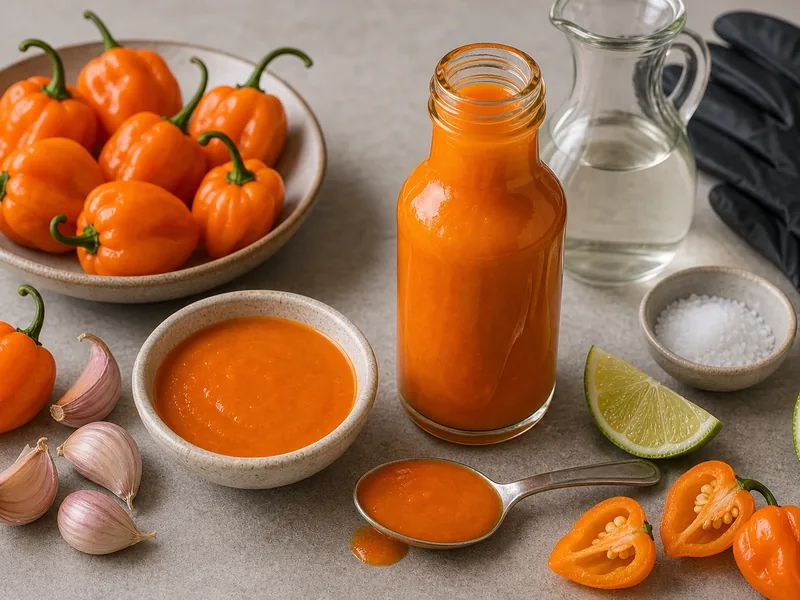
For more heat, leave the seeds and membrane in the peppers and use the full 8 ounces of habaneros. For less heat, remove membrane from half the peppers, or replace part of the pepper weight with a mild orange pepper so the color and body stay close.
For more fruit, swap the water for pineapple juice or mango juice, but keep the sauce refrigerated and use it faster. Sweet fruit changes the flavor and can shorten the practical storage window.
For more body, simmer the blended sauce uncovered for another few minutes. If you need a more detailed thickening path, use the cooked reduction and puree options in how to thicken hot sauce instead of adding starch.
For a fermented version, use a fermentation-specific process rather than adding vinegar to this recipe and hoping it behaves the same way. Our fermented hot sauce guide is the better source for brine strength, timing, and fermentation cues.
Best Uses
Use this sauce where a few drops can carry the dish: tacos, fried eggs, grilled shrimp, beans, roasted sweet potatoes, chicken thighs, and creamy dressings. The vinegar makes it especially useful on rich food because it cuts fat while the habanero brings fruit and heat.
It also works as a marinade starter. Mix 1 tablespoon sauce with 2 tablespoons oil and a pinch of salt, then brush it on chicken or vegetables near the end of cooking so the pepper flavor stays bright.
If you are choosing peppers for a different sauce style, the best peppers for hot sauce page compares pepper jobs by flavor and heat instead of treating every chile as interchangeable. Scotch bonnets can stand in for a Caribbean-leaning version, but the flavor is rounder and more perfumed; the habanero vs Scotch bonnet comparison covers that swap.
Troubleshooting
If the sauce is too hot, do not dilute the whole bottle with plain water. Blend a small portion with roasted carrot, orange bell pepper, mango, or extra vinegar, then mix it back gradually until the heat lands where you want it.
If it tastes too sharp, add 1/2 teaspoon sugar or honey and blend again. If it tastes dull, add salt in tiny increments before adding more lime, because under-salted hot sauce often reads as sour instead of balanced.
If the sauce tastes bitter, the peppers may have scorched during simmering or the blender may have overworked seeds and skins. Keep the simmer gentle, stir the pan, and stop blending once the sauce is smooth.
If you are unsure whether an old bottle is still good, treat it like a homemade condiment rather than a commercial sauce. The storage guide does hot sauce go bad explains the difference between opened commercial hot sauce and fresh homemade sauces, but for this recipe the short answer is simple: keep it cold and use it within 2 weeks.
Ingredients
-
8 oz (225 g) fresh habanerosstems removed and roughly chopped
-
3 garlic clovespeeled
-
1/2 cup (120 ml) distilled white vinegar5% acidity
-
1/4 cup (60 ml) water
-
1 teaspoon kosher saltplus more to taste
-
1 teaspoon sugar or honey
-
1 tablespoon fresh lime juice
Full Recipe Instructions
Put on gloves,…
Put on gloves, stem the habaneros, and roughly chop them. Leave the seeds and membrane for full heat, or remove some membrane for a milder sauce.
Add habaneros, garlic,…
Add habaneros, garlic, vinegar, water, salt, and sugar or honey to a small saucepan. Bring to a simmer, then cook 15 to 18 minutes, stirring often, until the peppers are soft.
Let the mixture…
Let the mixture cool for 5 minutes, then blend 45 to 60 seconds until mostly smooth. Vent the blender lid and cover it with a towel because the sauce is hot.
Return the blended…
Return the blended sauce to the pan and simmer 5 minutes, until it pours in a steady ribbon and lightly coats a spoon.
Stir in lime…
Stir in lime juice, taste for salt, cool completely, and bottle in a clean jar. Refrigerate and use within 2 weeks; this is not a shelf-stable canning recipe.