
Jalapeno Salsa Verde
Jalapeno salsa verde is a raw tomatillo salsa for bright, tart heat. Rinse the sticky tomatillo film, use two jalapenos for medium bite, soften the onion in lime juice, then blend just until the sauce turns loose, green, and spoonable.
Jalapeno salsa verde is the raw, tart green salsa, not the roasted one. Fresh tomatillos, jalapenos, onion, cilantro, lime, and salt go straight into the blender for a loose sauce with sharp green bite.
Use it when tacos or eggs need freshness more than smoke. If you want charred tomatillos and a softer edge, the separate roasted jalapeno salsa verde covers that cooked version.
Tomatillo Size
Small tomatillos make a sharper salsa, while large tomatillos give more water and body. Either works, but mixing sizes can make the blender texture uneven.
Cut large tomatillos in half before blending so they break down at the same pace as the jalapeno and onion. Whole large fruit can bounce under the blades and leave watery chunks.
If the salsa tastes hollow, the tomatillos were likely underripe or underseasoned. Salt and lime fix seasoning; they cannot fully fix weak fruit.
Raw Tomatillos
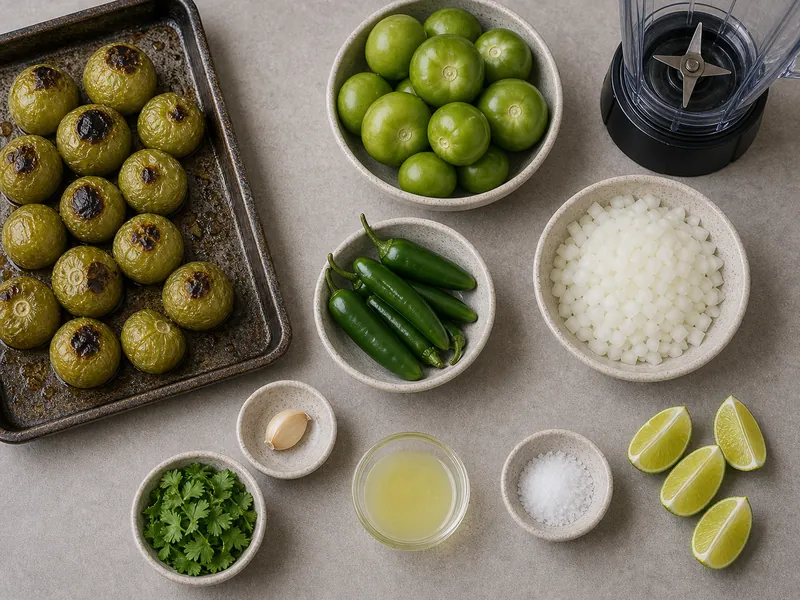
Tomatillos decide the whole salsa. Firm fruit that fills the husk gives the cleanest tartness, while soft or yellowing fruit tastes dull once blended.
Remove the papery husks and rinse until the sticky film is gone. That film is normal, but it can taste bitter and slightly soapy if it stays on the skin.
Raw tomatillos taste more like green apple than cooked tomato. That is why this salsa feels bright and thin instead of deep and sweet.
If the blend tastes too sour, add salt first. Salt makes the tomatillo taste more like food and less like straight acid.
Fresh Pepper Read
Choose jalapenos that feel heavy for their size. Thin, soft pods often taste watery in a raw salsa because there is no roasting step to concentrate them.
Corking lines on the skin are fine. They do not mean the pepper is bad, and they often show a mature pod with better snap.
If the jalapenos smell bell-pepper mild when cut, keep the ribs. If they smell sharp enough to catch your throat, scrape some ribs before blending.
Jalapeno Dose
Two fresh jalapenos give a medium table heat without burying the tomatillo. The medium-heat jalapeno profile fits this salsa because its grassy bite stays clear when raw.
Leave the ribs in when you want taco-truck heat. Scrape them out when the salsa is for a mixed table or for kids who still want the green flavor.
Raw jalapeno can feel hotter than cooked jalapeno because nothing rounds off the capsaicin. That is a different effect than a roasted verde or a simmered sauce.
Onion Bite
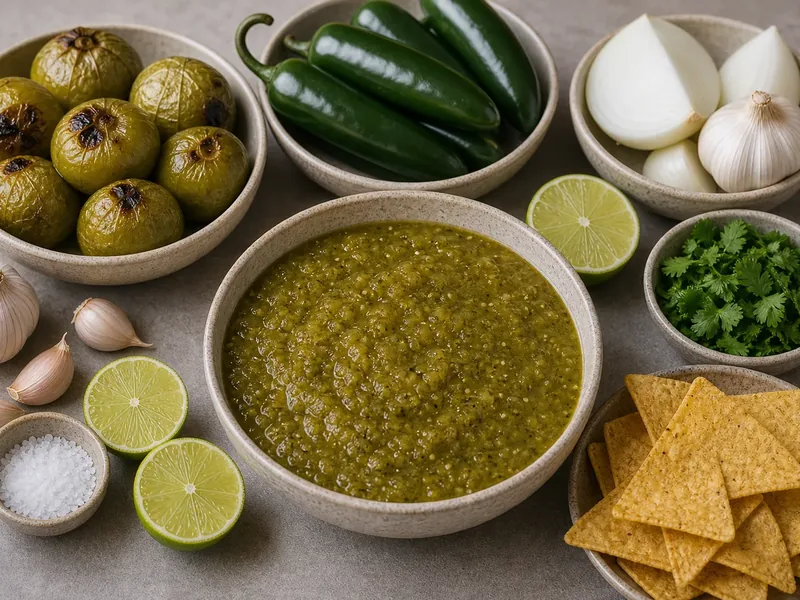
Raw white onion can take over a blender salsa. We soak the chopped onion in lime juice for five minutes before blending so the harsh edge drops without cooking the salsa.
Do not skip the onion altogether. A small amount gives the tomatillos body and keeps the salsa from tasting like green juice.
Blend Texture
Blend only until the salsa turns smooth but still looks flecked with green. Ten to fifteen seconds is usually enough in a standard blender.
Overblending makes the sauce pale and foamy. The flavor is still usable, but the texture looks weak on tacos.
- For tacos: blend smoother so it coats meat and beans.
- For chips: leave a little more pulp and chill it briefly.
- For grilled fish: add extra lime and keep it loose.
A stone-ground texture belongs to molcajete salsa verde, where the mortar is part of the result.
Salt and Lime
Salt controls more than saltiness here. It makes raw tomatillo taste less metallic and helps cilantro taste fresh instead of grassy.
Lime should sharpen the salsa after blending, not replace the tomatillo acid. Add the listed amount first, then wait two minutes before judging the bowl.
If the salsa tastes harsh, add a pinch of salt before adding more lime. More acid can make the same problem louder.
Capsaicin sits mostly in the jalapeno ribs, so heat fixes start with pepper prep, not the lime. The capsaicin guide explains why removing ribs changes heat more than removing loose seeds.
Water Control
Raw tomatillos release water after blending. That is normal, but a watery salsa can slide off tacos and pool under chips.
Rest the blended salsa for five minutes, then stir before judging thickness. If it still runs too thin, pulse in one extra firm tomatillo or a spoonful of chopped onion.
Do not add avocado just to thicken this recipe. Avocado makes a different salsa and shortens the fresh green flavor faster.
Where It Fits
This salsa is a finishing sauce. Spoon it over carne asada, scrambled eggs, potatoes, bean tacos, or fried cheese after the hot food is on the plate.
It also works beside tomato salsa because it cuts richer food instead of adding sweetness. For a red fresh salsa with jalapeno crunch, use jalapeno salsa instead.
Verde Boundaries
Do not treat every green salsa as the same recipe. This one is raw, jalapeno-led, and tart; a habanero salsa verde needs staged heat because one chinense pod changes the whole bowl.
If you want a cooked salsa for enchiladas, this is the wrong texture. Raw salsa verde breaks and tastes harsh when simmered for long.
Serving Temperature
Serve raw salsa verde cool, not ice cold. Straight-from-the-fridge salsa tastes sharper and can hide salt.
Ten minutes on the counter is enough for a small bowl. Stir once before serving so the water and pulp come back together.
For chips, chill it briefly so it feels crisp. For tacos, room-cool salsa spreads better over hot fillings.
Make-Ahead Limit
If you need to prep early, husk and rinse the tomatillos, chop the onion, and wash cilantro, but wait to blend. Whole prepped ingredients hold better than the finished salsa.
Salt pulls water from raw vegetables. That is useful right before serving, but it is why an overnight batch tastes thinner the next day.
For a party, blend a small backup batch halfway through service rather than making one large bowl in the morning.
Chill or Room Temp
Temperature changes how raw salsa reads. Cold salsa tastes sharper and thinner, while room-cool salsa tastes rounder and coats tacos better.
If the salsa is for chips, chill it for ten minutes. If it is for hot tacos, let it sit out briefly so the tomatillo does not shock the filling.
Do not warm this salsa in a pan. Heat turns the raw tomatillo flavor muddy and makes cilantro taste tired.
If the salsa needs to sit on a buffet, keep half in the fridge and refill the bowl instead of leaving the full batch out. Raw tomatillo and cilantro taste cleaner when they spend less time warm.
Stir before each refill. The watery layer tastes sharp by itself, while the pulp carries the chile and onion.
If the color matters for photos or guests, blend closer to serving. Raw green salsa darkens faster than roasted salsa.
Same-Day Storage
Raw salsa verde is best in the first two hours. The color starts bright, then turns darker as the tomatillos and cilantro oxidize.
Refrigerate leftovers in a covered container and stir before serving. Water separation is normal; sour smell, fizz, or slime is not.
The salsa can hold for two to three days, but it loses snap fast. Make a smaller batch if you need fresh flavor for one meal.
Chef's Tip
Soak the chopped onion in the lime juice for five minutes before blending. It takes the raw, harsh edge off without cooking anything.
Ingredients
-
1 lb tomatilloshusked and rinsed
-
2 jalapenosstemmed (seeded for milder)
-
1/4 white onionpeeled and chopped
-
1/2 cup fresh cilantroleaves and tender stems
-
2 tablespoons fresh lime juice
-
3/4 teaspoon kosher salt
Full Recipe Instructions
Husk the tomatillos…
Husk the tomatillos and rinse off the sticky film under warm water until they no longer feel tacky.
Soak the chopped…
Soak the chopped onion in the lime juice for 5 minutes to take off its raw edge.
Blend the raw…
Blend the raw tomatillos, jalapenos, onion with its lime, cilantro, and salt until smooth but still flecked green.
Taste and adjust…
Taste and adjust salt and lime, then serve right away or chill up to a few days, stirring before use.