
Jalapeno Salsa
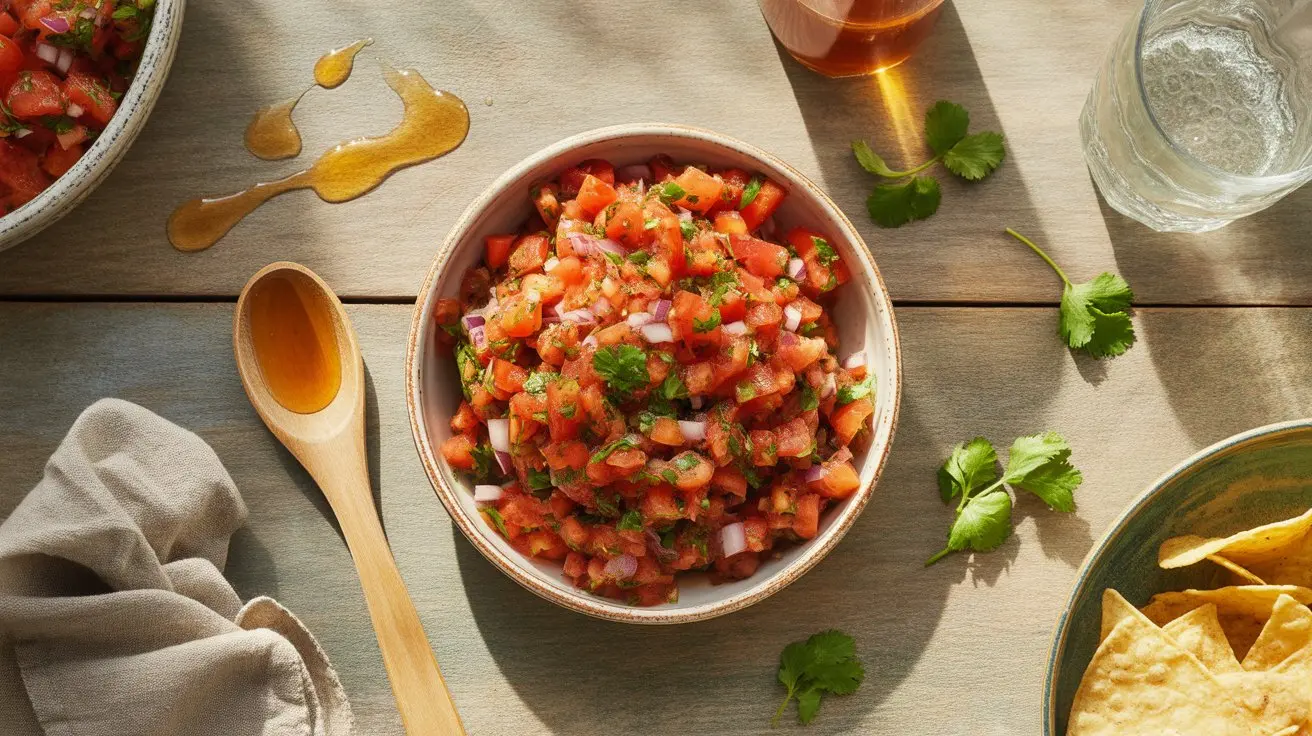
Jalapeno salsa should taste pepper-forward, with tomato used for body and the skillet deciding raw bite versus roasted depth. Char the jalapenos for a rounder bowl, pulse for texture, and season after a short rest.
Jalapeno salsa should taste like jalapeno first and tomato second. The skillet decides whether the bowl feels crisp and green or round and roasted.
Make this when you want a pepper-led red salsa for tacos, eggs, grilled meat, and chips. If the tomato is the star, use fresh tomato salsa instead.
Skillet Choice
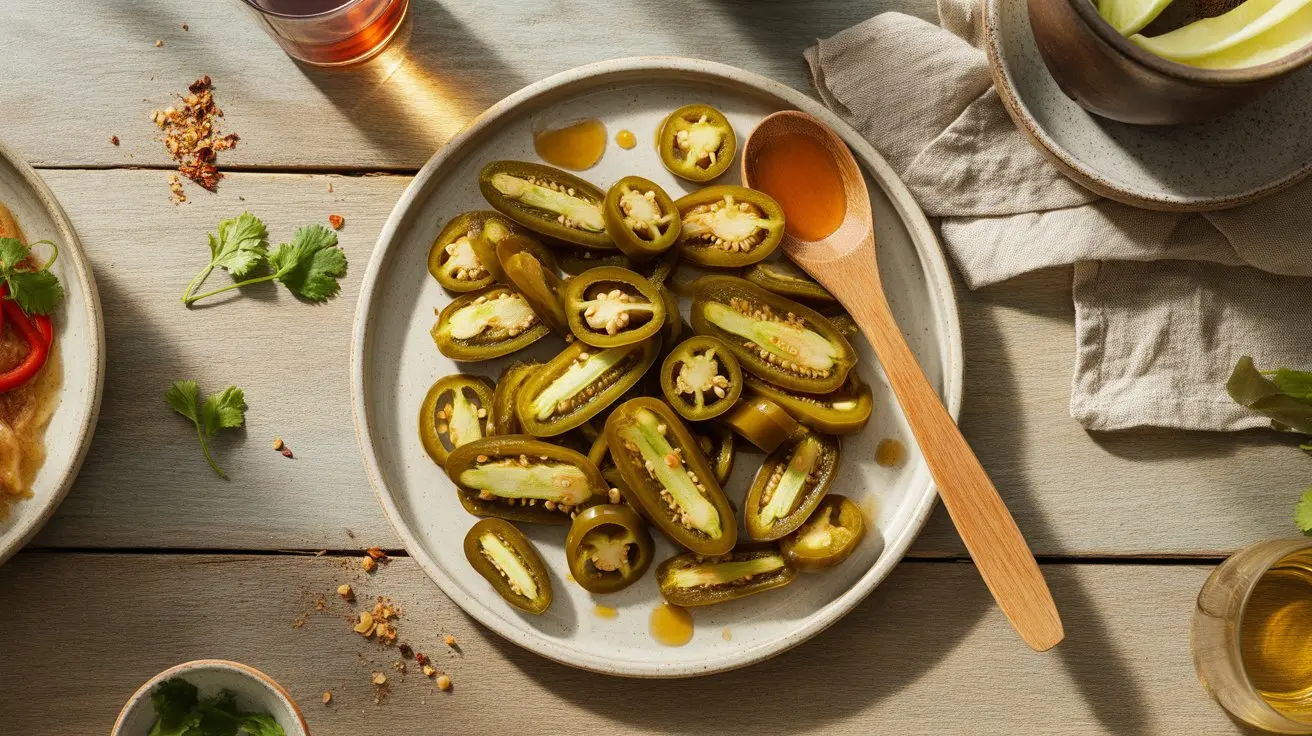
Raw jalapeno gives sharp green bite. Blistered jalapeno gives softer heat, darker aroma, and a thicker salsa.
Choose before you chop. Raw and roasted jalapeno do not behave the same once tomato and lime join the bowl.
For a mixed table, roast most of the jalapenos and keep a small raw piece aside. Stir the raw piece into half the salsa for people who want a fresher bite.
That split also helps with timing. Roasted jalapenos can wait a little, while raw jalapeno gets sharper as it sits.
This keeps the recipe separate from jalapeno salsa verde, where tomatillos lead the acid and color.
Meal Heat
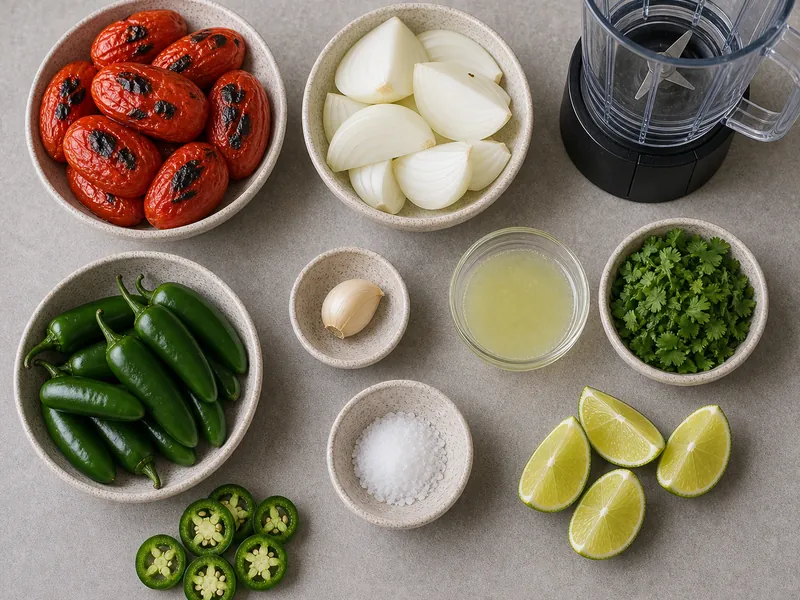
Pick the pepper amount by the meal, not by pride. Eggs and beans can handle more jalapeno than a delicate fish taco.
Large jalapenos are not always hotter than small ones. Taste a thin slice from the stem end before you decide how many ribs to keep.
For a mild bowl, remove some ribs and seeds after roasting. For a hotter bowl, leave the ribs and add one raw slice after blending.
Do the final heat adjustment after the salsa rests. Jalapeno heat spreads through tomato juice over time.
If you are using grocery-store jalapenos, plan for mild pods. Keep one extra pepper ready so you can add heat after the first taste.
If you are using garden jalapenos, start lower. Homegrown pods can be hotter when plants run dry or fruit matures longer.
If you need a different pepper, the jalapeno substitute guide is more useful than guessing from color. A fresh serrano changes heat; Anaheim changes body.
Tomato Body
Use Roma tomato when you want thicker salsa. Use a juicier tomato only when you plan to drain or simmer the bowl.
Tomato should give moisture, sweetness, and body. It should not push the jalapeno into the background.
If the salsa tastes watery, drain chopped tomato for a few minutes or simmer the blended salsa briefly. Do not add tomato paste unless you want a cooked sauce flavor.
If the tomato is very sweet, add lime slowly. Sweet tomato can make jalapeno taste softer than it is.
For a salsa where tomato and tomatillo share the lead, use roasted tomato tomatillo salsa. This recipe stays jalapeno-led.
Pulse Texture
Pulse instead of blending hard. Jalapeno salsa should keep small pieces so the pepper shows up in each bite.
Cut the onion smaller than the tomato before it enters the blender. Large onion chunks survive pulsing and make the salsa taste raw in random bites.
If you want a mortar texture, chop the roasted jalapeno first and crush it in stages. Molcajete salsa verde uses that hand-crushed logic more fully.
If the bowl turns foamy, stop blending and let it rest. Air makes the salsa look pale and taste thinner than it is.
A knife finish can rescue an overblended bowl. Fold in a little hand-chopped tomato, onion, or roasted jalapeno for texture.
For chips, leave the pieces smaller. For tacos, a chunkier cut gives each bite a clearer pepper moment.
Rest And Salt
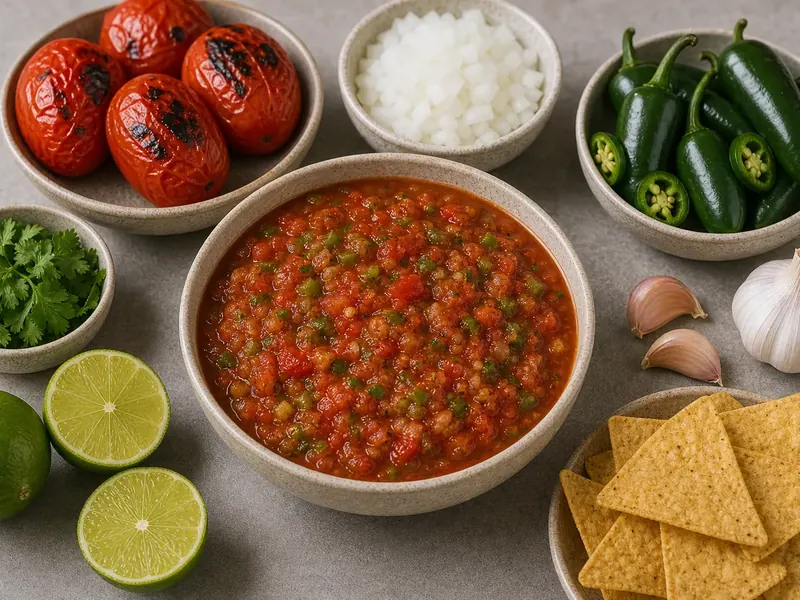
Salt the salsa, wait 10 minutes, then taste again. Jalapeno, onion, tomato, and lime release water at different speeds.
Lime should lift the jalapeno, not make the bowl taste sour. Add lime after the first rest so you do not overcorrect early.
If the salsa tastes hot but dull, add salt before adding more pepper. Salt makes green chile flavor clearer.
If it tastes flat and salty, add a small spoonful of tomato or onion instead of more lime. Acid will not fix a thin base.
Use a chip as the final test if chips are the serving plan. Use a tortilla or spoonful of beans if the salsa is for tacos or bowls.
Raw Or Roasted
Use raw jalapeno salsa for fried food, rich meat, or anything that needs a sharp edge. The green bite cuts fat well.
Use roasted jalapeno salsa for eggs, beans, quesadillas, and grilled chicken. The softer heat spreads better over warm food.
The same pepper can play both roles, so this recipe should not copy a simple pico de gallo pattern. The cooking choice changes the salsa.
If you want a fully raw tomato salsa, skip the skillet and keep the jalapeno amount lower. Raw chile gets louder without roasted tomato to soften it.
For comparison shopping, Anaheim and jalapeno show why a larger mild chile cannot simply replace the smaller green bite.
Taco Bar Hold
Keep jalapeno salsa cold for a long taco bar, but do not serve it ice-cold. Cold dulls the pepper and makes the onion seem sharper.
Use a wide spoon so people get pepper pieces and tomato in the same scoop. A narrow spoon pulls mostly liquid from the edges.
If the salsa throws a lot of juice after sitting, stir once and drain only the top liquid. Draining too hard removes salt and lime.
For a hotter table option, pair it with a tiny bowl of Thai chile salsa or compare the heat logic in jalapeno versus Thai chili. Do not turn the whole batch into a dare.
For buffet service, keep extra lime and salt nearby instead of adding them all at once. Long holding changes the water level.
Set the salsa over ice only for food-safety holding, not for flavor. Very cold salsa tastes less pepper-forward.
Leftover Use
Leftover jalapeno salsa is best within a day or two. Tomato keeps releasing water, and the raw onion gets stronger.
Use extra salsa in scrambled eggs, beans, rice, or a quick pan sauce. Warm food hides slight texture loss better than chips do.
If it smells fermented, looks slimy, or grows mold, throw it away. Fresh salsa is not a long-storage condiment.
For a green, tomatillo-led leftover plan, use jalapeno salsa verde instead. It holds its acid and color in the fridge more cleanly.
Cook leftover salsa for a minute if you want to use it in breakfast tacos the next day. The quick heat softens raw onion and brings the pepper back forward.
Do not blend leftovers again unless the texture has fully broken. A second blend makes the salsa watery and pale.
If you need to stretch leftovers, fold them into beans or rice instead of adding more tomato. Extra tomato weakens the jalapeno point.
Batch Size
For a small batch, use one skillet and one blender jar. Fewer tools keeps the salsa fast and helps you taste the jalapeno while it is still warm.
For a double batch, roast in two rounds. Crowding the skillet steams the peppers and removes the char decision that makes this salsa work.
Use separate bowls if one group wants raw bite and another wants roasted body. Splitting the batch works better than trying to make one salsa do both.
Label the bowls if both look similar. Roasted jalapeno heat feels slower, while raw jalapeno feels sharper right away.
Chef's Tip
Keep the texture coarse so this reads as skillet jalapeno salsa, not a thin green hot sauce.
Ingredients
-
3 medium jalapenosstemmed
-
1 large Roma tomato
-
1/4 white onion
-
1 garlic cloveunpeeled for roasting
-
2 tablespoons chopped cilantro
-
1 tablespoon fresh lime juice
-
3/4 teaspoon kosher salt
-
1 tablespoon wateronly if needed
Full Recipe Instructions
Char jalapenos in…
Char jalapenos in a dry skillet until blistered and softened, turning often.
Char the tomato,…
Char the tomato, onion, and unpeeled garlic until softened, then peel the garlic.
Pulse jalapenos, tomato,…
Pulse jalapenos, tomato, onion, garlic, lime juice, salt, and water only if needed until coarse.
Fold in cilantro…
Fold in cilantro by hand and rest 10 minutes.
Taste again for…
Taste again for salt and lime before serving.