
Scotch Bonnet Salsa
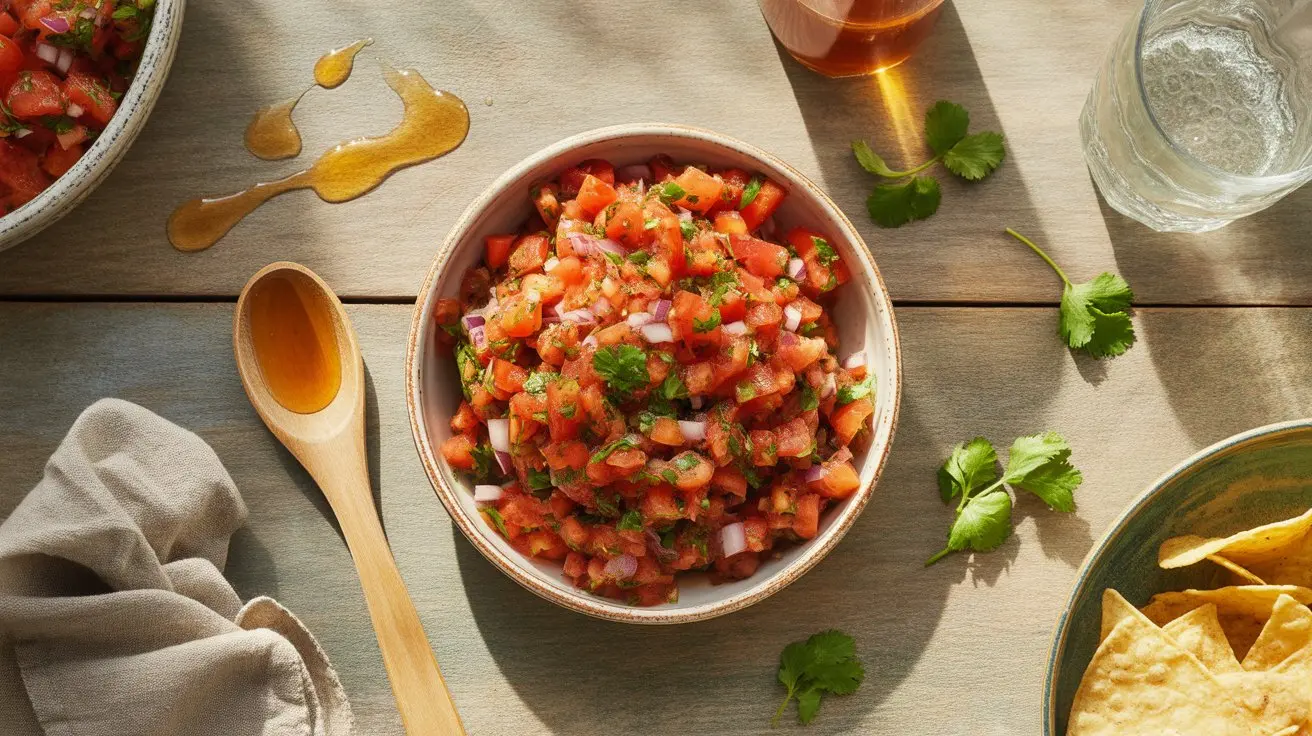
Scotch bonnet salsa is a fresh Caribbean-style salsa built around fruity C. chinense heat, lime, onion, tomato, and optional mango. It is brighter and chunkier than Scotch bonnet hot sauce, with clear controls for heat, fruit sweetness, and storage.
Scotch bonnet salsa should taste fresh first and hot second. This version keeps the pepper raw, cuts it small, and uses tomato, lime, onion, and optional tropical fruit to carry the chile instead of burying it.
The target is a bright bowl for jerk chicken, grilled fish, beans, and chips. It is not a cooked bottle sauce, and it should not taste like vinegar with pepper bits.
Fresh Heat First
The main decision is how much raw Scotch bonnet the bowl can carry. Scotch bonnet heat and fruit flavor usually sit in the extra-hot range, so a small dice changes the whole batch.
Use half a pod for a bowl people can snack on. Use one full pod when the salsa will sit beside fatty meat, coconut rice, or beans that can absorb the burn.
Yellow and orange pods often give the cleanest fruit note. Darker types, including chocolate Scotch bonnet peppers, can taste deeper and heavier, which works better with grilled pork than with chips.
That heat choice should match the serving pattern. A salsa for chips gets eaten in repeated scoops, while salsa for jerk chicken lands in smaller bites beside rice, fat, and char.
We keep the pepper raw because cooking pushes Scotch bonnet toward sauce territory. Raw flesh keeps the floral note close to the lime and tomato.
Pepper Prep
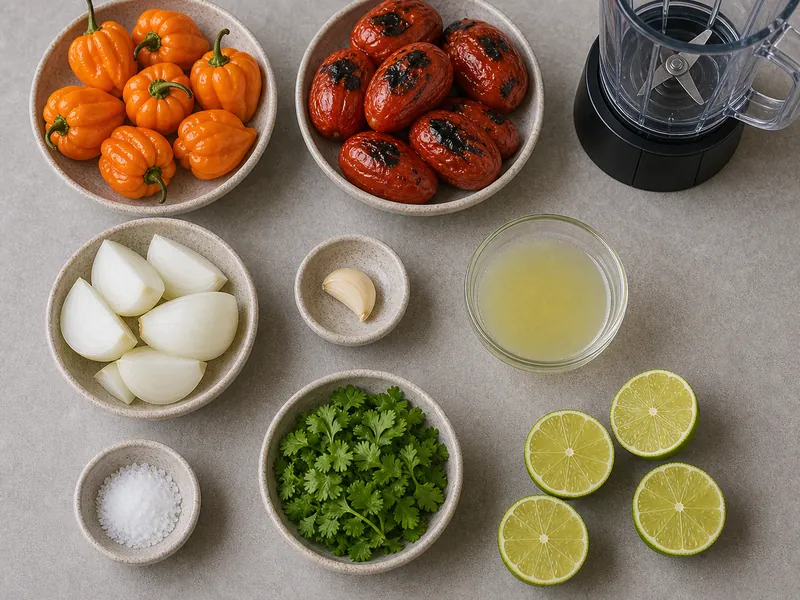
Wear gloves before cutting. The heat sits mostly in the pale ribs, not loose seeds, and the oil can stay on your fingers after washing.
For a mixed table, scrape the ribs from half the pod and mince the flesh very fine. Put extra minced pepper in a side dish so heat lovers can add it after the salsa rests.
- For chips: half a pod, ribs mostly removed.
- For grilled fish: one pod, fine dice, some ribs left in.
- For jerk chicken: one to two pods, with extra lime and salt.
If your hands start to burn, stop cooking and use our pepper burn cleanup method before touching your face or phone.
Use a separate knife pass for the pepper after the tomato and onion are already cut. That keeps pepper oil off the whole board and makes cleanup easier.
After mincing, press the pepper pile with the flat side of the knife. If the pieces are uneven, chop again before they go into the bowl.
Base and Fruit
Tomato gives juice, onion gives crunch, and lime keeps the pepper aroma clear. Roma tomatoes make a thicker salsa; juicy tomatoes make a looser bowl for spooning over rice.
Fruit is optional. Mango makes the salsa softer and rounder, while pineapple makes it sharper and better with pork.
Do not turn fruit into filler. One half cup is enough for a two-cup batch, or the bowl starts to taste like fruit salad with chile heat.
Cilantro belongs in the background. Too much can make the bowl taste green and soapy before the Scotch bonnet has room to show.
If the tomato is bland, add a tiny pinch of sugar to the tomato only, then taste before the fruit goes in. Sweet fruit and sweet tomato together can dull the pepper.
Mixing and Rest
Salt the tomato and onion before adding all the pepper. After 10 minutes, the tomato releases juice and the onion loses its hard bite.
Stir in the Scotch bonnet, lime, cilantro, and fruit after that short rest. This order keeps the pepper aroma bright instead of washed out.
Taste with the food you plan to serve, not from a spoon. A spoonful can feel harsher than the same salsa on fried plantains, fish, or beans.
The rest also shows whether the cut size is right. If the bowl gets hot in streaks, the pepper pieces are too large or not spread through the tomato juice.
Use a fork for mixing, not a spoon that crushes the tomato. Crushed tomato turns the salsa watery and hides the fresh cut texture.
Not Hot Sauce
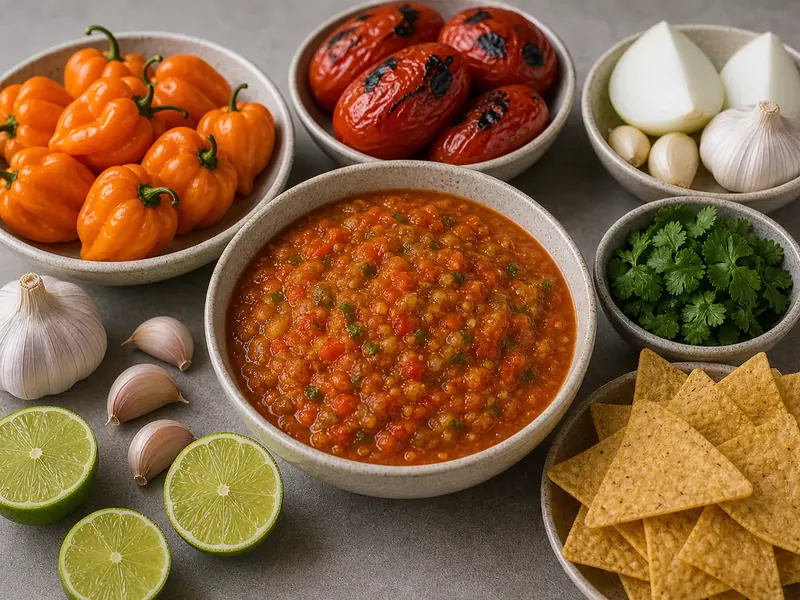
This page solves a fresh salsa problem. Scotch bonnet hot sauce cooks the pepper with vinegar and aromatics until it pours from a bottle.
Here the pieces should still be visible. If the bowl turns smooth and pourable, you made sauce, not salsa.
The closest pepper swap is habanero. It brings similar heat, but our Scotch bonnet and habanero comparison shows why Scotch bonnet tastes more rounded in Caribbean-style fresh bowls.
The vinegar line matters too. A splash of lime keeps salsa bright; enough vinegar to preserve or thin it changes the practical question into hot sauce.
If you need a pourable condiment for a bottle, blend and cook a sauce on purpose instead of trying to rescue a chopped salsa.
Fix the Bowl
If the salsa is too hot, add diced tomato first. Tomato lowers heat without making the flavor sweet.
If the heat tastes sharp but the bowl feels flat, add a pinch of salt and wait five minutes before adding more lime. Lime can make raw Scotch bonnet feel even sharper.
If it tastes too sweet, add onion and cilantro rather than more pepper. That restores crunch and green aroma without turning the bowl into a dare.
If the bowl tastes bitter, check the pepper pith and the lime. Too much white rib can read bitter, and too much lime makes the bitterness feel sharper.
If onion dominates, rinse the diced onion under cold water, drain well, and fold it back in. That keeps crunch while removing the raw sulfur bite.
Make Heat Shareable
A party bowl needs two heat paths. Keep the base salsa lively but not punishing, then serve a spoon of extra minced Scotch bonnet on the side.
This works better than making one very mild batch and one very hot batch. The mild bowl often loses the pepper aroma, while the side chile lets each person tune a real Scotch bonnet flavor.
For kids or heat-sensitive guests, use the same tomato, lime, onion, and fruit mix without pepper. Then add a little salsa juice from the hot bowl so the mild version still tastes connected.
Cut size changes both safety and flavor. Tiny pepper pieces spread heat through the tomato juice, while large pieces create sudden bites that feel hotter than the actual amount used.
Dice tomato a little larger than the pepper. The tomato then acts like a cooling bite around the chile instead of disappearing into liquid.
Salt timing matters because tomato keeps releasing juice. Salt too early and the salsa gets loose; salt too late and the pepper tastes separate from the bowl.
For transport, pack the juicy base and the minced pepper separately. Stir them together 10 to 15 minutes before serving so the fruit smell stays alive.
Serve and Store
Use this salsa the day you make it. The tomato softens overnight, and the raw pepper gets louder as the juices sit.
Keep leftovers covered in the refrigerator for up to two days. For a milder backup bowl, use habanero salsa verde or a hot pepper tier salsa instead of pushing Scotch bonnet lower than it wants to go.
Do not leave this salsa out through a long party. It is a fresh tomato and onion mixture, so keep a small serving bowl on the table and refill from the fridge.
For make-ahead work, chop tomato, onion, and fruit early, but hold the pepper, lime, salt, and cilantro until closer to serving.
Chef's Tip
Keep the dice small and even so the Scotch bonnet heat spreads through the bowl instead of landing in one harsh bite.
Ingredients
-
3 ripe Roma tomatoesfinely diced
-
1/2 to 1 Scotch bonnet pepperribs removed for milder salsa, minced
-
1/4 cup finely diced white or red onion
-
1/3 cup diced mango or pineappleoptional
-
1/4 cup chopped cilantro
-
2 tablespoons fresh lime juice
-
3/4 teaspoon kosher salt
-
1 small garlic clovegrated
Full Recipe Instructions
Mince the Scotch…
Mince the Scotch bonnet very finely, using gloves if needed, and remove the ribs for a milder salsa.
Combine diced tomato,…
Combine diced tomato, onion, optional fruit, cilantro, lime juice, salt, and grated garlic in a bowl.
Fold in half…
Fold in half of the minced Scotch bonnet, then rest the salsa for 10 minutes.
Taste a small…
Taste a small spoonful and add more Scotch bonnet only if the salsa needs more heat.
Adjust with extra…
Adjust with extra lime or salt, then serve fresh or chill briefly.