
Ghost Pepper Salsa
Ghost pepper salsa is a measured superhot condiment, not a casual tomato salsa upgrade. Build a mild tomato-lime base first, add ghost pepper in tiny amounts, use gloves and a separate board, and serve the finished salsa like a concentrate.
Ghost pepper salsa starts with a serving decision, not a pepper count. Decide who will eat it, how much they should take, and where the bowl will sit before you cut the chile.
Bhut jolokia can make a real salsa taste exciting, but it can also erase tomato, lime, onion, and cilantro. This recipe uses ghost pepper as a measured dose inside a mild base.
Serving Plan
Use a small bowl and a small spoon. Nobody should scoop ghost pepper salsa like mild pico de gallo.
Tell people what it is before they taste it. That sounds obvious, but it is part of the recipe with superhot food. A clear label protects guests and protects the meal.
If you need heat for a crowd, make a mild salsa and keep ghost pepper salsa on the side. That gives people control and keeps the main food edible.
Use a bright colored bowl or a label that cannot be missed. Clear containers look harmless in a fridge, and someone can mistake the salsa for a normal tomato batch.
Do not serve it near children or guests who did not ask for superhot food. The recipe works only when the warning is as clear as the flavor.
Place a mild salsa beside it. People can mix at the table, and nobody has to pretend the superhot version is normal.
Tiny Dose
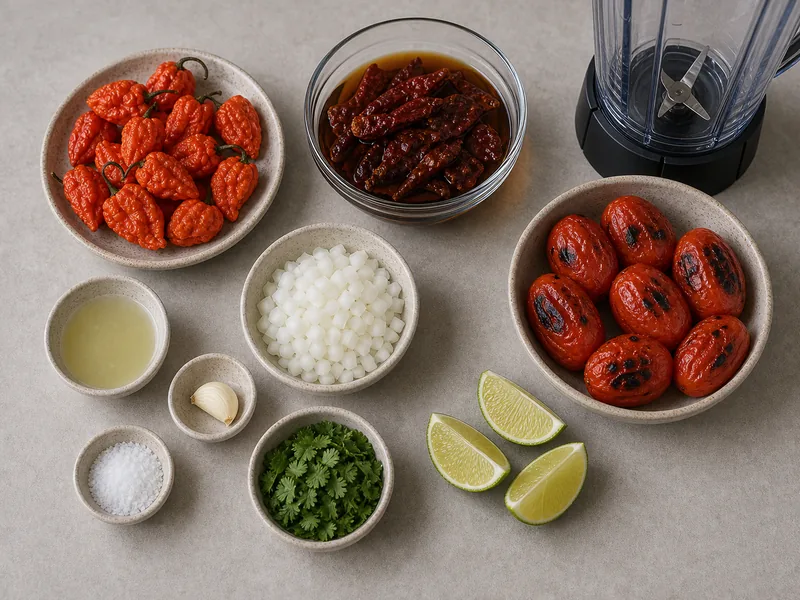
Start with a small piece of fresh ghost pepper, not a whole pod. The ghost pepper profile makes the reason clear: this pepper can sit far above common hot chiles on the heat scale.
Remove the stem and cut the pod on a separate board. Seeds are not the main heat source, but they carry hot tissue and can spread heat across the cutting surface.
Add a tiny piece to the blender, pulse, wait, and taste with food. Heat can bloom after the first bite. If you add more before the salsa rests, you can overshoot fast.
Dried ghost pepper is even easier to overuse because it looks small and harmless. Crumble less than you think you need, then give it time to hydrate in the tomato juice.
Frozen pods can work, but thaw them in a small dish and add any juice carefully. That liquid can carry heat, so do not pour it into the salsa without tasting the base first.
Powder is the hardest form to control. Tap a little onto a spoon away from the bowl, then add a pinch. Do not shake the jar over the salsa.
Use kitchen scissors for dried pods if a knife makes them skid. Cut over a plate so flakes do not scatter across the counter.
Base First
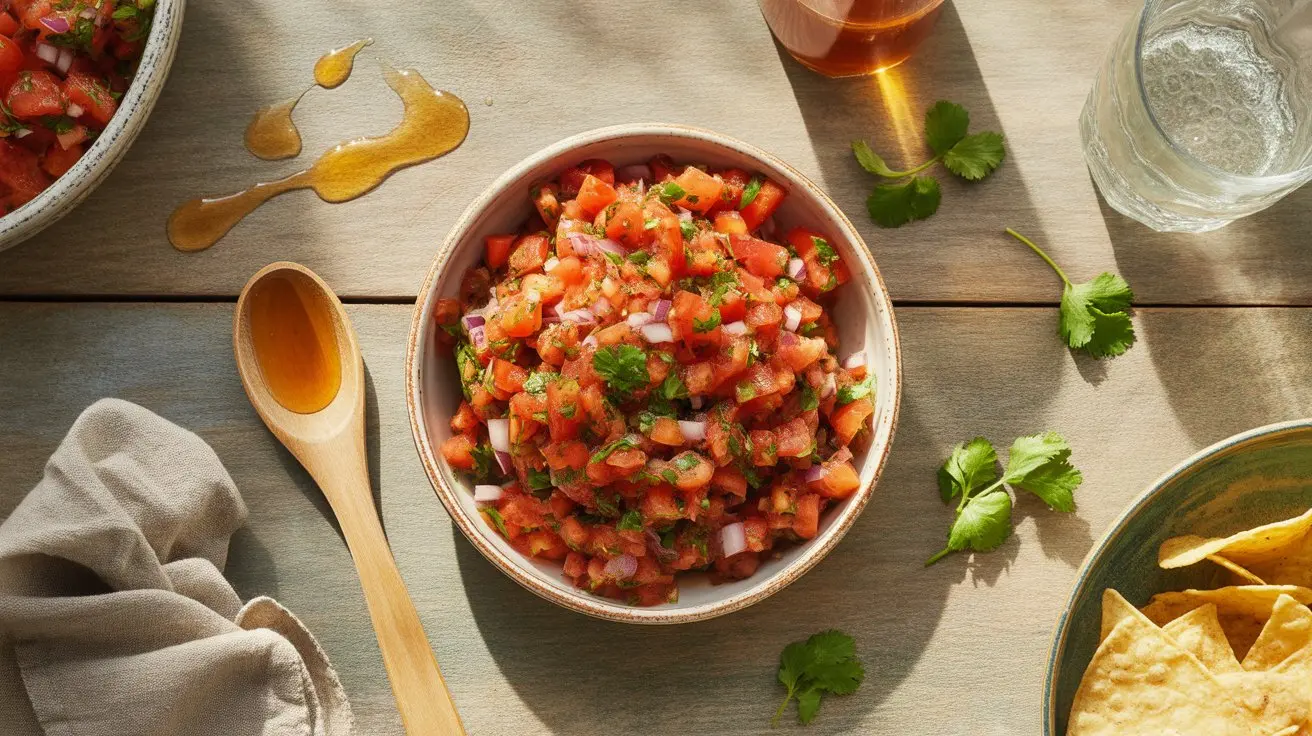
Make the salsa base first with tomato, onion, lime, cilantro, and salt. It should taste good before the ghost pepper enters the bowl.
Use ripe tomato or good canned tomato so the salsa has enough sweetness to carry the heat. Thin watery tomato makes the burn feel sharper because there is no body behind it.
Lime should brighten the base, not turn it sour. Salt should make the tomato taste fuller. Fix those two points before you add more chile.
This keeps the recipe different from ghost pepper oil, where fat carries the heat, and from habanero salsa verde, where tomatillo acidity leads.
Raw onion can make the burn feel sharper. If your onion is harsh, rinse it after chopping or use less. The salsa should taste dangerous because of the pepper, not because every ingredient bites.
Cilantro is optional, but it helps the salsa read as food instead of pure heat. Add it after the first blend so it stays fresh.
Cucumber is a useful side, not a blender ingredient. It cools bites at the table, while blended cucumber waters down the salsa.
Roasted tomato can work, but use it lightly. Too much roast flavor makes the heat feel heavier and hides the lime.
Safe Prep
Wear gloves, keep the cutting board separate, and wash the knife before it touches any other ingredient. Do not touch your face during prep.
If pepper oil gets on your skin, water will not solve it by itself. The pepper burn cleanup guide gives better steps because capsaicin clings to skin and fat.
Open a window if you warm dried ghost pepper or blend a strong batch. Airborne chile can irritate eyes and throat. You do not need to roast ghost pepper to make this salsa work.
Wash the cutting board with hot soapy water, then wash it again. Superhot residue can survive a quick rinse and move into fruit, bread, or a mild salsa later.
Use a disposable towel for the first wipe if the board is very oily with chile. That keeps the sponge from becoming the next thing that spreads heat.
Wash your hands after removing gloves. Gloves can tear, and capsaicin can sit near the wrist where you do not notice it right away.
Heat Fixes
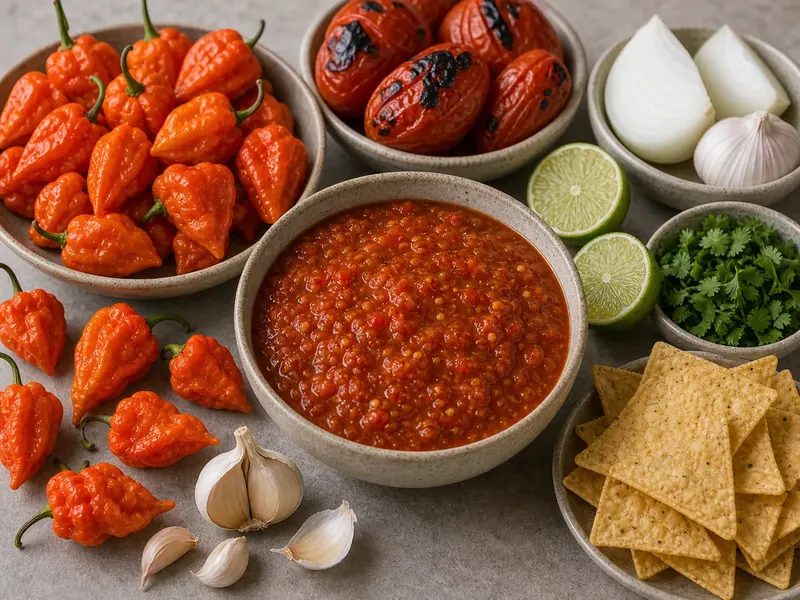
If the salsa is too hot, make more tomato-lime base and fold the hot batch into it one spoon at a time. Dilution works better than trying to hide the burn with sugar.
If it tastes harsh but not too hot, add salt first. Then add a little more tomato. Fat can soften the bite on the plate, but avocado or sour cream changes the salsa into a different condiment.
Do not swap ghost pepper directly for habanero without changing the dose. The ghost pepper and habanero comparison shows why a one-for-one swap can wreck the bowl.
If you want big chile flavor without superhot risk, use a different recipe. Habanero BBQ sauce gives fruit heat with sugar and smoke to buffer the burn.
Label Leftovers
Serve ghost pepper salsa in drops or thin streaks on tacos, grilled meat, beans, or rice. Let the food carry it. Do not use it as the main scoop unless everyone at the table wants that level of heat.
Label leftovers with the pepper name and date. Store the jar in the fridge and use a clean spoon each time.
Superhot salsa can still spoil. If it smells wrong, bubbles hard, grows mold, or changes texture, follow the same discard rule used for other fresh condiments and the storage warnings in hot sauce spoilage guidance.
For people growing their own pods, the ghost pepper growing guide can help plan harvest size. For cooking, harvest size matters because one plant can produce far more heat than one kitchen needs.
Extra Pods
If you freeze extra pods, portion them one at a time. A bag of loose superhots leads to guesses later, and guessing is how a mild salsa becomes unusable.
Do not send leftovers home without a label. A jar of red salsa in someone else's fridge needs the pepper name, not just the date.
If a batch is still too hot after dilution, stop repairing it as salsa. Use tiny amounts in chili, beans, or marinade where the heat can spread through more food.
Do not chase pride at the table. The best ghost pepper salsa still tastes like tomato and lime after the heat arrives.
When the burn is all you can notice, the pepper dose beat the recipe. Make the next batch smaller and build up by teaspoons.
Chef's Tip
Start with one quarter ghost pepper for a mixed table. Add more after resting, not before.
Ingredients
-
4 ripe Roma tomatoescored and chopped
-
1/4 white onionfinely chopped and rinsed if sharp
-
1/4 to 1/2 fresh ghost pepperribs trimmed, minced with gloves
-
1/2 cup cilantro leaves and tender stems
-
2 tablespoons fresh lime juice
-
3/4 teaspoon kosher saltplus more to taste
-
1 small garlic clovegrated
-
1 tablespoon wateronly if needed
Full Recipe Instructions
Put on gloves,…
Put on gloves, trim the ghost pepper piece, and mince it very finely on a dedicated cutting board.
Pulse the tomatoes,…
Pulse the tomatoes, onion, cilantro, lime juice, salt, garlic, and one quarter of the minced ghost pepper until chunky.
Rest the salsa…
Rest the salsa for 10 minutes so salt dissolves and the pepper heat spreads through the juices.
Taste a tiny…
Taste a tiny spoonful, then add more minced ghost pepper only if the batch needs more heat.
Adjust with salt…
Adjust with salt or lime, adding water only if the salsa is too thick for dipping.