
Honey Chipotle Bbq Sauce
This smoky-sweet barbecue glaze is built around chipotle, tomato, vinegar, and late honey balance. The method keeps smoke measured, prevents honey from scorching, and gives separate paths for grilling, oven cooking, dips, and mild-table adjustments.
This sauce is a smoky-sweet glaze, so smoke level comes before sweetness. We measure chipotle first, use honey for shine and cling, and brush the sauce late so it does not burn before the food is ready.
It should taste like tomato, vinegar, chipotle, and honey in balance. If honey leads from the first spoonful, the sauce will scorch faster on the grill and taste flat at the table.
Use the chile flesh and a little adobo sauce, not the whole can. Too much adobo can make the sauce taste like canned tomato and vinegar instead of barbecue.
Mince the chipotles before they enter the pot if you are not blending. Whole pieces tend to hide in the sauce and create sudden smoky bites.
If the chipotles are very large, start with one and a half. Cans vary, and two oversized peppers can overpower the honey.
Chipotle Form
Canned chipotles in adobo give smoke, chile flesh, vinegar, and a little tomato sweetness. They are the right choice for a quick BBQ sauce because they blend into the base without soaking.
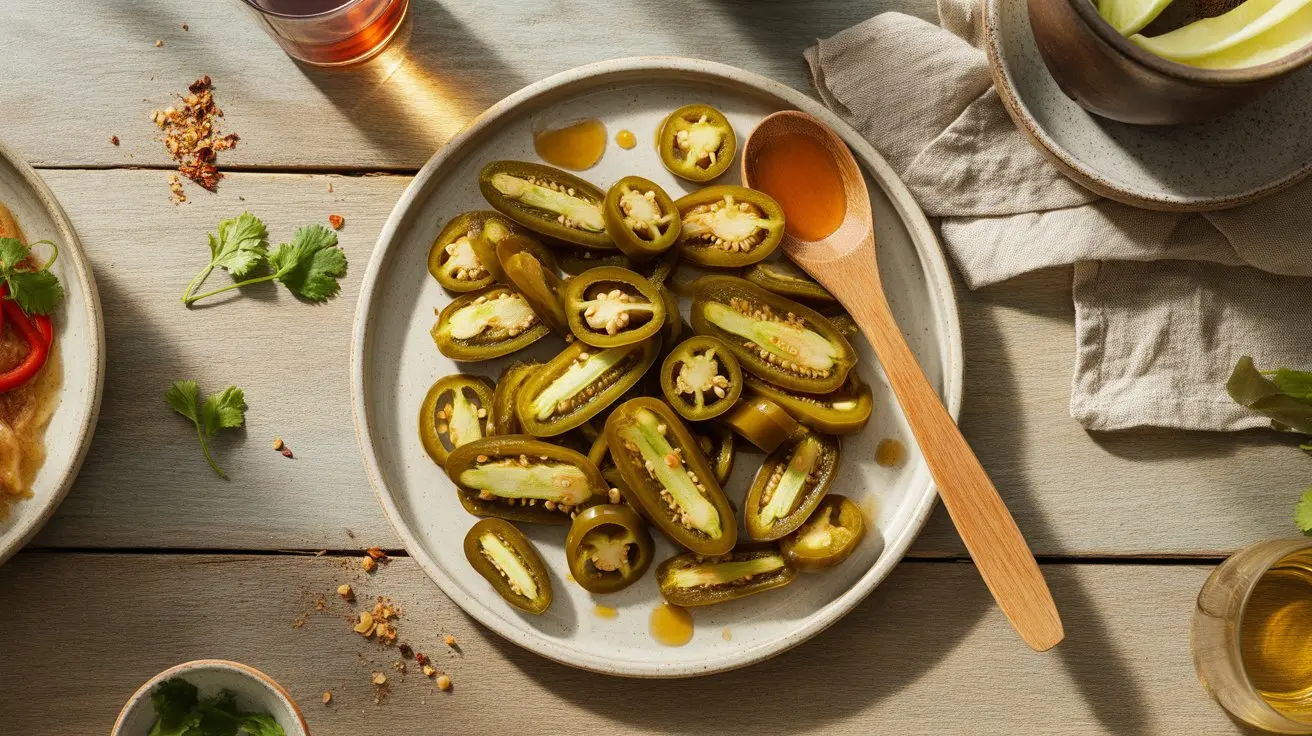
Chipotle is smoke-dried ripe jalapeno, tied to the jalapeno heat band of about 2,500 to 8,000 SHU in New Mexico State University Chile Pepper Institute references. The smoke makes it taste bigger than the number suggests.
Two canned chipotles make a medium smoky sauce. One chipotle plus extra adobo makes a milder table version. Three chipotles push the sauce toward a chile-head glaze.
If you want dried-pod flavor rather than canned adobo, make chipotle hot sauce instead of forcing this glaze to do both jobs.
Different honey changes the sauce. Clover honey keeps the flavor cleaner, while darker wildflower honey can make the sauce taste deeper but less chipotle-forward.
Add honey after the tomato base has simmered briefly. That keeps the honey from spending too much time on the bottom of the pot.
If you need a less sweet sauce, reduce honey by a tablespoon and add a little water for brushability. Do not replace all the honey with sugar, because sugar does not give the same shine.
Honey Texture
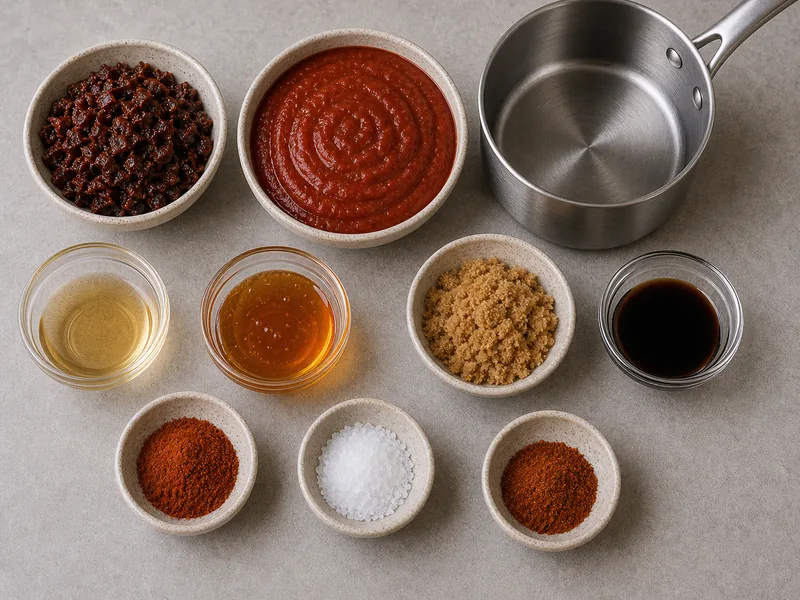
Honey gives shine and cling, but it should not be the main flavor. Tomato sauce, tomato paste, cider vinegar, mustard, and cumin need to taste complete before the honey rounds them.
Because honey scorches, the sauce should be cooked gently and brushed late. Direct heat turns a good glaze bitter before chicken skin or ribs finish cooking.
If the sauce is for dipping, a little extra honey is fine. If it is for grilling, keep the honey measured and let the final brush provide the shine.
USDA FoodData Central is useful context: honey and tomato products carry most of the calories here, while chipotle provides flavor in small amounts.
Tomato paste needs a few minutes to lose its raw edge. If the sauce tastes metallic, it likely needs more gentle simmering before the honey balance is judged.
Mustard is a quiet stabilizer in the flavor. It keeps the sauce from becoming only sweet tomato and smoke.
If you blend, vent the blender lid carefully and cover it with a towel. Hot tomato sauces expand fast.
Glossy Simmer
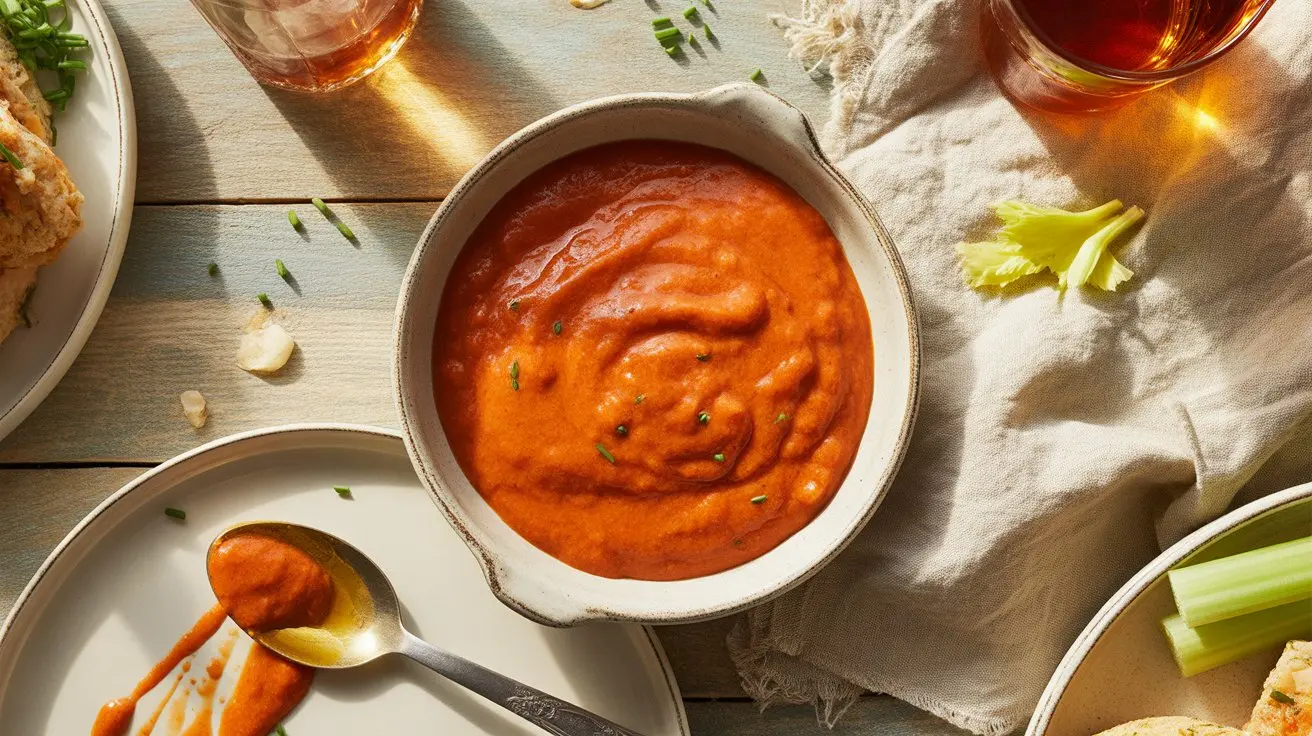
A glossy sauce looks smooth and moves slowly from a spoon. It should not mound like ketchup.
Simmer gently so tomato paste loses its raw edge and chipotle softens into the sauce. Hard boiling makes the bottom sticky and can make honey taste burnt.
Water is there to control the simmer. Add more only if the sauce tightens before the chipotle has blended into the tomato base.
Blend only if you want a smooth glaze. A minced-chipotle texture is better for a table sauce because small bits of chile make the smoke easier to read.
BBQ Sauce Split
Ancho BBQ sauce should taste darker, milder, and more raisin-like. This sauce should taste smoky and glossy.
Habanero BBQ sauce should use fruit and high heat. Honey chipotle belongs with smoke, tomato, and late sweetness.
Chipotle peppers in adobo sauce can support this recipe, but they are not the same final product. Adobo is an ingredient; this is a brushable barbecue sauce.
On ribs, brush a thin layer, let it tack up, then brush again. Two light layers taste cleaner than one heavy coat.
On chicken, wait until the skin has rendered or the surface has browned. Sauce applied too early traps moisture and burns at the edges.
For oven meatballs or tofu, toss after baking. The sauce clings better when the surface is already dry.
Cooking Timing
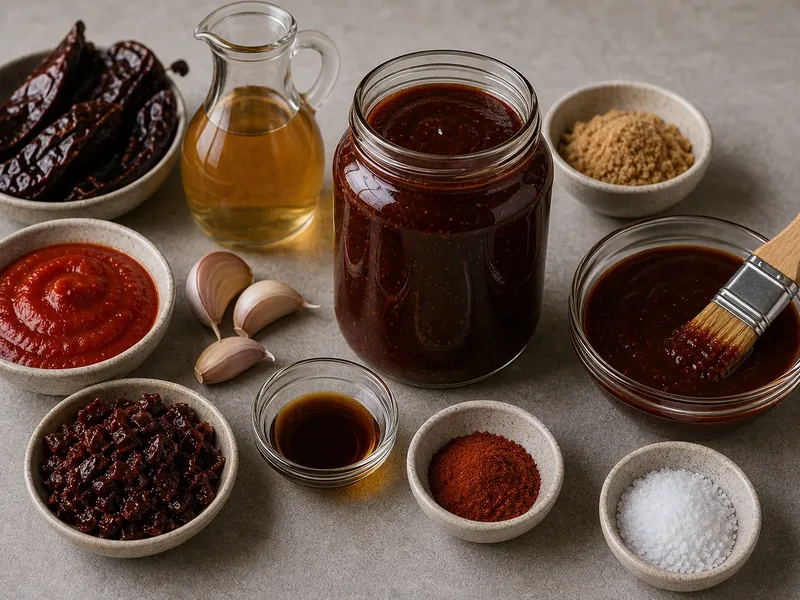
On the grill, brush during the last 5 to 8 minutes. Turn often and move the food away from direct flame if the sauce darkens too fast.
In the oven, brush near the end of roasting or broiling. A final high-heat minute can set the glaze, but watch it closely.
For a table sauce, loosen with warm water and a teaspoon of vinegar. A table sauce should pour; a grill glaze should cling.
For wings, toss after cooking instead of brushing from the start. The sauce coats better and avoids burnt honey.
Heat Tuning
Mixed tables need two heat options. We keep the main batch smoky and moderate, then make a hotter side cup with minced chipotle stirred into finished sauce.
Adobo sauce is useful because it adds smoke, vinegar, and color without as much chile flesh. Start there for mild eaters before adding a second chopped chipotle.
- Too smoky: add tomato sauce and a little honey, then sharpen with vinegar after the smoke settles.
- Too sweet: use mustard first. Vinegar is stronger, but it can thin the sauce fast.
- Flat on grilled food: check the meat or vegetables for salt before changing the sauce.
- Too thick after chilling: loosen with warm water, then decide whether acid is still needed.
Honey-thickened sauce scorches faster than vinegar-led sauce, so the heat changes more during cooking than it does in a vinegar-led pepper sauce. Reheat it over low heat, especially if it has been frozen in small portions.
Use thickness by job. Ribs need brushable layers, burgers need a thicker spread above the patty, and pulled chicken needs a looser sauce that mixes through the meat.
For smoked meat, reduce the chipotle. Smoke from the cooker and smoke from the sauce can stack into bitterness even when the spoon test seems fine.
Glaze Or Dip
Honey chipotle sauce changes job depending on thickness. The same batch can glaze ribs, dress pulled chicken, or turn into a smoky dip, but each job needs a different final looseness.
- Glaze: keep it thick enough to brush in thin layers without running into the fire.
- Pulled chicken: loosen with warm water so it coats meat instead of sitting in sweet streaks.
- Dip: cool the sauce first, then whisk in mayo or sour cream in a separate bowl.
- Vegetables: add sauce after browning so sugar does not trap steam on the edges.
The chipotle can come from chopped peppers, adobo sauce, or both. Chopped pepper brings texture and heat; adobo sauce brings vinegar, smoke, and color.
That distinction keeps the page from becoming generic BBQ sauce. The reader is choosing how chipotle shows up, not just making a sweet red sauce with chile in it.
Chipotle cans vary more than most people expect. Some adobo tastes sweet, some tastes vinegary, and some is mostly smoke, so we taste the sauce from the can before deciding how much vinegar belongs in the pot.
- Smoky can: use less chopped chipotle and let honey round the edge.
- Sweet can: reduce added sugar before increasing vinegar.
- Vinegary can: hold back cider vinegar until the simmered sauce is warm and cohesive.
- Thin adobo: add tomato paste instead of simmering until the honey gets sticky.
That can check is the difference between a honey-chipotle sauce and a generic red BBQ sauce with smoke added late.
Freezing works best in shallow portions. Thick honey sauce thaws unevenly in deep jars, and the first watery edge can make the sauce seem broken before it is fully warm.
Label portions by job when you freeze them. A glaze portion should stay thick, while a pulled-chicken portion can be loosened after reheating.
We do the last heat check on the food that will carry the sauce. A spoon makes honey taste louder, while grilled chicken or beans show whether chipotle still cuts through.
Cookout Storage
For a cleaner next-day sauce, reheat only what you need. Repeated warming makes honey taste heavier and pushes chipotle smoke toward bitterness.
This is a refrigerator or freezer sauce, not a shelf-stable canned sauce. The National Center for Home Food Preservation is the right source for tested canning, and this formula is not written for pantry storage.
Cool the sauce, refrigerate it in a clean jar, and use it within about 2 weeks. Freeze small portions if you want cookout-sized servings ready later.
The sauce thickens when cold. Warm it gently and add water by the teaspoon before brushing.
If it tastes flat after freezing, add a small splash of cider vinegar after thawing. Acid wakes up tomato and smoke better than extra honey does.
Chef's Tip
Brush honey chipotle BBQ sauce late. Honey burns faster than the chipotle flavor develops.
Ingredients
-
1 cup tomato sauce
-
2 tablespoons tomato paste
-
2 canned chipotles in adobominced
-
1/4 cup honey
-
1/4 cup apple cider vinegar
-
1 tablespoon Dijon or yellow mustard
-
1 garlic clovegrated
-
1 teaspoon kosher salt
-
1/2 teaspoon ground cumin
-
1/4 cup waterplus more as needed
Full Recipe Instructions
Combine tomato sauce,…
Combine tomato sauce, tomato paste, chipotles, honey, vinegar, mustard, garlic, salt, cumin, and water in a saucepan.
Simmer gently for…
Simmer gently for 15 to 18 minutes, stirring often, until glossy and spoon-coating.
Blend smooth if…
Blend smooth if you want a polished sauce, or leave slightly textured.
Adjust with vinegar,…
Adjust with vinegar, salt, honey, or water depending on balance.
Cool and refrigerate,…
Cool and refrigerate, or brush onto food late in cooking.