
Guajillo Salsa
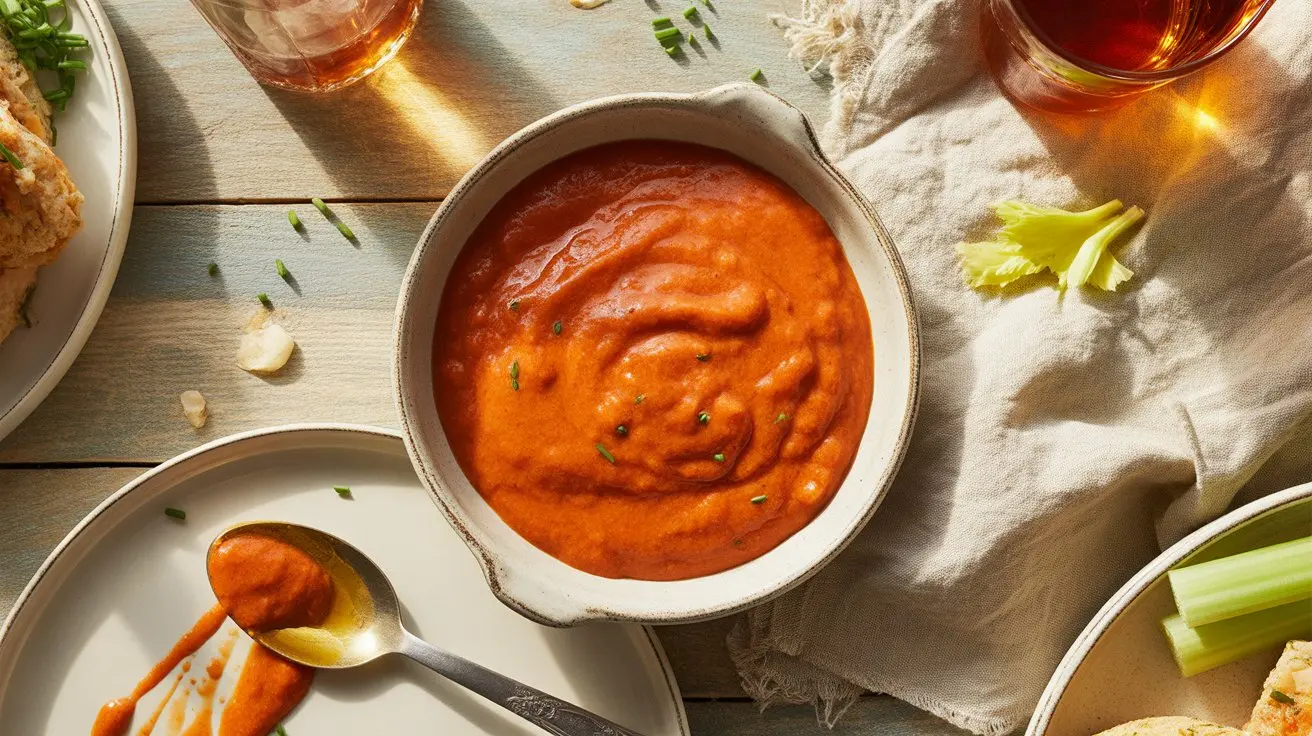
Toasted guajillo salsa should pour smooth and taste bright red, with mild dried-chile fruit, a brief toast, a controlled soak, and acid added after simmering.
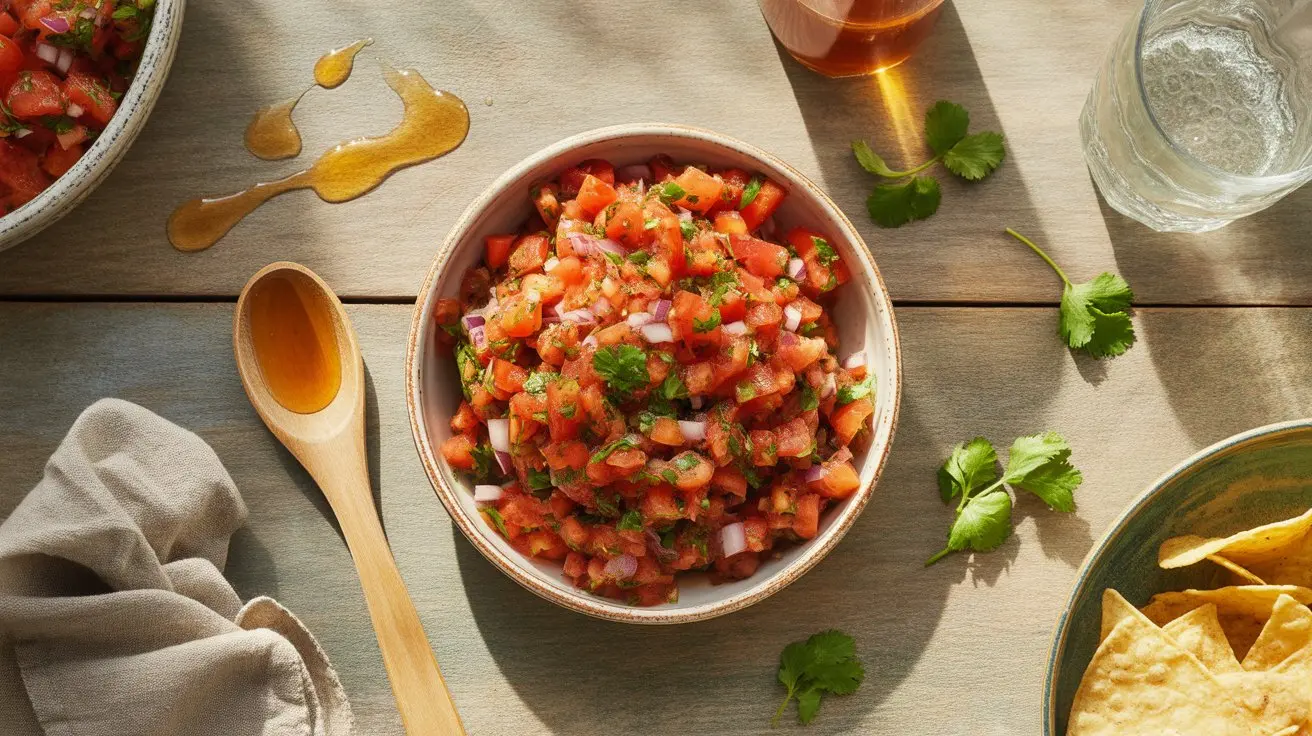
This dried-chile table salsa should taste bright red, lightly tannic, and smooth enough to pour. The trick is brief toasting, a controlled soak, and just enough tomato to carry the dried chile.
This is the mild guajillo role. It should not taste as dark as pasilla chile salsa or as sharp as chile de arbol salsa.
Pod Check
Good dried guajillo substitute bends before it cracks. The skin should look brick red and glossy, not dusty brown.
Guajillo usually lands around 2,500 to 5,000 Scoville heat units according to the New Mexico State University Chile Pepper Institute, which makes it a mild dried-chile base for table salsa.
Old pods can still color the blender, but they taste flat. If the bag smells like cardboard, use the pods for a long braise rather than a clean salsa.
Stem and seed the pods before they touch the pan. Loose seeds can toast faster than the flesh and add a dry, woody edge.
Wipe dusty pods with a barely damp towel. Rinsing them under water before toasting makes them steam instead of toast.
If a pod is torn into small pieces, toast it in batches or use lower heat. Small pieces scorch before large panels become aromatic.
Short Toast
Toasting wakes the aroma. It is not a browning step.
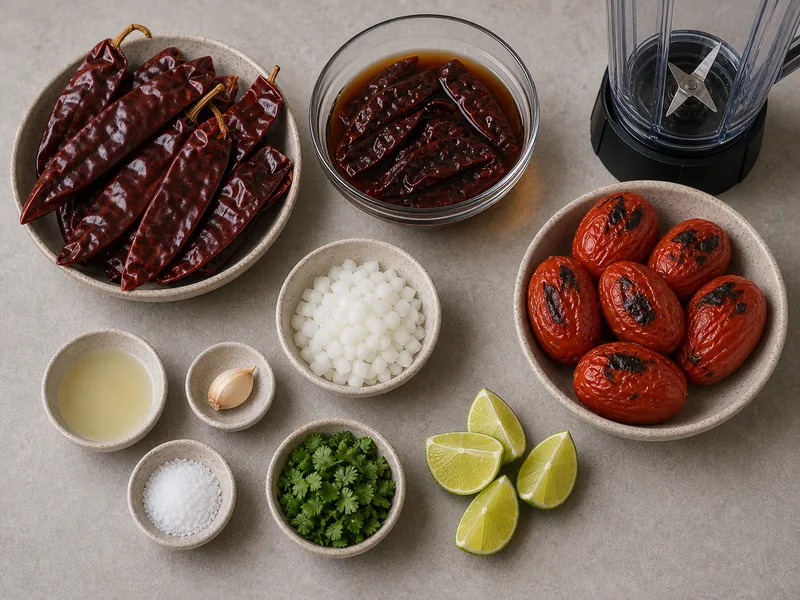
Press each opened chile against a dry skillet for 10 to 20 seconds per side. Pull it as soon as it smells warm and fruity.
Black patches are not depth; they are bitterness. One burnt pod can mark the whole batch.
Tomatoes can take roast marks if you want sweetness. Guajillo skin cannot take that same treatment.
A dry skillet should already be warm when the chile goes in. Starting in a cold pan makes it harder to tell when the aroma wakes up.
Use tongs and keep the chile moving. Pressing is useful, but holding one spot too long creates bitter patches.
If one piece burns, remove it from the recipe. Do not blend burnt chile with good chile and hope tomato will cover it.
Flexible Soak
Hot water softens the skin so the blender can work. Fifteen minutes is usually enough.
Test one piece by folding it. If it bends without snapping, it is ready.
Taste the soaking water before adding it to the blender. Good soaking liquid tastes like mild chile tea; bad soaking liquid tastes bitter and dusty.
For broader dried-chile handling, rehydrate dried peppers covers the same timing problem in more detail.
Use hot water, not boiling water, for the soak. Boiling water can pull harsh flavors from old skins faster than the flesh softens.
Fresh water is often better than soaking liquid for the blender. Use soaking liquid only if it tastes clean.
If you are making the salsa for enchiladas, keep some soaking liquid nearby. It can loosen the sauce without adding more tomato.
Tomato Support
Roma tomatoes give body without flooding the salsa. Too much tomato turns the sauce into red tomato salsa with guajillo color.
Onion and garlic stay small for the same reason. A quarter onion and one clove are enough for two cups.
If the salsa tastes hollow after blending, add salt first. If it still feels dull on a tortilla chip, add acid after the simmer.
- More tomato: softer, sweeter salsa.
- More guajillo: deeper red color and light tannin.
- More onion: sharper raw edge unless simmered longer.
- More acid: brighter finish, best added off heat.
Texture By Use
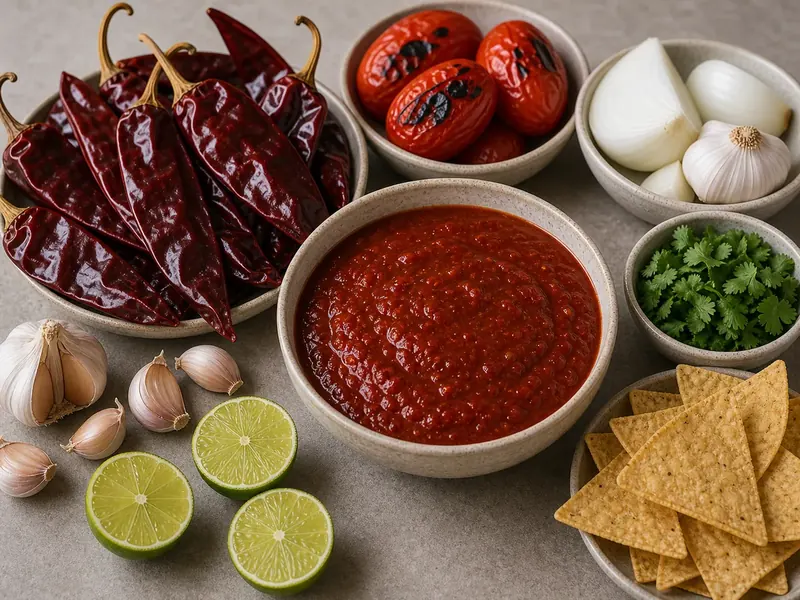
For tacos, the salsa should run into the filling without flooding the tortilla. That usually means a short simmer after blending and no extra water at the end.
For chips, slightly thicker is better. The salsa should sit on the chip long enough for the dried chile flavor to register before it drips.
For enchiladas, keep it looser and smoother. A strained sauce spreads better and does not tear tortillas as easily.
For eggs or beans, either texture works, but salt becomes more important. Mild guajillo can taste flat on starch unless the seasoning is clear.
Strain only when the skins ask for it
Fresh, pliable pods may blend smooth. Older pods often leave tiny skin curls that feel gritty.
Run a spoonful across your tongue before deciding. If it feels leathery, strain through a medium sieve and simmer the strained sauce for a few minutes.
Do not strain for looks alone. A little speckling is fine if the mouthfeel is smooth.
Roasted tomato gives a sweeter salsa, while raw tomato simmered in the blend gives a cleaner chile flavor. Both are valid, but they should be chosen on purpose.
For chips, we prefer a little more tomato body. For tacos, we keep the guajillo clearer and use less tomato so the sauce does not taste like soup.
Cilantro belongs at the end if you use it. Simmered cilantro tastes dull and can distract from the dried chile.
Bright Middle
Guajillo sits between nutty cascabel recipe and darker pasilla. Cascabel chile salsa should feel rounder, while guajillo should feel cleaner and more tangy.
If you need more heat, add one de arbol chile to the blender. Do not replace the guajillo base, or the salsa loses its red fruit character.
For enchiladas or braised meat, leave cilantro out and keep the sauce looser. For chips, simmer thicker and finish with a sharper lime edge.
Finish the dried-chile body after the simmer
A gentle 5 to 8 minute simmer cooks out raw onion and lets dried chile solids absorb liquid. Longer simmering can make guajillo taste heavy instead of fruity.
Add lime juice or cider vinegar after the pan comes off heat. Warm acid tastes sharper than cooled acid, so give the salsa a short rest before the final check.
- Thin but flavorful: simmer uncovered for a few minutes.
- Pale and weak: add another toasted and soaked pod instead of reducing forever.
- Tomato took over: correct with chile body, not more salt.
- Muddy finish: old pods, burnt skins, or too much onion are more likely than low acid.
USDA FoodData Central gives the right texture frame: peppers and tomatoes are low-fat produce, so thickness comes from concentration and chile pulp, not oil.
Guajillo works well with fatty food. Carnitas, refried beans, eggs, and roasted mushrooms make its mild tannin taste fuller.
For a salsa flight, place it between a nutty salsa and a hot salsa. The order helps people taste guajillo as mild dried fruit, not merely as a less spicy red sauce.
Use guajillo mildness as a placement tool
Guajillo is not trying to be the hottest red salsa on the table. Its value is mild dried-fruit flavor, clear color, and enough tannin to work with rich food.
- Carnitas: keep the salsa a little brighter so fat does not mute the chile.
- Eggs: leave it thicker and slightly saltier.
- Seafood: thin it and keep acid clearer so simmered tomato does not feel heavy.
- Salsa flight: place it between cascabel and chile de arbol so the mild middle role is obvious.
Do not burn guajillo to get smoke. If the pantry is missing guajillo, the pasilla substitute decision changes body and color before it changes heat. Char tomato or a small piece of onion instead, then blend it with the soaked chile.
That choice keeps the dried-chile core clean. Burnt skins turn the salsa brown and bitter before they make it more complex.
Good guajillo pods are smooth, flexible, and brick-red. Old pods look dull and crackly, and they often need more tomato just to taste acceptable.
Toasting should smell warm and fruity, not smoky. Once the skin darkens hard, bitterness is already in the salsa.
- Flexible after soaking: the chile is ready to blend.
- Still leathery: soak longer before adding more water to the blender.
- Very bitter soaking liquid: use fresh water for blending and rebuild salt later.
- Great color but thin body: simmer uncovered instead of adding starch or oil.
The final texture should pour slowly, not run like juice. Guajillo skins bring natural body when they are hydrated well, so a thin salsa usually points to rushed soaking or too much blending water.
Next-day thickening is normal. Loosen with warm water in spoonfuls, then correct salt and acid after the salsa reaches serving temperature.
Store it thicker than serving texture. Reheated guajillo loosens once warm, and adding water too early can make the dried-chile flavor taste hollow.
Finish with acid only after the texture is right. Lime cannot fix a thin salsa; it only makes the thinness brighter.
Storage and next-day texture
That record makes the next batch easier to correct without guessing.
For the next batch, record toast time in seconds. Guajillo changes faster in a hot dry pan than its mild heat suggests.
Cool the salsa quickly, refrigerate it, and use it within 5 days. This is not a shelf-stable canned salsa.
The National Center for Home Food Preservation treats salsa canning as a tested-ratio category because tomato, pepper, onion, and acid levels matter. Do not guess a water-bath time.
Dried chile sauces thicken overnight. Stir in warm water by the spoonful, then retaste salt and acid before serving.
Freeze small portions if you want longer storage. Half-cup containers thaw faster and avoid repeated reheating.
Ingredients
-
1 ounce dried guajillo chilesstemmed and seeded
-
2 medium Roma tomatoes
-
1/4 white onion
-
1 garlic clove
-
1 tablespoon lime juice or cider vinegar
-
3/4 teaspoon kosher salt
-
2 tablespoons chopped cilantrooptional
Full Recipe Instructions
Toast the stemmed…
Toast the stemmed and seeded guajillo chiles in a dry skillet for 10 to 20 seconds per side, just until aromatic.
Soak the toasted…
Soak the toasted chiles in hot water for about 15 minutes, until flexible.
Blend the softened…
Blend the softened chiles with tomatoes, onion, garlic, salt, and a small splash of fresh water or mild soaking liquid.
Strain if the…
Strain if the salsa feels gritty, then simmer for 5 to 8 minutes to bring the flavors together.
Remove from heat,…
Remove from heat, stir in lime juice or cider vinegar, adjust salt, and add cilantro if using.