
Cascabel Chile Salsa
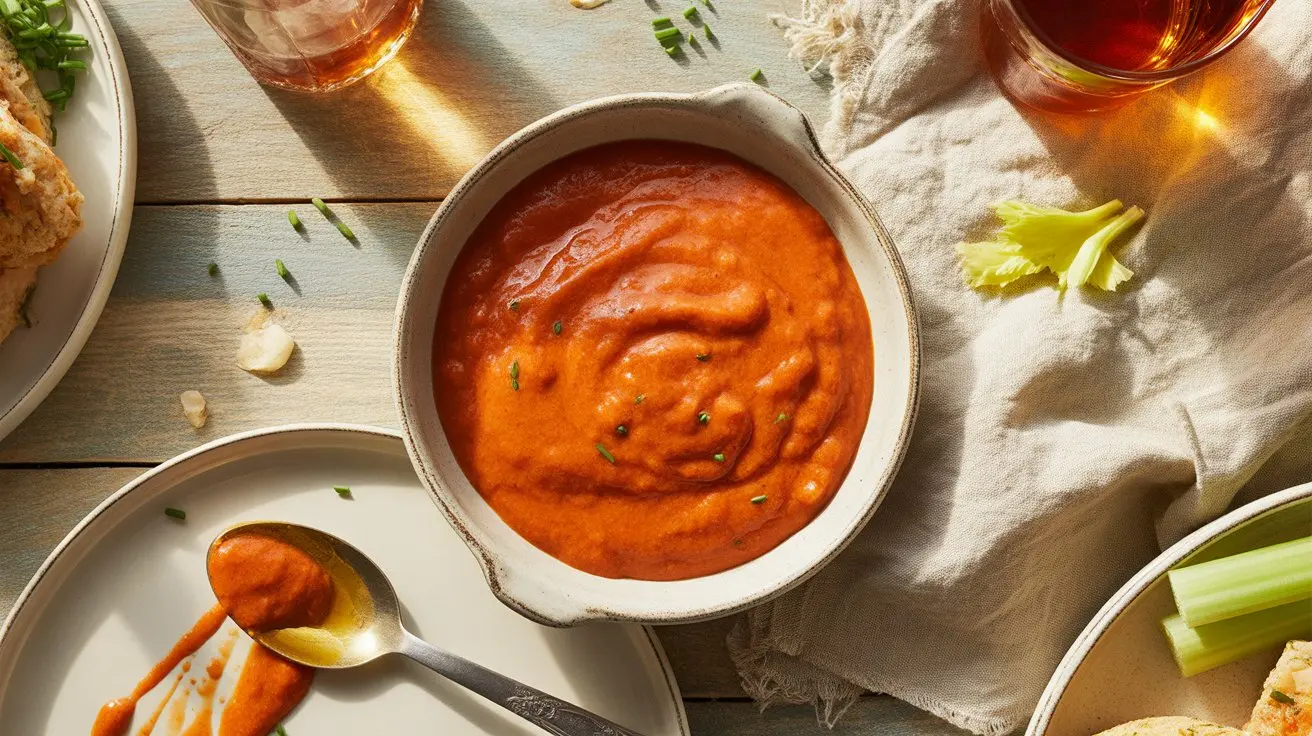
Cascabel chile salsa should taste round, nutty, and lightly toasted, with mild heat and a tomato base that supports the chile. Toast the rattling pods gently, soak only until flexible, and fix grit before adding more acid.
Cascabel chile salsa should taste round and nutty, not sharp or smoky. The dried pods are small, hollow, and famous for the gentle rattle of loose seeds inside.
The first answer is simple: use cascabel when you want a mild dried-chile salsa with toasted depth for eggs, beans, tacos, and grilled vegetables. If you want bright red tang, make guajillo salsa instead. If you want sharper heat, chile de arbol salsa is the clearer choice.
Pod Rattle
Start by shaking the pods. A light rattle usually means the cascabel dried cleanly and still has separate seeds inside.
That sound is not a quality guarantee, so smell comes next. Good cascabels smell like dry chile, nuts, and a little tobacco. A dusty or sour smell means the salsa will taste old before you even toast.
The shape also matters. Round pods with flexible skin blend better than pods that crack into flakes. Very brittle cascabels can still add flavor, but they need a longer soak and more careful straining.
Buy a few extra pods so you can reject the weak ones. One moldy or stale pod can flatten the whole batch.
Use the strongest-smelling pods for the salsa and save weaker pods for beans or broth. The salsa has fewer hiding places than a stew.
If all the pods smell faint, increase cascabel count rather than adding a hotter chile. More cascabel keeps the nutty character intact.
Do not rinse the pods unless they are visibly dusty. A quick wipe with a damp towel protects flavor better than soaking before the toast.
Seed Choice
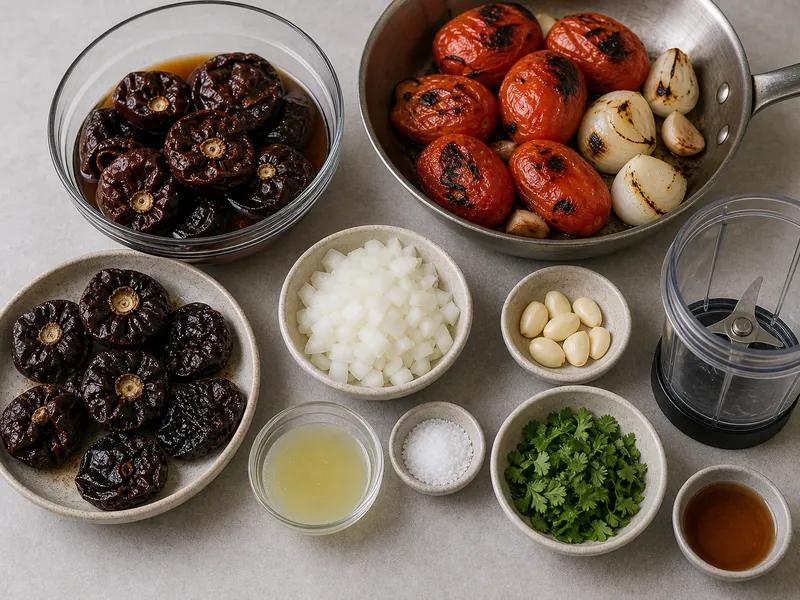
Cascabel seeds can add a pleasant toasted note, but too many make the salsa gritty. Shake out most of them after you remove the stems.
If you want a more rustic bowl, keep a small spoonful of seeds and blend them in. If the salsa is for enchiladas or eggs, keep it smoother.
Toast a small pinch of seeds only if they smell clean. If they smell bitter, throw them away and let the chile walls carry the flavor.
This is where cascabel differs from hotter dried chile salsas. Chile de arbol salsa can use a sharper seed edge because heat is part of the point. Cascabel needs a smoother finish.
Gentle Toast
Use a dry skillet over medium heat and press the opened chile pieces for a few seconds per side. Stop when the aroma turns warm and nutty.
Do not chase darker color. Cascabel skin can burn before it gives an obvious visual warning, and burnt dried chile tastes harsh in every spoonful.
If one piece scorches, remove it instead of hoping the blender hides it. Toasted bitterness spreads faster than toasted aroma.
For a batch with both cascabel and tomato, toast the chiles first, then roast the tomato. That order keeps the pan from steaming the chile skins.
Work in a single layer. Crowded chile pieces steam, and steamed skins taste dull instead of toasted.
Soak Liquid
Hot water should soften the pods until they bend easily. It should not become the automatic blending liquid.
Taste the soak before using it. If it tastes nutty and clean, add a few spoonfuls. If it tastes bitter or dusty, use fresh warm water and rely on roasted tomato for body.
The dried pepper rehydration method is useful here because cascabel changes a lot by age. Freshly dried pods give better soaking liquid than old pods from an open bin.
Do not oversoak until the water turns flat brown. Long soaking can pull out flavor without making the skins much softer.
After soaking, tear a pod with your fingers. If it splits cleanly but still has some body, it is ready for the blender.
If the skin stays tough after soaking, cut the pods into smaller pieces and blend with warm liquid first, before adding tomato.
Tomato Support
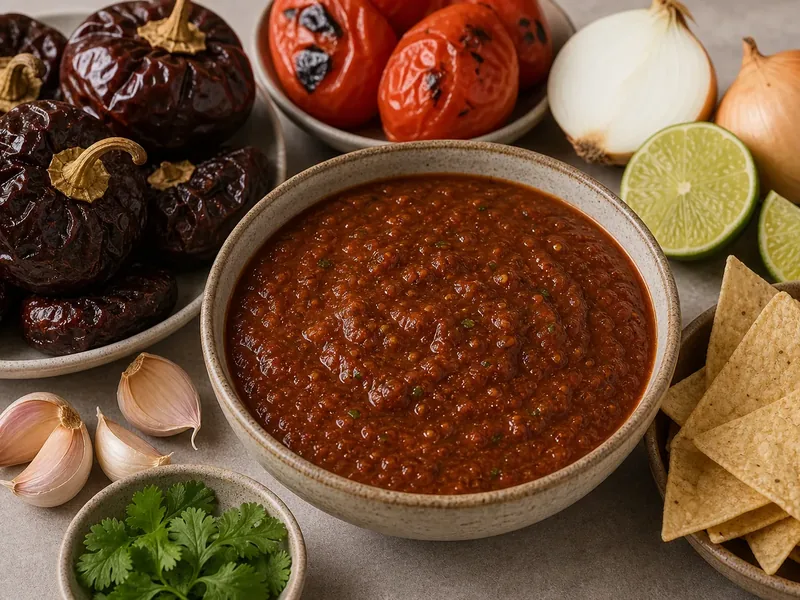
Roasted tomato gives the salsa body and a little sweetness. It should support the cascabel, not take over the bowl.
Use just enough tomato to help the blender move and round the toasted chile. Too much tomato turns this into a mild red table salsa with a faint dried-chile note.
Garlic should stay soft. Roast it in its skin or simmer it briefly after blending. Raw garlic can make cascabel taste thinner than it is.
If you want a tomato-tomatillo balance instead of a dried-chile base, roasted tomato tomatillo salsa is a better fit.
For cascabel, tomato should taste roasted but not jammy. Jammy tomato makes the salsa seem sweeter than the chile really is.
Texture Fixes
Blend longer than you would for a fresh salsa. Cascabel skin needs time, liquid, and scraping to turn smooth.
If the salsa tastes good but feels sandy, strain it through a medium sieve. Press the solids, then taste what remains in the sieve. If the pulp tastes bitter, do not stir it back in.
If the salsa runs thin, simmer it for a few minutes after blending. If it turns pasty, loosen it with warm water or clean soaking liquid one spoon at a time.
Acid comes late. Add lime or vinegar only after texture and salt are right, because acid can make a thin salsa taste even sharper.
If the salsa tastes dusty, strain first and season second. Seasoning a gritty sauce hides the real problem.
If the salsa tastes thin after straining, simmer it gently until it coats a spoon. Cascabel flavor gets clearer when excess water leaves.
Best Plates
Cascabel salsa works best warm or room temperature. Heat wakes the nutty aroma and makes the mild burn feel fuller.
Use it on eggs, beans, mushroom tacos, roast squash, grilled chicken, and quesadillas. Those foods give the toasted chile something to hold.
It is not the best choice for raw seafood, fruit salsa, or a bright green taco spread. Those plates need more acid or a fresher chile profile.
Use a small warm bowl for the table. A cold wide dish makes the salsa thicken and dull before people finish eating.
For dried-chile planning, the Mexican dried chile trinity helps separate dark body, bright red tang, and mild toasted depth. Cascabel sits outside the classic trio, but the same decision logic applies.
Fridge Read
The salsa usually tastes rounder after an hour because salt reaches the chile paste. Wait before making a large correction.
Store it cold in a sealed jar and stir before serving. Dried-chile salsa can thicken overnight, especially if you strained it tightly.
If it tastes flat the next day, warm a small portion and add salt before adding acid. Warmth often brings back the nutty note.
If you need a different dried chile because cascabel is hard to find, use a substitution choice that protects mild heat and round body. The guajillo substitute and pasilla substitute pages help when the pantry choice changes the salsa.
Do not freeze a watery batch. Simmer it to a spoonable texture first, then freeze in small portions.
When reheating, warm only what you need. Repeated heating dulls the toasted smell and makes the tomato taste heavier.
If the reheated salsa tastes muted, add salt first, then a few drops of lime. More chile will not bring back aroma that faded in storage.
For a larger batch, weigh the dried pods after stemming them. Cascabel size varies enough that pod count alone can make one batch much stronger than the next.
Chef's Tip
A few fresh-smelling toasted seeds can support cascabel's nutty flavor, but too many seeds make the salsa gritty.
Ingredients
-
1 oz dried cascabel chilesstemmed and mostly seeded
-
1 1/2 cups hot waterfor soaking
-
2 Roma tomatoeshalved
-
1/4 white onion
-
2 garlic clovesunpeeled
-
1 tablespoon apple cider vinegar
-
3/4 teaspoon kosher saltplus more to taste
-
1 tablespoon toasted pumpkin seedsoptional
Full Recipe Instructions
Toast the stemmed…
Toast the stemmed cascabel chiles in a dry skillet for 10 to 15 seconds per side, just until nutty and flexible.
Cover the toasted…
Cover the toasted chiles with hot water and soak for 15 minutes, then reserve the chiles and taste the soaking liquid.
Roast the tomatoes,…
Roast the tomatoes, onion, and unpeeled garlic in the skillet until softened, then peel the garlic.
Blend the softened…
Blend the softened chiles, roasted vegetables, vinegar, salt, optional pumpkin seeds, and 3 tablespoons soaking liquid or warm water until smooth.
Rest 10 minutes,…
Rest 10 minutes, then adjust with more salt, vinegar, or liquid until spoonable.